
Phosphorus is an essential nutrient for plant growth, playing a critical role in root development, flower production, and overall health. However, phosphorus deficiency can creep up on even the best gardeners, resulting in stunted growth, weak stems, and reduced yields.
As a gardener or farmer, it’s crucial to identify the signs of phosphorus deficiency early on to prevent long-term damage to your plants. But how do you know if your plants are suffering from this common issue? In this article, we’ll explore the causes, symptoms, and effective remedies for addressing phosphorus deficiency in plants. We’ll also provide practical tips on how to boost plant growth and yields by ensuring your plants receive the necessary levels of phosphorus. Whether you’re a seasoned pro or just starting out, this guide will help you tackle phosphorus deficiency and get your plants back on track.
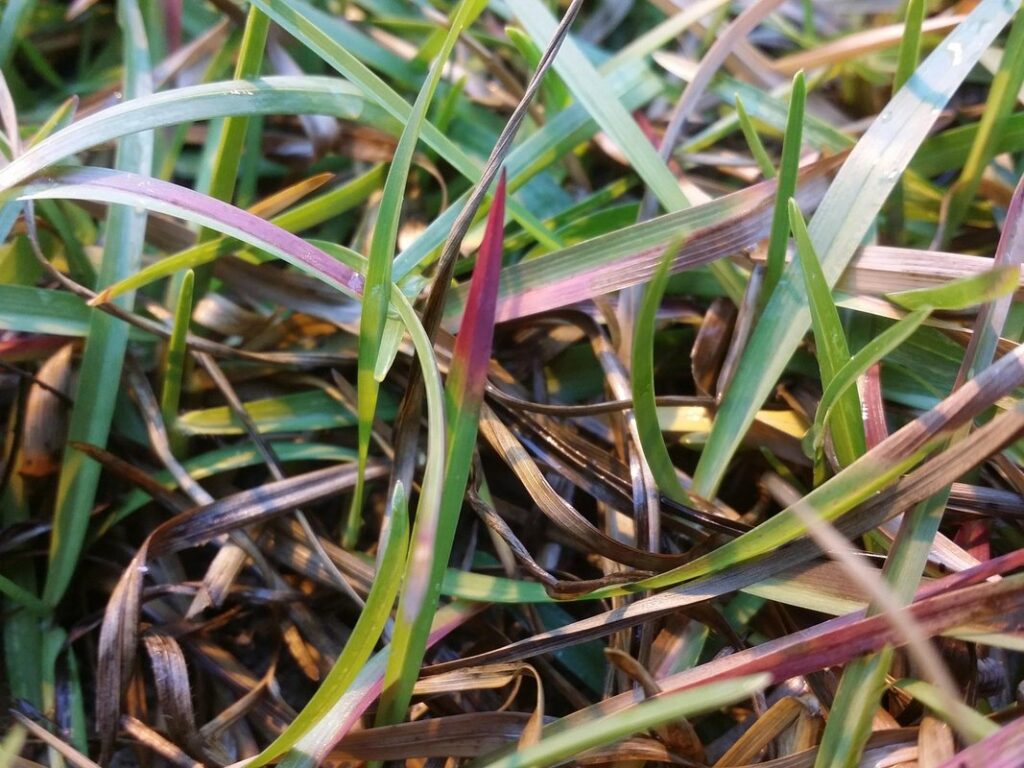
Understanding Phosphorus and Its Importance
Phosphorus is a vital nutrient for plant growth, playing a crucial role in root development, flower production, and overall health. Let’s take a closer look at its importance for your plants.
The Role of Phosphorus in Plant Growth
Phosphorus is a vital nutrient that plays a multifaceted role in plant growth. It’s essential for various processes, including photosynthesis, root development, and cell division. Photosynthesis relies on phosphorus to convert light energy into chemical energy, which powers the plant’s growth and development.
Root development is another critical function of phosphorus. Phosphorus helps create strong, healthy roots that can absorb water and nutrients from the soil efficiently. This enables plants to thrive in challenging environments, such as areas with poor soil quality or limited water availability. In addition, phosphorus facilitates cell division, allowing plants to grow new tissues and organs.
A lack of phosphorus can have severe consequences for plant growth. Plants may exhibit stunted growth, reduced fruit production, and decreased resistance to diseases. For example, a study on tomato plants found that those deficient in phosphorus produced smaller fruits with lower yields compared to those receiving adequate amounts of the nutrient.
Phosphorus Deficiency Symptoms in Plants
If you notice that your plants are not thriving as expected, it’s essential to recognize the common symptoms of phosphorus deficiency. Phosphorus plays a crucial role in plant growth, and its absence can manifest in various ways.
Stunted growth is one of the most noticeable signs of phosphorus deficiency. Your plants may appear shorter than usual or fail to reach their full potential height. This can be attributed to the lack of energy required for cell division and expansion. For instance, if you’re growing tomatoes, you might notice that they’re not producing as many fruit as they should.
Another common symptom is yellowing leaves. Phosphorus helps plants convert light into energy through photosynthesis, which is essential for healthy foliage. Without sufficient phosphorus, your plants may develop yellow or pale-colored leaves, often starting from the lower branches and working their way up. Reduced fruit production is also a clear indication of phosphorus deficiency. Your plants might produce fewer flowers or seeds than usual, leading to reduced yields.
These symptoms can be subtle at first but become increasingly noticeable as the condition worsens. If you suspect that your plants are suffering from phosphorus deficiency, it’s crucial to address the issue promptly to prevent long-term damage.
Causes of Phosphorus Deficiency
Phosphorus deficiency can be caused by a variety of factors, including nutrient-poor soil and inadequate fertilization. Understanding these causes is key to preventing and treating this common issue in plants.
Soil-Related Factors Contributing to Phosphorus Deficiency
Soil-related factors play a significant role in contributing to phosphorus deficiency in plants. One of the primary causes is an imbalance in soil pH. Most plants prefer a slightly acidic to neutral soil pH between 6.0 and 7.0, where phosphorus is readily available for uptake. However, if the pH level deviates from this range, it can lead to phosphorus deficiency. For instance, if the soil pH is too high (alkaline), phosphorus becomes less soluble and less accessible to plants.
Nutrient competition is another critical factor that contributes to phosphorus deficiency. When multiple nutrients compete for the same absorption sites on plant roots, phosphorus often gets left behind. This can happen when nitrogen-rich fertilizers are applied excessively, causing an overabundance of nitrogen that outcompetes phosphorus uptake. Limited phosphorus availability in soil due to its fixed nature also contributes to the deficiency. Phosphorus is a non-renewable resource that takes thousands of years to form naturally, making it essential to manage its use effectively.
By understanding these soil-related factors, you can take proactive steps to prevent phosphorus deficiency. Regular soil testing can help identify any pH imbalances or nutrient competition issues. Adjusting your fertilization schedule and applying phosphorus-rich amendments can also help replenish the available phosphorus in the soil.
Water-Related Issues Affecting Phosphorus Uptake
Water-related issues can significantly impact phosphorus uptake by plants. During drought conditions, plants may not be able to absorb sufficient amounts of phosphorus from the soil due to reduced water availability. Phosphorus is a soluble nutrient that requires water to become available for plant uptake. Without adequate moisture, phosphorus ions may remain locked in the soil, making it difficult for plants to access them.
On the other hand, excessive irrigation can also lead to phosphorus deficiencies. When plants are subjected to too much water, oxygen levels in the soil decrease, causing phosphorus to precipitate out of solution and become unavailable to the plant. This process is often referred to as “phosphorus fixation.” As a result, even if phosphorus is present in the soil, it may not be taken up by the plant due to these water-related issues.
To avoid phosphorus deficiencies caused by water-related problems, it’s essential to maintain optimal watering schedules and ensure adequate moisture levels in the soil. This can be achieved through proper irrigation practices, mulching, or using covers to retain soil moisture.
Diagnosing Phosphorus Deficiency
To diagnose a phosphorus deficiency in your plants, you’ll want to look out for specific visual signs and consider factors that may be contributing to nutrient imbalance. These indicators can help guide your next steps.
Visual Inspection of Plants for Phosphorus Deficiency Signs
When conducting a visual inspection to identify phosphorus deficiency signs in plants, pay close attention to color changes and growth patterns. Phosphorus plays a crucial role in plant development, so deficiencies can manifest in various ways.
Look for pale green or yellowish leaves, as these are common indicators of phosphorus deficiency. The veins on the underside of the leaves may remain green while the rest of the leaf turns yellow, creating a mottled appearance. This discoloration is particularly noticeable on younger leaves and may spread to older ones if left untreated.
Another critical sign is stunted growth or reduced plant height. Phosphorus promotes cell division and root development, so without sufficient phosphorus, plants struggle to reach their full potential. You might also notice a smaller leaf size, which can further impede photosynthesis and overall plant health.
During your inspection, compare the affected plant with healthy ones growing in the same conditions. This will help you identify any unusual growth patterns or color changes that may signal a phosphorus deficiency.
Laboratory Tests for Phosphorus Levels
When diagnosing phosphorus deficiency in plants, laboratory tests can provide valuable insights into soil and plant tissue phosphorus levels. These tests are essential for accurate diagnosis, as visual symptoms alone may not be enough to determine the underlying cause of the problem.
There are several types of laboratory tests that can measure phosphorus levels, including:
* Soil testing: This involves collecting a soil sample and sending it to a laboratory for analysis. The lab will determine the available phosphorus (AP) level in the soil, which is crucial for plant growth.
* Plant tissue testing: This type of test involves analyzing leaf or stem samples from the affected plants. It’s essential to follow proper sampling procedures to ensure accurate results.
When interpreting test results, it’s crucial to understand what the numbers mean. A phosphorus deficiency is typically indicated by low levels of available phosphorus (AP) in the soil or plant tissue. For example, if a soil test shows an AP level below 10 ppm (parts per million), it may indicate a phosphorus deficiency.
Keep in mind that laboratory tests should be used in conjunction with visual observations and other diagnostic methods to ensure accurate diagnosis and treatment.
Remedies and Prevention Strategies
Now that you understand the causes and symptoms of phosphorus deficiency, let’s dive into some effective remedies and prevention strategies to help your plants recover.
Fertilizer Application for Phosphorus Deficiency Correction
When correcting phosphorus deficiency in plants, applying the right fertilizer at the right time is crucial. There are various types of phosphorus fertilizers available, both organic and inorganic options. Organic sources include bone meal, fish bone meal, and alfalfa meal, which release phosphorus slowly as they break down.
For a more immediate correction, inorganic phosphorus fertilizers like diammonium phosphate (DAP) or monoammonium phosphate (MAP) can be applied. These should be used at the recommended application rates to avoid over-fertilization, which can lead to environmental issues and reduced crop yields. Timing is also essential; apply these fertilizers before planting or during the growing season when the plant’s demand for phosphorus is high.
Some key considerations include soil pH, as phosphorus availability decreases with increasing acidity. Test your soil to determine its pH level and adjust accordingly. Additionally, consider combining phosphorus applications with other nutrients like nitrogen and potassium to promote overall plant health and growth.
Soil Amendments to Improve Phosphorus Availability
When it comes to phosphorus deficiency in plants, remedying the soil can be a crucial step. One effective way to improve phosphorus availability is through the use of various soil amendments. Among these, rock phosphate stands out for its high phosphorus content and natural origin.
Rock phosphate, derived from phosphate-rich rocks, can significantly enhance soil phosphorus levels. It’s particularly beneficial in alkaline soils where phosphorus tends to become locked up. A single application can last for several years, making it a cost-effective option. However, it may take some time for the rock phosphate to break down and release its phosphorus.
Bone meal is another popular amendment that promotes phosphorus availability. It’s made from animal bones and often used in organic gardening practices. Bone meal releases phosphorus slowly as it breaks down, which helps prevent over-fertilization. This can be particularly beneficial for plants like tomatoes and peppers that thrive on steady phosphorus supply.
Compost teas are a more recent innovation in soil amendments. They involve steeping compost in water to create a nutrient-rich liquid solution. This method has been shown to improve soil structure and increase microbe activity, ultimately leading to better phosphorus uptake by plants. A ratio of 1 part compost to 10 parts water is often recommended for optimal results.
When using any of these amendments, it’s essential to follow the recommended application rates to avoid over-fertilization. This can cause more harm than good, leading to an accumulation of toxic compounds in the soil.
Long-Term Strategies for Managing Phosphorus Deficiency
To effectively manage phosphorus deficiency long-term, you’ll need to implement strategies that promote healthy soil conditions and root development. Here are some key approaches to consider.
Crop Rotation and Companion Planting Techniques
Crop rotation is a simple yet effective technique to maintain soil health and reduce phosphorus deficiency. By rotating crops, you can break the cycle of phosphorus-depleting plants like corn, wheat, and soybeans that draw heavily from the soil’s available phosphorus. For example, rotate these crops with legumes like beans or peas that fix atmospheric nitrogen, thereby reducing the demand on phosphorus.
Companion planting is another strategy to enhance soil fertility while minimizing the risk of phosphorus deficiency. Certain plants, such as marigolds and nasturtiums, repel nematodes that can deplete soil nutrients. Others, like comfrey and clover, are natural fertilizers that add organic matter and nutrients to the soil.
To implement these techniques effectively:
* Test your soil regularly to determine its phosphorus levels.
* Rotate crops seasonally or annually, taking into account their specific nutrient requirements.
* Intercrop phosphorus-fixing legumes with heavy feeders like corn or wheat.
Sustainable Agriculture Practices for Soils with Limited Phosphorus
When working with soils that have limited phosphorus availability, it’s essential to adopt sustainable agriculture practices that prioritize soil conservation and minimize external inputs. One of the most effective ways to do this is by adding organic matter to the soil. This can be achieved through various methods such as composting, manure application, or incorporating green manure into the soil.
Composting, for instance, involves breaking down organic materials like food waste, crop residues, and animal manure into a nutrient-rich fertilizer. When applied to the soil, it not only replenishes phosphorus but also improves soil structure, increases water-holding capacity, and supports beneficial microbial activity. Additionally, incorporating green manure, such as legumes or grasses, can help fix atmospheric nitrogen, which in turn reduces the need for synthetic fertilizers.
Some practical tips for implementing these sustainable practices include:
• Conducting regular soil tests to determine phosphorus levels and other nutrient requirements
• Implementing crop rotation systems that prioritize phosphorus-fixing crops like legumes
• Avoiding over-tillage, which can lead to phosphorus loss through erosion
Frequently Asked Questions
Can I diagnose phosphorus deficiency through visual inspection alone, or do laboratory tests provide more accurate results?
While visual inspection can give you a general idea of potential phosphorus deficiency symptoms, laboratory tests are the most reliable way to determine actual phosphorus levels. Laboratory tests can detect slight variations in phosphorus concentration that might not be visible through visual inspection.
How often should I apply fertilizers high in phosphorus content to correct deficiencies?
It’s essential to balance fertilizer application with your soil’s specific needs and the plant’s growth stage. Over-fertilization can lead to nutrient imbalances, while under-application won’t provide sufficient correction. Start with a balanced fertilizer, then adjust as needed based on laboratory test results or observable improvements.
Can I use organic matter like compost to boost phosphorus levels in my soil?
Yes, incorporating compost rich in phosphorus into your soil can help alleviate deficiencies. However, keep in mind that the rate and duration of application will vary depending on the specific composition of your compost and your soil’s existing nutrient profile.
How do I choose between a balanced fertilizer or one high in phosphorus for my plants?
Your decision depends on the severity of the deficiency, plant species, growth stage, and local soil conditions. If you’re unsure, start with a balanced fertilizer to provide essential nutrients across the board. For more severe deficiencies, consider applying fertilizers specifically high in phosphorus content.
Will crop rotation and companion planting strategies help prevent phosphorus deficiency?
Yes, incorporating crops that improve soil fertility or contribute beneficial microorganisms can enhance phosphorus availability over time. Companion plants like legumes can fix atmospheric nitrogen, while other crops may stimulate microbial activity, which breaks down organic phosphorus into more accessible forms.