
Propagating philodendrons using water is a game-changer for plant enthusiasts. Not only does it allow you to multiply your favorite varieties with ease, but it also opens up a world of possibilities for sharing and exploring new types of philodendrons. However, successful propagation in water requires some finesse, especially when it comes to overcoming common challenges.
In this article, we’ll dive into the benefits and pitfalls of using water for philodendron propagation, and provide a step-by-step guide on how to do it right. From choosing the right materials to troubleshooting potential issues, we’ve got you covered. By the end of this post, you’ll be well-equipped with the knowledge and confidence to successfully propagate your philodendrons in water. So, whether you’re a seasoned gardener or just starting out, keep reading to learn how to unlock the secrets of water propagation for these versatile plants.
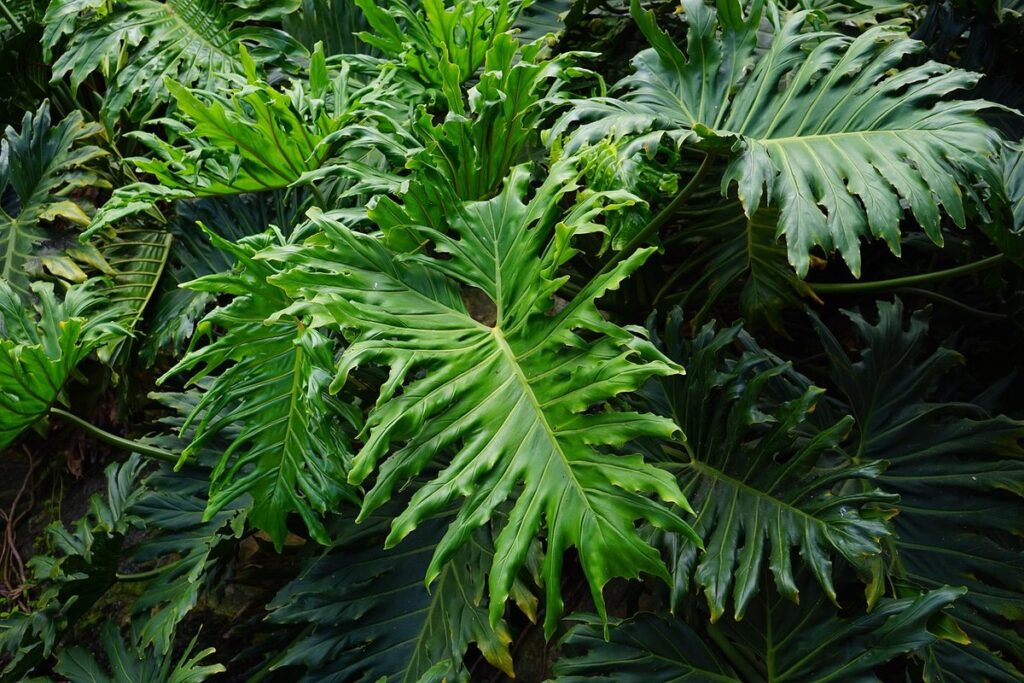
Benefits and Advantages of Water Propagation
When you adopt water propagation for philodendron, you’ll unlock a world of advantages that make plant care easier, faster, and more rewarding than traditional methods. Let’s dive into what makes it so beneficial.
Why Choose Water Propagation for Philodendrons?
Water propagation is an excellent method for growing new philodendrons, and it offers several benefits that make it a popular choice among plant enthusiasts. One of the main advantages is the reduced risk of overwatering. When you propagate in water, you can easily monitor the roots’ development, and adjust your care accordingly. This eliminates the possibility of drowning your plants with too much moisture.
With water propagation, you also have an increased success rate compared to traditional soil-based methods. This is because the roots develop more quickly and are less prone to rot. Additionally, water allows for better air circulation around the roots, which promotes healthy growth.
When choosing water propagation for philodendrons, remember that it’s essential to use clean equipment and a sterile environment to prevent infection. Regularly change the water to keep your plants free from bacterial growth. By following these simple steps, you’ll be well on your way to successfully propagating new philodendrons using water.
By taking advantage of these benefits, you can enjoy higher success rates and healthier plants, making water propagation an excellent choice for growing new philodendrons.
Common Challenges with Traditional Propagation Methods
When it comes to propagating philodendrons, traditional methods like soil-based and leaf-cutting have their limitations. One of the common challenges is that these methods often result in low success rates due to factors such as overwatering, underwatering, or contamination. For instance, with soil-based propagation, it’s easy to accidentally give your cuttings too much water, leading to rot and fungal infections.
Another challenge is that traditional methods can be time-consuming and labor-intensive. Leaf-cutting, in particular, requires a steady supply of mature leaves, which can be difficult to come by if you’re only propagating small batches. Water propagation, on the other hand, offers a more efficient solution. By rooting your cuttings directly in water, you can skip the initial soil-based stage and get straight to developing healthy roots.
With water propagation, you also reduce the risk of contamination from soil-borne pathogens. This is especially important for delicate plant species like philodendrons, which are prone to fungal diseases when grown in traditional soils.
Preparing for Water Propagation: Tools and Materials Needed
To propagate philodendron using water, you’ll first need to gather the essential tools and materials, including a clean glass or jar and some basic household items. Let’s take a look at what you’ll require for success.
Essential Equipment for Successful Water Propagation
To successfully propagate philodendrons using water, you’ll need some essential equipment. First and foremost, you’ll require a clean workspace where you can prepare the materials without contamination. This is crucial for the rooting process to be successful.
You’ll also need glass containers with lids or plastic cups specifically designed for water propagation. These should have narrow mouths to prevent debris from entering while allowing air exchange. You can choose containers of various sizes depending on your needs, but make sure they’re clean and sanitized before use.
Other necessary materials include distilled or purified water, which is essential for preventing fungal diseases that thrive in tap water. Some growers also swear by rooting hormone to enhance the chances of successful propagation. If you decide to use it, be sure to follow the manufacturer’s instructions carefully.
It’s worth noting that using a sterile scalpel or scissors will help prevent cross-contamination and ensure the new roots don’t become infected. A magnifying glass can come in handy for inspecting your plants’ development closely.
Sterilization Techniques to Prevent Contamination
When working with water propagation, maintaining sterility is crucial to prevent contamination and ensure healthy plant growth. Equipment such as tweezers, scissors, and pots can harbor bacteria and fungi if not properly cleaned, which can be detrimental to your plants.
To sterilize equipment, you can use a bleach solution. Mix one part of household bleach with nine parts of water in a bowl or sink. Submerge the equipment for 10-15 minutes, then rinse thoroughly with clean water. This method is effective but may require extra precautions when handling bleach.
An alternative to bleach is running your equipment through a dishwasher cycle. Check your dishwasher’s user manual to ensure that it can handle delicate items like plant pots and tools. Run them on the hottest temperature setting without detergent. This method is gentler than bleach but still requires caution.
Regardless of the method, always rinse your equipment thoroughly after sterilization to remove any residual solution or debris. Clean equipment is just as important as sterile water in preventing contamination and promoting successful propagation.
The Process of Water Propagation: Step-by-Step Guide
Now that you’ve learned the basics of water propagation, it’s time to dive into the step-by-step process of creating new Philodendron plants using this method. Let’s break down each stage carefully.
Creating a Rooting Solution and Preparing Cuttings
To create a rooting solution, you’ll need to mix 1-2 tablespoons of root stimulator powder with 4-6 cups of water. This solution can help promote healthy root growth and increase the chances of successful propagation. However, not all philodendron species require a rooting solution.
For cuttings, choose mature philodendron plants with long stems and plenty of nodes. Cut the stem just below a node using a sharp, sterile knife or pruning tool. Make sure each cutting has at least two nodes to increase its chances of rooting successfully. Remove any lower leaves that would be submerged in water, leaving only the top set of leaves.
Next, place the cuttings into your prepared water propagation container, making sure they are fully submerged in the solution. The cut end should face downwards, allowing roots to develop upwards. Leave enough space between each cutting for proper growth and development. Now that your cuttings are placed in the water propagation container, it’s essential to monitor their progress closely, adjusting the solution as needed to ensure optimal rooting conditions.
Monitoring and Maintaining Optimal Conditions
Monitoring root growth is essential for successful water propagation. Check on the cuttings every 3-4 days to see if they’ve developed a visible root system. You can do this by gently lifting the cutting out of the water or using a sterile instrument to carefully probe the base.
Adjusting the water levels as necessary will also promote healthy root growth. Make sure the node (where you made the cut) is submerged in water, but avoid over-submerging, which can lead to rot and other issues. A good rule of thumb is to keep about 1-2 inches of the cutting stem above the waterline.
Maintaining optimal temperatures between 65°F to 75°F (18°C to 24°C) will also help encourage root development. Avoid placing your propagation station near heating vents or drafty areas, as this can cause temperature fluctuations that may hinder progress. By monitoring these factors and adjusting as needed, you’ll be well on your way to successfully propagating your Philodendron using water.
Troubleshooting Common Issues with Water Propagation
Don’t worry if you encounter problems along the way – common issues arise when propagating philodendrons in water, and we’ve got solutions to help. This section tackles the most frequent obstacles.
Recognizing Signs of Root Rot and Overwatering
One of the most common issues with water-propagated philodendrons is overwatering and root rot. If you’re not careful, it can be difficult to recover from these problems. So, let’s take a closer look at the signs to watch out for.
A soft or mushy stem is one of the first indicators that your philodendron has been overwatered. You might also notice a foul smell coming from the water or the plant itself. This is usually caused by excess moisture and can be a sign that root rot is setting in.
Other signs include yellowing leaves, droopy stems, or an unusual color change on the leaves. These symptoms often occur because the roots are unable to breathe properly due to too much water. To address this issue, you’ll need to reduce watering frequency and ensure proper drainage by changing the water completely every week.
Additionally, if you notice any white or yellowish mold growing in the water, it’s essential to remove the affected plant from the propagation tray and repot it with fresh, sterilized water.
Encountering Problems with Root Development or Stunting
When encountering problems with root development or stunting during water propagation of philodendron, it’s essential to identify and address the underlying cause. Slow root growth can be due to inadequate nutrients or insufficient time for rooting. To resolve this issue, transfer the plantlets to a nutrient-rich solution, such as a 20-20-20 fertilizer, and increase the frequency of water changes.
Weak roots might indicate that the plantlets are not receiving enough oxygen in the water. To improve root growth, use an air stone or aerator in the propagation container to increase oxygen levels. This can be especially beneficial for species like Philodendron selloum, which tend to develop stronger roots when provided with sufficient aeration.
Stunted growth can result from transplanting too soon or not giving the plantlets enough time to establish themselves. Give your water-propagated philodendrons at least 2-3 weeks in the propagation solution before transferring them to soil. Monitor their progress and adjust your care routine as needed to ensure optimal growth and development.
In some cases, stunted growth might be due to an underlying issue with the mother plant or the cutting itself. Inspect the cutting for any signs of damage or infection, and discard it if necessary. This will prevent the problem from being passed on to the new plantlet.
Transferring Water-Propagated Philodendrons to Soil
Now that your water-propagated philodendron has roots, it’s time to transfer it to soil for healthy growth and further development. Here are some essential steps to follow during this process.
Identifying the Right Time for Transfer
When to Transfer Your Water-Propagated Philodendron to Soil
Before transferring your water-propagated philodendron to soil, it’s essential to identify the right time for this transition. One of the most critical indicators is the development of a robust root system. As you observe your plant growing in water, look out for white or light-colored roots that have developed beyond the node from which they originated.
This typically occurs after 3-6 weeks, depending on factors such as temperature, humidity, and the specific philodendron species. If you notice the roots have grown significantly and are starting to circle around the inside of the container, it’s a clear sign that your plant is ready for soil.
In selecting an appropriate potting mix, consider one with good drainage properties to prevent waterlogged conditions. A well-balanced blend containing ingredients like perlite or vermiculite will help maintain moisture levels while preventing root rot. Transfer your philodendron to a slightly larger container, gently firming the roots into place before adding a thin layer of potting mix.
Acclimating to Soil: Transitioning from Water to Soil
When transplanting water-propagated philodendron plantlets to soil, it’s crucial to acclimate them gradually to their new environment. This transition can be a bit challenging for the young plants, but with careful planning and attention to detail, you can ensure a smooth transition.
Start by adjusting your watering schedule. Water-propagated plantlets are accustomed to being in water, so they’ll require more frequent watering initially. However, once transferred to soil, reduce the frequency of watering. Check the soil moisture by sticking your finger into it, and only water when the top 1-2 inches feel dry.
Next, consider the light exposure for your plantlet. If it was previously in a bright, sunny spot, you may need to provide shade or gradually increase the amount of direct sunlight over time. This will prevent scorching or burning of the leaves.
Finally, fertilize sparingly until the plant has fully adjusted to its new environment. A balanced, water-soluble fertilizer can be applied at half the recommended strength during the first few weeks after transplanting. Monitor your plant’s response and adjust your fertilization schedule accordingly.
Advanced Tips and Tricks for Maximizing Success with Water Propagation
Now that you’ve mastered the basics of water propagation, it’s time to take your skills to the next level with these expert tips and techniques. We’ll dive into advanced methods for achieving optimal success with philodendron water propagation.
Experimenting with Different Rooting Hormones or Solutions
When experimenting with different rooting hormones or solutions, it’s essential to understand that not all products are created equal. Some may contain additives that can either hinder or enhance root growth rates and success rates.
Rootone is a popular alternative to traditional rooting hormones, offering a more gentle yet effective approach. It contains no plant growth regulators (PGRs) and can be used for a wide range of plant species. For example, Rootone has been successfully used to propagate sensitive plants like African Violets, which are notoriously difficult to root.
Another option is WillPowder, an organic rooting powder made from willow bark extract. This product contains salicylic acid, which has been shown to stimulate root growth and development. When using WillPowower, it’s recommended to dip the cutting for only 10-15 seconds, as prolonged exposure can lead to over-stimulation.
Some growers also swear by using liquid seaweed solution or fish emulsion as a rooting aid. These products are rich in micronutrients that promote healthy root growth and development. A ratio of 1 part solution to 10 parts water is recommended for optimal results.
Scaling Up: Growing Multiple Plants at Once
Scaling up water propagation to grow multiple plants at once can be a bit more challenging than propagating a single plant. However, with a few key adjustments, you can successfully propagate several philodendrons simultaneously while maintaining optimal conditions for each one.
To start, make sure you have a sufficient number of glass containers or jars to accommodate all the cuttings. A good rule of thumb is to use containers that are at least 2-3 inches deep and 4-6 inches wide. This will give the roots room to grow without becoming overcrowded.
Next, prepare your cutting stations by creating separate areas for each plant. This can be as simple as using a small tray or plate with a few rocks or pebbles in it, which helps prevent the cuttings from sitting directly on the bottom of the container. Fill each station with fresh water and add a rooting hormone to encourage healthy root development.
When placing multiple cuttings into the same water, keep an eye out for signs of competition, such as slowed growth or browning leaves. To avoid this, make sure each cutting has its own unique environment by adjusting the placement, depth, or even changing the water completely if necessary.
As your plants grow and develop roots, you can start to transfer them into individual pots once they’ve developed a robust root system. Keep in mind that this process may take longer for multiple cuttings than it would for a single one, but with patience and attention, you’ll be rewarded with healthy, thriving philodendrons.
Frequently Asked Questions
Can I propagate philodendrons using tap water, or do I need to use distilled water?
Yes, you can use tap water for propagation, but it’s recommended to use distilled or filtered water to prevent any potential contaminants from affecting the roots. However, if your tap water is known to be soft and free of minerals, it should work just fine.
How long does it take to see root development in philodendron cuttings propagated in water?
Root development can vary depending on factors like temperature, light, and rooting solution strength. Generally, you can expect to see roots develop within 1-2 weeks after propagation. Be patient and monitor your plants regularly for the first signs of root growth.
What are some common mistakes people make when transitioning their water-propagated philodendrons to soil?
One common mistake is not giving the plant enough time to adapt to the new medium, leading to shock or even death. Make sure to acclimate your plants gradually by starting with a mix of water and soil, then gradually increasing the soil content over several days.
Can I propagate multiple philodendron varieties at once in the same container?
While it’s technically possible to propagate multiple varieties together, it can lead to overcrowding and increased risk of contamination or disease transmission. For best results, propagate individual varieties separately, especially if you’re just starting out with water propagation.
How do I know when my philodendron cutting has developed enough roots to transfer to soil?
Look for the following signs: a robust root system (at least 1-2 inches long), sturdy stem growth, and the development of new leaves. If your plant is showing these characteristics, it’s likely ready to be transferred to a pot with well-draining soil and proper care.