
If you’re a plant enthusiast looking to add some lush greenery to your indoor space, you’ve probably considered bringing home a philodendron. These beautiful plants are relatively low-maintenance and can thrive in a variety of conditions, making them perfect for busy people or those new to plant parenthood. However, with so many types of philodendrons available, choosing the right one for your needs can be overwhelming.
In this comprehensive guide, we’ll walk you through everything you need to know about growing philodendrons indoors. From selecting the right variety to providing the perfect balance of lighting, watering, and fertilization, we’ve got expert tips and tricks to help you grow a healthy and thriving plant. Whether you’re a seasoned gardener or just starting out, our guide will cover all the essential care requirements for philodendrons indoors.
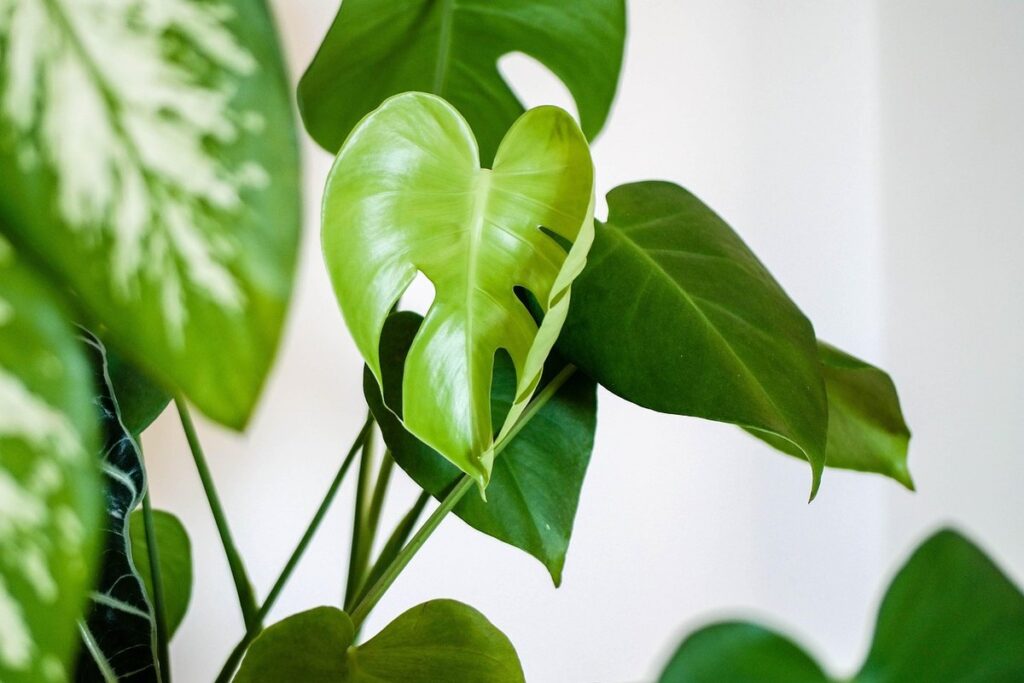
Choosing the Right Philodendron Variety
With so many stunning varieties to choose from, selecting the perfect philodendron for your space can be overwhelming. Let’s break down the factors to consider when choosing a variety that suits your needs and preferences.
Understanding the Different Types of Philodendrons
There are over 700 species of philodendrons, each with its unique characteristics and growth habits. While this variety can be overwhelming for indoor gardeners, understanding the different types will help you choose the right one for your space.
Some popular varieties for indoor cultivation include Heartleaf Philodendron (Philodendron cordatum), which is a low-maintenance climber perfect for hanging baskets or totem poles. The Brasil Philodendron (Philodendron brasil) is another favorite, known for its heart-shaped leaves and ability to thrive in low-light conditions.
The Selloum Philodendron (Philodendron bipinnatifidum) boasts large, divided leaves and can grow quite large when given the right conditions. It’s a great option for those who want to create a lush, tropical atmosphere indoors.
When choosing a philodendron variety, consider factors like lighting, temperature, and maintenance needs. This will ensure you select a plant that thrives in your indoor environment and provides the desired aesthetic.
• Research different varieties before making a selection
• Consider the specific growing conditions in your home
• Choose a variety that fits your lifestyle and maintenance schedule
Selecting a Philodendron Based on Lighting Conditions
When selecting a philodendron variety for indoor care, one of the most crucial factors to consider is lighting conditions. Most philodendrons can tolerate low light, but some thrive in bright environments, while others fall somewhere in between. To choose the right plant for your space, take stock of the amount of natural light it receives.
For high-light areas with direct sunlight, varieties like ‘Micans’ and ‘Xanadu’ are perfect choices. These plants have glossy leaves that can handle intense light and will even develop a vibrant coloration as a result. On the other hand, if your space is dimly lit or receives only indirect sunlight, low-light philodendrons such as ‘Brasil’ and ‘Moonlight’ will do well.
Consider factors like window orientation, nearby structures, and seasonal changes when assessing lighting conditions. Some plants can adapt to changing light levels, but it’s still essential to choose a variety that suits your space’s specific needs. By selecting the right philodendron for your lighting situation, you’ll set yourself up for success in providing optimal care.
Planting and Soil Requirements
To ensure your philodendron thrives indoors, it’s essential to choose a well-draining potting mix that suits its needs, as well as select a suitable planting location.
Preparing the Potting Mix
When it comes to preparing the potting mix for your philodendron, it’s essential to get it right. Philodendrons thrive in well-draining mixes that allow excess moisture to escape quickly, preventing waterlogged soil and root rot. A good rule of thumb is to aim for a mix that contains at least 30-50% perlite or vermiculite, which will provide excellent drainage while still retaining some water.
Adding organic matter to your potting mix can also work wonders for your philodendron’s health. Compost, worm castings, or even leaf mold are all great options to incorporate into the mix. Not only do they improve soil structure and fertility, but they also provide beneficial microorganisms that will help break down nutrients and make them available to your plant.
When selecting a potting mix for your philodendron, look for one that is specifically designed for tropical plants like yours. Avoid mixes that contain too much peat moss or coconut coir, as these can retain too much water and lead to root rot.
Watering and Humidity Needs
When it comes to caring for philodendrons indoors, maintaining the right watering schedule and humidity levels is crucial for their optimal growth. Philodendrons prefer well-draining soil, but they also like to stay moist, not soggy. The key is finding that sweet spot between underwatering and overwatering.
To determine when to water your philodendron, stick your finger into the soil up to the first knuckle. If it feels dry, it’s time to water. Water thoroughly until you see water coming out of the drainage holes in the pot. Make sure not to let the pot sit in water, as this can cause root rot.
Maintaining optimal humidity levels is also essential for philodendrons. Since indoor air tends to be drier than outdoor air, you’ll need to take steps to humidify your space. You can place the plant on a tray filled with water and pebbles, or use a humidifier nearby. A good rule of thumb is to maintain humidity levels between 50-70%. This will encourage healthy growth and prevent leaf drop. Keep an eye on the temperature too – philodendrons prefer temperatures above 65°F (18°C), but below 75°F (24°C).
Lighting and Temperature Requirements
When it comes to keeping philodendrons happy indoors, providing them with the right lighting and temperature conditions is crucial for their health and growth. Let’s dive into the details of what your philodendron needs in these areas.
Philodendron Lighting Needs: Bright, Low-Light, or in Between?
When it comes to philodendrons, one of the most common questions indoor plant enthusiasts have is: what kind of lighting do they need? The answer varies depending on the specific variety you’re growing.
Bright light philodendrons, such as ‘Xanadus’ and ‘Micans’, require more intense illumination to produce those vibrant heart-shaped leaves. To provide sufficient light for these plants, place them near an east- or west-facing window, ideally 2-3 feet away from the glass. If you don’t have a south-facing window, consider using grow lights to supplement natural light.
On the other hand, low-light philodendrons like ‘Brasil’ and ‘Glacier’ can thrive in areas with limited direct sunlight. These plants are perfect for rooms with north-facing windows or shaded corners. However, even low-light varieties still need some indirect light to photosynthesize properly.
In between these two extremes are most philodendron varieties that can tolerate a range of lighting conditions. If you’re unsure about the specific needs of your plant, observe its growth and adjust the lighting accordingly. Keep in mind that most philodendrons prefer bright, indirect light but may suffer from overexposure to direct sunlight.
Ideal Temperature Ranges for Healthy Growth
When it comes to philodendrons indoors, maintaining an ideal temperature range is crucial for healthy growth. Philodendrons prefer temperatures between 65°F (18°C) and 75°F (24°C), which is within the average room temperature range. However, temperatures above 80°F (27°C) can cause stress, leading to leaf drop and reduced plant performance.
On the other hand, temperatures below 55°F (13°C) can also be detrimental to your philodendron’s health. Prolonged exposure to such low temperatures can result in root damage and hinder growth. In addition, drafts from air conditioning or heating vents can further exacerbate these issues.
To ensure optimal conditions for your philodendron, consider keeping it away from windows and exterior walls during extreme temperature fluctuations. You can also use a humidifier to maintain a consistent humidity level between 50-70%, which will help regulate the plant’s internal temperature and promote healthy growth. Monitor your philodendron regularly, and adjust its environment accordingly to prevent any potential issues.
Fertilization and Pruning Techniques
To ensure your philodendron thrives, it’s essential to master fertilization and pruning techniques, which we’ll cover in detail below. Proper care will lead to healthier, more vibrant plants over time.
Balanced Fertilizers: What You Need to Know
When it comes to feeding your philodendron indoors, using balanced fertilizers is crucial for healthy growth. Balanced fertilizers contain a mix of nitrogen (N), phosphorus (P), and potassium (K) – the three essential macronutrients that plants need to thrive. This balanced ratio typically ranges from 20-20-20 or 24-8-16, but it’s essential to choose a fertilizer specifically formulated for indoor plants.
To determine how often to feed your philodendron, start with a monthly application during the growing season (spring and summer). Dilute the recommended amount according to the product instructions to avoid burning your plant’s roots. During the dormant season (fall and winter), reduce fertilization to once every 6-8 weeks or skip it altogether. Keep in mind that philodendrons prefer slightly acidic soil with a pH between 5.5 and 6.5, so choose a balanced fertilizer that won’t disrupt this delicate balance.
Remember, over-fertilizing can be detrimental to your plant’s health. Start with small amounts and observe your philodendron’s response before adjusting the frequency or type of fertilizer. With regular, balanced fertilization, you’ll enjoy lush growth, vibrant foliage, and a robust root system for years to come.
Pruning Methods for Encouraging Bushy Growth
To encourage bushy growth and maintain a compact shape, you’ll want to employ specific pruning methods. One of the most effective techniques is called “tip pinching.” This involves gently pinching off the terminal bud at the end of each stem using your thumb and index finger. Not only does this encourage branching, but it also helps control the plant’s overall height.
Another method is “pinching back,” where you remove a section of stem entirely, leaving a small stub behind. This stimulates new growth from the remaining nodes and can be particularly effective for promoting a fuller, more bushy appearance. For best results, aim to pinch or cut back your philodendron’s stems when they reach 6-8 inches in length.
Remember to prune no more than one-third of the plant’s foliage at any given time to avoid shocking it. By incorporating these pruning methods into your care routine, you can enjoy a lush, compact philodendron that thrives indoors with minimal maintenance.
Common Problems and Solutions
Don’t worry, we’ve all been there: struggling with droopy leaves, pests, or overwatering. In this next part, I’ll share common philodendron problems and how to tackle them with ease.
Leaf Yellowing or Wilting: Causes and Remedies
When you notice your philodendron’s leaves turning yellow or wilting, it can be alarming. However, most of the time, these issues are easily solvable with some adjustments to your plant care routine.
Firstly, let’s address the causes behind these problems. Yellowing leaves often indicate overwatering, which can lead to root rot and kill the plant if not addressed promptly. On the other hand, wilting leaves may be a sign of underwatering or insufficient light exposure.
Here are some quick fixes for both situations:
* Check your watering schedule: Ensure you’re not giving your philodendron too much water at once. Allow excess moisture to drain from the pot before returning it to its original position.
* Adjust your lighting setup: Philodendrons prefer bright, indirect light but can tolerate low light conditions for short periods of time. Reevaluate your plant’s environment and make adjustments as necessary.
* Prune damaged leaves: Remove any severely yellowed or wilted leaves to prevent the spread of disease and encourage healthy growth.
By being attentive to these issues, you can rescue your philodendron from potential disaster and keep it thriving indoors.
Pests and Diseases: Prevention and Treatment
As an indoor philodendron owner, it’s essential to be aware of potential pests and diseases that can affect your plant. Mealybugs, spider mites, and scale are common insects that feed on the sap of philodendrons, causing curled or distorted leaves. To prevent infestations, inspect your plants regularly for eggs, larvae, or actual insects, and quarantine new additions to ensure they’re pest-free.
To treat infested plants, mix 1 tablespoon of mild dish soap with 1 quart of water and spray it on the affected areas. Repeat this process every few days until the pests are gone. For scale, you can also use neem oil or insecticidal soap.
Fungal diseases like root rot, leaf spot, and powdery mildew can be caused by overwatering or poor air circulation. Prevent these issues by ensuring good drainage in your potting mix, avoiding overwatering, and providing enough space between plants for air to circulate. If you notice any signs of disease, remove infected leaves or stems, and treat with a fungicide.
Regularly inspecting your plants and taking prompt action when problems arise will help keep your philodendron healthy and thriving indoors.
Propagation and Repotting Techniques
When it comes to expanding your philodendron collection, knowing how to propagate and repot these plants is essential for their continued health and happiness. We’ll walk you through the steps to successfully do so indoors.
Propagating Philodendrons through Stem Cuttings
Propagating philodendrons through stem cuttings is an effective way to multiply your favorite plants and share them with friends. This method allows you to create new plants from mature stems, which can be done throughout the year. To begin, choose a healthy, vigorous stem with at least two nodes (the joint where a leaf meets the stem). Cut about 4-6 inches of the stem below a node using a clean pair of scissors or pruning shears.
Remove lower leaves, leaving only two to three sets of leaves at the top. This will help prevent the cutting from drying out and promote rooting. Place the cut end in a glass of water or a propagation tray filled with water until roots develop (usually within 1-2 weeks). Once roots are visible, transfer the cutting into a pot filled with well-draining soil. Keep the soil consistently moist but not waterlogged. With proper care, your new philodendron will thrive and produce its own stems in no time.
Some important tips to keep in mind: make clean cuts, use a rooting hormone (optional), and maintain high humidity around the cutting to promote successful propagation.
Repotting: When and How to Do It Right
Repotting is an essential part of philodendron care indoors, as it allows for fresh soil and a larger pot to accommodate the plant’s growing roots. However, it’s not always necessary to repot your philodendron. A general rule of thumb is to repot every 1-2 years, or when you notice that the plant has outgrown its current container.
When choosing a new pot, select one that is only 1-2 sizes larger than the original. Philodendrons don’t like to be too wet, and a pot that’s too large can cause the soil to stay waterlogged. Also, avoid pots with drainage holes in the bottom, as this can cause the soil to dry out too quickly.
When handling root-bound plants, it’s essential to be gentle and careful not to damage the roots. To do this, gently wash away any old potting mix from the roots with a soft-bristled brush or your fingers. Then, trim any circling or tangled roots with sterile scissors or pruning shears before transferring the plant to its new home. This will help the philodendron adjust quickly and reduce the risk of shock.
Conclusion and Additional Tips
Now that you’ve mastered the basics of philodendron care indoors, let’s review what we’ve covered and explore some bonus tips to take your plant parenting skills to the next level.
Recap of Key Takeaways
To ensure you maintain healthy and thriving philodendrons indoors, remember these essential care tips. First, provide your plants with bright, indirect light – direct sunlight can cause leaf scorch. Water them thoroughly, allowing the top inch of soil to dry between waterings. Use a well-draining potting mix to prevent root rot.
Fertilize your philodendrons regularly during the growing season (spring and summer), but avoid over-fertilizing as this can damage roots. Prune your plants regularly to maintain their desired shape, promote healthy growth, and encourage new leaves to grow.
Keep in mind that philodendrons prefer temperatures between 65-75°F (18-24°C) and humidity levels above 50%. If your indoor space is particularly dry, consider using a humidifier. Monitor your plant’s response to these conditions and adjust as needed.
Lastly, repot your philodendron every year or two to refresh the soil and provide a larger pot if necessary. By following these care tips, you’ll be well on your way to becoming a successful indoor philodendron grower.
Additional Resources and Next Steps
If you’re eager to learn more about philodendron care and take your skills to the next level, there are plenty of resources available online. One great place to start is by joining online forums dedicated to houseplant enthusiasts. Websites like Reddit’s r/houseplants and Houzz’s Houseplant Forum offer a wealth of information on everything from pest management to propagation.
For those who prefer to learn through reading, there are many excellent books on philodendron care available. “The New Seed Starter’s Handbook” by Nancy Bubel and “Houseplants: The Complete Guide to Choosing and Growing Over 400 Houseplants” by Dr. Peter G. Taylor are both highly recommended.
To gain expert advice and stay up-to-date on the latest developments in philodendron care, consider following reputable plant experts and social media influencers like @houseplantjourney and @plantladyofbrooklyn.
Frequently Asked Questions
Can I grow philodendrons outdoors if I live in a warm climate?
Yes, philodendrons can thrive outdoors in warm climates with bright, indirect light. However, be aware that direct sunlight can cause leaf scorch and damage to the plant’s delicate leaves. In warmer regions, choose a variety like ‘Xanadu’ or ‘Brasil’, which are more tolerant of high temperatures.
How often should I repot my philodendron?
Repotting frequency depends on your plant’s growth rate and pot size. As a general rule, repot every 1-2 years in the spring when the plant becomes pot-bound. Use a well-draining potting mix to prevent root rot and choose a container that is only slightly larger than the previous one.
Can I propagate philodendrons through leaf cuttings?
Yes, you can propagate philodendrons using stem cuttings or air-layering, but leaf cuttings are not recommended. Leaf cuttings tend to have low success rates and may not produce a healthy root system. Stick with tried-and-true methods like stem cuttings for the best results.
How do I prevent pests and diseases in my philodendron?
Preventative measures go a long way in keeping your philodendron pest-free! Regularly inspect your plant, and address any issues promptly. Use neem oil or insecticidal soap to control pests like spider mites, mealybugs, or scale. Maintain good air circulation, ensure proper watering habits, and provide the right balance of light and nutrients.
Can I grow philodendrons in low-light conditions without sacrificing their shape?
While philodendrons can tolerate low light, it may affect their growth rate and overall appearance. To maintain a bushy shape in low-light conditions, prune your plant regularly to encourage branching and new growth. This will help keep the plant compact and prevent legginess.