
Are you ready to add some sunshine to your garden? Perennials with yellow foliage are not only a stunning addition to any outdoor space, but they’re also incredibly low maintenance and offer year-round interest. These vibrant plants come in a variety of shapes, sizes, and growth habits, making them perfect for gardeners of all skill levels. From classic daffodils to more exotic options like golden yarrow, perennials with yellow foliage are the perfect choice for those looking to bring a pop of color into their garden. In this article, we’ll explore the benefits and characteristics of these beautiful plants, as well as provide expert tips on how to select, plant, and care for them. Whether you’re a seasoned gardener or just starting out, you won’t want to miss this comprehensive guide to perennials with yellow foliage.
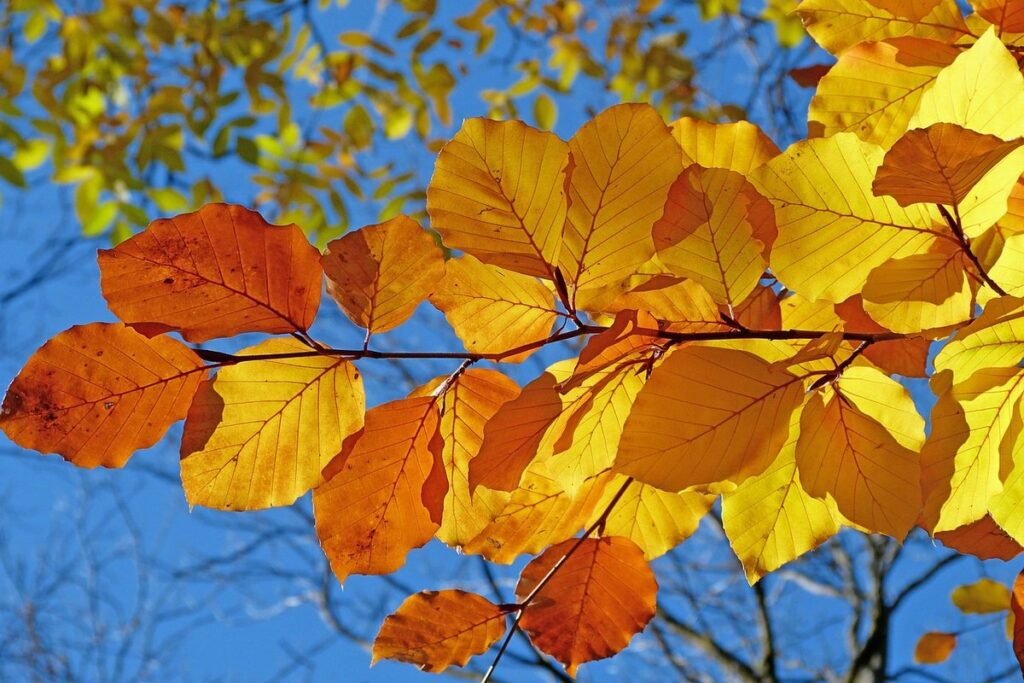
The Benefits and Characteristics of Yellow-Foliaged Perennials
Perennials with striking yellow foliage offer a vibrant pop of color, but they also come with unique benefits that make them perfect for various garden styles. In this section, we’ll explore their characteristics and advantages.
Why Choose Perennials with Yellow Foliage
When you’re looking to add some excitement to your garden beyond traditional green or flowering plants, perennials with yellow foliage are an excellent choice. These unique plants bring a variety of benefits that make them ideal for gardeners seeking something new and low-maintenance.
One of the main advantages of selecting perennials with yellow foliage is their year-round interest. Unlike annuals or flowers that bloom only during specific seasons, these perennials continue to provide visual appeal even when not in flower. For example, the Golden Ragwort (Packera aurea) has bright yellow leaves throughout spring and summer, adding a pop of color to your garden beds.
In addition to their unique appearance, perennials with yellow foliage are often low-maintenance, requiring less pruning and care compared to flowering plants. This makes them perfect for busy gardeners or those new to gardening. Some popular options include the Yellow Fountain Grass (Pennisetum setaceum ‘Rubrum’) and the Golden Japanese Forest Grass (Hakonechloa macra ‘Aureola’). These plants not only add a splash of yellow to your garden but also bring texture and movement with their delicate, feathery plumes.
Identifying Key Characteristics of Yellow-Foliaged Perennials
When selecting perennials with yellow foliage for your garden, it’s essential to understand their key characteristics. One of the most distinctive features is the leaf color itself – a range of hues from soft buttery yellows to vibrant golden tones. Some popular varieties even display intricate patterns or marbling on their leaves.
In addition to color, consider the texture and growth habits of these perennials. For example, the foliage of Yellow Fountain Grass (Pennisetum alopecuroides) is both delicate and feathery, while the leaves of Golden Yarrow (Achillea x lewisii) are coarser and more fern-like.
Understanding these characteristics can help you choose plants that thrive in specific conditions. If you’re looking for a low-maintenance option, opt for perennials with smaller growth habits or those that require minimal watering. Conversely, if your garden receives full sun, select varieties with more robust foliage to withstand the intense light and heat.
Tips for Selecting Healthy Yellow-Foliaged Perennials
When selecting healthy yellow-foliaged perennials, it’s essential to choose disease-free specimens from reputable nurseries or plant stores. To evaluate the quality of a plant, look for firm, vibrant leaves with no signs of wilting, discoloration, or pest damage. Inspect the roots and soil as well – ideally, the roots should be wrapped in burlap and not exposed to air.
When purchasing from a nursery or plant store, ask about the plant’s origin and growing conditions. This will help you understand its hardiness zone and adaptability to your local climate. Consider factors like sunlight, soil type, and moisture levels when selecting a perennial that fits your garden’s specific needs.
Proper planting techniques are also crucial for healthy growth. Make sure to plant at the correct depth, with the crown (where the stem meets the roots) above the soil level. Water thoroughly after planting and keep the soil consistently moist during the first growing season. This will give your new perennial a strong start and help it establish itself in its new environment.
Popular Types of Perennials with Yellow Foliage
Let’s explore some of the most stunning perennials that showcase vibrant yellow foliage, adding a pop of color to your garden year after year. We’ll highlight their unique characteristics and growth habits.
Golden Yarrow (Achillea filipendulina)
Golden yarrow (Achillea filipendulina) is a standout choice for gardeners seeking to add vibrant yellow foliage to their outdoor spaces. This perennial’s bright yellow leaves are a striking feature, creating a pop of color that complements a variety of garden styles. One of the unique aspects of golden yarrow is its ability to attract pollinators, such as butterflies and bees, which are drawn to its delicate white or pink flowers.
To incorporate golden yarrow into your garden, choose a spot with well-draining soil and full sun to partial shade. Plant the roots in early spring or fall, spacing them 18-24 inches apart. Water regularly during the first growing season, reducing moisture once established. Deadheading spent blooms will encourage continuous flowering and maintain the plant’s appearance.
To make the most of golden yarrow’s benefits, consider companion planting with herbs like rosemary or thyme, which share similar growing requirements and complement its fragrance. Prune back faded foliage in late winter to prevent scorching from early spring sun. By following these guidelines, you can enjoy the beautiful yellow foliage and pollinator-friendly blooms that golden yarrow has to offer.
Yellow Daylily (Hemerocallis spp.)
The yellow daylily (Hemerocallis spp.) is a popular and low-maintenance perennial that’s perfect for adding some sunshine to your garden. These clump-forming plants are known for their attractive, fragrant flowers that come in a variety of colors, including yellow, orange, red, and bi-colored varieties.
One of the best things about daylilies is their ability to thrive in challenging conditions. They can tolerate drought and poor soil conditions, making them an excellent choice for areas with low water supply or difficult soil types. Plus, they require minimal maintenance, as they don’t need regular pruning or deadheading.
But what really sets daylilies apart is their year-round interest. While the flowers are a highlight in mid-summer, the yellow foliage provides a beautiful backdrop of color throughout the growing season. In fact, many gardeners choose to plant daylilies around the base of other plants to create a stunning display of yellow and green hues.
By planting daylilies in your garden, you can enjoy year-round interest without breaking a sweat – a true win-win for busy gardeners!
Canna Lily (Canna x generalis)
The Canna Lily (Canna x generalis) is a tropical perennial that brings an unmistakable touch of elegance to gardens with its large, banana-like leaves. These leaves can display vibrant yellow stripes or solid colors, adding a pop of color and visual interest to any space. While it may seem like a contradiction for a plant with such warm-weather preferences to thrive in temperate climates, the Canna Lily has adapted surprisingly well.
In fact, its striking foliage makes it an ideal choice for gardeners looking to add some drama to their landscape. However, it’s essential to note that this beauty requires protection from frost. If you’re lucky enough to live in a region with mild winters or have a protected area, the Canna Lily can be grown outdoors year-round. In areas where frost is common, consider growing it in containers that can be moved indoors during winter months.
When choosing a Canna Lily for your garden, keep an eye out for varieties like ‘Tropicanna’ and ‘Phasion’, which boast stunning yellow foliage with red or orange undertones. With proper care and protection, this tropical perennial will thrive, bringing its signature vibrant hues to your garden and adding a unique touch to any landscape design.
Planting and Care Considerations for Yellow-Foliaged Perennials
When it comes to growing perennials with beautiful yellow foliage, proper planting and care techniques are crucial for success. Let’s dive into the specific considerations you need to keep in mind.
Soil and Moisture Requirements
When it comes to providing optimal conditions for perennials with yellow foliage, understanding their soil and moisture requirements is crucial. Yellow-foliaged perennials generally thrive in well-draining soils that are rich in organic matter.
A pH range of 6.0-7.0 is ideal for most yellow-foliaged perennials, although some species like the Golden Rod (Solidago spp.) can tolerate a slightly acidic to neutral soil pH. It’s also essential to consider drainage, as waterlogged soils can lead to root rot and other problems.
In terms of nutrient requirements, these perennials generally prefer a balanced fertilizer application, with an emphasis on nitrogen, phosphorus, and potassium (NPK) ratios. However, some species like the Yarrow (Achillea millefolium) have specific needs, requiring more calcium or magnesium to prevent deficiencies.
To ensure your yellow-foliaged perennials receive the right conditions, test your soil pH and adjust it if necessary. Add organic matter like compost or manure to improve drainage and fertility. Water your plants regularly, but avoid overwatering, which can lead to root rot and other issues. By providing the right soil and moisture conditions, you’ll be well on your way to growing vibrant, healthy perennials with stunning yellow foliage.
Sunlight and Exposure
When it comes to yellow-foliaged perennials, sunlight and exposure play a crucial role in their health and overall appearance. Different levels of sunlight can affect the plant’s ability to photosynthesize, which is essential for its growth and development.
Perennials that thrive in full sun (six hours or more of direct sunlight) include plants like Goldenrod (Solidago spp.) and Coreopsis (Coreopsis spp.). These plants will produce vibrant yellow foliage and flowers when given sufficient light. However, some yellow-foliaged perennials may not tolerate intense sunlight and may experience scorching or leaf drop.
Partial shade (four to six hours of indirect sunlight) is suitable for perennials like Hellebores (Helleborus spp.) and Ajuga (Ajuga reptans). These plants will still produce yellow foliage, but with less intensity. Deep shade (less than four hours of direct sunlight), on the other hand, may cause yellow-foliaged perennials to lose their color or become leggy.
Be cautious not to overexpose your yellow-foliaged perennials, as this can lead to scorched leaves and reduced flowering. Conversely, inadequate light levels can result in weak growth and reduced color intensity. Monitor your plant’s response to its environment and adjust the sunlight accordingly for optimal results.
Pest and Disease Management
When it comes to perennials with yellow foliage, pest and disease management is crucial to maintaining their health and vibrancy. As a gardener, you may encounter common pests like aphids, which feed on the sap of plants, causing curled or distorted leaves. Slugs and snails can also be problematic, especially at night when they’re most active.
Diseases such as leaf spot, caused by fungi like Cercospora, can spread quickly through water splash or wind-borne spores. Integrated pest management techniques, which combine physical, cultural, and chemical controls, are essential for preventing these issues.
To manage pests effectively, consider using natural predators like ladybugs or lacewings to control aphid populations. Remove weeds that attract slugs and snails from your garden, and avoid overwatering, which can lead to fungal diseases. Regularly inspect your plants for signs of pest or disease damage and take action promptly. By adopting these cultural practices and integrated pest management techniques, you’ll be well on your way to maintaining the health and beauty of your perennials with yellow foliage.
Designing a Garden with Yellow-Foliaged Perennials
Let’s talk design! In this next part of our guide, we’ll show you how to create stunning garden landscapes with perennials boasting vibrant yellow foliage.
Creating a Focal Point with Bright Yellow Leaves
When working with perennials that feature bright yellow leaves as a focal point in your garden, strategic placement is key to creating visual interest and drama. Consider situating these plants towards the back of your border or towards a corner, allowing their vibrant foliage to draw the eye and create a sense of depth.
Combining perennials with yellow foliage with other plants that provide contrast in terms of texture, color, or size can help create a visually appealing arrangement. For example, pairing golden-leaved ‘Aureum’ sedum with wispy blue fescue grass creates an intriguing juxtaposition of shapes and hues.
To amplify the impact of your yellow-foliaged perennials as focal points, consider incorporating plants that provide a neutral background or subtle contrast. For instance, a group of variegated hostas can provide a soothing backdrop for the bold, sunny color of ‘Banana Split’ hellebores.
Mixing Yellow-Foliaged Perennials with Other Plants
Combining perennials with yellow leaves with other plants can create visually appealing layered textures and colors. For instance, pairing a bright yellow-leaved perennial like Coreopsis with tall grasses like Pennisetum or Panicum adds movement and depth to the garden bed. Similarly, incorporating shrubs with subtle foliage patterns can provide a beautiful contrast to the vibrant yellow perennials.
When balancing bright yellow foliage with more subdued elements, consider the 60-30-10 rule: allocate 60% of the space to neutral-colored plants like grasses or shrubs, 30% to secondary focal points like flowering perennials, and 10% to statement pieces featuring bold foliage colors. This balanced approach ensures that the eye is drawn to the yellow-leaved perennials without overwhelming the senses.
Remember to select companion plants with varying growth habits and textures to create visual interest. For example, interplanting a low-growing yellow-leaved perennial like Creeping Thyme (Thymus serpyllum) with taller grasses or shrubs creates a dynamic layered effect. By thoughtfully combining perennials with yellow leaves with other plants, you can craft a garden that’s both beautiful and engaging to explore.
Seasonal Interest and Year-Round Beauty
To ensure that perennials with yellow foliage continue to provide interest throughout the seasons, consider incorporating companion plants and flowers that will bloom during periods of dormancy. For instance, a late-blooming perennial like Sedum or Aconitum can add a pop of color when surrounding plants are less vibrant. These “filler” plants not only attract pollinators but also draw attention away from bare spots in the garden.
During winter months, evergreen perennials with yellow foliage, such as Hellebores or Winter-flowering Heuchera, can provide a much-needed splash of color. Additionally, incorporating ornamental grasses like Pampas Grass or Blue Oat Grass can add texture and visual interest even when other plants are dormant.
To make the most of your perennials’ year-round beauty, don’t be afraid to experiment with layering different textures and heights in your garden design. By combining yellow-foliaged perennials with companion plants that bloom at various times, you’ll create a dynamic and engaging space that provides interest even during periods of dormancy or less vibrant foliage.
Conclusion: The Versatility and Appeal of Yellow-Foliaged Perennials
As we’ve explored the world of perennials with yellow foliage, it’s time to sum up their unique appeal and versatility in your garden design. Let’s discuss why these plants stand out from the crowd.
Recap of Key Takeaways
In conclusion, perennials with yellow foliage have proven to be a versatile and attractive addition to gardens. These plants bring unique beauty and interest to outdoor spaces, offering a range of benefits that go beyond their striking appearance. One key takeaway from this guide is the diverse selection of perennials available with yellow foliage, each offering distinct characteristics and growth habits.
Consider incorporating plants like Goldenrod (Solidago) or Yellow Coneflower (Rudbeckia hirta) into your garden design to add a pop of color and texture. These low-maintenance options are perfect for busy gardeners or those new to gardening. For more experienced gardeners, perennials like Lemon Balm (Melissa officinalis) or Citronella Grass (Cymbopogon nardus) can be used to create a fragrant and visually appealing border.
By incorporating perennials with yellow foliage into your garden design, you’ll not only add visual interest but also attract pollinators like bees and butterflies. With proper care and maintenance, these plants will thrive year after year, providing a beautiful and sustainable solution for your outdoor space.
Encouragement for Further Exploration and Experimentation
As you’ve explored the wonderful world of perennials with yellow foliage, we hope you’re itching to dive even deeper. There’s no limit to the possibilities when it comes to combining these beautiful plants, and we encourage you to experiment with new pairings to create a one-of-a-kind landscape.
Try pairing the bright, chartreuse leaves of ‘Golden Fleece’ Stachys with the soft pink flowers of ‘Bloomerang’ Lilac for a unique spring display. Or, contrast the golden yellow foliage of ‘Aurea’ Bergenia with the deep blue spikes of ‘Blue Fountain’ Delphinium for a striking summer combo.
Don’t be afraid to get creative and try new care techniques either – you might find that your perennials respond better to dry soil or full sun than you expected. And, if you’re feeling adventurous, take on the challenge of propagating your favorite yellow-foliaged perennial from seed or division.
By continuing to explore and experiment with perennials featuring yellow foliage, you’ll not only deepen your knowledge but also create a truly unique and beautiful garden that showcases your personal style.
Frequently Asked Questions
Can I grow perennials with yellow foliage in containers?
Yes, many perennials with yellow foliage can thrive in containers, provided they receive sufficient sunlight and have well-draining soil. When selecting a container-grown perennial, choose a plant that’s compact or dwarf-sized to prevent it from becoming too large for its pot.
How do I care for perennials with yellow foliage during the winter?
Perennials with yellow foliage typically require less maintenance during winter, but it’s still essential to provide protection from extreme cold and moisture. Apply a layer of mulch or straw around the base of the plants to retain moisture and regulate soil temperature.
Can I plant perennials with yellow foliage in areas with poor soil?
While some perennials with yellow foliage are more tolerant of poor soil, it’s still crucial to improve the soil structure before planting. Add organic matter like compost or well-rotted manure to enhance drainage and fertility. This will help your perennial thrive and minimize potential issues.
Are there any specific considerations for growing perennials with yellow foliage in areas with high humidity?
In humid climates, perennials with yellow foliage may be more susceptible to fungal diseases. Ensure good air circulation around the plants by spacing them adequately, and avoid overwatering. Regularly inspect your plants for signs of disease, and treat promptly if necessary.
Can I combine perennials with yellow foliage with other colorful plants in a single bed?
Absolutely! Mixing perennials with yellow foliage with other flowering or foliage plants can create stunning visual interest and diversity. Select complementary colors and textures to create a cohesive look, and consider the mature size of each plant to ensure balanced growth.