
Perennials have always been a favorite among gardeners, not just for their beauty but also for their hardiness. But did you know that some perennials boast seeds with shapes as unique as they are fascinating? From teardrop to winged seeds, nature’s diversity is on full display in these remarkable plants. Whether you’re a seasoned gardener or just starting out, understanding the characteristics of perennials with unusual seed shapes can help you grow them more effectively. In this article, we’ll delve into the world of perennials with unique-shaped seeds, exploring what makes them special and how to cultivate them in your own garden. Get ready to discover the wonders of nature’s diversity and learn how to bring these remarkable plants to life in your outdoor space.
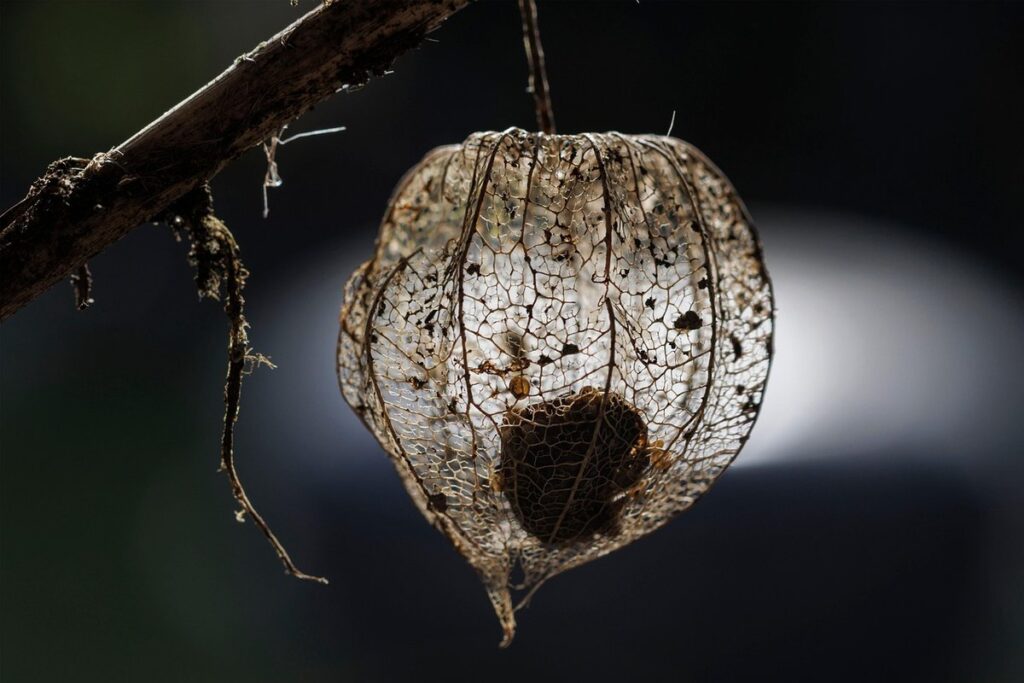
Understanding Perennial Plants and Their Seed Shapes
Let’s take a closer look at how perennial plants produce seeds, including some fascinating examples of unique seed shapes you might not know about.
What are Perennial Plants?
Perennial plants are a gardener’s delight, providing beauty and functionality to gardens year after year. These long-lived plants grow and bloom repeatedly, often requiring less maintenance than their annual counterparts. Unlike annuals, perennials don’t need to be replanted every season, making them an excellent choice for gardeners who want to establish low-maintenance gardens.
Perennial plants typically grow from roots or underground stems called rhizomes or tubers. They spend the winter months dormant, then emerge in spring when temperatures rise. This unique growth cycle allows perennials to conserve energy and resources, reducing the need for frequent watering and fertilization. Some popular examples of perennials include coneflowers, black-eyed Susans, and hostas.
One of the significant benefits of perennials is their adaptability. They can be grown in a variety of conditions, from full sun to partial shade, making them suitable for most gardens. With proper care, perennials can thrive for many years, providing a stunning display of color and texture that changes with each season.
Importance of Seeds in Plant Reproduction
Seeds play a vital role in plant reproduction, serving as the primary means of dispersal and propagation for most perennial species. Without seeds, these plants would be unable to spread and thrive, limiting their ability to adapt to changing environments. Unique seed shapes, too, hold significant importance, often reflecting specific adaptations that enhance their survival chances.
For instance, consider the prickly pear cactus (Opuntia spp.), which produces spherical seeds with a waxy coating allowing them to survive in arid conditions for extended periods. Similarly, the milkweed plant (Asclepias spp.) disperses flat, parachute-like seeds that can travel great distances on wind currents.
When cultivating perennials with unique seed shapes, it’s essential to understand their specific requirements. This may involve providing suitable habitats or mimicking natural environmental factors that encourage seed production and dispersal. By doing so, you’ll be able to appreciate the intricate mechanisms at play in nature and perhaps even develop innovative strategies for preserving these remarkable plants.
Characteristics of Unique-Shaped Seeds
When exploring the world of perennials with unique shaped seeds, you’ll discover an array of fascinating forms that add to the plant’s natural beauty. One common type is teardrop-shaped seeds, found in plants like the Hesperis matronalis, also known as dame’s rocket. These seeds are typically narrow at one end and wider at the other, often resembling a droplet or a tear.
Other perennials feature winged seeds, such as those from the Astragalus plant family. The wings on these seeds serve as parachutes, enabling them to disperse more effectively in the wind. Spherical-shaped seeds are also prevalent among perennials, including the globe mallow (Sidalcea glauca). These spherical seeds often lack a clear wing or teardrop shape but still display unique characteristics.
When identifying unique-shaped seeds in your garden or while foraging, take note of their overall appearance and how they compare to other seed types. This will help you better understand the specific needs of these plants and aid in their cultivation.
Examples of Perennials with Unusual Seed Shapes
Let’s take a closer look at some perennials that produce seeds shaped like globes, stars, and even tiny balls of cotton. These fascinating shapes will give you a new appreciation for nature’s diversity.
Teardrop-Shaped Seeds: Plants Like Bee Balm and Catmint
When it comes to teardrop-shaped seeds, two popular perennials that stand out are Bee Balm (Monarda didyma) and Catmint (Nepeta x faassenii). Both of these plants produce distinctive seeds that resemble tiny drops of water.
Bee Balm is a clump-forming perennial with tall spikes of red, pink, or purple flowers that attract pollinators to your garden. Its leaves are minty-scented and can be used in teas and salads. Bee Balm prefers well-draining soil and full sun to partial shade. To encourage seed production, allow the flowers to go to seed after blooming, and then cut back the stems to about 3-4 inches from the ground.
Catmint is a low-maintenance perennial with gray-green foliage and spikes of blue or white flowers that attract hummingbirds and bees. It can tolerate dry spells but performs best in well-draining soil and full sun. Like Bee Balm, Catmint produces teardrop-shaped seeds after blooming. To collect seed from either plant, simply wait for the seeds to mature and dry on the stem before harvesting them.
Both of these plants are great additions to a pollinator-friendly garden or meadow, and their unique seed shapes add an extra layer of interest to your landscape.
Winged Seeds: Features of Plants like Dill and Angelica
Winged seeds, characterized by their flat, wing-like extensions, can be found on plants like dill and angelica. These unique seed shapes serve as a means of dispersal, allowing the wind to carry them away from the parent plant.
To cultivate plants with winged seeds, you’ll want to consider the specific growing requirements for each species. Dill, for instance, prefers well-drained soil and full sun, while angelica thrives in moist, fertile conditions and partial shade. Be sure to research the individual needs of your chosen plant to ensure optimal growth.
In terms of uses, dill is a popular herb used in cooking and as a natural pest repellent, whereas angelica’s roots are valued for their medicinal properties. When harvesting winged seeds, avoid damaging the delicate extensions, as this can compromise their ability to disperse effectively.
When incorporating plants with winged seeds into your garden, consider their unique growth habits and space requirements. Dill and angelica often grow quite tall, so be sure to provide adequate support or prune them regularly to maintain a desired height.
Spherical Seeds: Characteristics of Plants Like Coneflower and Black-Eyed Susan
When it comes to perennials with unique shaped seeds, spherical seeds are a fascinating category. Two excellent examples of plants that produce spherical seeds are coneflower and black-eyed Susan.
Coneflower (Echinacea spp.) is a drought-tolerant perennial that thrives in full sun and well-drained soil. Its large, showy flowers bloom from mid-summer to fall, providing a dramatic display of color in the garden. Coneflowers produce spherical seeds, often referred to as “cotton-like” seed heads, which mature in late summer.
Black-eyed Susan (Rudbeckia hirta), on the other hand, is a low-maintenance perennial that tolerates dry conditions and requires minimal care. Its bright yellow petals with dark centers bloom from mid-summer to fall, attracting butterflies and bees to the garden. Like coneflower, black-eyed Susan produces spherical seeds in late summer.
If you’re interested in incorporating these plants into your garden, consider their specific growth habits and care needs. Both coneflowers and black-eyed Susans prefer well-drained soil and full sun, making them ideal for prairies or meadow gardens.
Growing Perennials for Unique Seed Shapes
When cultivating perennials, growing unique seed shapes can be a fascinating experience, offering insights into each plant’s genetic makeup and adaptation.
Let’s explore some popular perennials that produce unusual seeds, from elongated to winged varieties.
Tips for Propagating Perennials with Unusual Seeds
When it comes to propagating perennials with unusual seeds, a little creativity and care can go a long way. Since these plants often have unique seed shapes, standard propagation methods might not be effective. Here are some tailored techniques to help you successfully propagate perennials with unusual seeds:
For division, choose healthy, mature plants with at least two or three growth nodes. Gently dig around the plant, then carefully separate the roots using a sharp knife or spade. Make sure each section has its own set of leaves and roots for optimal growth. This method works well for perennials like coneflowers (Echinacea spp.) and black-eyed susans (Rudbeckia hirta).
When collecting seeds, consider the unique shape and size of your plant’s seeds. For example, if you have a perennial with long, thin seeds like globe thistle (Echinops ritro), sow them directly on the surface of a seed starting mix or compost. Press them gently into place to ensure good contact with the growing medium.
For sowing unusual seeds, consider using a shallow tray filled with moistened peat moss or coconut coir. Place the seeds on the surface and cover with a thin layer of material, taking care not to bury them too deeply. Water carefully but thoroughly, then provide indirect light and maintain consistent temperatures between 65-75°F (18-24°C) until germination.
Some perennials with unusual seeds also require specific sowing techniques. For example, if you have a perennial like the prickly poppy (Argemone mexicana), which produces large, flat seeds, sow them just below the surface of the growing medium in late winter or early spring.
Environmental Factors Affecting Seed Shape Diversity
Environmental factors play a significant role in shaping the diversity of seed shapes in perennial plants. Climate is one crucial factor that influences seed development. For instance, plants growing in arid regions often produce seeds with thick, waxy coatings to conserve water, such as the desert succulent’s large, plump seeds. On the other hand, plants adapted to humid environments tend to have smaller, thinner seeds that are better suited for dispersal.
Soil type is another vital factor affecting seed shape diversity. Plants growing in nutrient-poor soils often produce larger seeds with more pronounced features, such as the yucca’s large, fleshy seeds. This adaptation allows them to produce more seeds and increase their chances of survival. Similarly, plants adapted to specific soil types, like sandy or clayey soils, develop unique seed shapes that aid in their dispersal.
Water availability also significantly impacts seed shape diversity. Plants growing in areas with seasonal droughts often produce seeds with specialized features for water storage, such as the lotus’s large, tuberous seeds. Conversely, plants adapted to consistently moist environments tend to have smaller, more delicate seeds.
Cultural Significance of Unique-Shaped Seeds
Let’s explore how these unusual seeds have been imbued with cultural significance, from ancient rituals to modern-day art forms. We’ll delve into their symbolism and importance across various societies worldwide.
Traditional Uses of Perennials with Unusual Seeds
In various cultures around the world, perennials with unique-shaped seeds have been treasured for their medicinal, culinary, and ornamental properties. For instance, the Yucca plant’s large, bean-like seeds are a staple in many Native American communities, used to create soap, shampoo, and even textiles. In Africa, the Baobab tree‘s large, egg-shaped seeds are consumed as a nutritious snack, providing essential vitamins and minerals.
In traditional Chinese medicine, perennials like Angelica sinensis, with its unique seed pods, have been used for centuries to treat a range of ailments, from digestive issues to menstrual cramps. Meanwhile, in India, the ornamental value of perennials like the lotus flower, with its delicate, egg-shaped seeds, has been celebrated in art and architecture for centuries.
These examples illustrate the significance of perennials with unique-shaped seeds across cultures and continents. By cultivating and utilizing these plants, we not only appreciate their beauty but also tap into their rich history and cultural heritage.
Symbolism and Meaning Behind Unique Seed Shapes
Unique seed shapes often carry symbolic meanings that are deeply rooted in various cultures and traditions. For instance, in many Asian societies, seeds with unique shapes are believed to possess spiritual significance, representing the interconnectedness of life and the cycles of nature. The irregular shape of these seeds is thought to symbolize the imperfections of human existence, reminding us of our place within the natural world.
In some African cultures, unique seed shapes are associated with fertility and abundance. The irregularities in the seed’s form are believed to reflect the diversity and complexity of life itself. By planting and nurturing these seeds, individuals can tap into the symbolic power of fertility and abundance.
As you explore perennials with unique shaped seeds, take note of the cultural context surrounding their significance. Be respectful of these traditions and consider how they may influence your own relationship with nature. Whether you’re growing a rare seed variety for its ornamental value or seeking to tap into its symbolic meaning, remember that every seed has a story to tell.
Frequently Asked Questions
How can I use the knowledge of unique-shaped seeds to improve my perennial plant collection?
Using this knowledge, you can select perennials that produce seeds with shapes that are more attractive or easier to propagate, such as teardrop-shaped seeds on plants like bee balm and catmint. This will allow you to create a diverse and visually appealing garden while also taking advantage of the natural advantages offered by these unique seed shapes.
Can any perennial plant be grown for its unusual seed shape?
While many perennials produce fascinating seeds, not all are well-suited for propagation or growth in specific climates. For example, winged seeds on plants like dill and angelica require specific conditions to germinate successfully. Research the specific needs of the perennial you’re interested in growing to ensure success.
How do environmental factors affect the diversity of unique seed shapes?
Environmental factors such as temperature, moisture, and light can influence the development of seed shape in perennials. For example, certain plants may produce more teardrop-shaped seeds in warmer climates or winged seeds in areas with higher humidity. Understanding these factors will help you grow a diverse range of perennials.
Can I use unique-shaped seeds for propagation purposes?
Yes, many perennials can be propagated using their unusual seeds. This is especially true for plants like coneflower and black-eyed Susan, which produce spherical seeds that are easy to handle and sow. However, some perennials may require more specialized techniques or equipment.
Are there any cultural or symbolic significance associated with unique seed shapes?
Yes, in many cultures, the shape of a plant’s seeds holds spiritual or symbolic meaning. For example, winged seeds on plants like dill and angelica are sometimes seen as a symbol of protection or good fortune. Understanding these cultural associations can add another layer of depth to your appreciation for perennials with unique seed shapes.