
Perennials are a gardener’s best friend, providing beauty and structure to outdoor spaces year after year. But did you know that some perennials boast stunning green flowers that add an extra layer of interest and texture to your garden? These unique blooms can be just as striking as their colorful counterparts, yet often get overlooked. Whether you’re a seasoned horticulturist or a newbie gardener, incorporating perennials with green flowers into your landscape is easier than you think. In this article, we’ll delve into the world of these beautiful blooms, covering their characteristics, care requirements, and common issues to watch out for. From selecting the right plants to troubleshooting common problems, get expert advice on how to grow and maintain healthy perennials with green flowers in your garden.
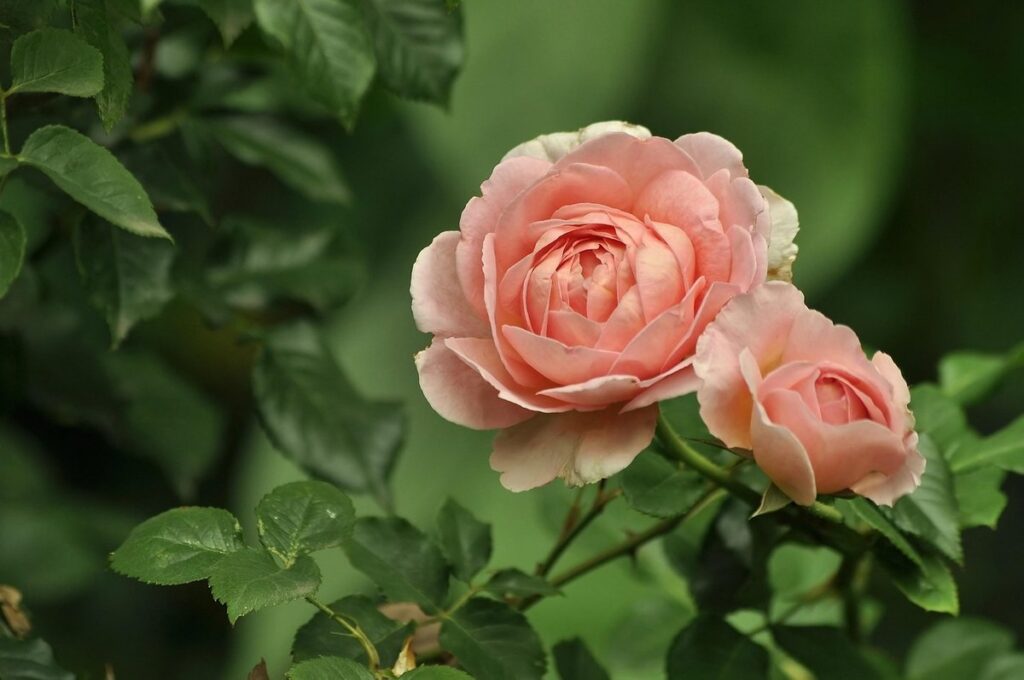
Understanding Perennial Green Flowers
Let’s take a closer look at some of the most beautiful and unique perennials that boast stunning green flowers. We’ll explore their characteristics and growth habits in more detail below.
What Are Perennial Green Flowers?
Perennial green flowers are a type of flowering plant that blooms year after year. They differ from annuals, which complete their life cycle within a single growing season and must be replanted every year. Perennials with green flowers are popular among gardeners due to their low-maintenance requirements and ability to thrive in a variety of conditions.
These plants typically grow from underground rhizomes or tubers, which store energy and allow the plant to regrow new stems and foliage each season. This adaptability enables them to survive harsh weather conditions and even withstand some level of frost. As a result, they often form beautiful clumps or colonies over time, adding visual interest to gardens.
Some popular examples of perennials with green flowers include the Hellebore, Camellia, and Green-Formed Phlox. When selecting perennial green flowers for your garden, consider factors such as light requirements, soil type, and desired bloom color. With proper care and placement, these plants can provide a stunning display of green blooms that attract pollinators and add to the aesthetic appeal of your outdoor space.
Characteristics of Green-Flowering Perennials
When it comes to perennials with green flowers, you’ll notice that their foliage and growth habits are quite distinct from those of traditional flowering plants. For one, many green-flowering perennials have delicate, lacy foliage that adds an extra layer of visual interest to the garden. Take, for instance, the ornamental grasses like Pampas Grass (Cortaderia selloana) or Fescue Grass (Festuca glauca). These grasses not only produce vibrant green flowers but also display stunning plumes and foliage textures that sway gently in the breeze.
Another characteristic of green-flowering perennials is their growth habits. Many, like sedges and rushes, have clumping or spreading habits that allow them to fill in gaps in the garden. This makes them perfect for mass planting or naturalizing in areas where you want a lush, low-maintenance groundcover. For example, Carex comans ‘Frosted Curls’ is a popular sedge with beautiful green flowers and frosted, curly foliage.
In terms of blooming periods, green-flowering perennials often provide interest during the spring and summer months when many traditional flowering plants are dormant. This makes them an excellent choice for gardeners who want year-round color and texture in their gardens. By incorporating these unique characteristics into your garden design, you can create a stunning display of green flowers that will be the envy of your neighbors!
Choosing the Right Green-Flowering Perennial
When selecting perennials with green flowers, it’s essential to consider factors such as bloom time, growth habits, and maintenance requirements to ensure a thriving garden. This section will guide you through these key considerations.
Selecting Perennials for Your Climate
When selecting perennials for your garden, it’s essential to consider the specific climate and region you live in. The hardiness zone of a perennial refers to its ability to withstand cold temperatures, with zones ranging from 1 (extremely cold) to 12 (mild). To ensure your green-flowering perennials thrive, choose varieties that are suitable for your hardiness zone.
Consider the sunlight requirements for each perennial as well. Some green-flowering plants prefer full sun (at least six hours of direct sunlight), while others prefer partial shade or even deep shade. Think about the orientation of your garden and how it will receive sunlight throughout the day. For example, a south-facing wall can provide intense sunlight, whereas an east- or west-facing bed may require more shade-loving plants.
Lastly, think about the soil type in your garden. Different perennials have varying requirements for soil pH and moisture levels. Make sure to research the specific needs of each plant and choose varieties that will thrive in your local soil conditions.
Factors Affecting Green-Flowering Perennial Growth
When it comes to green-flowering perennials, their growth and health are significantly influenced by various factors. One of the most critical considerations is watering practices. Overwatering can lead to root rot and kill your perennial, while underwatering will result in poor blooming and weak foliage. Aim for about 1-2 inches of water per week, either from rainfall or irrigation.
Another essential factor is fertilization. Perennials with green flowers require a balanced diet of nutrients to produce vibrant blooms and lush foliage. Feed them with a slow-release fertilizer during the growing season (spring-fall) to provide a steady supply of nutrients. You can also side-dress with a high-phosphorus fertilizer to promote blooming.
Pruning practices are equally important for green-flowering perennials. Regular deadheading will encourage more blooms and prevent seed production, while pruning back spent flowers by about one-third can stimulate new growth. Consider pruning in late winter or early spring before new growth begins to maintain your perennial’s shape and promote healthy growth.
Popular Green-Flowering Perennials
When it comes to adding a pop of green to your garden, there are some incredible perennials that fit the bill perfectly. Let’s take a look at some of our favorite popular options.
Top Picks for Different Regions
If you’re looking to add some unique green-flowering perennials to your garden, it’s essential to choose varieties that thrive in your specific region and climate. For example, if you live in the hot and dry Southwest, consider planting Agave or Yucca, both of which are drought-tolerant and low-maintenance. These plants come in a range of sizes and shapes, from compact shrubs to towering stalks, and produce striking green flowers that attract pollinators.
For gardeners in cooler climates like the Pacific Northwest, consider planting Hellebores or Hostas. These perennials are known for their elegant, nodding bell-shaped flowers that bloom in late winter and early spring, adding a pop of color to your garden when little else is blooming. If you live in a humid region like the Southeast, look into planting green-flowering varieties of Salvia or Phlox, which are heat-tolerant and attract butterflies and hummingbirds.
When selecting perennials for your specific climate, make sure to check their hardiness zone and growth requirements. This will ensure that your new plants thrive in their environment and provide years of beauty and interest in your garden.
Unconventional Uses for Green-Flowering Perennials
Green-flowering perennials are often prized for their vibrant blooms, but they also offer a world of creative possibilities beyond traditional garden arrangements. Consider using these plants as groundcovers to smother weeds and add texture to large areas of the yard. For example, creeping thyme (Thymus serpyllum) forms a dense mat of tiny green flowers that can be walked on and is perfect for filling in between pavers or stones.
Alternatively, use green-flowering perennials as hedges to create a natural screen or divider. The foliage of plants like boxwood (Buxus sempervirens) and Irish moss (Sagina subulata) provides a dense, evergreen backdrop that can be pruned to maintain shape. When used in borders, green-flowering perennials add depth and interest year-round, even when not in bloom. For instance, the silvery-green foliage of lamb’s ear (Stachys byzantina) creates a beautiful contrast with darker-colored flowers or foliage.
By thinking outside the box, you can unlock the full potential of your green-flowering perennials and create unique, eye-catching garden displays that showcase their beauty all year long.
Designing with Green-Flowering Perennials
When designing with green-flowering perennials, consider their varying shades of foliage and blooms to create a cohesive, visually appealing garden look. Balance bright greens with deep, rich tones for added depth.
Creating a Focal Point
When designing with green-flowering perennials as focal points, it’s essential to consider their unique characteristics and how they can be effectively used to draw the eye through a garden bed. To create a striking display, group several plants together in odd numbers to add visual interest and depth. For example, combine a vibrant green-leafed ‘Greenlee’ succulent with a few stalks of the elegant green-flowering ‘Astilbe’ for a dramatic effect.
Consider layering these plants by placing taller varieties towards the back of the bed and shorter ones in front. This will create a sense of movement and add visual balance to the space. To balance out the garden, be sure to include some complementary foliage or flowers that won’t compete with the green blooms. For instance, pair ‘Greenlee’ succulents with some purple-tinged grasses for a beautiful contrast.
Remember, when working with bold green flowers, less can be more – allow them to take center stage and add a few carefully placed accents to enhance their beauty.
Incorporating Green-Flowering Perennials into Existing Gardens
When incorporating green-flowering perennials into existing gardens, it’s essential to consider the ecosystem and avoid disrupting it. One strategy is to start by selecting plants that complement the existing foliage and bloom times of nearby flowers. This will help maintain a balanced and harmonious environment.
Begin by choosing a few key green-flowering perennial species to introduce, such as Astilbe, Hellebores, or Rodgersia. These plants tend to have moderate growth habits and won’t overwhelm smaller or more delicate perennials in the garden.
When introducing new plants, start with a small grouping of 3-5 stems near the perimeter of the existing bed. This will allow for easy assessment and adjustment as needed without over-saturating the area. Water thoroughly upon planting, and provide consistent moisture until established.
As your green-flowering perennials mature, observe their growth habits and adjust plant placement accordingly to maintain a balanced and visually appealing arrangement. By introducing new plants gradually and thoughtfully, you can create a lush tapestry of color and texture in your existing garden bed without disrupting its delicate ecosystem.
Maintenance and Care of Green-Flowering Perennials
Now that you’ve learned how to choose, plant, and enjoy your green-flowering perennials, let’s dive into some essential maintenance tips to keep them thriving in your garden. Proper care will ensure they come back year after year.
Watering and Fertilization Best Practices
When it comes to watering and fertilizing perennials with green flowers, it’s essential to strike the right balance. Overwatering is a common mistake that can lead to root rot and other issues, while underwatering can cause stress to the plant.
For optimal results, water your green-flowering perennials when the top inch of soil feels dry to the touch. Avoid getting water on the leaves or flowers to prevent fungal diseases from taking hold. During hot summer months, you may need to water more frequently, but be cautious not to overdo it.
As for fertilization, a balanced fertilizer (10-10-10) applied in early spring and again after blooming will provide your perennials with the necessary nutrients. You can also use a fertilizer specifically formulated for perennials or green flowers. Be sure to follow the instructions carefully and avoid overfertilizing.
Some common pests that affect green-flowering perennials include aphids, spider mites, and slugs. Regularly inspect your plants and take action immediately if you spot any of these pests. For diseases like powdery mildew or leaf spot, remove infected leaves and treat the plant with a fungicide according to the manufacturer’s instructions.
By following these watering and fertilization best practices, you’ll be well on your way to growing healthy and thriving perennials with beautiful green flowers.
Pruning and Deadheading Techniques
When it comes to maintaining healthy, blooming green-flowering perennials, pruning and deadheading are crucial techniques that can make a significant difference. Pruning involves cutting back or trimming plants to control their size, promote new growth, and encourage more blooms.
Deadheading is the process of removing spent flowers, which helps direct the plant’s energy towards producing new flowers instead of seed production. For green-flowering perennials like Astilbe, Euphorbia, and Rodgersia, deadheading can be done by simply snipping off the faded flower heads with a pair of scissors or pruning shears.
Here are some step-by-step instructions for pruning and deadheading green-flowering perennials:
* Cut back stems to about 3-4 inches from the ground in late winter or early spring to promote new growth.
* Remove any dead or damaged leaves or stems throughout the growing season.
* Deadhead spent flowers as soon as they fade to encourage more blooms.
* For taller perennials like Rodgersia, cut back flower spikes to about half their height after blooming.
By following these simple steps and pruning and deadheading your green-flowering perennials regularly, you can enjoy a bountiful display of blooms all season long. Remember to always prune in the correct direction, usually towards the outside or top of the plant, to maintain its natural shape.
Troubleshooting Common Issues with Green-Flowering Perennials
If you’re experiencing problems with your green-flowering perennials, don’t worry – we’ve got some common issues and solutions right here to get you back on track. Let’s tackle these pesky problems together!
Identifying Pests and Diseases
Identifying pests and diseases on your green-flowering perennials is crucial to maintaining their health. Some common pests include aphids, spider mites, and scale insects. These tiny creatures can be difficult to spot, but look for signs like curled or distorted leaves, sticky honeydew droplets, or actual insects visible on the plant.
Diseases such as powdery mildew, leaf spot, and root rot are also prevalent among green-flowering perennials. Powdery mildew appears as a white, powdery coating on leaves, while leaf spot causes small, circular lesions that can be tan or black in color. Root rot is often indicated by yellowing or wilting leaves.
To control pests and diseases, inspect your plants regularly for signs of infestation or infection. Use neem oil or insecticidal soap to treat aphids and other soft-bodied insects. For fungal diseases like powdery mildew and leaf spot, apply a fungicide specifically labeled for use on perennials with green flowers. Prune affected areas to prevent the spread of disease.
In addition to chemical controls, adopt integrated pest management (IPM) strategies that incorporate cultural practices like good sanitation, watering, and fertilization habits. By recognizing early signs of trouble and taking prompt action, you can prevent minor issues from becoming major problems.
Addressing Environmental Stressors
When it comes to green-flowering perennials, environmental stressors can significantly impact their growth and overall health. Extreme weather conditions such as intense heatwaves or frosty temperatures can cause leaves to turn yellow or brown, leading to a reduction in flowering production.
Soil conditions also play a crucial role in the growth of these plants. Poor drainage, nutrient deficiencies, or pH imbalances can all affect the plant’s ability to absorb essential nutrients and water, resulting in weakened stems and reduced flowering. For example, if your perennial prefers well-draining soil but is planted in an area with heavy clay, it may develop root rot and be more susceptible to pests and diseases.
To mitigate these effects and create a resilient garden ecosystem, focus on providing the right growing conditions for your green-flowering perennials. Make sure to plant them in areas that receive suitable sunlight and water levels, and incorporate organic matter into the soil to improve drainage and fertility. Regularly monitor pH levels and nutrient availability by conducting simple tests or consulting with local nurseries.
Conclusion: Making the Most of Perennials with Green Flowers
Now that you’ve discovered the beauty of perennials with green flowers, it’s time to make the most of these stunning plants in your garden. To do so, consider their unique characteristics and requirements. For instance, some perennials like hostas and cannas can thrive in shaded areas, making them perfect for adding a pop of color to those often-neglected spaces. Others, such as daylilies and coneflowers, prefer full sun and well-draining soil.
By selecting the right perennial with green flowers for your specific garden conditions, you’ll be able to enjoy their beauty year after year. Remember to also mix them with other perennials that bloom at different times to create a dynamic display of color throughout the growing season. With a little planning and creativity, your garden will become a vibrant tapestry of texture and hue.
Frequently Asked Questions
Can I grow perennials with green flowers in containers?
Yes, you can successfully grow perennials with green flowers in containers, provided you choose a container that’s at least 6-8 inches deep to accommodate the plant’s root system. Make sure the container has good drainage holes and use a well-draining potting mix. Keep in mind that perennials may need more frequent watering in containers than in the ground.
How do I prevent pests and diseases from affecting my green-flowering perennials?
Regularly inspect your plants for signs of pests or diseases, such as yellowing leaves or white powdery patches. Use organic pest control methods whenever possible, like introducing beneficial insects or using neem oil. Practice good garden hygiene by removing weeds and debris, and water at the base to prevent overwatering.
Can I divide green-flowering perennials in the spring?
Yes, many green-flowering perennials can be divided in the spring when new growth begins. This will help control their spread and encourage healthy growth. For best results, wait until the plant has finished blooming and then carefully dig up the entire root system.
How do I determine which green-flowering perennial is best for my specific climate?
Consider factors like temperature, moisture levels, and sunlight exposure when selecting a green-flowering perennial for your garden. Research the specific needs of each plant and choose one that’s well-suited to your region. For example, plants from warmer climates may not thrive in areas with frost.
Can I use perennials with green flowers as groundcover or erosion control?
Yes, many green-flowering perennials can be used as groundcover or for erosion control due to their spreading habits and deep root systems. Plants like Sedum and Vinca minor are popular choices for these purposes and can thrive in areas with poor soil and full sun to partial shade conditions.