
Are you tired of the same old garden routine? Want to add some subtle sophistication to your outdoor space without sacrificing visual interest? Fine textured perennials are just the thing! These delicate delights bring an understated elegance to any garden, with slender stems and refined foliage that’s simply irresistible. Whether you’re a seasoned gardener or just starting out, incorporating fine textured perennials into your landscape is easier than you think. In this article, we’ll explore how to select, care for, and propagate these charming plants, ensuring year-round garden interest and beauty. From selection techniques to propagation methods, we’ll cover everything you need to know to bring fine textured perennials into your life – so let’s dive in!
What are Fine Textured Perennials?
If you’re new to fine textured perennials, let’s start at the beginning: what exactly do we mean by ‘fine texture’ in this context, and how does it impact your garden choices?
Characteristics of Fine Textured Perennials
Fine textured perennials are characterized by their delicate appearance, often featuring slender stems and minimal branching. When examining a perennial’s foliage, look for leaves that are narrow and elongated, with a more subtle color palette compared to coarser species. For instance, plants like Bleeding Heart (Dicentra spectabilis) have heart-shaped leaves with a fern-like texture, while Coral Bells (Heuchera spp.) boast ruffled, maple-like foliage.
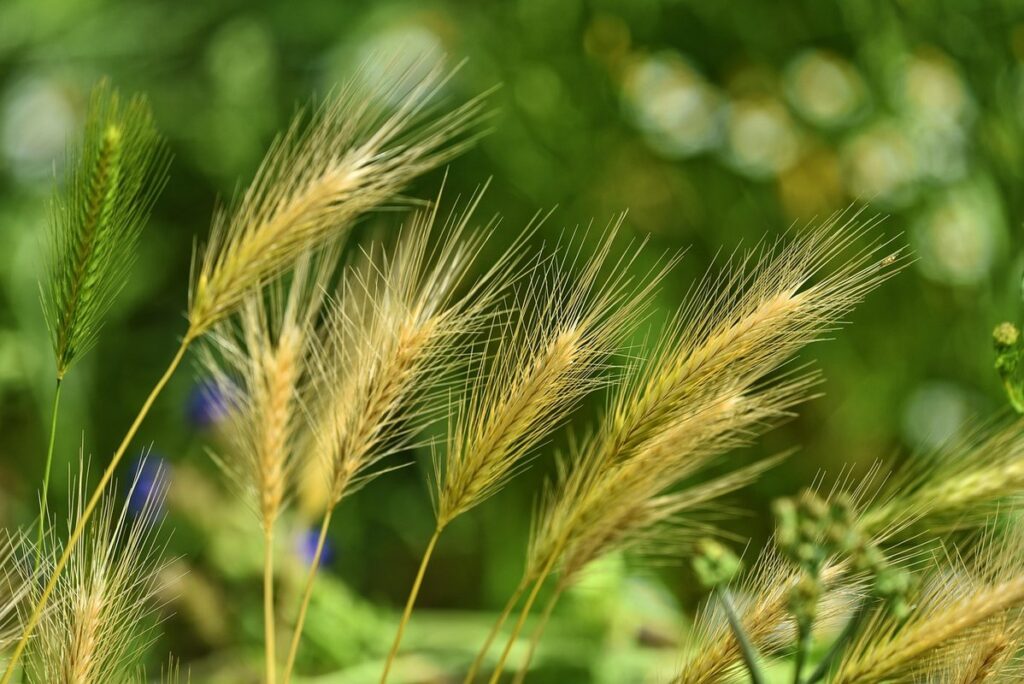
Slender stems are another defining feature of fine textured perennials. These often rise from compact bases or mounds, adding a refined touch to the garden landscape. Consider incorporating plants like Astilbe or Ornamental Grasses, which display airy plumes and delicate seed heads that sway in the breeze. In terms of branching, many fine textured perennials exhibit minimal growth, allowing their slender stems to become a focal point in the garden.
To showcase these perennials’ delicate features, consider pairing them with more robust companions to create visual contrast and balance in your garden design.
Benefits of Planting Fine Textured Perennials
Incorporating fine textured perennials into your garden can bring numerous benefits that enhance its overall appeal and manageability. One of the primary advantages is visual interest – these dainty plants add a delicate, whimsical feel to borders and containers alike. Their slender stems and intricately shaped leaves create a sense of depth and texture, making them a perfect choice for adding dimensionality to your garden design.
Another significant benefit lies in their versatility. Fine textured perennials can thrive in a variety of conditions, from partial shade to full sun, and can be used to create cohesive or contrasting combinations in mixed plantings. For instance, pair delicate blooms like Bleeding Heart (Dicentra spectabilis) with bold foliage plants like Hollyhocks for an eye-catching contrast.
Moreover, fine textured perennials are generally low maintenance – they require less pruning and upkeep compared to coarser-textured varieties. This makes them ideal for busy gardeners or those new to gardening. With proper care, these dainty delights will reward you with years of vibrant blooms and effortless growth.
Types of Fine Textured Perennials
Now that we’ve covered the basics, let’s dive into some specific types of fine-textured perennials to add delicate charm to your garden. Consider these elegant options for a more refined look.
Grasses with Fine Texture
When it comes to adding fine texture to your garden, grasses are an often-overlooked but excellent choice. Not only do they provide a delicate contrast to coarser perennials, but many species also offer beautiful foliage and interesting growth habits.
One popular option is Blue Oat Grass (Helictotrichon sempervirens), which features a shimmering blue-gray hue and slender blades that sway in the breeze. Fescue (Festuca glauca) is another fine-textured grass with a silvery sheen and compact growth habit, making it perfect for smaller spaces or edging beds.
For a more dramatic effect, consider Bamboo Grass (Bambusa textilis), which boasts long, slender canes that sway in the wind. However, be aware that some species of bamboo can be invasive, so choose cultivars specifically bred to be compact and non-invasive.
When planting grasses with fine texture, remember to provide well-draining soil and full sun for best results. With proper care, these delicate beauties will add a touch of elegance to your garden for years to come.
Ferns and Other Non-Flowering Plants
When it comes to fine textured perennials, many gardeners overlook the beauty of non-flowering plants like ferns and sedges. These understated gems add a delicate, lacy texture to gardens that’s hard to replicate with flowering perennials.
Ferns, in particular, are a great choice for adding finesse to shady areas. With over 10,000 species to choose from, you’re sure to find one that fits your garden’s specific conditions. For example, the autumn fern (Dryopteris erythrosora) adds a pop of color with its coppery new growth, while the maidenhair fern (Adiantum spp.) boasts delicate, fan-shaped fronds.
To care for your non-flowering plants, remember that they prefer consistent moisture and shelter from strong winds. Sedums and grasses like pampas grass (Cortaderia selloana) are great choices for adding texture to sunny spots, while sedges like Carex spp. can tolerate a range of conditions.
When selecting non-flowering perennials, consider the mature size of the plant, as some can grow quite large. Be sure to leave enough space between plants to accommodate their eventual spread. With proper care and maintenance, these fine textured perennials will provide years of beauty and interest in your garden.
Fine Textured Flowering Perennials
Fine textured flowering perennials add a delicate charm to any garden. Three notable examples that fit this description are Coral Bells, Hellebores, and Catmint.
Coral Bells (Heuchera spp.) produce dainty, bell-shaped flowers on slender stems that rise above maple-like leaves with intricate lobes. Their airy blooms attract hummingbirds and butterflies, adding a whimsical touch to your garden. Plant them in moist, well-drained soil for optimal growth.
Hellebores, commonly known as Christmas Roses, bloom in late winter to early spring with nodding flowers resembling tiny bells or cups. These evergreen perennials thrive in shady spots with rich, fertile soil and moderate watering.
Catmint (Nepeta spp.) boasts delicate blue, pink, or white blooms that attract pollinators like bees and butterflies. They grow relatively low maintenance in well-drained soil and tolerate some drought. To encourage repeated blooming, prune Catmint back after flowering to prevent seed production.
These perennials can add a delicate beauty to your garden while requiring minimal care.
Designing with Fine Textured Perennials
When designing a garden with fine textured perennials, it’s essential to balance delicate plants with larger foliage and bold flowers to create visual interest. Let’s explore how to do just that.
Mixing and Matching Fine Textured Plants
When it comes to mixing and matching fine textured perennials with other plants, the possibilities are endless. However, combining delicate species requires a thoughtful approach to ensure visual harmony. Begin by selecting plants that have complementary textures, colors, and growth habits.
For example, pair the fine-leaved coral bells (Heuchera) with the velvety leaves of lamb’s ear (Stachys). Alternatively, combine the dainty blooms of creeping thyme (Thymus serpyllum) with the soft foliage of hostas. Consider grouping plants by texture and color to create visual interest.
When mixing fine textured perennials with coarser species, balance their contrast by incorporating mid-textured plants. For instance, pair the delicate flowers of baby’s breath (Gypsophila) with the coarse leaves of Russian sage (Perovskia atriplicifolia). By layering textures and colors, you can create visually appealing gardens that showcase the unique beauty of fine textured perennials. Experiment with different combinations to find the perfect balance for your garden.
Using Fine Textured Perennials in Different Garden Styles
Fine textured perennials can bring a unique charm to various garden styles. When it comes to incorporating these dainty delights into your outdoor space, consider the overall aesthetic you’re aiming for.
For a classic cottage garden look, pair fine textured perennials like Heuchera or Tiarella with larger, more dramatic plants like hydrangeas or peonies. This combination creates a soft, romantic feel reminiscent of traditional English gardens. To enhance this effect, incorporate vintage gardening tools and ornate planters into your design.
In contrast, modern landscapes often benefit from the clean lines and subtle texture of fine textured perennials. Try pairing plants like Phlox or Delosperma with sleek, angular hardscapes like concrete or metal edging. This creates a striking visual tension that adds depth to contemporary spaces.
Naturalistic designs can also incorporate fine textured perennials to great effect. For example, combine plants like Anemone or Creeping Thyme with native grasses and wildflowers. This approach not only adds visual interest but also supports local ecosystems by using regionally adapted plant species.
Caring for Fine Textured Perennials
Now that you’ve chosen your fine-textured perennials, let’s dive into how to care for them properly. Proper watering and pruning techniques are key to keeping these delicate plants healthy.
Soil Requirements for Fine Textured Plants
Fine textured perennials require specific soil conditions to thrive. When it comes to pH levels, most fine textured plants prefer slightly acidic to neutral soils with a pH between 6.0 and 7.5. For example, the delicate ferns and grasses that add texture to gardens often do well in slightly acidic soils, while flowers like bellflowers and creeping thyme tolerate more alkaline conditions.
In terms of moisture levels, fine textured plants typically prefer consistent moisture but can be sensitive to overwatering. The ideal approach is to provide regular waterings during the growing season, allowing the soil to dry slightly between waterings. It’s also essential to ensure good drainage to prevent waterlogged soils that can lead to root rot and other problems.
Some key considerations for fine textured plants include:
* Avoid using heavy clay or sand-based potting mixes, which can cause roots to become waterlogged or drying out too quickly.
* Mulching around plants can help retain moisture and regulate soil temperature.
* Watering deeply but infrequently encourages deep root growth, making plants more resilient to drought.
By understanding the specific soil requirements of fine textured perennials, you can create an environment that allows them to flourish.
Watering and Fertilization Strategies
Fine textured perennials are notoriously sensitive to over-watering and fertilization imbalances. To encourage healthy growth and prevent damage, it’s essential to adopt a nuanced watering and fertilization strategy.
When watering fine textured perennials, the key is to provide just the right amount of moisture. Overwatering can lead to root rot and other issues that are detrimental to these delicate plants. Water them when the top inch of soil feels dry to the touch, and avoid getting water on the leaves or crown to prevent fungal diseases.
As for fertilization, it’s crucial to choose a balanced, water-soluble formula specifically designed for perennials. Feed your fine textured perennials during the growing season (spring-fall) with a 10-10-10 NPK ratio fertilizer. You can also consider using compost tea or worm castings as an organic alternative.
Aim to fertilize lightly, about once a month, and always follow the manufacturer’s instructions for dilution ratios. Keep in mind that overfertilization can burn fine textured perennials’ roots, so it’s better to err on the side of caution.
Some plants, like Japanese Forest Grass (Hakonechloa macra) and Russian Sage (Perovskia atriplicifolia), require more attention than others. For example, Japanese Forest Grass prefers moist soil but needs good air circulation around its delicate foliage, which can be prone to disease if not cared for properly. By tailoring your watering and fertilization approach to the specific needs of each plant, you’ll be well on your way to growing thriving fine textured perennials.
Propagation and Maintenance Techniques
To ensure the success of your fine-textured perennials, it’s essential to master propagation and maintenance techniques that promote healthy growth. We’ll dive into these crucial care methods in this section.
Propagating Fine Textured Perennials
Propagating fine textured perennials can be a delicate process, but with the right techniques, you can successfully multiply these dainty delights. Division is one of the most common methods for propagating perennials, and it’s especially effective for plants like daylilies and coneflowers that form clumps over time. To divide, carefully dig up the entire plant, gently separating the roots with a blunt instrument like a fork or a knife. Replant each section in well-draining soil, making sure to provide adequate space for new growth.
Layering is another technique that works well for fine textured perennials like bleeding heart and astilbe. To layer, choose a healthy stem with a node (the point where the leaf meets the stem) and bend it down towards the ground, securing it with a U-shaped wire or a rock. Cover the buried portion with soil, and keep the area consistently moist until roots develop.
If you’re looking to propagate from seed, fine textured perennials like coral bells and foamflower can be started indoors 6-8 weeks before the last frost date in your area. Sow seeds on the surface of a seed starting mix and provide warmth (around 70°F) and light (but not direct sunlight). Transplant the seedlings outside once they have two sets of leaves, making sure to harden them off gradually.
Common Pests and Diseases Affecting Fine Textured Plants
Fine textured perennials are delicate and beautiful additions to any garden, but they can be vulnerable to pests and diseases that can quickly spread and cause damage. One of the most common pests affecting fine textured plants is aphids, which feed on plant sap and can weaken the plant over time. To prevent an infestation, inspect your plants regularly for signs of aphid activity, such as curled or distorted leaves.
Other pests to watch out for include spider mites, mealybugs, and scale insects, which can also be controlled with insecticidal soap or neem oil. Regular watering and fertilization can help keep your fine textured perennials healthy and resilient, making them less susceptible to pest infestations.
Diseases such as powdery mildew and leaf spot can also affect fine textured plants, particularly in humid environments. To prevent these diseases, ensure good air circulation around your plants and avoid overhead watering. Fungicides can be used to treat existing infections, but it’s essential to identify the problem early on for effective treatment.
It’s also crucial to inspect plant material from nurseries or garden centers before bringing them into your garden to ensure they are pest- and disease-free. Regularly pruning and cleaning up around your plants will help prevent pests and diseases from taking hold in the first place.
Seasonal Interest with Fine Textured Perennials
As we explore the world of fine-textured perennials, let’s focus on how these delicate plants can add visual interest to your garden during different seasons. From spring blooms to winter structures, discover their unique appeal.
Winter Interest with Evergreen Fine Textured Plants
During the winter months, many gardens can appear barren and lifeless. However, this is where evergreen fine textured plants come to the rescue, providing much-needed structure and interest. These plants, such as boxwood (Buxus sempervirens) and Russian sage (Perovskia atriplicifolia), maintain their foliage year-round, creating a sense of continuity in your garden.
Their delicate textures also add depth and visual interest to the winter landscape, making them perfect for mass planting or as individual specimens. For instance, ornamental grasses like pampas grass (Cortaderia selloana) sway gently in the wind, while plants like holly (Ilex aquifolium) and yew (Taxus baccata) offer a more formal, structured look.
To make the most of these evergreen fine textured plants in your winter garden, consider planting them in a prominent location where they can be enjoyed from multiple angles. Also, don’t forget to prune them regularly to maintain their shape and promote healthy growth.
Spring, Summer, and Fall Care Tips for Fine Textured Perennials
As we navigate through the seasons with our fine textured perennials, it’s essential to provide them with the right care to maximize their beauty and durability. Let’s dive into some seasonal care tips for these dainty delights.
In spring, after the last frost has passed, gently rake off any dead or damaged foliage from your fine textured perennials. This will help prevent diseases from taking hold and encourage new growth. For example, Baptisia and Lupine require a gentle pruning in early spring to promote healthy blooming. Make sure to remove any dead flower stalks to maintain the plant’s appearance.
During the hot summer months, it’s crucial to provide your fine textured perennials with adequate moisture. Water them deeply once or twice a week, depending on weather conditions. For instance, Astilbe and Rodgersia love moist soil but can be prone to root rot if overwatered. Mulch around the base of the plants to retain moisture and suppress weeds.
In fall, before the first frost, cut back your fine textured perennials to about 3-4 inches from the ground. This will help protect the crown from winter damage and encourage new growth in the spring. For example, Ornamental Grasses like Fescue and Blue Oat should be left standing over the winter for added interest, but others like Sedum and Aconitum can be cut back to about 6 inches tall.
By following these seasonal care tips, you’ll be able to enjoy your fine textured perennials at their best all year round.
Frequently Asked Questions
Can I mix fine textured perennials with other plants to achieve a balanced garden look?
Mixing fine textured perennials with coarser or more vibrant plants can create visual interest and balance in your garden. Consider pairing delicate flowers like Bleeding Heart (Dicentra spectabilis) with robust shrubs or flowering perennials that provide contrasting textures and colors.
How do I know if a perennial has fine texture, especially when purchasing online?
When shopping for fine textured perennials, examine the plant’s foliage and growth habit. Look for slender stems, narrow leaves, and minimal branching. Research the specific variety to understand its characteristic appearance and growth patterns.
Can I propagate fine textured perennials through division, or do they require special techniques?
Yes, many fine textured perennials can be propagated through division, a low-cost and effective method. When dividing roots, make clean cuts just above a node (where a leaf meets the stem), and replant the divisions in well-draining soil with suitable care.
How do I protect my fine textured perennials from extreme weather conditions?
Provide your fine textured perennials with protection from harsh sun, wind, or frost. Mulch around plants to retain moisture and regulate soil temperature. Apply a layer of winter mulch to shield roots from freezing temperatures, and use row covers for young seedlings during extreme weather events.
Can I grow fine textured perennials in containers, and if so, what are the key considerations?
Yes, you can grow fine textured perennials in containers, but keep in mind their delicate nature. Choose a well-draining potting mix to prevent root rot, and use a container with sufficient depth to accommodate mature roots. Select varieties that thrive in containers, and provide regular watering and fertilization to maintain healthy growth.