
When it comes to adding depth and visual interest to your garden, there’s no better way to do so than with perennials that pack a punch. I’m talking about those show-stopping, head-turning plants with bold texture that seem to grab your attention from across the yard. Whether you’re a seasoned gardener or just starting out, incorporating these statement-makers into your landscape design can take it to the next level.
In this article, we’ll dive into the world of perennials with bold texture and share our top picks for adding drama to your garden. We’ll cover not only how to choose the perfect plants but also provide tips on combining them for maximum impact and offer expert advice on caring for these low-maintenance gems. By the end of this post, you’ll be well-equipped to create a lush, visually stunning space that’s sure to impress all who visit.
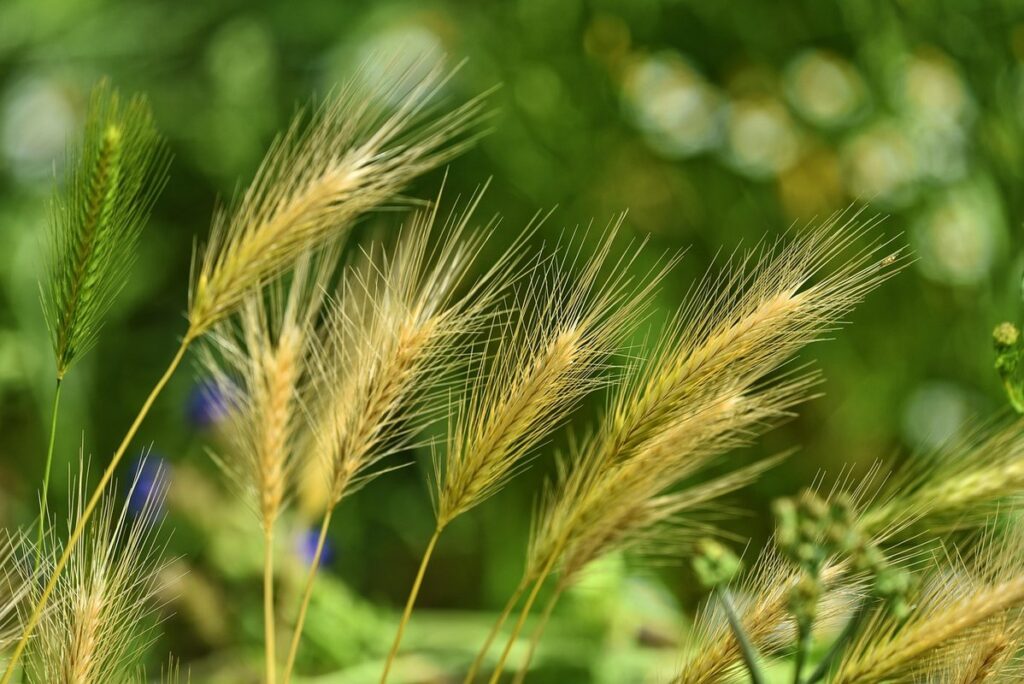
The Importance of Textured Perennials
When selecting perennials, texture often takes a backseat to color and bloom time, but it plays a vital role in creating depth and visual interest in your garden.
Creating a Visually Appealing Landscape
When you’re working with perennials that have bold texture, it’s essential to think beyond just their striking foliage. These plants can add a level of depth and visual interest to your landscape that’s unmatched by more delicate varieties. By incorporating them into your garden design, you’ll be creating a visually appealing space that looks great year-round.
One way to maximize the impact of bold-textured perennials is to group them together in a focal area of your yard. This can create a statement piece that draws the eye and adds visual interest to the entire landscape. Consider pairing plants with different textures, like silvery-leaved lamb’s ear and deep purple coneflower, for added depth.
To truly make the most of bold-textured perennials in your landscape, think about incorporating them into your design at various levels. Planting a mix of short-stemmed and tall varieties will create layers and add dimension to your space. This way, you’ll have visual interest from the ground up – literally!
Understanding the Role of Texture in Gardening
When it comes to creating visually appealing gardens, texture plays a crucial role. Texture is not just about the softness of leaves or the coarseness of stems; it’s an essential element that can add depth and visual interest to your garden. To understand the impact of texture on garden design, let’s break down the different types.
Soft textures, such as those found in plants like ferns and hostas, create a soothing atmosphere and often provide a sense of calmness. Coarse textures, exemplified by plants like succulents and ornamental grasses, add a dramatic touch and can make a bold statement. Fine textures, seen in plants like lavender and coneflowers, offer a delicate contrast to coarser elements.
When incorporating texture into your garden design, consider mixing different types to create visual interest. For instance, pair a coarse-textured succulent with fine-textured coneflower or soft-leafed hosta for a beautiful contrast. By thoughtfully combining textures, you can add depth and personality to your garden, making it more engaging and inviting. Experiment with different combinations to find the perfect balance that suits your style.
Choosing Perennials for Bold Texture
When selecting perennials for a bold texture, consider plants with intricate foliage patterns, vibrant colors, and unique shapes to add depth and visual interest to your garden. Think beyond traditional blooms!
Selecting Plants with Coarse or Soft Foliage
When it comes to adding bold texture to your garden with coarse or soft foliage, there are countless perennials that can do just that. For a coarser look, consider incorporating plants like hostas, which feature large leaves with thick, fleshy stalks and come in a variety of sizes and colors. These can be especially effective when used as a backdrop for smaller flowering perennials.
If you’re looking for something softer, ornamental grasses are an excellent option. With delicate plumes that dance in the breeze, they add a whimsical touch to any garden bed. Daylilies are another great choice for soft foliage, featuring slender leaves and flowers that bloom for several weeks during the summer months.
When selecting plants with coarse or soft foliage, remember to consider their growth habits and mature sizes. This will help you choose plants that fit well within your existing landscape design and won’t overcrowd each other as they grow. For instance, hostas can spread quite wide, so plant them towards the back of a bed or in a corner where they have room to expand.
Incorporating Plants with Intricate Flower Details
When it comes to perennials with bold texture, it’s not just about leaves and stems – intricate flower details can add an extra layer of visual interest to your garden. Take peonies, for example. These show-stopping flowers boast delicate, velvety petals that unfurl like tiny silk fans, creating a dramatic effect in mid-to-late summer. Similarly, delphiniums display a profusion of slender spikes, each topped with a cluster of tubular bells in shades ranging from soft pastels to vibrant purples.
If you’re looking for more compact options, salvias are a great choice. These drought-tolerant perennials come in an array of colors and shapes, from spiky red and orange varieties to delicate blue and purple ones with intricate trusses. To incorporate these plants into your garden design, consider grouping them by texture or color to create visual cohesion. You can also use them as a focal point in a mixed border or as a striking accent plant in a container. Remember to provide the right conditions for each plant to thrive – peonies love moist soil and partial shade, while salvias prefer well-draining soil and full sun. By carefully selecting and combining perennials with intricate flower details, you can add depth and visual interest to your garden that will keep onlookers engaged all season long.
Plant Combination Ideas for Bold Texture
Let’s mix and match perennials with varying textures to create visually stunning combinations that add depth and interest to your garden landscape. Consider pairing soft grasses with bold, architectural plants.
Pairing Textured Perennials for Maximum Impact
When pairing textured perennials for maximum impact, consider combining plants with contrasting textures to create visual interest. For example, pair smooth-leaved grasses like Pampas Grass (Cortaderia selloana) with the fuzzy foliage of Lamb’s Ear (Stachys byzantina). This mix of soft and structured textures creates a visually appealing contrast.
To add depth to your garden, combine low-growing plants like Sedum (Sedum spp.) or Creeping Thyme (Thymus serpyllum) with taller, more dramatic plants such as Yucca (Yucca spp.) or Russian Sage (Perovskia atriplicifolia). This layered approach creates a sense of dimension and draws the eye through the space.
Consider combining warm-season bloomers like Black-Eyed Susan (Rudbeckia hirta) with cool-season bloomers like Catmint (Nepeta x faassenii). The contrast between these two plants’ textures will add visual interest to your garden throughout the growing season.
Using Texture to Create a Focal Point in the Garden
When designing a garden, it’s essential to create visual interest by drawing attention to specific areas. Textured perennials can be used strategically to achieve this effect. Consider placing bold-textured plants like Russian sage, with its silvery-gray foliage and wispy stems, against a backdrop of smooth-leaved plants like hostas or ferns. This contrast creates a striking focal point.
Another approach is to group together a variety of textured perennials to create a visually appealing vignette. For instance, pair the coarse texture of ornamental grasses with the fine texture of sedum, and add some succulents for extra interest. You can also use bold-textured plants like lamb’s ear or bergenia as statement pieces in containers.
When using textured perennials to create a focal point, remember that balance is key. Pairing one or two bold-textured plants with smooth-leaved ones will prevent the space from feeling overwhelming. Experiment with different textures and combinations to find what works best for your garden’s unique style and layout.
Designing with Bold Textured Perennials
When working with bold textured perennials, consider their unique characteristics and how they’ll interact with surrounding foliage to create a visually striking landscape. This section will explore tips for incorporating these statement plants into your garden design.
Incorporating Texture into Your Garden’s Layout
When it comes to incorporating bold-textured perennials into your garden’s layout, there are several strategies to consider. One approach is mass planting, where you group a large number of plants with similar texture together in a single area. For example, imagine a bed filled with towering stalks of ornamental grasses or a cluster of spiky succulents. This technique creates a dramatic focal point and draws the eye through the garden.
Alternatively, you can use mixed borders to combine bold-textured perennials with other plants that provide contrast in texture, color, and form. For instance, pairing a textured grass like ‘Pampas’ with delicate, wispy foliage plants or adding bold blooms to break up the textures of shrubs and groundcovers.
To create visual interest in your garden, aim for a mix of textures that balance smooth and rough, fine and coarse, and soft and hard. By combining these elements, you’ll add depth and complexity to your landscape, engaging the senses and inviting exploration.
Using Texture to Add Depth and Visual Interest
When working with bold-textured perennials, it’s easy to overlook their potential impact on even the smallest of gardens. However, these statement-making plants can add an extraordinary amount of depth and visual interest to your outdoor space.
In a small garden or container, choosing bold-textured perennials is especially important for creating the illusion of larger proportions. This can be achieved by selecting plants with varying textures that create a sense of layering. For instance, pair a delicate, wispy grass like Pennisetum setaceum with a statuesque, architectural shrub like Echinacea ‘Cheyenne Spirit’. The contrasting textures not only add depth but also visual interest.
When combining bold-textured perennials, consider balancing statement plants with more subtle companions. This balance creates visual harmony and prevents the space from feeling overwhelming. To create this effect in your garden, choose three to five bold-textured perennials and arrange them in a way that creates a natural progression of texture and height.
By thoughtfully combining bold-textured perennials, even small gardens can become vibrant, visually striking spaces that command attention.
Maintenance and Care for Textured Perennials
To keep your textured perennials thriving, proper maintenance and care are crucial – let’s explore some essential tips to ensure they remain healthy and vibrant throughout the seasons.
Understanding the Needs of Coarse-Foliaged Plants
Coarse-foliaged plants, with their statement foliage, bring a dramatic touch to any garden. However, they require special care to maintain their unique texture and appearance. When it comes to watering these plants, less is often more. Unlike fine-textured perennials that prefer moist soil, coarse-foliaged plants are more drought-tolerant and can thrive in well-draining soil with minimal watering.
Fertilizing coarse-foliaged plants requires attention to nutrient balance. These plants benefit from a balanced fertilizer during the growing season, but avoid over-fertilizing, which can lead to an excessive growth of foliage at the expense of flowers or texture. For example, a plant like succulent sedum (Sedum spp.) thrives in poor soil and infrequent watering, making it an excellent choice for water-conscious gardeners.
Regular pruning is essential to maintain the shape and texture of coarse-foliaged plants. Prune these plants to control their size and promote new growth, removing any dead or damaged foliage. This will encourage the plant to produce more stems and leaves, enhancing its overall texture. By understanding the specific needs of coarse-foliaged plants, you can provide them with the right conditions to thrive and add depth and visual interest to your garden.
Tips for Caring for Intricately Detailed Flowers
When it comes to perennials with intricately detailed flowers, extra care is required to showcase their full beauty. One of the most important tasks for these plants is deadheading, which involves removing spent blooms to encourage new flower growth and maintain a neat appearance.
Deadheading is particularly crucial for perennials like peonies and dahlias, whose intricate details can quickly become hidden under wilted petals. To deadhead effectively, simply snip off the entire stem at an angle, just above a leaf node, using sharp pruning shears or scissors. This will help direct the plant’s energy towards producing new blooms rather than seed production.
In addition to deadheading, some perennials with intricately detailed flowers may require staking to prevent damage from wind and rain. For example, tall delphiniums and hollyhocks can become top-heavy with large, showy blooms, making them prone to flopping over. To stake these plants, drive a sturdy stake into the soil near the base of the plant, then tie the stem to the stake using twine or wire. This will help support the weight of the blooms and keep the plant upright and visible throughout the growing season.
Frequently Asked Questions
Can I combine bold-textured perennials with other plants to achieve a cohesive look?
When combining textured perennials, consider their growth habits, mature sizes, and bloom times to create a visually appealing landscape. Balance coarse-foliaged plants with softer textures for a harmonious mix. Use the “thriller, filler, spiller” method to add depth and interest: bold-textured perennials as thrillers, flowering perennials or shrubs as fillers, and vining plants as spillers.
How do I care for textured perennials during extreme weather conditions?
Yes, most textured perennials are low-maintenance but may require extra care during harsh weather. Provide protection from intense sunlight, wind, and frost by mulching around the base of plants. Water deeply but infrequently to encourage deep root growth. Prune damaged or dead foliage promptly to prevent disease spread.
Can I use textured perennials in small spaces, like containers or patios?
Yes, many textured perennials thrive in containers, making them perfect for small spaces. Choose compact varieties and consider using a large container with good drainage to accommodate root growth. Group smaller plants together to create a statement focal point.
How do I know which textured perennial is best suited for my specific climate zone?
Consult the plant label or check with local nurseries to determine which perennials are hardy in your area. Look for varieties bred for heat tolerance, cold hardiness, or other climate-specific characteristics. This will ensure your plants receive the right growing conditions to thrive.
Can I use bold-textured perennials as a backdrop for annuals or flowering shrubs?
Yes, using textured perennials as a backdrop allows you to create stunning contrast with flowering annuals or shrubs. Combine coarse-foliaged plants like succulents or ornamental grasses with vibrant blooming perennials or shrubs to add visual interest and texture to your landscape design.