
Are you looking for ways to add some excitement to your garden without the high maintenance? Perennials with blue foliage are an excellent choice. Not only do they provide a unique pop of color, but they also offer numerous benefits that make them ideal for any gardener. For instance, many perennials with blue leaves have drought tolerance, which means you can save time and water by planting these hardy flowers in your garden. But what really sets them apart is their appeal to pollinators like bees and butterflies, making them a great choice if you’re trying to create a haven for local wildlife. In this article, we’ll explore the benefits of perennials with blue foliage and provide tips on how to design and care for these stunning plants in your garden.
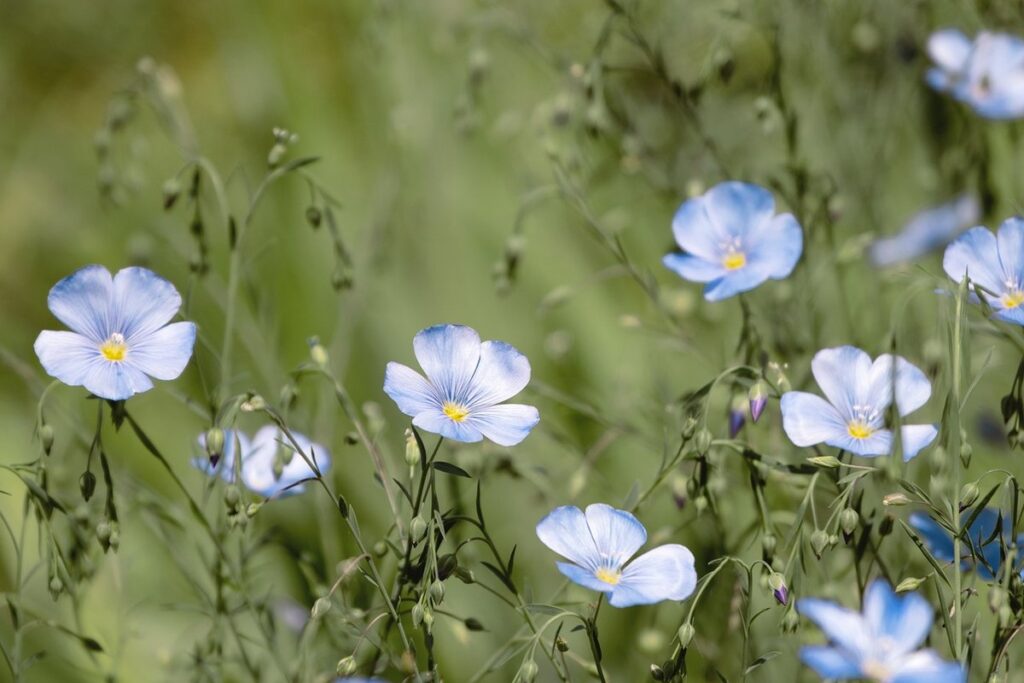
The Benefits of Blue-Foliaged Perennials
Blue-foliaged perennials bring a sense of serenity to any garden, and in this section we’ll explore their numerous benefits that go beyond just aesthetics. From low maintenance to attracting pollinators, these plants have plenty to offer.
Why Choose Perennials with Blue Foliage?
Perennials with blue foliage bring an unmistakable sense of serenity and tranquility to your garden. Beyond their visually striking appearance, these plants also offer numerous advantages that make them an excellent choice for gardeners seeking a low-maintenance yet stunning addition.
One significant benefit is their ability to thrive in dry conditions. Many perennials with blue foliage, such as Russian Sage (Perovskia atriplicifolia) and Blue Oat Grass (Helictotrichon sempervirens), are highly drought-tolerant, making them perfect for areas where watering restrictions apply or the soil tends to be dry.
In addition to their hardiness, blue-foliaged perennials also attract pollinators. For instance, plants like Salvia farinacea and Blue Fescue (Festuca glauca) are rich in nectar, drawing in bees, butterflies, and other beneficial insects that contribute to the garden’s ecosystem.
When selecting perennials with blue foliage for your garden, consider the specific growing conditions in your area. Incorporate these hardy, visually striking plants to create a calming atmosphere that invites relaxation and serenity.
Designing with Blue Foliage in Mind
When designing with blue-foliaged perennials in mind, it’s essential to consider layering, texture, and color contrast to create a harmonious and visually appealing garden. Start by identifying the mature size of each plant to ensure they won’t overcrowd or compete for space.
To add depth and interest, incorporate blue-foliaged perennials at varying heights, such as tall grasses like ‘Blue Oat Grass’ (Helictotrichon sempervirens) behind shorter plants like ‘Russian Sage’ (Perovskia atriplicifolia). Consider layering with shrubs or trees to create a lush canopy above and provide shade for smaller plants.
When it comes to texture, combine smooth-leaved blue-foliaged perennials like ‘Blue Mink’ (Pulmonaria officinalis) with those having more delicate or wispy foliage, such as ‘Blue Star’ (Amsonia hubrichtii). Balance these contrasting textures by incorporating plants with neutral or gray-green foliage to avoid overwhelming the space.
Types of Perennials with Blue Foliage
Let’s explore some popular perennials that bring a soothing touch to your garden with their beautiful blue foliage, such as hostas and ajuga. These plants are low maintenance and easy to care for.
Cool-Season Perennials
If you’re looking to bring a soothing blue hue to your garden without breaking the bank on maintenance, consider incorporating cool-season perennials like Salvia, Catmint, and Yarrow. These plants thrive in cooler temperatures, making them perfect for gardens in temperate climates.
Salvia, a perennial favorite among gardeners, boasts vibrant blue foliage that can tolerate light frosts. Hardiness zones 4-9 provide an ideal environment for this plant to flourish, with full sun and well-draining soil being its top requirements. Catmint, on the other hand, requires similar conditions but prefers slightly more moisture-rich soil.
Yarrow’s fern-like foliage offers a delicate blue-gray hue that adds texture and interest to your garden bed. With hardiness zones 3-9 as its range, this perennial can thrive in a variety of climates. To keep these cool-season perennials healthy and thriving, make sure to plant them in areas with at least six hours of direct sunlight daily.
Keep in mind that while these plants are relatively low-maintenance, they do require occasional pruning to maintain shape and promote healthy growth. By incorporating Salvia, Catmint, or Yarrow into your garden design, you’ll not only add a touch of blue to your landscape but also provide a haven for pollinators like bees and butterflies.
Warm-Season Perennials
Warm-Season Perennials are perfect for adding a touch of calm to your garden, especially during the warmer months. These perennials thrive in temperatures between 65°F and 85°F (18°C and 30°C), making them ideal for gardens in USDA Hardiness Zones 4-9.
Let’s take a closer look at some popular warm-season perennials with blue foliage that excel in these conditions: Blue Fescue, Blue Oat Grass, and Russian Sage. These plants are not only stunning but also relatively low-maintenance, requiring minimal watering and pruning.
To grow these perennials successfully, ensure they receive full sun (6+ hours of direct sunlight) and well-draining soil. Water them regularly during hot summer months, but avoid overwatering, which can lead to root rot and other issues. Blue Fescue, for example, requires periodic division every 3-4 years to maintain its shape and promote new growth.
By incorporating these warm-season perennials into your garden design, you’ll create a soothing atmosphere that’s perfect for relaxation. Plus, they attract pollinators like bees and butterflies, adding an extra layer of interest to your garden. With proper care, these stunning plants will provide years of beauty and serenity in your outdoor space.
Growing and Caring for Blue-Foliaged Perennials
Now that you have these gorgeous perennials in your garden, let’s dive into how to care for them properly. This will ensure they thrive and continue to bring their unique beauty to your outdoor space.
Planting and Soil Requirements
When planting blue-foliaged perennials, it’s essential to consider their specific soil requirements. Most of these plants prefer well-draining soil that is rich in organic matter. To prepare your garden bed, start by removing any debris and loosening the soil to a depth of about 8-10 inches. Add a 2-inch layer of compost or well-rotted manure to improve the soil‘s fertility and drainage.
When it comes to sun exposure, blue-foliaged perennials generally require full sun to partial shade. However, some species like Veronica ‘Royal Candles’ can tolerate more shade than others. Make sure to check the specific sun requirements for each plant you’re planting.
Planting techniques also play a crucial role in the success of your blue-foliaged perennials. Plant them at the same depth as they were in their containers, and water thoroughly after planting. Mulch around the plants to retain moisture and suppress weeds. By following these tips, you’ll be well on your way to creating a beautiful and thriving garden bed with blue-foliaged perennials.
Watering and Maintenance Tips
When it comes to watering and maintaining perennials with blue foliage, it’s essential to understand their unique needs. These plants typically require well-draining soil and moderate watering schedules. For example, the popular Blue Salvia (Salvia farinacea) prefers dry to medium moisture levels, while the beautiful Blue Fescue (Festuca glauca) requires regular watering during hot summer months.
To ensure optimal growth, prune your blue-foliaged perennials regularly. Cut back dead or damaged stems in late winter or early spring to promote new growth and prevent disease. For example, remove spent flower stalks from plants like Blue Lupine (Lupinus x regalis) to encourage repeat blooming. Fertilize these plants with a balanced, slow-release fertilizer in the spring when new growth begins.
During the growing season, water your blue-foliaged perennials about 1-2 times per week, depending on weather conditions. Mulch around the base of plants to retain moisture and suppress weeds. Monitor soil pH levels regularly to avoid nutrient deficiencies that can affect foliage color. By following these watering and maintenance tips, you’ll be able to enjoy vibrant blue hues in your garden all season long.
Blue-Foliaged Perennials for Specific Garden Styles
Now that we’ve explored some popular perennials with blue foliage, let’s dive into how to incorporate them into your specific garden style. We’ll look at how these plants can be used in different designs.
Cottage Gardens
When it comes to creating a charming cottage garden, perennials with blue foliage are an excellent choice. These flowers add a touch of whimsy and romance to the traditional English-style garden, don’t they? For instance, Forget-me-nots (Myosotis spp.) are a classic cottage garden flower that blooms in shades of blue from April to July. Their delicate blue petals and yellow centers make them a favorite among bees and butterflies.
Cornflowers (Centaurea cyanus) are another popular choice for cottage gardens. These tall, stately flowers produce spikes of bright blue flowers that can grow up to 3 feet tall. They’re perfect for adding a pop of color and texture to the back of your border. To incorporate these perennials into your cottage garden design, consider mixing them with other traditional English-style plants like roses, lavender, and hollyhocks.
When selecting blue-foliaged perennials for your cottage garden, remember that they often prefer well-drained soil and full sun to partial shade. By choosing a mix of flowers that thrive in these conditions, you’ll create a beautiful and low-maintenance space that’s perfect for enjoying the great outdoors.
Modern and Contemporary Gardens
Modern and contemporary gardens often call for bold, sleek design elements that add visual interest to open spaces. Blue Fescue (Festuca glauca) is an excellent choice for these types of gardens, with its slender blue-green foliage forming a uniform tuft that adds texture and depth to the landscape. When used in mass plantings or as a single specimen, this perennial can create a stunning statement piece.
Another great option for contemporary gardens is Russian Sage (Perovskia atriplicifolia), which boasts beautiful silvery-blue foliage with tiny, grayish flowers that bloom from mid-summer through fall. This shrubby perennial is incredibly low-maintenance and can thrive in full sun with minimal watering – a perfect choice for water-conscious gardeners.
Incorporating these perennials into your modern garden design can add a touch of serenity while introducing subtle visual interest to the space. For best results, pair Blue Fescue or Russian Sage with other plants featuring clean lines and minimalist silhouettes, such as succulents or ornamental grasses. By combining these elements, you can create a cohesive look that’s both visually striking and calming to behold.
Pests and Diseases Affecting Blue-Foliaged Perennials
As you nurture your blue-foliaged perennials, it’s essential to be aware of potential pests and diseases that could impact their health and appearance. We’ll cover common issues to watch out for in this section.
Common Problems and Solutions
Blue-foliaged perennials are a beautiful addition to any garden, but they’re not immune to pests and diseases. Some common issues you may encounter include aphids, powdery mildew, and root rot.
Aphids are small, soft-bodied insects that feed on plant sap, causing curled or distorted leaves. They can be found on the undersides of leaves and stems, especially on plants like catmint (Nepeta) and Russian sage (Perovskia). To prevent aphid infestations, keep your garden clean by removing weeds and debris, which can harbor these pests. Regularly inspect your plants for signs of aphids and use neem oil or insecticidal soap to control outbreaks.
Powdery mildew is a fungal disease that causes a white, powdery coating on leaves, often accompanied by yellowing or browning foliage. It’s commonly seen on perennials like hostas (Hosta) and agastache (Agastache). To prevent powdery mildew, provide good air circulation around your plants, water them in the morning to reduce moisture on leaves, and avoid overhead watering. If you do encounter powdery mildew, treat it with a fungicide specifically designed for this disease.
Root rot is caused by overwatering or poor drainage, leading to fungal growth that breaks down plant tissues. This can affect perennials like delphiniums (Delphinium) and daylilies (Hemerocallis). To prevent root rot, make sure your soil drains well and avoid watering during periods of drought. If you suspect root rot, remove the affected plant and replant a new one in fresh, well-draining soil.
By being aware of these common issues and taking preventative measures, you can enjoy your blue-foliaged perennials for years to come. Regularly inspect your plants, provide good care, and use targeted treatments when necessary – with a little know-how, you’ll be able to keep these pests and diseases under control.
Propagation and Division of Blue-Foliaged Perennials
Now that you’ve learned how to plant, care for, and enjoy your blue-foliaged perennials, let’s talk about how to multiply them. Proper propagation techniques ensure a steady supply of these beautiful plants for years to come.
Seed, Cuttings, and Division Methods
Propagating blue-foliaged perennials can be achieved through various methods, each with its own set of advantages and considerations. When it comes to seed sowing, timing is crucial. For most blue-foliaged perennials, the ideal time for sowing seeds is in early spring or late summer/early fall, depending on the specific variety. This allows the young seedlings to establish themselves before winter or during a period of slower growth.
Stem cuttings are another effective method for propagating perennials like hostas, daylilies, and ornamental grasses with blue foliage. Take 3-4 inch stem sections from mature plants, making sure each cutting has at least two nodes. Remove lower leaves, dip the cut end in rooting hormone powder or liquid, and plant in a well-draining mix. Water thoroughly and keep the soil consistently moist but not waterlogged.
Division is also a popular method for propagating blue-foliaged perennials like catmint, lamb’s ear, and Russian sage. Choose healthy plants with at least two growing shoots, dig them up carefully, and separate the roots using a gentle sawing motion or by running a garden fork through the soil. Replant immediately in well-draining mix, making sure to firm the soil gently around the new divisions.
Aftercare is essential for successful propagation. Water newly planted seedlings regularly, but avoid overwatering which can lead to rot and other issues. Cuttings and divisions require more frequent watering during their first growing season. Avoid fertilizing until they have established themselves, as excessive nutrients can weaken the plants.
Conclusion: Bringing Blue Foliage into Your Garden
Now that you’ve discovered the beauty of perennials with blue foliage, let’s talk about how to incorporate them into your garden for a stunning and calming effect.
Final Thoughts and Tips
As you’ve explored the wonderful world of perennials with blue foliage, I hope you’re as captivated by their unique charm as I am. Incorporating these plants into your garden design can bring a sense of serenity and calmness, perfect for creating a peaceful oasis in your own backyard.
One final thought to consider is the versatility of blue-foliaged perennials. They come in an array of shapes, sizes, and growth habits, making them suitable for various garden styles and spaces. From the delicate blooms of Catmint to the striking foliage of Nepeta, there’s a blue-leaved perennial to suit every gardener’s taste.
When selecting these plants for your garden, remember that they often thrive in well-draining soil with full sun to partial shade conditions. Be sure to choose varieties that fit your specific climate and growing conditions to ensure their success.
To get the most out of your blue-foliaged perennials, don’t forget to deadhead spent blooms regularly. This will encourage more flowering and maintain the plant’s appearance throughout the growing season. Additionally, consider dividing and replanting these perennials every few years to keep them healthy and thriving.
Lastly, remember that the true beauty of blue-foliaged perennials lies in their ability to add a touch of tranquility to your outdoor space. Take time to appreciate their unique charm, watch how they change with the seasons, and enjoy the peaceful ambiance they bring to your garden.
Frequently Asked Questions
Can I plant perennials with blue foliage in containers or do they need a lot of space?
Yes, many perennials with blue foliage can thrive in containers as long as you provide the right soil and care for them properly. Consider using large pots (at least 12-18 inches deep) to accommodate the root system of these plants. This is a great option if you have limited garden space or want to create a unique vertical garden.
How do I care for perennials with blue foliage during extreme weather conditions, such as droughts or heavy rainfall?
Perennials with blue foliage are generally hardy and can withstand some level of drought. However, they still need regular watering, especially during hot summer months. Be sure to mulch around the plants to retain moisture and protect them from extreme temperatures. In areas prone to heavy rainfall, ensure good drainage by adding organic matter or perlite to the soil.
Can I propagate perennials with blue foliage through seed or division?
Yes, many perennials with blue foliage can be propagated using both seed and division methods. For optimal results, divide established plants in the spring or fall when they’re dormant. Sow seeds directly into the ground after the last frost date for your area. Keep in mind that some varieties may require special care or conditions to thrive.
How do I combine perennials with blue foliage with other plants in my garden?
Perennials with blue foliage can be paired with a variety of plants, from low-growing groundcovers to tall shrubs. Consider combining them with plants that complement their unique color and texture, such as coral-colored flowers or silver-leaved succulents. This will create a visually striking and harmonious composition in your garden.
Are perennials with blue foliage susceptible to pests and diseases?
While perennials with blue foliage are generally hardy, they can still be affected by pests and diseases. Keep an eye out for common issues like powdery mildew or aphid infestations. Regularly inspect your plants and take action promptly if you notice any problems. Implementing integrated pest management (IPM) strategies, such as crop rotation and biological controls, can also help prevent these issues.