
If you’re looking to add some drama and mystery to your garden landscape, then incorporating perennials with striking black flowers is an excellent place to start. Black flowers are often associated with elegance and sophistication, making them a popular choice for gardeners who want to create a unique and eye-catching space. From types of perennials that produce these show-stopping blooms to care tips and design ideas, this article will provide you with everything you need to know to successfully incorporate black flowered perennials into your garden design. Whether you’re a seasoned gardener or just starting out, we’ll explore the world of perennials with black flowers, covering topics such as selection, planting, and maintenance to help you create a stunning landscape that’s sure to impress.
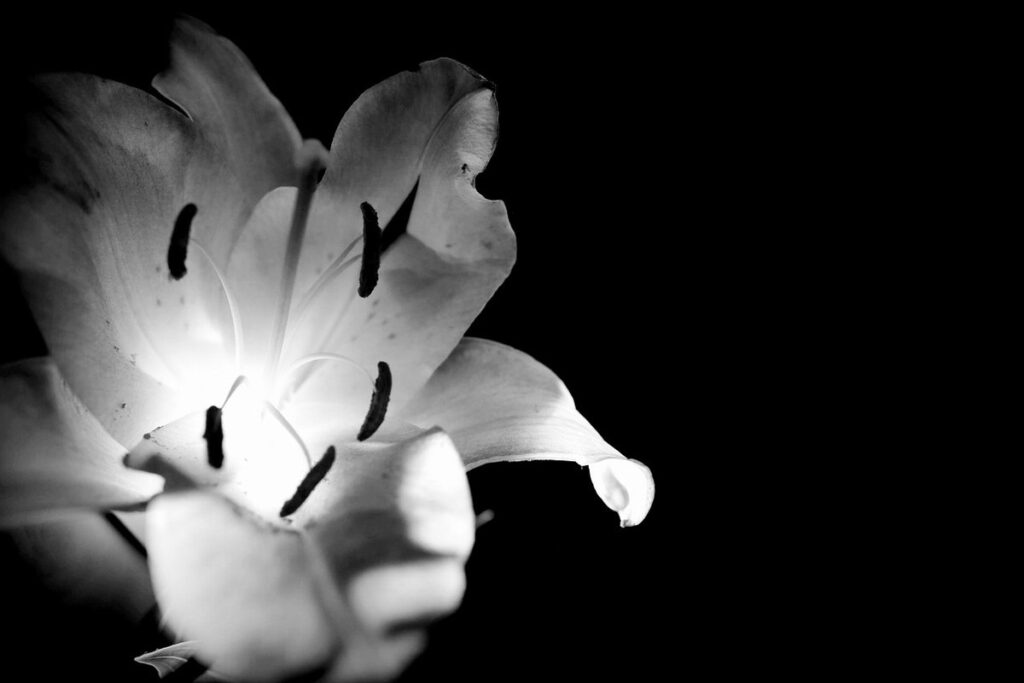
Understanding Perennials with Black Flowers
Now that we’ve explored the different types of perennials, let’s dive into the unique and striking world of black flowers – a true showstopper for any garden.
What are Perennials?
When it comes to perennials with black flowers, understanding the basics of perennials is essential. Perennials are plants that live for more than two years, which sets them apart from annuals that only bloom for a single growing season.
This longevity has several benefits for gardeners. For one, perennials typically require less maintenance compared to annuals, as they don’t need to be replanted every year. They also tend to be more cost-effective in the long run, since you’ll only need to purchase them once. Additionally, many perennials have a natural cycle of growth and dormancy, which allows them to conserve energy and resources during periods of inactivity.
There are several types of perennials, including flowering shrubs, grasses, and vegetables like asparagus and rhubarb. When it comes to perennials with black flowers, some popular options include the Black Hollyhock (Alcea rosea ‘Nigra’) and the Black Baccara Rose (Rosa ‘Black Baccara’). To care for your perennials, remember to plant them in well-draining soil and provide adequate sunlight and water.
Characteristics of Black-Flowering Perennials
When it comes to perennials with black flowers, you’ll find that they exhibit some unique characteristics that set them apart from other varieties. In terms of appearance, these perennials often boast deep, rich colors that add a pop of drama to gardens and landscapes. The most common shades associated with black-flowering perennials are actually more plum or dark purple in hue, but the name ‘black’ refers to their intense, velvety texture and color saturation.
In terms of growth habits, black-flowering perennials tend to be more compact or clump-forming, which makes them ideal for smaller spaces or containers. They often have a more upright habit, growing 2-4 feet tall and 1-3 feet wide, allowing them to serve as striking focal points in gardens. When it comes to hardiness zones, black-flowering perennials are generally adaptable but do best in zones with cooler temperatures, ranging from 4-8.
Some popular examples of black-flowering perennials include Black Baccara roses and Black Magic petunias. These plants have gained popularity for their striking appearance and versatility in garden design. When selecting a black-flowering perennial, consider the specific growing conditions required by each plant to ensure they thrive in your region.
Types of Perennials with Black Flowers
Whether you’re looking for a pop of dramatic color or a unique statement piece, black-flowering perennials offer endless design possibilities in your garden. Let’s explore some stunning types together!
1. Black Baccara Roses
Black Baccara Roses are one of the most striking and unique perennials with black flowers. These roses have a rich history dating back to the 1970s when they were first developed by French rose breeder, Guillot. What sets Black Baccara apart is its exceptional black color, often described as a deep, velvety purple-black hue.
To grow these show-stopping roses, you’ll need to provide them with full sun and well-draining soil. They prefer temperatures between 65-75°F (18-24°C) and can thrive in USDA zones 5-10. Keep in mind that Black Baccara Roses are more sensitive to heat than some other rose varieties, so be sure to offer them regular watering, especially during hot summer months.
When it comes to care, prune your Black Baccara Roses regularly to encourage new growth and maintain their shape. Remove any dead or damaged canes and cut back the plant by about one-third in late winter or early spring. Fertilize with a balanced rose fertilizer in the spring and again after pruning to promote healthy growth. With proper care, Black Baccara Roses will bloom profusely from mid-spring to fall, providing an unforgettable display of black beauty in your garden.
2. Black Mondo Grass
Black mondo grass is an intriguing and unique perennial that boasts dark, almost black foliage. This striking characteristic makes it a standout choice for landscaping projects where drama and contrast are desired. As its name suggests, this ornamental grass gets its distinctive color from the deep purple-black hue of its leaves.
Not only does black mondo grass offer visual appeal, but it’s also relatively low-maintenance and adaptable to a range of conditions. It can thrive in full sun to partial shade, tolerating temperatures as low as 10°F (-12°C) and as high as 90°F (32°C). Its compact growth habit makes it suitable for containers or small spaces.
When using black mondo grass in landscaping, consider pairing it with plants that complement its dark foliage. For example, incorporating bright flowers or contrasting greenery can create a visually appealing contrast. To incorporate this perennial into your design, start by selecting a location with the right amount of sunlight and ensuring the soil drains well to prevent waterlogged roots.
By leveraging the distinctive features of black mondo grass, gardeners can add depth and interest to their landscapes while minimizing upkeep requirements.
3. Black Calla Lilies
Black calla lilies are a dramatic and striking addition to any garden, with their glossy black blooms that can reach up to 10 inches in diameter. To grow and maintain these stunning flowers, it’s essential to provide them with the right conditions.
Firstly, choose a location with bright indirect light but not direct sunlight, as this can cause the leaves to become scorched. Black calla lilies prefer well-draining soil that is rich in organic matter, so mix in compost or fertilizer regularly. Water them deeply once a week during dry spells, but avoid overwatering which can lead to root rot.
Be on the lookout for pests like aphids and whiteflies, which can be controlled with neem oil or insecticidal soap. Fungal diseases such as powdery mildew and leaf spot can also occur if the leaves are too wet or if there’s poor air circulation. Regularly inspect your plants and take action promptly to prevent these issues from spreading.
To keep black calla lilies healthy, divide and replant them every 3-4 years, as this will help maintain their vigor and promote new growth. With proper care and attention, these beautiful flowers will thrive in your garden for years to come.
Planting and Care Tips for Black-Flowering Perennials
Now that you’ve learned about the unique beauty of perennials with black flowers, let’s dive into how to successfully plant and care for these stunning blooms.
Choosing the Right Location
When selecting a location for perennials with black flowers, it’s essential to consider their specific needs. Black-flowering perennials generally prefer well-draining soil and full sun to partial shade. For example, the stunning ‘Midnight Sun’ crocosmia thrives in zones 6-10 and requires at least six hours of direct sunlight.
Soil type is also crucial. Most black-flowering perennials prefer slightly acidic to neutral soil pH (around 6.0-7.0). If your soil tends towards the alkaline side, consider amending it with organic matter like compost or well-rotted manure before planting. This will help prevent nutrient deficiencies and promote healthy growth.
When choosing a location for black-flowering perennials, also think about companion plants that won’t compete for resources or overshadow their delicate flowers. A good rule of thumb is to plant them in groups, allowing enough space for the foliage to mature without overcrowding. By carefully selecting a suitable location, you’ll be well on your way to creating a stunning display of black blooms.
Watering and Fertilization
When it comes to watering and fertilizing perennials with black flowers, it’s essential to understand their specific needs during different seasons. As these plants are relatively drought-tolerant, they require careful monitoring of moisture levels, especially during hot summer months.
In the spring, newly planted perennials need regular watering to establish a strong root system. Aim for about 1-2 inches of water per week, either from rainfall or irrigation. During this period, you can also start fertilizing with a balanced, slow-release fertilizer (10-10-10 NPK) following the manufacturer’s instructions.
In the summer, reduce watering frequency to once every 7-10 days as these plants are more drought-resistant. However, make sure not to overwater, which can lead to root rot and other issues. For fertilization, consider using a high-phosphorus fertilizer (10-20-10 NPK) to promote blooming.
In the fall, gradually reduce watering frequency as the growth slows down. This is also an excellent time for composting or mulching around the plants to retain moisture and regulate soil temperature. For winter care, apply a thin layer of mulch or straw to protect against extreme cold temperatures and frost damage.
Pruning and Deadheading
Pruning and deadheading are essential practices for maintaining healthy growth and encouraging more blooms in black-flowering perennials. Regular pruning helps to control the shape and size of the plant, promoting a bushy appearance and preventing legginess. For example, after blooming, prune back tall stems of Petunia ‘Black Velvet’ by one-third to encourage new growth and prevent seed production.
Deadheading, on the other hand, removes spent flowers, which helps to direct energy towards producing more blooms rather than seeding. This practice is particularly important for perennials like Black-Eyed Susan (Rudbeckia hirta), where removing faded flowers can lead to a second flush of blooms. By regularly deadheading and pruning your black-flowering perennials, you’ll enjoy a longer blooming season and maintain the overall health and appearance of the plant.
For best results, prune or deadhead when the stems are slightly dry, as this makes them easier to handle without causing damage. Use clean, sharp tools to prevent spreading diseases and make precise cuts just above a leaf node or at an angle, promoting new growth from the cut surface. By incorporating these simple practices into your routine, you’ll be rewarded with vibrant, healthy plants that provide months of stunning black blooms.
Popular Combinations and Pairings
Now that you’ve got a better understanding of the beautiful flowers at your disposal, let’s explore some fantastic pairing ideas to take your garden to the next level.
Pairing Black-Flowering Perennials with Companion Plants
When working with perennials that boast black flowers, it’s essential to consider their unique visual characteristics and pair them thoughtfully with other plants. This will not only create visually stunning combinations but also provide a balanced mix of colors, textures, and growth habits.
Consider pairing the dramatic black blooms of ‘Black Magic’ Petunia with the delicate white flowers of Cosmos or the vibrant yellow petals of Marigold. The contrasting colors create a striking visual effect, while the varying texture of the leaves adds depth to the combination.
For a more subtle look, pair ‘Midnight Sun’ Lupine with the feathery foliage of Blue Fescue or the soft pink blooms of Peony. This combination showcases the versatility of black flowers and how they can be paired with both delicate and robust plants.
When choosing companion plants for your black-flowering perennials, keep in mind their growth habits and mature sizes to ensure a harmonious coexistence in your garden. By thoughtfully pairing these unique blooms with other plants, you’ll create a visually stunning display that will add beauty and interest to your outdoor space all season long.
Creating a Monochromatic Garden
When designing a monochromatic garden featuring perennials with black flowers, it’s essential to think beyond just the blooms. Consider adding interest through foliage, texture, and seasonality to create a visually stunning space.
Start by selecting a variety of perennials that offer different shades of black or near-black petals, such as Petunia ‘Black Velvet’, Baptisia ‘Charity’, or Salvia ‘Black Magic’. For added depth, incorporate plants with deep green or burgundy foliage, like Hellebores or Phormium.
To introduce texture and interest, mix in some plants with delicate, lacy foliage like Coral Bells (Heuchera) or soft, velvety leaves like that of the Black Mondo Grass (Ophiopogon). Don’t forget to include a few summer-flowering perennials that will burst into bloom as the weather warms up.
By balancing these elements, you’ll create a cohesive and striking monochromatic garden that’s sure to make a lasting impression. Remember to also incorporate plants with different growth habits, like compact mounds or tall spikes, to add visual movement and interest throughout the space.
Benefits and Uses of Perennials with Black Flowers
From adding drama to your garden to creating a striking contrast, perennials with black flowers offer endless design possibilities and benefits. Let’s explore their uses in depth.
Ornamental Value
Ornamental Value is one of the most striking aspects of perennials with black flowers. These plants add a dramatic and sophisticated touch to gardens and landscapes, making them stand out from more traditional flower options. The unique beauty of black flowers lies in their ability to create visual interest without overwhelming the senses.
In terms of versatility, black-flowered perennials can be used in a variety of settings. They complement both modern and traditional garden designs, and pair well with a range of foliage types and colors. For example, pairing black-blooming plants like ‘Bat’s Wing’ or ‘Black Magic’ with bright green or chartreuse-leaved perennials creates a striking contrast.
When incorporating black-flowered perennials into your garden design, consider their ornamental value in different seasons. Many of these plants retain attractive foliage throughout the growing season, making them valuable additions to gardens even when not in bloom. This added layer of interest can enhance the overall aesthetic appeal of your garden, creating a visually dynamic and engaging space that invites exploration.
Wildlife Attraction
Attracting wildlife to your garden is not only aesthetically pleasing but also crucial for a sustainable ecosystem. Black-flowering perennials can be particularly effective at drawing in pollinators and other wildlife, contributing to the biodiversity of your garden.
One reason black flowers are so attractive to pollinators is that they provide a stark contrast to the more common bright colors often seen in gardens. Bees, butterflies, and hummingbirds are naturally drawn to the unusual sight of dark blooms, making them more likely to visit plants with black flowers.
To attract these beneficial visitors, consider incorporating perennials like ‘Black Magic’ Salvia or ‘Inki’ Hemerocallis into your garden design. These varieties produce rich, dark purple-black blooms that will certainly draw in pollinators and add a touch of drama to your garden beds.
Remember, by choosing plants with black flowers, you’ll be not only adding visual interest but also creating a welcoming space for wildlife to thrive in harmony with your garden ecosystem.
Common Challenges and Solutions for Black-Flowering Perennials
When working with black-flowering perennials, you may encounter some specific challenges that can affect their growth and beauty. Let’s tackle these common issues together and find solutions to help your plants thrive.
Pest Control
Pests can be a significant challenge for perennials with black flowers. Aphids, whiteflies, and spider mites are common culprits that target these plants. To prevent infestations, it’s essential to maintain good garden hygiene. Regularly inspect your plants for signs of pests, such as sticky honeydew or webs on the leaves.
To manage pest populations, consider using organic methods whenever possible. Neem oil and insecticidal soap are effective alternatives to chemical pesticides. For example, neem oil can be used to control aphid infestations by mixing it with water according to the product’s instructions and spraying it directly on the affected areas. Regularly rinse your plants’ leaves and stems with a strong jet of water to dislodge pests.
In severe cases, you may need to use insecticides. However, always follow label instructions and take necessary safety precautions to avoid harming yourself or other beneficial insects in your garden. For black-flowering perennials like Aconitum or Lupinus, consider using row covers to prevent pest infestations before they occur. These lightweight fabrics can be draped over plants to prevent pests from reaching them, providing an effective barrier against common pests.
Disease Prevention
Disease can be a significant threat to the health and beauty of black-flowering perennials. As these plants are relatively rare, they may not have developed natural resistance to certain diseases, making them more susceptible to infection. One common sign of disease is yellowing or wilting leaves, often accompanied by a decline in flower production.
To identify potential problems early on, keep an eye out for powdery mildew, leaf spot, and crown rot – all common issues that can affect black-flowering perennials. Powdery mildew appears as a white, powdery coating on the leaves, while leaf spot results in small, circular lesions. Crown rot is characterized by soft, mushy stems and roots.
If you notice any of these symptoms, it’s essential to take action promptly. Start by removing affected areas or plants, and disinfect your tools to prevent further spread. Next, adjust watering and fertilization habits: overwatering can exacerbate root rot, while too little water can lead to stress and susceptibility. Consider incorporating natural fungicides, such as neem oil or garlic spray, into your care routine.
Conclusion: Embracing the Mystery of Black Flowers
As we conclude our comprehensive guide to perennials with black flowers, it’s essential to acknowledge that these enigmatic blooms often evoke a sense of mystery and intrigue. Unlike their brightly colored counterparts, black flowers are shrouded in an air of secrecy, leaving us to ponder the reasons behind their unique hue. But rather than trying to analyze or explain them, let’s simply appreciate the beauty and drama they bring to our gardens.
To truly experience the magic of black flowers, consider planting them in a way that allows their mystery to unfold naturally. Grouping them together will create a striking focal point, while incorporating them into a lush, textured garden will allow their subtle tones to blend seamlessly with surrounding foliage.
Frequently Asked Questions
Can I grow black flowered perennials in containers or do they require a lot of space?
You can grow perennials with black flowers in containers, but keep in mind that some varieties may require more space than others to thrive. Choose compact or dwarf varieties for container gardening, and ensure the pot has good drainage to prevent waterlogged soil.
How often should I water my black flowered perennials during hot summer months?
Perennials with black flowers generally prefer well-draining soil and moderate watering. Water them deeply once or twice a week during hot summer months, depending on your climate and soil type. Avoid overwatering, which can lead to root rot and other issues.
Can I pair black flowered perennials with brightly colored flowers for a contrasting look?
Yes, pairing black flowered perennials with brightly colored flowers can create a stunning contrast in your garden design. However, be mindful of the color palette and balance to avoid overwhelming the senses. For example, combine black Calla Lilies with vibrant red or orange blooms for a dramatic effect.
How do I prevent pests from damaging my black flowered perennials?
Regularly inspect your plants for signs of pests like aphids, slugs, or snails. Use organic pest control methods whenever possible, such as neem oil or diatomaceous earth, to avoid harming beneficial insects and the environment.
Can I divide and replant my black flowered perennials to create more plants?
Yes, most perennials with black flowers can be divided and replanted in spring or fall. This is a cost-effective way to propagate new plants and share them with friends or family members. Choose healthy divisions with at least two growth points to ensure the new plant establishes itself quickly.