
Are you looking to create a lush and thriving woodland garden without breaking the bank? Look no further than incorporating beautiful perennials into your design. Woodland gardens are not only breathtakingly stunning, but they’re also relatively low-maintenance and perfect for attracting local wildlife.
In this article, we’ll explore some of the best perennials for woodland gardens that will add depth, texture, and color to your outdoor space. We’ll cover design tips on how to select and arrange these plants, as well as maintenance advice on how to keep them healthy and thriving. By choosing perennials specifically suited to woodland conditions, you can create a lush oasis on a budget – perfect for nature lovers and garden enthusiasts alike!
Choosing the Right Plants
When it comes to selecting perennials for your woodland garden, you’ll want to consider a few key factors that will determine their success and health in your specific environment. Let’s explore these considerations together.
Considering Climate and Soil Conditions
When selecting plants for your woodland garden, it’s essential to consider the unique climate and soil conditions found in these environments. Woodland gardens are characterized by high humidity, moderate temperatures, and acidic soils, which can be challenging for some plant species.
To thrive in a woodland garden, choose perennials that prefer shade or partial shade, as direct sunlight can be intense and may cause scorching of leaves. Some excellent examples include hostas, astilbe, and ferns, which are well-suited to the dappled light found beneath tree canopies.
Soil type is also crucial in woodland gardens. Look for perennials that tolerate acidic soils with a pH between 5.5 and 6.5. Azalea, rhododendron, and hydrangea are great choices as they’re adapted to the low pH levels found in many woodland areas.
When selecting plants, research their specific climate and soil requirements to ensure they’ll thrive in your woodland garden. By choosing perennials that match these conditions, you’ll create a harmonious and resilient ecosystem that requires minimal maintenance.
Selecting Plants for Shade and Semi-Shade
When selecting plants for shade and semi-shade conditions, it’s essential to consider flowering perennials that add visual interest and foliage plants with attractive leaves. For example, hostas, ferns, and astilbe are popular choices for shaded areas, while coral bells, lungwort, and foxglove thrive in semi-shaded spots.
Flowering perennials like bleeding heart, hellebores, and winter aconite provide early spring color under tree canopies. Heuchera and ajuga add texture and foliage interest throughout the growing season. When selecting shrubs for shade or semi-shade, consider flowering shrubs like rhododendron, azalea, or hydrangea.
When planting in shaded areas, remember to use plants with a spread that suits the available space to avoid overcrowding. Semi-shaded conditions allow for a more diverse range of plant choices. For example, you can combine flowering perennials with shrubs like hydrangea or rhododendron to create a layered effect.
When selecting plants for woodland gardens in shade and semi-shade conditions, remember to choose a mix of flowering perennials, foliage plants, and shrubs that provide interest throughout the growing season.
Native vs. Exotic Species
When it comes to selecting perennials for your woodland garden, you may be wondering whether to opt for native species or introduce some exotic plants to create a unique landscape. Both options have their advantages and disadvantages.
Native species, which are naturally occurring in your region, offer several benefits. They require less maintenance as they’re adapted to the local climate and soil conditions. This means you’ll spend less time and money on care and upkeep. Additionally, native plants provide essential food and shelter for local wildlife, supporting biodiversity and ecosystem health. For example, native wildflowers like Trillium or Wild Geranium attract pollinators and hummingbirds.
On the other hand, introducing exotic species can add a touch of drama and beauty to your woodland garden. These plants often thrive in areas with specific conditions that are challenging for native species. However, they may require more care and attention, including regular watering, fertilization, or pruning. Exotic perennials like Japanese Maples or Coral Bells can provide striking foliage colors but may not be as resilient to disease or pests.
When deciding between native and exotic species, consider your garden’s specific conditions and the level of maintenance you’re willing to commit to. A balanced approach that incorporates a mix of both native and non-native plants can create a thriving, unique landscape.
Designing a Woodland Garden Layout
When planning your woodland garden, creating a thoughtful layout is crucial for showcasing the beauty of perennials and achieving a seamless transition between different plantings. Let’s dive into designing a layout that works in harmony with nature.
Creating a Layered Effect
When designing a woodland garden layout, creating a layered effect is essential to add depth and visual interest. This can be achieved by incorporating plants with varying heights and growth habits. Start by placing tall perennials such as Hellebores or Astilbe at the back of the bed, which will provide a structural framework for the rest of the design.
In the middle layer, introduce mid-height perennials like Pulmonaria or Bleeding Heart that can add a pop of color and texture. These plants should be placed about 1-2 feet apart to create a sense of movement and flow.
The front layer is where you can get creative with shorter perennials such as Creeping Thyme, Vinca minor, or Phlox subulata. These low-growing plants will spill over the edges of the bed, creating a beautiful cascade effect. By combining plants with different growth habits and heights, you can create a layered effect that adds complexity and visual interest to your woodland garden. This design approach also allows for year-round interest, as each layer can provide blooms or foliage during different seasons.
Incorporating Mulch and Groundcovers
When it comes to designing a woodland garden layout, incorporating mulch and groundcovers is an essential step. Not only do they help suppress weeds, but they also play a crucial role in retaining moisture and creating a cohesive look.
Mulch, in particular, helps to regulate soil temperature, reducing the need for frequent watering. It’s estimated that using organic mulch can reduce water consumption by up to 30% in woodland gardens. When choosing a mulch, opt for natural materials like wood chips or bark, which are not only environmentally friendly but also add a touch of rustic charm to your garden.
Groundcovers, on the other hand, help to fill gaps between perennials and create a lush, layered look. They can be used to suppress weeds effectively, making it easier to maintain your woodland garden. For example, creeping thyme or vinca minor are popular groundcover options that thrive in woodland environments. Simply spread them out evenly, taking care not to overcrowd the area.
Pathways and Access Points
When creating pathways and access points in your woodland garden, it’s essential to blend them seamlessly into the natural environment. Avoid using harsh materials like concrete or asphalt, which can disrupt the ecosystem. Instead, opt for more subtle options such as wood chips, gravel, or even stepping stones made from local stone.
Consider incorporating plants with deep roots, like ferns or wild ginger, to help stabilize the soil and create a sense of cohesion between the pathway and the surrounding landscape. For example, in temperate climates, try using a mix of native sedges and grasses for a low-maintenance yet visually appealing solution.
When it comes to access points, think about creating small clearings or glades that allow visitors to step into the woodland area without disrupting its natural atmosphere. Strategically place large rocks or logs at these entry points to create a sense of transition between the outside world and the woodland environment.
Plant Care and Maintenance
To help your woodland perennials thrive, it’s essential to understand their specific care needs, from watering to pruning, and learn how to identify potential problems. Proper maintenance will ensure years of beauty in your garden.
Watering and Irrigation Strategies
When it comes to watering and irrigation strategies for woodland gardens, it’s essential to understand that perennials have different watering needs than those grown in full sun. To create a thriving woodland garden, you’ll want to adopt techniques that conserve water while still providing your plants with the moisture they need.
Rainwater harvesting is an excellent way to supplement your watering routine, especially during periods of drought or dry spells. Consider installing a rain barrel under your downspout to collect and store rainwater for later use. This will reduce your reliance on municipal water supplies and provide a natural source of nutrients for your plants.
Drip irrigation systems are also ideal for woodland gardens, as they deliver water directly to the roots of the plant, reducing evaporation and runoff. By using soaker hoses or drip tubing, you can create a more efficient watering system that targets the specific needs of each perennial.
By incorporating these strategies into your gardening routine, you’ll be able to provide your perennials with the right amount of moisture while minimizing waste and conserving resources.
Fertilization and Pruning Practices
When it comes to fertilizing and pruning perennials in woodland gardens, timing is everything. Unlike lawns that require regular maintenance, woodland gardens benefit from a more gentle approach.
Fertilization should occur during the growing season, typically between March and September. Use a balanced fertilizer with an N-P-K ratio of 10-10-10 to promote healthy growth without burning your plants’ roots. A slow-release fertilizer is ideal for woodland gardens as it provides nutrients over a longer period, reducing the need for frequent applications.
Pruning also requires careful consideration in woodland gardens. Prune perennials in late winter or early spring before new growth begins. This helps control disease and encourages healthy stems to grow. Remove any dead or damaged foliage, but avoid cutting back more than one-third of the plant’s foliage at a time. As for frequency, prune your perennials every 2-3 years to maintain shape and promote blooming.
Some perennials like astilbe and foamflower can be pruned after flowering, while others like coral bells prefer a single pruning session in late winter. Always observe your plants’ individual needs and adjust your maintenance schedule accordingly. By following these guidelines, you’ll be able to keep your woodland garden looking its best throughout the growing season.
Pests and Diseases Management
When it comes to woodland garden perennials, managing pests and diseases is crucial for their health and longevity. Common culprits include slugs, snails, and aphids, which thrive in the moist environment of a woodland garden. To prevent these unwanted visitors from taking over, consider using physical barriers like copper tape around plants or crushed eggshells to deter them.
For more serious issues, there are various control methods available. For instance, neem oil can be used to combat fungal diseases and infestations by aphids and whiteflies. However, it’s essential to choose the right product and follow the instructions carefully to avoid harming your plants or the environment.
Fungal diseases like powdery mildew and leaf spot are also prevalent in woodland gardens. To prevent their spread, maintain good air circulation around plants and remove any infected leaves promptly. Regular watering schedules can help prevent moisture-related issues, but be cautious not to overwater, as this can lead to more problems down the line.
To keep your perennials healthy and thriving, implement a combination of prevention and control strategies tailored to their specific needs. This might involve introducing beneficial insects like ladybugs or lacewings, which prey on pests without harming plants.
Seasonal Interest and Color
When selecting perennials for woodland gardens, it’s essential to consider how they’ll perform during different seasons and add vibrant color to your space. We’ll explore ways to create year-round interest in this section.
Spring-Blooming Perennials
Spring is a magical time in woodland gardens, and one of the best ways to capitalize on its early charm is with spring-blooming perennials. These flowering plants burst into bloom as soon as the winter chill begins to fade, providing a vibrant splash of color just when it’s needed most.
Consider adding some early-spring interest to your woodland garden with perennials like Trillium (Trillium grandiflorum), Bleeding Heart (Dicentra spectabilis), or Spring Beauty (Claytonia virginica). These flowers often bloom in shades of pink, white, and purple, and are perfectly suited for the dappled shade found under woodland canopies.
To make the most of these early-blooming perennials, be sure to plant them in a location that receives filtered sunlight. This will help prevent scorching of the delicate flowers and allow them to thrive. Additionally, choose varieties that are native to your region or have similar growing conditions to ensure they’ll perform well in your woodland garden. By incorporating spring-blooming perennials into your woodland garden design, you can create a stunning display of color and interest as soon as the snow begins to melt.
Summer Foliage and Bloomers
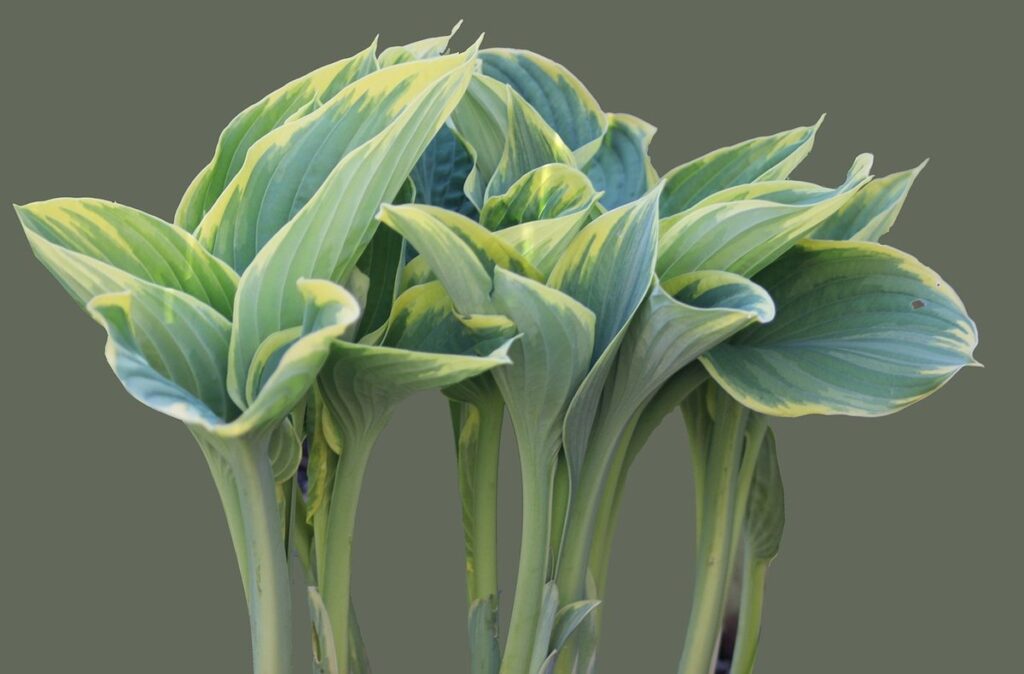
In woodland gardens, perennials with attractive foliage or summer blooms can add vibrancy and interest during the warmer months. Take hostas, for example – these versatile plants offer broad, leafy foliage that ranges from solid colors to variegated patterns, creating a striking visual effect when mass-planted.
Beyond their foliage, many woodland perennials produce showy flowers in shades of pink, purple, yellow, and white. Coneflowers (Echinacea) are a prime example, with their large, drooping blooms attracting pollinators like bees and butterflies. Other summer-blooming options include coral bells (Heuchera), astilbe, and clematis, which spill over from woodland shrubs and trees.
When selecting perennials for foliage or summer blooms, keep in mind the level of sunlight your garden receives. Many woodland perennials prefer partial shade to full shade, making them ideal choices for areas with dappled sunlight or under dense tree canopies. By incorporating these plants into your woodland garden design, you’ll enjoy a diverse and dynamic display of foliage and flowers throughout the growing season.
Autumn Color and Winter Interest
As the seasons change, woodland gardens come alive with vibrant autumn colors and enduring winter interest. To create a dynamic display of color and texture throughout the year, incorporate perennials that showcase berries, seed heads, and evergreen foliage.
Berries are a stunning addition to any woodland garden, providing a pop of color in autumn and sometimes persisting into winter. Consider planting shrubs like holly (Ilex spp.), winterberry (Ilex verticillata), or dogwood (Cornus spp.) that produce vibrant red, orange, or yellow berries. These not only attract birds but also add visual interest to the garden.
Seed heads are another way to introduce autumn color and texture to your woodland garden. Plants like coneflowers (Echinacea spp.), black-eyed Susans (Rudbeckia hirta), and grasses (e.g., Pennisetum, Miscanthus) produce dramatic seed heads that dry well and persist into winter. Simply leave them standing or tie them up to create a striking display.
Evergreen foliage is essential for year-round interest in woodland gardens. Choose perennials like ferns (e.g., Athyrium, Dryopteris), hostas (Hosta spp.), and hellebores (Helleborus spp.) that keep their leaves throughout the winter months. These can be used as a backdrop for spring-flowering plants or as a standalone feature to add depth and texture to the garden.
Creating a Woodland Garden on a Budget
You’re eager to create a stunning woodland garden without breaking the bank, and we’ve got some fantastic budget-friendly tips to get you started. Let’s explore creative ways to establish a beautiful woodland garden on a shoestring budget.
Repurposing Materials for Paths and Decor
When working with a limited budget to create a woodland garden, getting creative with materials is key. One way to achieve this is by repurposing materials for paths, decorations, and features. For instance, instead of using expensive gravel or stone, consider using reclaimed wood chips or even large leaves to create a natural-looking path.
You can also upcycle old bricks, stones, or broken tiles to create a unique stepping stone feature. This not only adds visual interest but also helps with drainage and erosion control. Another idea is to use branches and twigs to create a wooden trellis or arbor for climbing plants like clematis or honeysuckle.
Remember to always think outside the box when it comes to repurposing materials. Consider what’s readily available in your garden, such as old containers, potting mix bags, or even wooden crates. Get creative with how you arrange and combine these materials to create a unique feature that blends seamlessly into your woodland garden design.
DIY Planters and Supports
When creating a woodland garden on a budget, it’s essential to repurpose and reuse materials rather than buying new. Upcycling old pallets and wooden crates can provide unique planters and supports for your perennials while also reducing waste. To get started, collect sturdy pallets or crates with slats that are at least 1 inch apart. Remove any nails or screws from the top and bottom planks, then disassemble the pallet to create individual boxes.
Use weather-resistant wood glue to secure any loose slats, and consider adding a coat of non-toxic sealant to protect against rot and insects. You can also use wire mesh or chicken wire to line the planters for better drainage. When using wooden crates as planters, make sure they have at least 2-3 inches of depth to accommodate the perennials’ root systems.
For added support, repurpose old tree branches or logs by digging a hole slightly larger than the diameter of the branch and placing it in the ground. Plant your chosen perennial around the base of the support, and secure it with twine or wire for stability. This will not only add visual interest to your woodland garden but also provide structural support for the plants as they grow.
Starting a Woodland Garden from Scratch
Starting from scratch can be intimidating, but establishing a new woodland garden on a budget is definitely achievable. To begin, you’ll need to source affordable plants and materials. Consider scouring local nurseries, gardening clubs, or online forums for free or low-cost plant swaps, divisions, or seed exchanges.
When purchasing plants, opt for species native to your region or those that thrive in woodland conditions. These will not only be more budget-friendly but also better adapted to the local climate and soil type. Websites like Plant Delights or Burpee offer a wide selection of affordable perennials suitable for woodland gardens.
For materials, repurpose items you already have on hand, such as old tree branches or stones, to create garden features like trellises or pathways. If you need to buy new supplies, look for second-hand stores or online marketplaces where you can find gently used gardening tools and equipment at a fraction of the cost.
To keep costs low, start small by focusing on one section of your woodland garden at a time. This will allow you to spread out expenses and enjoy the process of creating a beautiful, thriving ecosystem without breaking the bank.
Frequently Asked Questions
Can I use perennials that prefer full sun in a woodland garden?
No, most perennials for woodland gardens require shade or partial shade to thrive. Select plants that are adapted to the low light conditions found in woodland environments. This will ensure your plants receive the right amount of sunlight and don’t scorch.
How do I care for my woodland perennials during extreme weather conditions?
During hot, dry summers, make sure to water your perennials regularly to maintain soil moisture. In contrast, avoid watering during heavy rainfall or prolonged wet periods. Be cautious not to overwater, as this can lead to root rot and other issues.
What’s the best way to create a layered effect in my woodland garden?
To achieve a layered look, combine plants of varying heights, textures, and bloom times. Incorporate tall perennials like ferns or Astilbe at the back, medium-sized plants like hydrangeas or hostas in the middle, and shorter plants like wild geranium or creeping thyme towards the front.
Can I use native species if my woodland garden is located in a new development area with altered soil conditions?
Yes, while native species are ideal for woodland gardens, they can still thrive in areas with modified soil. However, consider the specific plant’s adaptability to your region and the types of plants mentioned in this article that have been known to succeed in new developments.
How do I prevent pests like slugs and snails from damaging my perennials?
Use physical barriers like copper tape or crushed eggshells around plants to deter slugs and snails. Consider hand-picking these pests at night, especially after rainfall when they are most active. Also, encourage beneficial insects by incorporating native flowers that attract pollinators.