
Growing perennials in sandy soil can be a bit of a challenge, but with the right plants and care, you can create a stunning garden that thrives even in dry conditions. If you’re like many homeowners, you’ve probably struggled to keep your plants happy and healthy on sandy soil, which tends to drain quickly and require more frequent watering. But don’t worry, we’ve got you covered! In this comprehensive guide, we’ll explore the best drought-tolerant and sun-loving perennials that can withstand the harsh conditions of sandy soil. We’ll also share expert tips on planting, maintenance, and common mistakes to avoid, so you can create a beautiful and low-maintenance garden that saves you time and money in the long run.
Understanding Sandy Soil and Its Challenges
Sandy soil can be challenging for perennials, but understanding its unique characteristics is key to selecting the right plants. Let’s dive into what makes sandy soil special.
Characteristics of Sandy Soil
Sandy soil has several distinct characteristics that set it apart from other types of soil. One of its most notable features is its loose and granular texture, which allows water to drain quickly through the soil profile. This rapid drainage can be beneficial for some plants, but it also means that sandy soil tends to dry out rapidly between watering sessions. As a result, perennials growing in sandy soil need to be drought-tolerant or adapted to these conditions.
Another characteristic of sandy soil is its low nutrient-holding capacity. Sandy soils often lack essential nutrients like nitrogen, phosphorus, and potassium due to their high water infiltration rates and lack of organic matter. This can make it challenging for plants to access the necessary nutrients for healthy growth. However, many perennials have adapted to these conditions over time and can thrive in sandy soil with minimal maintenance.
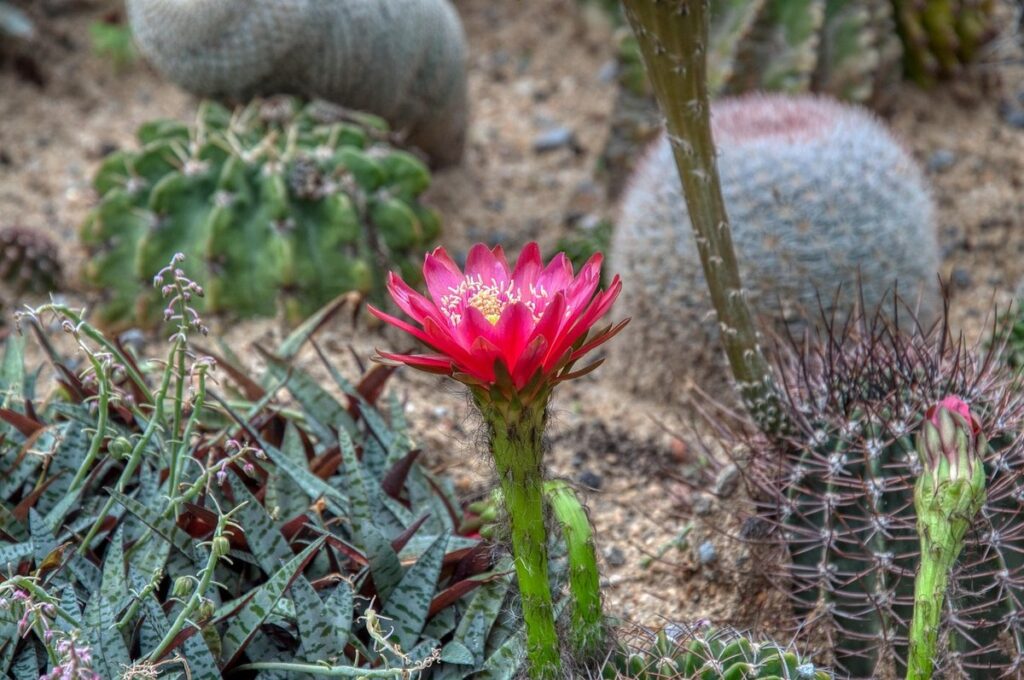
To choose the right perennials for your sandy soil, look for species that are tolerant of drought, nutrient-poor soils, or those that have deep roots to seek out additional moisture and nutrients. Consider plants like succulents, yarrow, and bee balm, which are well-suited to these conditions and can add beauty and resilience to your garden despite the challenges presented by sandy soil.
Challenges of Growing in Sandy Soil
Growing plants in sandy soil can be a challenge due to its inherent characteristics. One of the main difficulties gardeners face is erosion, which occurs when water rapidly drains through the soil, carrying topsoil and nutrients away with it. This can lead to loss of fertile land and reduced plant growth. To mitigate this issue, gardeners can use mulch or cover crops to hold the soil in place.
Another challenge associated with sandy soil is waterlogging, particularly during periods of heavy rainfall. When the water table rises, it can cause roots to rot, leading to plant decline or death. In such cases, using plants that are tolerant of wet conditions or installing proper drainage systems can help alleviate this issue.
Nutrient leaching is also a significant concern in sandy soil, as its low nutrient-holding capacity means that essential nutrients are quickly washed away. To combat this, gardeners should fertilize their plants regularly and choose varieties that require fewer nutrients. By understanding these challenges and taking steps to address them, gardeners can create more resilient and thriving gardens in areas with sandy soil.
Choosing the Right Perennials for Sandy Soil
When selecting perennials for your sandy soil, you’ll want to focus on plants that are drought-tolerant and have deep root systems to compensate for the poor water retention. This section will help you make those key decisions.
Drought-Tolerant Perennials
When choosing drought-tolerant perennials for sandy soil, consider plants that have evolved to thrive in areas with low water availability. Yarrow (Achillea millefolium) is an excellent choice, as it can survive with minimal watering and requires well-drained soil. Its fern-like foliage and white or yellow flowers add a delicate touch to any landscape.
Coneflower (Echinacea spp.) is another great option for sandy soil, tolerating drought conditions and producing stunning purple, pink, or white blooms. Black-eyed Susan (Rudbeckia hirta) is also a low-maintenance perennial that thrives in sandy soil, producing bright yellow flowers with dark centers.
These perennials have adapted to survive with minimal watering by developing deep root systems and waxy leaves that reduce transpiration. Plant them in areas with full sun and well-drained soil to maximize their water efficiency. By incorporating these drought-tolerant perennials into your landscape, you can create a beautiful and sustainable garden without the need for frequent watering.
Sun-Loving Perennials
When it comes to sunny spots with sandy soil, you’ll want perennials that can thrive in dry conditions without wilting. Russian sage is an excellent choice for these areas, tolerating heat and drought with ease. Its silvery-gray foliage adds a beautiful contrast to the surroundings, making it a great ornamental plant.
Another sun-loving perennial that excels on sandy soil is lavender. This low-maintenance beauty requires minimal watering and can handle full sun all day long. With its stunning purple blooms in summer, lavender adds a touch of elegance to any garden bed.
If you’re looking for something a bit more vibrant, consider bee balm. This fragrant perennial produces red, pink, or purple flowers that attract pollinators and hummingbirds. Its tubular shape makes it an excellent choice for hot, dry spots where other plants might struggle.
To grow these perennials successfully on sandy soil, remember to provide sufficient space between each plant to allow for proper air circulation. Mulch around the base to retain moisture and suppress weeds. Water them thoroughly during their first growing season to establish a strong root system. With a little care, these sun-loving perennials will reward you with stunning blooms year after year.
Plant Selection Criteria for Sandy Soil
When choosing perennials for your sandy soil, selecting plants that thrive in well-draining conditions is crucial to their success and longevity. We’ll cover key factors to consider when making this selection process easier.
Soil Tolerance
When selecting perennials for sandy soil, it’s essential to consider their ability to tolerate poor soil conditions. One key factor is the depth of a plant’s roots. Perennials with deep taproots, such as coneflowers (Echinacea spp.) and black-eyed Susans (Rudbeckia hirta), are better equipped to handle sandy soils because they can access water deeper in the soil profile.
Other perennials have adaptations for water conservation that make them suitable for sandy soil. For example, yarrow (Achillea millefolium) has a shallow root system but produces an abundance of foliage, which helps retain moisture. Additionally, some perennials like sedum and succulents are naturally drought-tolerant due to their waxy or thick leaves that store water.
When choosing perennials for your sandy soil, look for plants with these characteristics. You can also consider plants native to dry or sandy areas of your region. By selecting perennials that have evolved to thrive in similar conditions, you’ll be more likely to succeed in growing healthy and resilient plants in your sandy soil garden.
Hardiness Zone Considerations
When selecting perennials for your sandy soil garden, it’s crucial to consider the hardiness zone of the plants. The hardiness zone determines which plants can thrive in your specific region and withstand local weather patterns.
In general, most perennials fall into zones 3-9 on the USDA Hardiness Zone Map. However, this doesn’t mean you can simply choose a perennial from any higher or lower zone without considering its actual tolerance to heat or cold extremes. For example, a perennial that’s hardy in zone 5 might still struggle with temperatures above 90°F (32°C) or prolonged periods of frost.
To ensure your perennials thrive, research the specific temperature and moisture tolerances for each plant you’re interested in. Check the plant label, consult with local nurseries or gardening experts, or look up online resources like the USDA Plant Hardiness Zone Map. By choosing perennials that are adapted to your local climate, you’ll enjoy healthier plants, reduced maintenance, and a more resilient garden overall.
Remember, it’s always better to err on the side of caution when selecting perennials for sandy soil in areas with extreme weather conditions.
Planting and Maintenance Tips for Sandy Soil Perennials
When planting perennials in sandy soil, it’s essential to know how to provide the right care to ensure they thrive. This section will cover key tips for successful planting and maintenance of your sandy soil perennials.
Preparing the Site
Preparing sandy soil for perennials requires some extra TLC to ensure they get off to a healthy start. Before planting, it’s essential to add organic matter to improve the soil‘s structure and fertility. Mix in a 2-3 inch layer of compost or well-rotted manure into the top 6-8 inches of soil. This will help sandy soil retain moisture, suppress weeds, and provide nutrients for your perennials.
You’ll also want to adjust the pH levels if necessary. Most perennials prefer slightly acidic to neutral soil with a pH between 6.0 and 7.0. If your soil is too alkaline or acidic, amend it with lime (to raise pH) or peat moss or sulfur (to lower pH). A soil test will give you an accurate reading of your soil’s pH levels.
Keep in mind that sandy soils can be prone to nutrient deficiencies, especially nitrogen and potassium. Consider adding a balanced fertilizer specifically formulated for sandy soils according to the manufacturer’s instructions. This will provide essential nutrients for healthy growth and blooming. By taking these steps, you’ll create a welcoming environment for your perennials to thrive in sandy soil.
Watering Strategies
When it comes to watering perennials in sandy soil, frequency and depth are crucial. Sandy soil dries out quickly due to its low water-holding capacity, so you’ll need to water more frequently than for plants grown in well-draining clay or loam soils.
As a general rule of thumb, aim to provide about 1 inch of water per week to your sandy soil perennials. You can achieve this by watering every other day during hot summer months and reducing the frequency as temperatures drop. Make sure not to overwater, which can lead to root rot and other problems in these plants.
Water at a depth that reaches the roots of the perennial, but avoid flooding the plant’s crown or leaves. For most perennials, this means watering up to 6-8 inches deep. To check the soil moisture level, stick your finger into the soil about an inch deep – if it feels dry, it’s time to water.
Remember that different perennials have varying watering needs, so research specific requirements for the plants in your garden. For example, plants like coneflowers and black-eyed Susans are relatively drought-tolerant, while others like daylilies may need more frequent watering.
Common Mistakes to Avoid When Growing Perennials in Sandy Soil
Growing perennials in sandy soil can be tricky, so it’s essential to know what common mistakes to avoid, like overwatering and poor soil preparation. Let’s take a look at some crucial pitfalls to steer clear of.
Overwatering
Overwatering is one of the most common mistakes gardeners make when growing perennials in sandy soil. Sandy soil drains quickly, but this doesn’t mean it can handle excessive watering. In fact, overwatering can be devastating for perennials grown in sandy soil.
When you water your perennials too much, the excess moisture can cause root rot. This is a fungal disease that attacks the roots of plants, causing them to decay and eventually killing the plant. Fungal diseases like root rot thrive in moist environments, making overwatering a perfect breeding ground for these pathogens.
Overwatering can also lead to erosion on sandy soil. When water pools on the surface, it can wash away topsoil, carrying nutrients and beneficial microorganisms with it. This not only harms the plant but also degrades the soil quality, making it even more challenging to grow perennials in the future.
To avoid overwatering, be mindful of your watering schedule. Check the soil moisture by inserting your finger into the soil up to the knuckle. Water only when the top 2-3 inches of soil feel dry to the touch. Reduce watering during periods of drought or when the plant is dormant.
Underplanting
When underplanting perennials in sandy soil, it’s essential to consider the long-term effects on plant growth and nutrient levels. Underplanting involves placing smaller plants beneath larger ones, which can lead to reduced light and air circulation for the smaller plants. As a result, these plants may struggle to access essential nutrients, such as nitrogen, phosphorus, and potassium.
This phenomenon is often referred to as “shading” or “competing” roots, where the roots of the overtopping perennial crowd out those of the underplanting perennials. In sandy soil, which already has limited nutrient-holding capacity, this can exacerbate deficiencies in these vital nutrients. For example, if you’re planting a low-growing groundcover like creeping thyme beneath a tall shrub or flower like lavender, the thyme may struggle to absorb enough nitrogen due to reduced root space and competition from the overtopping plant’s roots.
To avoid this issue, consider the mature size of each plant and leave sufficient space for air circulation and light penetration. This will help prevent nutrient deficiencies and promote healthy growth in your perennials, even in challenging sandy soil conditions.
Additional Resources for Gardeners with Sandy Soil
For gardeners struggling to keep perennials thriving on sandy soil, we’ve curated a list of recommended resources to help you succeed in your gardening endeavors. These additional resources offer expert advice and support to overcome common challenges.
Online Forums and Communities
If you’re struggling to grow perennials in sandy soil, don’t worry – you’re not alone. Connecting with other gardeners who face similar challenges can be incredibly helpful. Online forums and communities are a great place to start.
Some excellent online resources for gardeners with sandy soil include the Perennial Plant Association’s forum, where experts share advice on perennial care, including tips for growing in challenging soils like sand. You can also join online gardening groups on platforms like Facebook or Reddit, where you’ll find dedicated forums for discussing various aspects of gardening, from plant selection to problem-solving.
Forums like GardenWeb and Houzz are also valuable resources, offering a space to ask questions, share experiences, and learn from others who have successfully grown perennials in sandy soil. By joining these communities, you can tap into the collective knowledge and expertise of experienced gardeners, gain practical advice on how to overcome common challenges, and develop a more informed approach to growing your favorite perennials in sandy conditions.
To get the most out of online forums and communities, don’t be afraid to ask questions or share your own experiences. Many experts are eager to help, and by engaging with others, you can build a network of peers who support and inspire you throughout your gardening journey.
Local Nurseries and Gardening Experts
Consulting local nurseries and gardening experts who have experience working with sandy soils is essential for gardeners struggling to grow perennials in this challenging environment. These experts have spent years studying the unique conditions of sandy soil, including its propensity to drain water too quickly, leaving roots parched and dry.
They can offer valuable insights into which perennials are best suited for your specific region’s climate and soil type. For example, they may recommend low-maintenance plants like succulents or yarrow that require minimal watering, or tall grasses that help stabilize the soil and prevent erosion.
Local nurseries also often have extensive experience with soil modification techniques, such as adding organic matter or mulch to improve the soil’s structure and fertility. They can guide you on how to create a more balanced soil ecosystem, one that will support the growth of perennials even in the most challenging conditions.
Ask your local nursery for advice on which perennials are currently thriving in their garden beds, and take note of any specific care requirements they recommend.
Frequently Asked Questions
Can I grow perennials in sandy soil without making significant changes to my garden’s soil structure?
Yes, you can still grow perennials in sandy soil without extensive modifications. However, consider adding organic matter like compost or well-rotted manure to improve the soil’s water-holding capacity and fertility. This will help your plants thrive even on poor soils.
How often should I water perennials in sandy soil during hot summer months?
Watering frequency depends on various factors, including temperature, humidity, and wind. As a general rule, check the soil moisture by inserting your finger into the soil up to 2-3 inches deep. Water when it feels dry to this depth. Aim for about 1 inch of water per week, either from rain or irrigation.
What are some common mistakes to avoid when planting perennials in sandy soil?
Overwatering and underwatering are common pitfalls when growing perennials in sandy soil. Be cautious not to overwater, as this can lead to root rot. Conversely, avoid underwatering, which may cause plants to suffer from drought stress.
How do I choose the right size of planting site for my perennials?
Select a spot with sufficient space for your chosen perennial’s mature spread. Consider factors like sunlight exposure, air circulation, and accessibility when planning your garden bed layout. A general rule is to provide at least 12-18 inches between larger plants.
Can I grow perennials in containers on sandy soil, or should I opt for a raised bed?
Both options work well, but consider the specific needs of your chosen perennials. If you’re growing in containers, ensure they have good drainage holes to prevent waterlogged soil. Raised beds can also be an excellent solution, as they allow for better soil control and improved moisture retention.