
Creating a beautiful and thriving cottage garden can be a dream come true. But, let’s face it, making it happen requires some knowledge and planning. One of the most essential elements of a stunning cottage garden is perennials – plants that bloom season after season without needing to be replanted every year. Not only do they provide vibrant colors and textures, but they also require less maintenance than annuals, making them perfect for busy gardeners. In this ultimate guide, we’ll walk you through the process of selecting, planting, and maintaining perennials in your cottage garden. From choosing the right varieties to tips on how to keep them thriving, we’ve got you covered. Whether you’re a seasoned gardener or just starting out, this article will provide you with everything you need to know to create a breathtaking perennial display that brings joy to your outdoor space for years to come.
Choosing the Right Perennials for Your Cottage Garden
When selecting perennials for your cottage garden, choosing varieties that thrive in your climate and bloom at different times is essential to create a vibrant and dynamic display all season long.
Considerations for Sun and Shade
When selecting perennials for your cottage garden, it’s essential to consider the amount of sunlight each area receives. Sun and shade patterns can significantly impact plant growth, flowering, and overall health.
Start by assessing your garden’s sun exposure. Walk through your garden during different times of day to identify areas that receive full sun, partial shade, or full shade. Full sun areas typically receive direct sunlight for at least six hours a day, while partial shade areas receive dappled light or indirect sunlight for 4-6 hours a day. Full shade areas are in deep shade for most of the day.
Match your perennials with their preferred sun conditions to ensure they thrive. For example, sun-loving plants like lavender and coneflower require full sun, while shade-tolerant plants like hostas and ferns prefer partial or full shade. Consider incorporating a mix of both sunny and shady areas in your garden to create visual interest and attract a variety of wildlife.
Remember, some perennials can tolerate varying levels of sunlight, but will still perform best with proper placement. Research specific sun requirements for each plant you’re considering to make informed choices about where they’ll thrive in your cottage garden.
Popular Perennial Options for Cottage Gardens
When it comes to creating a lush and vibrant cottage garden, selecting the right perennials is crucial. Among the many options available, some popular choices that consistently deliver stunning results are peonies, hydrangeas, and daylilies.
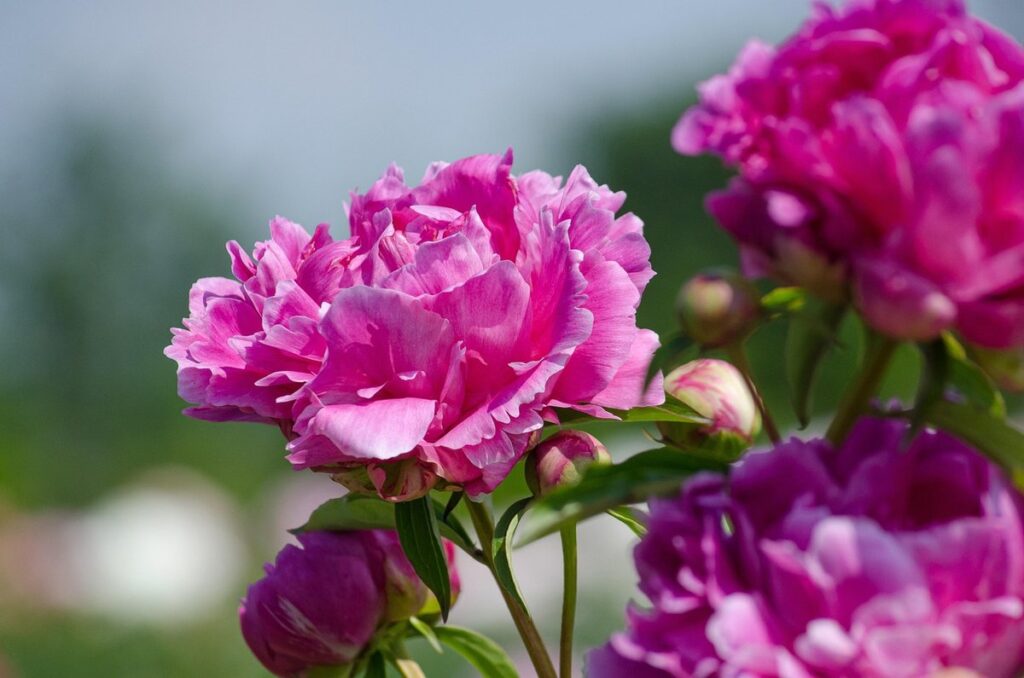
Peonies are a timeless favorite among gardeners, and for good reason – their large, showy flowers come in a range of colors and bloom in late spring. With proper care, these perennials can thrive for decades. They prefer well-drained soil and full sun to partial shade, making them adaptable to various cottage garden settings.
Hydrangeas are another versatile option that offers beautiful blooms on both small and large scales. Bigleaf hydrangeas produce stunning blue or pink flowers in the summer months, while panicle hydrangeas provide a pop of color with white or pink flowers in mid-summer.
Daylilies, meanwhile, offer years of low-maintenance beauty. With hundreds of varieties to choose from, these perennials can thrive in a variety of conditions and bloom colors. They require minimal upkeep, making them perfect for busy gardeners. By incorporating one or more of these popular perennials into your cottage garden design, you’ll create a breathtaking display that attracts pollinators and brings joy all season long.
Understanding Soil Requirements
When it comes to creating a thriving cottage garden, understanding your soil requirements is crucial. This may seem obvious, but many gardeners overlook this essential step. Choosing perennials that match their soil type and pH level can make all the difference between a lush, vibrant garden and one that struggles to survive.
To determine your soil type, grab a handful of soil and squeeze it. If it holds its shape, you have clay soil; if it crumbles easily, you have sandy soil; and if it forms a ball but still feels slightly gritty, you have loam. If you’re unsure, consider taking a soil test to get an accurate reading.
Keep in mind that even if your soil type is suitable for the perennials you’ve chosen, pH levels can still affect their growth. Most perennials prefer a slightly acidic to neutral soil pH (around 6-7). However, some species like azaleas and rhododendrons require more acidic conditions. If necessary, use lime or sulfur to adjust your soil’s pH level.
When adjusting your soil, start with small increments (about 1/4 cup per square foot) and retest regularly to avoid over-correcting. For example, if you’re trying to reduce the acidity of your clay soil, mix in some lime and wait a few months before taking another test.
Designing a Cohesive Perennial Border
When designing a perennial border, it’s easy to get overwhelmed by the vast array of choices – selecting plants that work together in harmony is key. Let’s break down some essential tips for creating cohesive beauty.
Creating a Visual Impact
When creating a visual impact with your perennial border, it’s essential to consider three key elements: color schemes, texture combinations, and height layering. A well-designed color scheme can add depth and interest to your garden. For example, pair bold, bright flowers like peonies or delphiniums with softer, pastel-hued blooms like coneflowers or catmint.
To create a visually appealing border, consider combining different textures, such as the soft foliage of ornamental grasses or the delicate petals of bellflowers with the sturdy stems of daylilies. Layering heights is also crucial – mix short and tall plants to create a sense of movement and energy in your garden. For instance, place tall blooms like sunflowers or hollyhocks towards the back, while shorter varieties like creeping thyme or sedum spill over the front edges.
Mixing annuals with perennials can add dynamic movement throughout the season. Plant annuals like marigolds or petunias among your perennials to create a striking visual contrast. This not only adds color and texture but also fills gaps in your border when perennials are dormant.
Layering and Texture in Your Perennial Garden
Layering and texture are crucial elements to consider when designing a perennial border for your cottage garden. Think of it as creating a three-dimensional landscape with varying heights and textures that draw the eye and add visual interest.
To achieve layered effects, start by incorporating groundcovers that spill over borders or creep up walls. These low-growing plants, such as creeping thyme or sweet woodruff, provide a lush, verdant base for your garden. Next, introduce mid-level shrubs like hydrangea or lavender that add a soft, airy texture and provide structure.
For the upper level, incorporate tall perennials like delphiniums or cosmos that soar above the others, drawing the eye upwards. When combining these elements, remember to leave space for growth and allow plants to breathe. A good rule of thumb is to group plants by their growing habits and place them in zones according to their mature height.
Consider layering textures too – smooth-leaved plants like hostas pair nicely with fuzzy-leaved ones like lamb’s ear. By combining different heights, textures, and colors, you’ll create a rich tapestry that invites exploration and showcases the beauty of your perennial garden.
Incorporating Focal Points
Creating focal points in your perennial border is an excellent way to add visual interest and draw attention to specific areas of your garden. One effective strategy is to use statement plants that have bold foliage, vibrant flowers, or unique textures. For example, a dramatic coneflower (Echinacea) with large, showy blooms can instantly become the focal point of your border.
Another way to create visual interest is by incorporating ornamental features such as sculptures or water features. A strategically placed sundial or birdbath can add a sense of elegance and sophistication to your garden. Just be mindful of scale – a small sculpture may get lost in a large bed, but a larger one can overwhelm the space.
To maintain a balanced look throughout the season, consider layering plants with different bloom times. This ensures that your border remains visually appealing even when some plants are not in flower. For instance, combine early-blooming perennials like crocuses or daffodils with mid-summer bloomers like black-eyed Susans or coneflowers. By thoughtfully incorporating focal points and layering your plantings, you can create a beautiful and dynamic perennial border that changes with the seasons.
Planting and Maintenance Tips
Now that you’ve chosen your perennials, let’s dive into the specifics of planting and maintaining them for a thriving cottage garden. With these expert tips, you’ll be on your way to effortless gardening.
Preparing the Soil Before Planting
Before planting perennials in your cottage garden, it’s essential to prepare the soil properly. This involves testing the pH level of your soil, which can be done using a DIY kit or by sending a sample to a laboratory for analysis. Most perennials prefer a slightly acidic to neutral soil pH (around 6.0-7.0), so if your test results show alkaline or acidic levels, you’ll need to make adjustments.
To create an optimal growing environment, add organic matter like compost or well-rotted manure to improve the soil‘s fertility and structure. Aim for a mix that’s rich in humus, which will help retain moisture, suppress weeds, and regulate nutrient availability. If your garden has poor drainage, consider installing a French drain or raised beds with good aeration.
Creating a favorable microclimate within your perennial garden is also crucial. This can be achieved by incorporating plants with different growth habits, textures, and foliage colors to create visual interest and attract beneficial insects like bees and butterflies. Consider adding native species that thrive in your local climate to reduce maintenance needs and support biodiversity.
Watering and Fertilizing Your Perennials
When it comes to watering and fertilizing your perennials, getting it right is crucial for their health and beauty. In a cottage garden setting, where plants are often densely packed, proper watering and fertilization practices can make all the difference.
To determine the optimal watering schedule for your perennials, consider factors such as soil type, climate, and sun exposure. For example, if you have sandy soil, you’ll need to water more frequently to prevent drying out. On the other hand, clay soils tend to retain moisture well, so less frequent watering is usually sufficient.
In terms of fertilization, choose a balanced fertilizer (e.g., 10-10-10 NPK) for most perennial species. However, some plants have specific requirements – for instance, hydrangeas need acidic soil and require more iron-based fertilizers. To make things easier, you can divide your perennials into three groups based on their fertilization needs: heavy feeders (like rhododendrons), moderate feeders (such as daylilies), and light feeders (including sedums).
Deadheading and Dividing Perennials
Deadheading and dividing perennials are essential maintenance tasks that will keep your cottage garden looking its best throughout the growing season. By removing spent flowers, you encourage repeat blooming and direct the plant’s energy towards producing new growth.
When to deadhead is an important consideration. For example, if a perennial produces long stems with clusters of small flowers like catmint (Nepeta) or Russian sage (Perovskia), it’s best to remove individual blooms as they fade, which will encourage new flowers to grow from the nodes. However, for perennials with showy single blooms like peonies (Paeonia) or daylilies (Hemerocallis), it’s better to wait until the blooms have fully faded before cutting back the stem.
Dividing perennials is another crucial step in their maintenance cycle. Every 3-4 years, you should dig up and replant perennials like hostas (Hosta) or daylilies to maintain their health and vigor. Remove any dead or dying foliage, then use a garden fork to gently separate the roots before replanting the divisions at least 6-8 inches apart.
Regularly deadheading and dividing your perennials will ensure they continue to thrive and provide you with years of beauty in your cottage garden.
Common Pests and Diseases in Cottage Gardens
While cottage gardens can be a haven for wildlife, they’re also vulnerable to pests and diseases that can quickly spread through your carefully curated perennials. Let’s take a look at some common culprits to watch out for.
Identifying Common Problems
As you tend to your cottage garden, it’s essential to keep an eye out for common pests and diseases that can affect perennials. Early detection is key to preventing these issues from spreading and causing long-term damage.
Some of the most common pests to look out for include slugs and snails, which can leave behind silvery trails on leaves and stems. Aphids are another issue, often appearing as small, soft-bodied insects on new growth. Whiteflies and spider mites may also be present, causing yellowing or bronzing of leaves.
Fungal diseases like powdery mildew, leaf spot, and root rot can also affect perennials in cottage gardens. Watch for white, cottony growths on leaves (powdery mildew) or black spots on foliage (leaf spot). Root rot typically causes wilting or yellowing plants that don’t respond to watering.
To diagnose these issues early on, inspect your plants regularly and look for telltale signs of infestation or infection. Keep an eye out for unusual growth patterns, discoloration, or damage to leaves, stems, or roots. If you suspect a problem, take action promptly by isolating affected plants, adjusting watering habits, or using organic pest control methods.
Organic Solutions for Pest Control
When it comes to maintaining a thriving cottage garden, effective pest control is crucial. However, relying on harsh chemicals can harm the very plants you’re trying to protect. Fortunately, there are numerous organic solutions that can help you keep those pesky pests at bay.
One of the most popular natural deterrents is neem oil. Derived from the seeds of the neem tree, this oil disrupts insect growth and development, ultimately killing them off. Mix a few drops with water according to the label’s instructions and spray it directly on affected plants. For added protection, you can also use diatomaceous earth – a powder made from fossilized algae that dehydrates insects when they come into contact with it.
To deter those pesky slugs and snails, try using crushed eggshells or copper tape around the base of your plants. The sharp edges of these materials will deter them from crossing over. Another effective method is to create a barrier using fine mesh or row covers – preventing them from reaching your plants altogether. By incorporating these simple yet effective organic methods into your gardening routine, you’ll be well on your way to maintaining a balanced and thriving cottage garden ecosystem.
Seasonal Care for a Thriving Perennial Garden
To keep your cottage garden looking its best, it’s essential to provide seasonal care that meets the changing needs of your perennials throughout the year. This involves adapting your maintenance routine to accommodate each plant’s unique requirements.
Spring Preparation
As we transition from winter to spring, it’s essential to give your perennial garden some TLC. Spring is an ideal time to revive and rejuvenate your plants, ensuring they thrive throughout the growing season.
Start by deadheading winter-blooming plants like snowdrops, hellebores, and winter aconite. These early bloomers have already put on a show, but removing spent flowers will encourage them to produce more blooms in the future. Simply snip off faded flowers at their base, leaving the foliage intact.
Next, focus on pruning deciduous shrubs like roses, hydrangeas, and weigela. Prune these shrubs immediately after they finish blooming, as this is when they are most vigorous and can withstand heavy pruning. Remove any dead or damaged branches, cutting them back to about 6-8 inches from the ground.
Now’s also a great time to fertilize dormant bulbs like tulips, daffodils, and grape hyacinths. Apply a low-nitrogen, high-potassium fertilizer to promote root growth and encourage blooming when they emerge in spring. Water thoroughly after application to ensure the fertilizer reaches the roots.
Summer Tips and Tricks
As the summer months approach, it’s essential to implement strategies that will keep your perennial garden thriving. One of the most effective ways to retain moisture and reduce watering frequency is through mulching. Apply a 2-3 inch layer of organic mulch around your perennials, keeping it a few inches away from plant stems. This simple technique can save you time and effort while minimizing soil temperature fluctuations.
Another crucial aspect of summer care involves staking tall perennials to prevent them from toppling over in the wind or under their own weight. Use bamboo stakes or soft twine to support plants like delphiniums, hollyhocks, or sunflowers. Make sure to install stakes early enough so that roots have time to develop without interference.
To keep your perennial garden pest- and disease-free during the warm weather, be vigilant about inspecting for signs of common issues like aphids, powdery mildew, or black spot. Remove weeds regularly, which can harbor pests and diseases, and avoid overwatering, which can exacerbate problems. Use organic pest control methods whenever possible and keep a record of your maintenance activities to identify any patterns or areas for improvement.
Conclusion: Creating a Timeless Cottage Garden
As you’ve seen throughout this guide, selecting the right perennials is crucial for creating a charming and low-maintenance cottage garden. But what truly sets a timeless cottage garden apart is not just the plants themselves, but how they’re combined to create a cohesive and inviting space. To achieve this, consider incorporating a mix of structural elements like tall shrubs or conifers to provide year-round interest, as well as ornamental grasses that sway gently in the breeze. Balance these with colorful perennials that bloom at different times to ensure a constant display of flowers throughout the growing season. By thoughtfully planning and curating your cottage garden, you’ll be able to enjoy its beauty for years to come.
Frequently Asked Questions
What if I’m new to gardening and don’t know how to assess my garden’s sun exposure?
Start by observing your garden during different times of day, taking note of which areas receive direct sunlight and when they’re shaded. You can also use online resources or consult with local nurseries for guidance on determining the sun patterns in your area.
Can I combine annuals with perennials to create a more dynamic display?
Yes, combining perennials with annuals is a great way to add diversity and interest to your garden. Just be sure to choose complementary plants that thrive in similar conditions and bloom at different times to ensure year-round beauty.
How do I protect my perennials from extreme weather conditions like frost or heatwaves?
To protect your perennials from frost, apply a layer of mulch or straw around the base of the plants to insulate them. For heatwaves, provide shade for your plants during the hottest part of the day by using shade cloth or other shading materials.
What if I notice pests or diseases affecting my perennials? How can I control them organically?
When dealing with pests or diseases, inspect your plants thoroughly and remove any affected areas to prevent further damage. For organic pest control, try introducing beneficial insects like ladybugs or lacewings, which prey on common garden pests. You can also use neem oil or insecticidal soap as a last resort.
How often should I water and fertilize my perennials, especially during times of drought or extreme weather?
Water your perennials deeply but infrequently to encourage deep root growth and make them more resilient to drought. Fertilize your perennials in the spring when new growth begins, using a balanced fertilizer to promote healthy growth and flowering.