
If you live in a coastal area, you know how challenging it can be to create a beautiful and resilient garden. Salt spray, drought, and wind are just a few of the obstacles that can make gardening by the sea a daunting task. But don’t worry, there’s hope! With the right perennials, you can create a stunning coastal landscape that not only withstands the harsh conditions but also blooms with vibrant colors all year round. In this article, we’ll guide you on how to choose and maintain low-maintenance perennials for your coastal garden, ensuring they thrive despite the salt-laden air and strong winds. From drought-tolerant plants to those that can handle heavy salt spray, we’ve got you covered.
Understanding Coastal Gardening Conditions
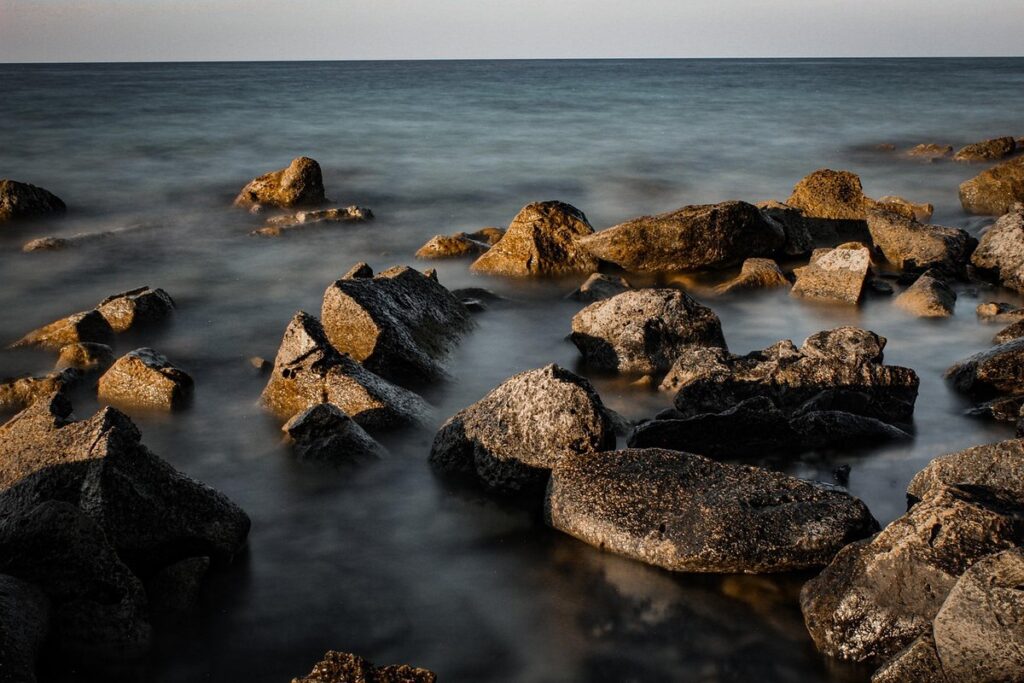
Coastal gardening presents unique challenges due to salt-laden air and shifting soil conditions, making it essential to choose perennials that can thrive in these environments. Let’s explore the key factors affecting coastal gardening conditions.
The Challenges of Coastal Gardening
Coastal gardening can be a thrilling experience, but it comes with its set of unique challenges that can make growing perennials a bit more complicated. One of the biggest hurdles is dealing with salt spray, which can be devastating to plants if not managed properly. Salt spray can seep into the soil and damage roots, making it difficult for plants to absorb water and nutrients. It’s essential to choose perennials that are tolerant of salt spray or take necessary precautions like using raised beds and mulching.
High winds are another significant challenge coastal gardeners face. Perennials need a certain level of stability to thrive, but high winds can knock them over, causing damage and stress. Look for plants with sturdy stems and a broad root system to help anchor them in place. Shifting soil conditions are also a concern, as the constant movement of sand and silt can make it difficult for roots to establish themselves. This is why it’s crucial to choose perennials that are adaptable and can handle changing soil conditions.
Assessing Your Garden’s Exposure to Salt Spray
When spending time outdoors in coastal gardens, it’s easy to underestimate the impact of salt spray on our plants. To ensure we’re choosing the right perennials for our landscape, we need to assess the level of salt spray exposure in our garden.
Start by observing the area where you want to plant your perennial. Is it located near a beach or an oceanfront property? Are there any nearby roads that carry salt-laden air from the sea? Take note of any areas where water accumulates after rainfall, as this can be a breeding ground for salt spray. A simple observation will help you gauge the intensity of salt exposure.
To give you a better idea, coastal gardens with moderate to high salt levels are typically within 1-5 kilometers (0.6-3 miles) from the ocean. Within this range, you can expect higher concentrations of salt spray during storms and strong winds. Now that you have an understanding of your garden’s exposure, let’s move on to selecting perennials that thrive in these conditions.
Selecting Drought-Tolerant Perennials for Coastal Gardens
When selecting perennials for your coastal garden, it’s essential to choose plants that can thrive in salt-tolerant environments and require minimal watering. This section will guide you through drought-tolerant perennial options.
Characteristics of Drought-Tolerant Plants
When selecting drought-tolerant perennials for your coastal garden, it’s essential to look for plants with specific characteristics that enable them to thrive in water-scarce conditions. One key feature of drought-tolerant perennials is their deep root systems, which allow them to access moisture deeper in the soil profile. This adaptation enables them to survive during periods of drought, when topsoil moisture may be depleted.
Other characteristic features of drought-tolerant perennials include waxy or thick leaves that reduce water loss through transpiration. For example, succulent plants like Echeveria and Sedum have fleshy leaves that store water, reducing the need for frequent watering. Some perennials also develop extensive root systems to exploit moisture from surrounding areas.
When selecting drought-tolerant perennials, consider plants with these adaptations and choose those native to your region or with similar climate conditions. This will increase their chances of success in your coastal garden. Look for species with a history of survival in water-limited environments.
Top 10 Drought-Tolerant Perennials for Coastal Gardens
When it comes to selecting drought-tolerant perennials for coastal gardens, there are several options that can thrive with minimal watering requirements. Here are some top picks:
One of the most obvious choices for coastal gardens is succulents, which come in a wide range of shapes and sizes. These plants store water in their leaves or stems, allowing them to survive extended periods without rainfall. Varieties like Aloe vera and Echeveria are perfect for adding texture and color to your garden.
Sedum is another popular choice for coastal gardens, with over 600 species to choose from. They come in a variety of shapes, sizes, and growth habits, making them suitable for different garden styles. Some popular varieties include Sedum spectabile and Sedum kamtschaticum.
Yucca is also a great option for coastal gardens, with many species tolerating salt spray and strong winds. They’re often used as a landscape accent or focal point in the garden. When choosing yucca, look for varieties like Yucca filamentosa and Yucca rostrata.
Other top picks include Sea lavender (Lavandula stoechas), Beach sunflower (Helianthus debilis), and Blazing star (Liatris spp.). These plants not only tolerate drought but also add a splash of color and interest to the garden. When planting in coastal gardens, be sure to choose varieties that are resistant to salt spray and strong winds.
Choosing Salt-Tolerant Perennials for Coastal Gardens
When selecting perennials for your coastal garden, you’ll want to focus on plants that can thrive in salty conditions and withstand ocean breezes. This section will guide you through some top salt-tolerant perennial options.
Understanding the Differences Between Salt Tolerance and Drought Tolerance
When selecting perennials for your coastal garden, it’s essential to understand the differences between salt tolerance and drought tolerance. While these terms are often used interchangeably, they refer to distinct characteristics that are crucial for plant survival in coastal environments.
Salt tolerance refers to a plant’s ability to withstand high salt levels in the soil and air. Coastal gardens are exposed to sea spray, which can contain high concentrations of salt. Perennials with good salt tolerance can handle these conditions without suffering from damage or death. On the other hand, drought tolerance is the plant’s ability to survive with minimal water. Coastal gardens often experience dry spells during hot summer months, making drought-tolerant plants an excellent choice.
Some perennials excel in both areas, such as succulents like Aloe and Echeveria, which have thick leaves that store water and can tolerate high salt levels. Others, like Beach Sunflower (Helianthus debilis), are specifically adapted to coastal conditions and can thrive in both salty and dry environments.
When selecting perennials for your coastal garden, choose plants that have demonstrated salt tolerance in their natural habitats or through scientific research. By doing so, you’ll increase the chances of a thriving landscape despite the challenges posed by coastal conditions.
Top 10 Salt-Tolerant Perennials for Coastal Gardens
When designing a coastal garden, choosing perennials that can withstand high levels of salt spray is crucial. Here are ten exceptional options to consider:
Rosemary (Rosmarinus officinalis) and lavender (Lavandula spp.) are popular choices for their ability to thrive in salty conditions. These drought-tolerant plants not only add fragrance to your garden but also repel pests, making them a great addition.
For a statement piece, consider the beach sunflower (Helianthus debilis), which can grow up to 6 feet tall and produces vibrant yellow blooms that withstand salt spray with ease. Another option is the coastal rosemary succulent (Rosmarinus officinalis ‘Prostrate’), perfect for hanging baskets or containers.
Other top performers include beach morning glory (Ipomoea pes-caprae), sea lavender (Lavandula stoechas subsp. pedunculata), and Russian sage (Perovskia atriplicifolia). These perennials can handle high winds, salt spray, and dry soil, making them ideal for coastal gardens.
When selecting from this list, remember to choose varieties that are specifically bred for coastal conditions. This ensures the best chance of success in your salt-tolerant landscape.
Using Ornamental Grasses in Coastal Gardens
When it comes to adding visual interest and texture to your coastal garden, ornamental grasses are a wonderful choice. They thrive in salt-tolerant conditions and come in a variety of shapes and sizes.
Benefits of Ornamental Grasses
Ornamental grasses bring numerous benefits to coastal gardens, making them an excellent choice for salt-tolerant landscapes. One of their most significant advantages is their ability to withstand harsh winds and salt spray, which can be detrimental to other plants.
These hardy plants have adapted to survive in areas with high wind speeds and salty conditions, allowing them to thrive where others might struggle. Their deep roots also help to stabilize soil, preventing erosion caused by strong gusts. This makes them an excellent choice for coastal gardens, where wind and salt can be a significant concern.
In addition to their durability, ornamental grasses offer a range of benefits. They require minimal maintenance, as they don’t need frequent watering or pruning like other plants do. Some species, such as Pampas Grass (Cortaderia selloana), also provide excellent winter interest with their dramatic seed heads and feathery foliage.
When incorporating ornamental grasses into your coastal garden design, consider planting them in groups or masses to create a dramatic visual impact. This can help to break up wind patterns and provide a natural screen from harsh salt spray.
Top 10 Ornamental Grasses for Coastal Gardens
When it comes to adding movement and texture to your coastal garden, ornamental grasses are an excellent choice. Not only do they thrive in salty conditions, but many varieties can tolerate strong winds and coastal exposure. Here are the top 10 ornamental grasses that will not only survive but flourish in your salt-tolerant landscape.
First on our list is Pampas Grass (Cortaderia selloana), a dramatic and striking option that’s perfect for adding height to your garden. Its feathery plumes can reach up to 6 feet tall, creating a stunning focal point. Next up is Blue Oat Grass (Helictotrichon sempervirens), with its delicate blue foliage and golden flowers that dance in the breeze.
Other notable mentions include Fountain Grass (Pennisetum setaceum) for its vibrant pink and purple plumes; Purple Barley (Hakenia japonica) for its beautiful, swaying stems; and Zebra Grass (Miscanthus sinensis), with its striking striped foliage. These grasses are not only visually stunning but also low-maintenance and drought-tolerant, making them perfect for coastal gardens where soil can be poor and water may be scarce.
When choosing ornamental grasses for your coastal garden, remember to consider factors like wind direction, sunlight exposure, and soil type. By selecting the right variety for your specific conditions, you’ll be able to enjoy these beautiful plants for years to come.
Designing a Low-Maintenance Coastal Garden
Now that you’ve chosen your salt-tolerant perennials, let’s focus on designing a coastal garden that’s as beautiful as it is easy to maintain. We’ll cover the best plants and design tips for a stunning low-maintenance landscape.
Tips for Creating a Low-Maintenance Landscape
When designing a low-maintenance coastal garden, it’s essential to choose perennials that can thrive in salt-tolerant conditions. To create a landscape that requires minimal upkeep, focus on effective plant spacing and mulching techniques.
Plant spacing is crucial to prevent overcrowding, which can lead to increased susceptibility to pests and diseases. A general rule of thumb is to leave at least 12-18 inches between plants to allow for adequate air circulation. This also makes it easier to weed and prune without damaging the surrounding foliage.
Mulch is another key component in maintaining a low-maintenance coastal garden. Organic mulches like bark chips or pine straw help retain moisture, suppress weeds, and regulate soil temperature. Apply a 2-3 inch layer of mulch around plants, keeping it a few inches away from stems to prevent rot. Some excellent perennial options for coastal gardens include Beach Sunflower (Helianthus debilis), Saltbush (Atriplex spp.), and Sea Lavender (Lavandula stoechas).
Integrating Native Plants into Your Coastal Garden Design
When designing a coastal garden, incorporating native plants is essential for creating a thriving and sustainable ecosystem. Native plants have evolved over time to withstand the harsh conditions of the coast, including salt spray, high winds, and intense sunlight. By choosing native plants, you’ll not only add natural beauty to your landscape but also provide a vital habitat for local wildlife.
For example, the Beach Morning Glory (Ipomoea pes-caprae) is a stunning coastal native that blooms with vibrant purple flowers from spring to fall. Its delicate tendrils climb up trellises or fences, creating a picturesque focal point in your garden. Similarly, the Sea Lavender (Lavandula stoechas subsp. pedunculata) offers fragrant gray-green foliage and small pink-purple flowers that attract pollinators and add a soothing ambiance to your outdoor space.
To integrate native plants into your coastal garden design, start by researching species native to your region. Consider factors like soil type, sun exposure, and moisture levels when selecting plants that will thrive in your specific climate.
Maintaining Your Coastal Perennial Garden
To keep your coastal perennial garden thriving, regular maintenance is essential to protect plants from salt and wind damage. Proper care involves tasks such as pruning, watering, and fertilizing.
Seasonal Maintenance Tasks for Coastal Gardens
To keep your coastal perennial garden thriving, it’s essential to perform seasonal maintenance tasks. Pruning is a crucial task that helps control the shape and size of plants, promotes healthy growth, and encourages blooming. For coastal gardens, pruning is especially important for salt-tolerant perennials like beach sunflower (Helianthus debilis) and sea lavender (Lavandula stoechas). Remove spent blooms and trim back leggy stems to maintain a balanced appearance.
Deadheading, or removing dead flowers, is another vital task that encourages blooming and prevents seed production. This technique also helps direct the plant’s energy towards producing new growth rather than seeds. For example, remove the faded flowers of daylilies (Hemerocallis spp.) after they’ve bloomed to encourage more blooms.
Fertilizing your coastal perennials is also crucial, especially during the growing season. Use a balanced fertilizer that’s formulated for salt-tolerant plants and follow the manufacturer’s instructions. For example, apply a 10-10-10 NPK fertilizer in early spring when new growth begins. Avoid over-fertilizing, as this can harm your perennials.
These tasks may seem time-consuming, but they’re essential to maintaining the health and beauty of your coastal perennial garden. By incorporating pruning, deadheading, and fertilizing into your seasonal maintenance routine, you’ll be rewarded with a vibrant, thriving landscape that withstands the harsh conditions of the coast.
Troubleshooting Common Issues in Coastal Gardens
Coastal gardens can be stunning, but they also come with their own set of challenges. One common issue is plant damage from salt spray, which can scorch leaves and discolor flowers. To troubleshoot this problem, start by pruning damaged areas to prevent the spread of disease. Then, consider using a salt-tolerant mulch or organic barrier to protect plants from wind-borne salt.
Another issue coastal gardeners face is pest infestations. Slugs and snails are particularly fond of perennials, so keep an eye out for these pests, especially after rainfall. To combat them, try using copper tape around plant stems or hand-picking them at night. Aphids can also be a problem in coastal gardens, attracted to the salt spray that settles on plants. Use neem oil or insecticidal soap to control aphid populations.
Regular maintenance is key to keeping your coastal perennials healthy and thriving. Regularly inspect your plants for signs of stress or damage, and take prompt action if you notice any issues. With a little knowledge and some basic troubleshooting techniques, you can enjoy a vibrant and resilient coastal garden that thrives despite the challenges posed by salt spray and pests.
Frequently Asked Questions
What if I have an existing coastal garden, but the perennials aren’t thriving due to salt spray damage?
If your existing perennials are struggling with salt spray damage, it’s best to replace them with more salt-tolerant varieties. Assess your garden’s exposure to salt spray and choose plants that can withstand high levels of salt in the soil. Consider incorporating ornamental grasses, which are naturally resistant to salt spray and drought.
How do I protect my coastal perennials from extreme weather conditions like hurricanes or strong winds?
To safeguard your coastal perennials from extreme weather, ensure they’re properly secured with stakes or a trellis. Regular pruning can also help reduce wind resistance and prevent damage. Additionally, choose plants with flexible stems that can withstand strong gusts.
What are some additional tips for maintaining my coastal garden during the off-season?
During the off-season, focus on protecting your perennials from extreme temperatures and drying winds. Mulch around the base of plants to retain moisture and insulate roots. Water sparingly, as coastal gardens require less water during cooler months. Also, inspect your garden regularly for signs of pests or diseases.
Can I use the same perennials in both full sun and shaded areas of my coastal garden?
While some perennials can tolerate both full sun and shade, others are best suited for one condition over the other. When choosing perennials, select those that thrive in the specific light conditions found in your garden. For example, hydrangeas prefer partial shade, while succulents excel in full sun.
How do I ensure my coastal garden is low-maintenance and requires minimal upkeep?
To create a low-maintenance coastal garden, focus on selecting drought-tolerant perennials that require less water and care. Use native plants whenever possible, as they’re adapted to local conditions and need less maintenance. Incorporate ornamental grasses for added texture and movement without the need for frequent pruning or watering.