
If you’re tired of struggling with your clay-rich soil, you’re in luck. Planting perennials that thrive in this type of environment can be a game-changer for any garden. Not only are perennials eco-friendly and cost-effective, but they also bring year-round interest to your outdoor space with their diverse colors, textures, and growth habits.
In this article, we’ll delve into the world of perennials that excel in clay soil, covering both native and non-native options. We’ll explore expert tips on planting, maintenance, and troubleshooting common challenges, so you can create a beautiful and resilient garden. Whether you’re a seasoned gardener or just starting out, our guide will help you choose the perfect perennials for your clay soil and enjoy a thriving outdoor oasis.
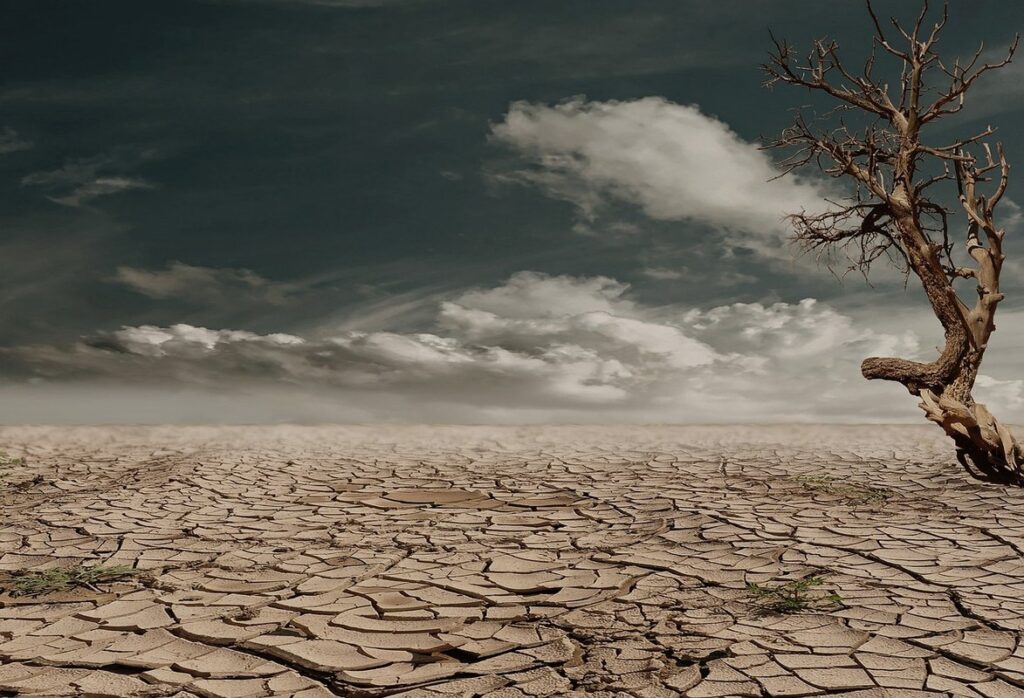
Understanding Clay Soil
Clay soil can be challenging, but understanding its unique properties and how it behaves is key to choosing perennials that will thrive. Let’s dive into what makes clay soil tick.
Characteristics of Clay Soil
Clay soil is known for its distinctive characteristics that can either make it challenging to work with or provide an opportunity for growth. One of the most notable features of clay soil is its high water-holding capacity, which means it can retain moisture and water for longer periods. This characteristic can be both beneficial and detrimental depending on how you manage your garden.
On the one hand, the ability of clay soil to hold water makes it ideal for plants that prefer moist conditions. On the other hand, excessive moisture can lead to poor drainage, causing roots to rot and plants to become vulnerable to disease. Clay soil’s low drainage rate also means that it may be slow to warm up in spring or cool down in fall, which can delay planting schedules.
Another issue with clay soil is its potential for nutrient deficiencies. The compact nature of the soil particles limits air, water, and nutrient circulation, making it difficult for plants to access essential nutrients. As a result, you’ll need to choose perennials that are tolerant of these conditions and take steps to improve the overall health of your garden.
Challenges of Planting in Clay Soil
Planting perennials in clay soil can be challenging due to its dense and water-retentive nature. One of the most common issues gardeners face is root rot, which occurs when excess moisture prevents roots from breathing. This leads to a range of problems, including poor plant growth, yellowing leaves, and eventually, plant death. Poor air circulation is another concern in clay soil, as it can lead to fungal diseases that thrive in humid environments.
To combat these issues, gardeners need to take steps to improve drainage and increase airflow around plants. This can be achieved by adding organic matter like compost or well-rotted manure to the soil, which helps to break up clay particles and improve its structure. Mulching also plays a crucial role, as it prevents moisture from accumulating near plant bases while maintaining a stable temperature.
Regular inspection of your perennials’ roots is essential to prevent root rot. Check for signs of decay or fungal growth, and take action promptly if you notice any issues.
Choosing Perennial Plants for Clay Soil
When selecting perennials for clay soil, it’s essential to choose plants that thrive in these conditions and can tolerate periodic waterlogging. We’ll explore top picks for clay soil in this section.
Native Perennials for Clay Soil
Native perennials are an excellent choice for clay soil conditions because they’ve adapted to thrive in these environments over time. These plants have evolved to conserve water and withstand the unique challenges posed by heavy clay soils.
For example, the American Beautyberry (Callicarpa americana) is a native perennial shrub that produces vibrant purple berries and can tolerate clay soil with ease. Another option is the Little Bluestem Grass (Schizachyrium scoparium), which forms a beautiful tuft of blue-green foliage in spring and turns a golden brown in fall.
If you’re looking for flowering perennials, consider the Purple Coneflower (Echinacea purpurea) or the Black-eyed Susan (Rudbeckia hirta). These plants not only add color to your garden but also attract pollinators like bees and butterflies. When selecting native perennials for clay soil, be sure to choose species that are well-suited to your specific climate zone and soil conditions.
By incorporating native perennials into your garden, you can create a low-maintenance, eco-friendly space that’s perfect for clay soil.
Non-Native Perennials for Clay Soil
When it comes to choosing perennials that can thrive in clay soil, many gardeners assume they must stick with native species. However, there are plenty of non-native perennial plants that not only tolerate but also benefit from clay soil conditions. In fact, some popular varieties even prefer the moist, fertile environment that clay soil provides.
One such example is the peony (Paeonia spp.). These stunning flowers come in a range of colors and are perfect for adding a pop of color to your garden. They thrive in clay soil and can tolerate wet conditions, making them an excellent choice for areas with poor drainage. Another great option is the daylily (Hemerocallis spp.), which is known for its ability to withstand extreme weather conditions, including heavy rainfall.
If you’re looking to add some structure and interest to your garden, consider planting a non-native perennial like the coneflower (Echinacea spp.) or the black-eyed Susan (Rudbeckia hirta). These plants are easy to care for and can thrive in clay soil with minimal maintenance. By choosing non-native perennials that tolerate clay soil conditions, you can add variety and beauty to your garden without sacrificing performance.
Planting Techniques for Success
To thrive in clay soil, you’ll want to master a few key planting techniques that will help your perennials establish strong roots and overcome common challenges. We’ll walk through these essential methods step by step.
Preparing the Soil
Preparing clay soil for planting perennials requires careful attention to its unique characteristics. Clay soil is notoriously dense and prone to waterlogging, which can lead to root rot and other issues. To improve drainage and increase aeration, start by removing any debris or weeds from the area. Next, add organic matter like compost or well-rotted manure to help break down the clay particles and improve soil structure.
Dig in 2-3 inches of compost, working it into the top 6-8 inches of soil. This will not only improve drainage but also provide essential nutrients for your perennials’ growth. If possible, incorporate perlite or vermiculite to further enhance aeration and prevent water from pooling on the surface.
It’s essential to note that over-tilling can compact the soil even more, exacerbating clay’s natural tendencies. Instead, use a gentle turning motion with a fork to loosen the top layer without damaging the underlying structure. By following these steps, you’ll create an environment conducive to healthy root growth and optimal plant performance in your clay soil garden.
Planting Perennial Roots
When planting perennial roots in clay soil, it’s essential to take extra precautions to prevent root rot and promote healthy growth. Clay soil can be dense and prone to waterlogging, which can cause roots to suffocate. To minimize the risk of root rot, plant perennials at a slightly higher elevation than usual. This will help excess water drain away from the roots.
Dig a planting hole that’s about 2-3 times deeper than the height of the perennial’s root system. Add organic matter like compost or well-rotted manure to improve drainage and aeration. Space perennials far enough apart to allow for good air circulation, which will help prevent moisture from accumulating around the roots.
When planting, gently spread the roots out in all directions, making sure not to compact them further. Water thoroughly after planting, but avoid overwatering, which can exacerbate root rot. Keep an eye on soil moisture and adjust watering schedules accordingly. By taking these simple steps, you’ll be well on your way to establishing healthy perennial growth in clay soils.
Maintenance and Care for Clay Soil Perennials
Now that you’ve chosen your clay-loving perennials, let’s talk about how to keep them thriving, including tips on watering, pruning, and fertilizing.
Watering Strategies
When it comes to watering perennials growing in clay soil, it’s essential to strike the right balance between providing enough moisture and avoiding waterlogged conditions that can be detrimental to their health. Clay soil, as we’ve discussed earlier, retains water well but can also become water-logged if overwatered.
Here are a few effective strategies to consider:
* Water your perennials deeply but infrequently to encourage deep root growth and make them more drought-resistant.
* Avoid frequent shallow watering, which can lead to weak and shallow roots that are prone to disease and pests.
* Monitor soil moisture by inserting a finger or a fork into the soil up to the first knuckle; if it feels dry, it’s time for water. If it’s already moist, wait another day or two before checking again.
Some perennials like Hostas, Daylilies, and Salvia are more forgiving when it comes to watering and can handle a bit of neglect. However, others like Geraniums and Peonies require more precise moisture levels.
Fertilization and Mulching
When it comes to maintaining perennials in clay soil, fertilization and mulching are crucial practices that can make a significant difference in their health and resilience. Clay soil tends to retain water, which can lead to waterlogged conditions that starve plants of oxygen. To counteract this, you’ll want to focus on fertilizers that promote drainage and aeration.
A balanced fertilizer with a ratio of 10-10-10 (nitrogen-phosphorus-potassium) is an excellent choice for clay soil perennials. However, avoid over-fertilizing, as this can exacerbate water retention issues. Apply a slow-release fertilizer in early spring or late summer/early fall when the plant is dormant.
Mulching is another vital practice that helps regulate soil temperature and retains moisture. Use organic materials like wood chips, bark, or straw, avoiding pine needles which can alter pH levels. Mulch to a depth of 2-3 inches around the base of plants, keeping it several inches away from stems to prevent rot. Regularly replenish mulch as it breaks down over time.
Remember to monitor your perennials’ specific needs and adjust fertilization and mulching schedules accordingly. With these practices in place, you’ll be well on your way to creating a thriving clay soil perennial garden that’s resilient to extreme conditions.
Common Clay Soil Challenges and Solutions
When working with clay soil, you may encounter challenges that can affect your perennial plant choices. We’ll explore common issues and practical solutions to help you overcome them.
Root Rot and Other Diseases
Clay soil can be challenging to work with, but it’s not just the physical properties of the soil that perennials need to contend with. Diseases and pests are also a major concern for these plants, especially when grown in clay-rich environments. One of the most common issues you’ll encounter is root rot, which occurs when excess moisture causes the roots to decay. This can be exacerbated by poor drainage or overwatering.
Preventing root rot is relatively straightforward: ensure good air circulation around your perennials, avoid overwatering, and consider raising the bed to improve drainage. If you do notice signs of root rot – such as yellowing leaves or a soft, mushy stem – remove the affected plant parts and treat with a fungicide.
Other diseases like powdery mildew and leaf spot can also thrive in clay soil conditions. These issues are often caused by fungi or bacteria that take advantage of moist environments. Keep your perennials healthy by pruning regularly to promote air circulation, removing any infected leaves or stems, and using organic fungicides as a preventative measure.
Regular monitoring is key: keep an eye out for white powdery patches on the leaves (powdery mildew) or small black spots (leaf spot). Address these issues promptly to prevent them from spreading.
Pest Control in Clay Soil Gardens
When it comes to growing perennials in clay soil gardens, one of the biggest challenges you’ll face is dealing with pests. Clay soil’s moisture retention properties create an ideal environment for slugs, snails, and caterpillars to thrive. These unwanted visitors can cause significant damage to your plants, eating away at leaves, stems, and even flowers.
To control these pests, it’s essential to adopt organic methods that minimize harm to the environment. One effective way is to use copper tape or mesh around plant stems. Slugs and snails don’t like to cross over copper, so this barrier will deter them from reaching your perennials. You can also create a beer trap by burying a container filled with stale beer near affected areas – these pests are attracted to the fermented smell!
Another approach is to use natural predators or parasites that target specific pests. For example, introducing beneficial nematodes into the soil can help control caterpillar populations. These microscopic worms attack and kill caterpillars, breaking their life cycle.
Frequently Asked Questions
Can I use perennials from other regions with clay soil, or do I need to choose native ones?
You can consider using non-native perennials for clay soil, but make sure they’re well-suited to your specific climate and region. Non-native plants might require more maintenance, and their invasive potential should be researched beforehand.
How often should I water my clay soil perennials after planting them?
Water newly planted perennials gently but thoroughly during the first growing season. After that, reduce watering to once a week or as needed. Keep in mind that clay soil retains moisture well, so overwatering can lead to root rot and other issues.
What are some signs of root rot in my clay soil perennials?
Watch for yellowing leaves, wilting, and soft stems, which are common indicators of root rot. Regularly inspect your plants’ roots during spring and fall when they’re most active, and take action promptly if you notice any problems.
Can I use organic fertilizers on my clay soil perennials?
Yes! Organic fertilizers like compost or manure can work wonders for clay soil perennials by improving drainage and nutrient availability. Just be sure to apply them according to the recommended rates and times to avoid over-fertilizing.
How do I prevent pests from damaging my clay soil perennials?
Introduce beneficial insects, such as ladybugs or lacewings, which prey on common pests like aphids and slugs. Use natural barriers like copper tape or row covers to deter other pests, and maintain good garden hygiene by removing weeds and debris that attract unwanted critters.