
Are you tired of waiting years for your perennials to bloom, only to be left with a dull garden in their first seasons? We’ve got good news for you: some perennial wildflowers can surprise you by blooming right on schedule – and even in their very first year. Imagine enjoying vibrant colors and beauty in the spring, without the long wait that usually comes with planting perennials. This phenomenon is made possible by choosing the right species and providing optimal growing conditions. In this article, we’ll delve into the world of perennial wildflowers that bloom in their first year, including tips on selecting the perfect varieties and creating an environment that encourages early blooms. By the end of this read, you’ll be well-equipped to grow a stunning garden with rapid-blooming perennials.
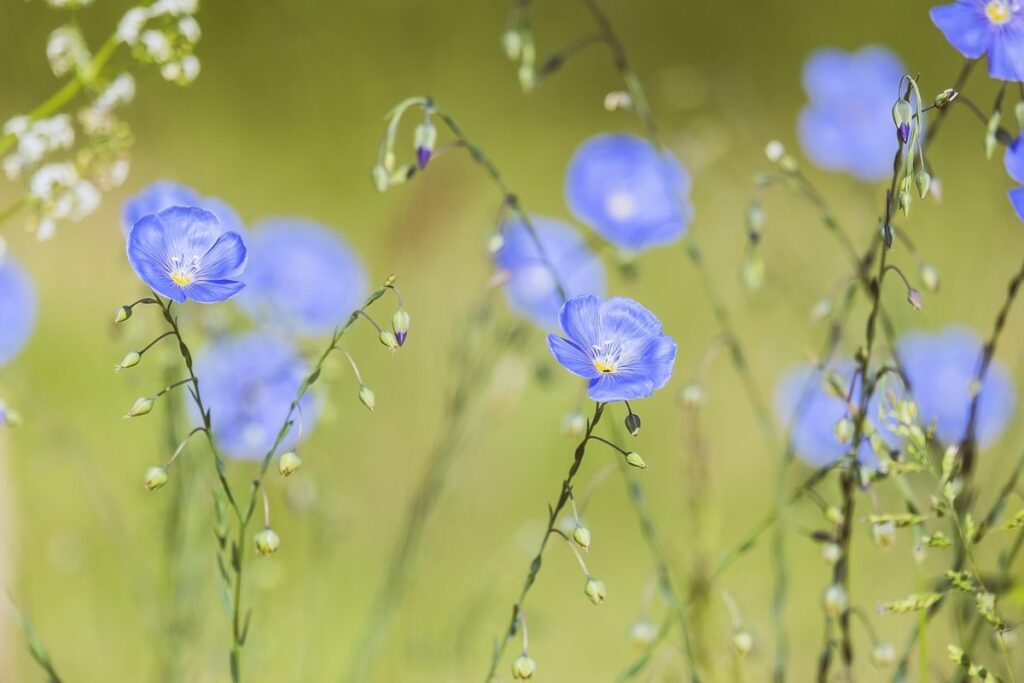
Understanding Perennial Wildflowers and their Growth Cycle
To truly appreciate these first-year bloomers, let’s dive into the fascinating world of perennial wildflowers and explore how they grow and thrive over time. We’ll examine their unique growth cycle.
What are Perennial Wildflowers?
Perennial wildflowers are a type of flowering plant that has adapted to thrive in regions with changing seasons. Unlike annuals, which complete their life cycle within a single growing season and must be replanted every year, perennials have developed ways to survive the winter months and return anew in the spring.
At the heart of this resilience lies underground structures such as rhizomes or bulbs. Rhizomes are thick, horizontal stems that produce new shoots and roots, allowing perennials to spread and multiply over time. Bulbs, on the other hand, store food and water during the growing season, which is then used by the plant when it’s dormant.
When choosing perennial wildflowers for your garden, look for species that are known to bloom in their first year. These plants have been bred or naturally selected to produce flowers quickly after planting, often due to factors such as genetics or environmental conditions. Some popular examples include coneflowers and black-eyed susans, both of which can thrive in a variety of soil types and climates.
These underground structures enable perennials to conserve energy and resources, allowing them to focus on producing an abundance of blooms during the growing season.
Understanding the Importance of Bloom Time in Perennials
Understanding the importance of bloom time for perennial wildflowers can be a crucial factor in planning and maintaining a thriving garden. As we’ve discussed earlier, some species of perennials will bloom early in their first year, while others may take several years to produce flowers. The reason for this variation lies in the unique growth cycle of each plant.
Some perennial wildflowers, like coneflowers and black-eyed susans, are designed to bloom early in the growing season, typically from late spring to early summer. This is often because they have a shorter lifespan and need to produce seeds quickly before the first frost sets in. On the other hand, plants like peonies and daylilies tend to wait until mid-to-late summer or even fall to bloom. They have adapted this strategy to coincide with peak insect activity, when they are most likely to attract pollinators.
When selecting perennial wildflowers for your garden, consider the bloom time of each plant in relation to your desired display period. If you want a vibrant display from spring to early summer, choose species that fit this timeline. For example, if you’re looking for a late-summer bloomer, consider planting asters or sedum, which will provide a beautiful show of color during the warmer months.
Choosing Perennial Wildflowers that Bloom in Their First Year
When selecting perennial wildflowers, it can be frustrating when they don’t bloom right away. Let’s explore some varieties that will give you a colorful first-year show.
Identifying Species that are Known to Bloom Early
When selecting perennial wildflowers for their ability to bloom in their first year, it’s essential to identify species that are known to exhibit early flowering behavior. Some perennial wildflower families, such as the Geranium and Penstemon family, tend to produce flowers more quickly than others.
One notable example is the Bee Balm (Monarda didyma), a member of the Lamiaceae family, which often blooms within its first growing season. Similarly, the Wild Indigo (Baptisia tinctoria) from the Fabaceae family and the Lupine (Lupinus perennis) from the Fabaceae family also exhibit early flowering characteristics.
Other notable species include the Coral Bells (Heuchera spp.) and the Blazing Star (Liatris spp.), which often produce flowers within their first year of growth. These plants can thrive in a variety of conditions, including well-drained soil and partial shade to full sun.
When incorporating these species into your garden, ensure they receive suitable care, such as adequate water and fertilization, to promote healthy growth and maximize flowering potential.
Factors Influencing Early Blooming
When perennials produce their first blooms can be influenced by several factors. Soil quality plays a crucial role in this process. For instance, plants growing in nutrient-rich soil tend to bloom earlier than those in poorer conditions. This is because they have access to essential nutrients like nitrogen, phosphorus, and potassium that facilitate healthy growth.
Climate also has an impact on early blooming. Perennials grown in regions with mild winters and cool summers tend to produce blooms sooner than those exposed to extreme temperatures. Additionally, plants receiving adequate sunlight are more likely to bloom earlier. This is because they have the necessary energy from sunlight to produce flowers.
To create conditions for early blooming, gardeners can implement a few strategies. For instance, adding organic matter like compost or manure to improve soil quality. They can also choose perennials that are known to thrive in their region’s climate and provide them with sufficient sunlight. By understanding these factors and taking steps to optimize growing conditions, gardeners can encourage their perennial wildflowers to bloom in their first year.
Planting Perennial Wildflowers for First-Year Blooms
When it comes to enjoying those first-year blooms, choosing the right perennial wildflower varieties and giving them a little extra care can make all the difference in their early growth. Let’s dive into how to plant them for optimal results.
Preparing the Soil for Early Bloomers
Preparing your garden bed for perennial wildflowers that bloom in their first year requires careful consideration of soil health. To ensure optimal growth and early blooming, it’s essential to test your soil pH and nutrient levels. You can purchase a DIY soil testing kit or send a sample to a lab for analysis. Based on the results, you may need to add amendments such as compost, well-rotted manure, or fertilizers like 10-10-10 NPK.
Specific nutrients support early growth in perennial wildflowers. Nitrogen (N) promotes leaf development and green color, phosphorus (P) encourages root growth and flowering, while potassium (K) helps with overall plant health. For example, adding a balanced fertilizer with a higher phosphorus content can stimulate root development and increase the likelihood of first-year blooms.
When selecting amendments, consider using organic options to avoid burning your plants’ roots. Apply 1-2 inches of compost or well-rotted manure in the spring, followed by a light application of fertilizer according to package instructions.
Planting Techniques for Optimal Growth and Early Blooming
When planting perennial wildflowers, it’s essential to get the technique right from the start. This will ensure that your perennials have the best chance of thriving and blooming beautifully in their first year.
First, consider the depth at which you plant your wildflowers. Most perennial wildflowers prefer to be planted at a depth that is two to three times their root ball size. For example, if you’re planting a coneflower that has a root ball about 6 inches wide, plant it 12-18 inches deep in the soil.
Another crucial aspect of planting perennials is spacing. Make sure to leave enough space between each plant for proper growth and air circulation. A general rule of thumb is to space wildflowers 12-18 inches apart, depending on their mature size.
Don’t forget about watering and fertilization! Wildflowers need consistent moisture during the first growing season. Water them regularly, but avoid overwatering, which can lead to root rot. As for fertilizing, wait until after they’ve bloomed in their second year. This will allow the wildflowers to establish a strong root system before you add any nutrients.
By following these simple planting techniques and providing your perennial wildflowers with proper care, you’ll be enjoying beautiful blooms in no time!
Care Instructions for Perennial Wildflowers that Bloom First Year
To ensure your perennial wildflowers thrive and bloom year after year, it’s essential to follow proper care instructions during their first season. This section covers those critical steps for optimal growth.
Watering Strategies for Early Bloomers
When it comes to perennial wildflowers that bloom in their first year, proper watering strategies are crucial for optimal growth and development. During this critical period, it’s essential to strike the right balance between providing enough moisture and avoiding overwatering.
To start, make sure to water your newly planted wildflowers regularly during the first growing season. A general rule of thumb is to provide about 1-2 inches of water per week, either through rainfall or irrigation. However, this can vary depending on factors such as soil type, temperature, and humidity.
One effective approach is to water deeply but infrequently, allowing the soil to dry slightly between waterings. This encourages deep root growth, making your wildflowers more resilient to drought and heat stress. For example, if you’re planting species like coneflower or black-eyed Susan, aim for about 2-3 inches of water per week during hot summer months.
Keep an eye on the soil moisture by inserting a finger into the soil up to the knuckle. If it feels dry, it’s time to water. Remember to avoid getting water on the leaves or crown of the plant to prevent disease and rot. By following these watering strategies, you’ll set your perennial wildflowers up for success in their first year and beyond.
Mulching and Fertilizing Techniques
When it comes to supporting perennials through their first year of growth, mulching and fertilizing play crucial roles. Mulch helps retain moisture, suppress weeds, and regulate soil temperature, all of which are essential for healthy growth.
To create a conducive environment, apply a 2-3 inch layer of organic mulch around the base of your perennial wildflowers in early spring. You can use materials like wood chips, bark, or straw, as long as they’re free from weed seeds and chemicals. As the seasons change, replenish the mulch to maintain its effectiveness.
Fertilizing during the first year is also vital for promoting healthy growth and early blooming. Opt for a balanced fertilizer that’s low in nitrogen (around 5-10-10 NPK) and high in phosphorus (to support root development). Follow the recommended application rates, and consider side-dressing with compost or manure tea for an extra boost.
By incorporating mulching and fertilizing techniques into your care routine, you’ll be well on your way to establishing a strong foundation for your perennial wildflowers. This will set them up for success in the years to come, ensuring they bloom vibrantly year after year.
Common Challenges and Solutions for First-Year Bloomers
As you start growing perennial wildflowers that bloom in their first year, you may encounter some common challenges – from inadequate sunlight to pests and diseases. We’ll address these issues together.
Overwintering Strategies for Young Plants
When it comes to perennial wildflowers that bloom in their first year, one of the most critical periods for success is during the winter months. Young plants are vulnerable to harsh weather conditions, frost, and cold temperatures, which can be detrimental to their growth and survival.
To protect your young perennials through the winter, consider the following strategies:
* Mulch or straw: Apply a thick layer (at least 3-4 inches) of organic mulch or straw around the base of each plant. This helps retain moisture, suppress weeds, and regulate soil temperature.
* Winter cutback: Cut back spent foliage to about an inch above ground level after the first frost. This promotes new growth in spring and reduces the risk of disease and pests.
* Protect from wind and extreme cold: Use burlap or a breathable cloth to shield plants from harsh winds and frost pockets.
* Choose varieties that are known for their hardiness: Select perennial wildflowers that are bred for their ability to thrive in your local climate and can withstand winter conditions.
By implementing these overwintering strategies, you’ll be able to give your young perennials the best chance at establishing a strong root system and blooming beautifully next year.
Tips for Encouraging Re-Bloom
One of the most exciting things about growing perennial wildflowers is watching them bloom in their first year. However, to maintain their beauty and diversity throughout your garden, you’ll want to encourage them to re-bloom in subsequent years.
To do this, make sure not to deadhead the blooms too aggressively. While it’s tempting to remove spent flowers to keep your garden looking tidy, this can actually reduce the likelihood of reblooming. Instead, allow some of the seed heads to remain on the plants, as these will provide vital food for local wildlife and also help self-seed new plants.
Cut back the foliage after blooming has finished, but not too drastically – you want to leave enough growth to support next year’s blooms. Also, consider dividing and replanting established clumps every 3-4 years to maintain their vigor and promote healthy re-blooming. By following these simple tips, you should be able to enjoy your perennial wildflowers in all their glory for many years to come.
Conclusion: Enjoying Your First-Year Blooming Perennials
Now that you’ve discovered these amazing perennial wildflowers that bloom in their first year, let’s talk about how to make the most of this exciting experience. You’re just getting started on a lifelong gardening journey!
Benefits of Choosing Early Bloomers
Choosing perennial wildflowers that bloom in their first year can be a game-changer for gardeners looking to add some vibrancy and color to their landscape early on. These plants offer a range of benefits, from providing an instant splash of color to attracting pollinators and adding structure to the garden.
One of the most significant advantages of selecting perennials that bloom in their first year is the instant gratification they provide. Unlike plants that take years to mature, these flowers burst into bloom as soon as the weather warms up, offering a welcome respite from the often-gray winter months. Imagine strolling through your garden on a spring morning and being greeted by a sea of colorful blooms – it’s a truly uplifting experience!
In addition to their aesthetic appeal, perennials that bloom in their first year also tend to be low-maintenance and easy to care for. They’re perfect for busy gardeners or those new to gardening, as they require minimal pruning, watering, and fertilizing to keep them looking their best.
Future Considerations for Garden Planning
As you’ve successfully introduced perennial wildflowers that bloom in their first year into your garden, it’s essential to think about future garden planning needs. Now is the perfect time to consider which perennials will meet your desired blooming periods for each season. This will not only add variety but also ensure a consistent display of color throughout the growing seasons.
Think about the different times you want blooms in your garden – spring, summer, fall, or winter. Then, plan accordingly by selecting perennials that meet those requirements. For example, if you have a spot that receives full sun, choose perennials like coneflower, black-eyed Susan, and bee balm for their vibrant summer blooms. Meanwhile, plant early-blooming perennials like hellebores or winter aconite in areas with dappled shade to add winter interest.
By incorporating this strategy into your garden planning, you’ll be able to enjoy a diverse array of blooms throughout the year and create a truly stunning display that attracts pollinators and delights the senses.
Frequently Asked Questions
Can I expect consistent first-year blooms from perennial wildflowers every year?
While some perennial wildflowers may bloom in their first year, it’s essential to understand that this phenomenon is not guaranteed for every season or plant. Factors like climate, soil conditions, and specific growing requirements can influence the success of early blooming perennials.
How do I prepare my garden for optimal growth and early blooming?
To encourage your perennial wildflowers to bloom in their first year, ensure you’ve chosen a spot with adequate sunlight (most require at least 6 hours of direct sunlight) and well-draining soil. Also, avoid over-fertilizing, as this can delay the plant’s ability to focus on growth and flowering.
What if I already have existing perennials that haven’t bloomed in their first year? Can they still be saved?
Yes, you can still work with your established perennials. Remove any dead or damaged foliage, and divide or prune them as necessary to promote healthy new growth. Apply a balanced fertilizer specifically designed for perennials during the growing season to give them an extra boost.
Are there specific perennial wildflowers that are more likely to bloom in their first year?
Some species known for their early blooming habits include Coral Bells (Heuchera sanguinea), Foamflower (Tiarella cordifolia), and Creeping Thyme (Thymus serpyllum). However, always check the specific growing requirements of any plant you choose, as conditions can vary significantly between regions.
How can I prevent perennial wildflowers from going dormant too early in their first year?
To minimize dormancy, ensure your perennials receive adequate moisture during hot or dry spells. Avoid sudden changes in soil temperature and provide protection from extreme weather conditions like frost or intense sunlight. Mulching around the base of the plants also helps maintain a consistent soil temperature and reduces water evaporation.