
Pepper seed germination is a crucial step in growing delicious and healthy peppers, but did you know that achieving high germination rates can be quite challenging? As any seasoned gardener knows, it all starts with the quality of the seeds themselves. However, many gardeners overlook this essential aspect, which can lead to disappointing results.
In this comprehensive guide, we’ll delve into the importance of seed quality and how it impacts pepper seed germination. We’ll also explore the environmental factors that influence germination rates, from temperature and humidity to light and soil conditions. You’ll learn how to optimize these variables to create an ideal growing environment for your pepper seeds, ultimately boosting their chances of successful germination. By mastering these essential tips, you’ll be well on your way to cultivating thriving pepper plants and harvesting a bountiful crop.
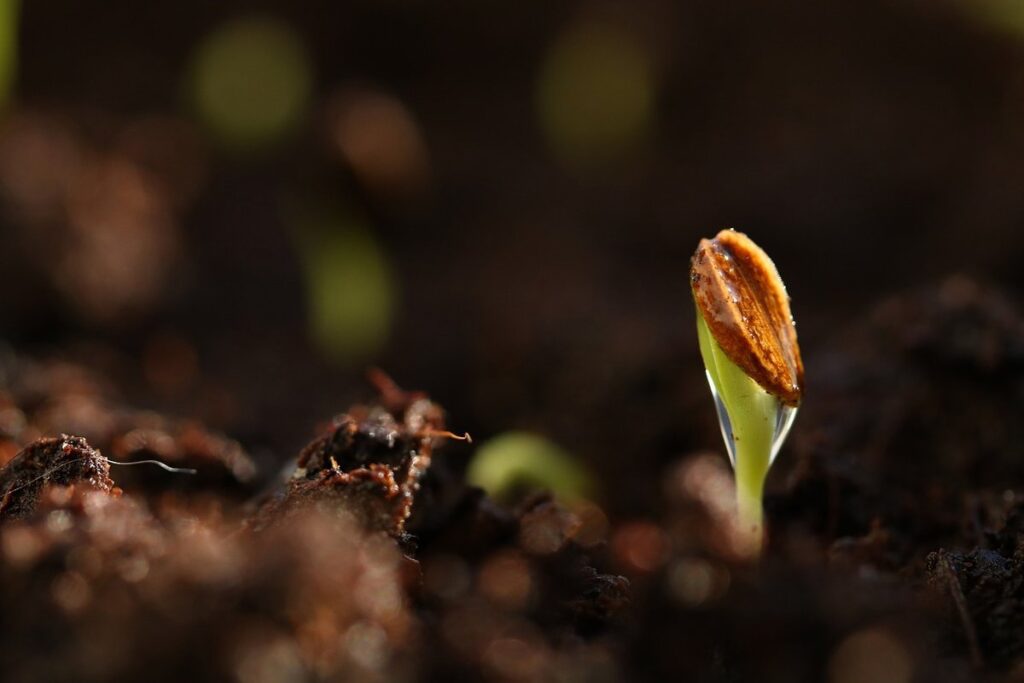
Understanding Pepper Seed Germination Basics
When it comes to successfully germinating pepper seeds, understanding the basics is crucial. Let’s dive into the essential factors that affect seed germination.
The Importance of Seed Quality
When it comes to pepper seed germination, one crucial factor that can make all the difference is seed quality. The seeds you choose can significantly impact the success of your germination process, and selecting high-quality seeds is essential for optimal results.
Poor-quality seeds can lead to lower germination rates, slower growth, and even plant death. This can be due to various factors such as old or low-viability seeds, improper storage, or contamination. On the other hand, high-quality seeds are more likely to germinate quickly and healthily, giving you a strong start for your pepper plants.
To ensure you’re getting the best possible seeds, look for reputable seed suppliers that sell fresh, viable seeds. Check the packaging for expiration dates and avoid buying from sources that may have been sitting on shelves for too long. You can also try storing your own seeds properly to maintain their quality over time. By investing in high-quality seeds, you’ll set yourself up for success and increase your chances of achieving healthy, thriving pepper plants.
Environmental Factors Affecting Germination
Temperature plays a crucial role in pepper seed germination, with ideal temperatures ranging from 75°F to 85°F (24°C to 29°C). If the temperature drops below 65°F (18°C), germination rates can decrease significantly. On the other hand, high temperatures above 95°F (35°C) can lead to uneven germination and increased risk of fungal diseases.
Light exposure also affects pepper seed germination, with most varieties requiring light to break dormancy. However, some pepper species are photoinhibitory, meaning they require darkness to germinate. If you’re unsure about your specific variety’s requirements, start by providing a dark period for 24-48 hours and then move the seeds to a bright location.
Maintaining optimal moisture levels is also essential for successful pepper seed germination. The ideal soil moisture should be kept consistent, with a slight decrease in water level as roots develop. Overwatering can lead to fungal growth, while underwatering can cause stunted or delayed germination. To ensure the right balance, check the soil daily and adjust watering accordingly.
Preparing Seeds for Germination
To successfully germinate pepper seeds, it’s crucial that you prepare them correctly. Let’s dive into the steps to clean, scarify, and disinfect your pepper seeds.
Seed Stratification: The Science Behind It
Seed stratification is a crucial step in preparing pepper seeds for germination. The purpose of seed stratification is to break dormancy, which is a natural process that prevents seeds from sprouting prematurely in unfavorable environmental conditions. When pepper seeds are harvested, they often have a built-in “wait” mechanism that slows down their germination rate.
During stratification, the seeds undergo a series of biochemical and physiological changes that prepare them for optimal growth. This involves the breakdown of seed coats and the activation of embryo growth. By simulating winter conditions or cooler temperatures, pepper seeds can be tricked into thinking they’ve experienced a period of cold weather, thereby breaking dormancy.
For pepper seed stratification, you can use a simple method: place seeds in a plastic bag with a moist paper towel or cloth, and store them in the refrigerator at 35°F to 45°F (2°C to 7°C) for 30 to 60 days. Check on the seeds periodically to ensure they don’t dry out. By following this process, you can significantly increase the chances of successful germination and healthier seedlings.
Cold Stratification Methods
When it comes to pepper seed germination, some varieties may require a period of cold stratification to break dormancy and increase germination rates. Cold stratification involves exposing seeds to a period of cold temperatures to simulate winter conditions. There are several methods you can use for cold stratification.
One common method is refrigerator storage. Place the seeds in a plastic bag or airtight container with a moist paper towel, then store them in the refrigerator at around 40°F (4°C). This method is easy and convenient, but be careful not to let the seeds get too wet, as this can lead to rot.
Another method is soil stratification. Mix the seeds into a small container of potting soil, keeping it moist but not waterlogged. Store the container in a cool place, such as an unheated garage or basement. This method allows for more natural temperature fluctuations and can be beneficial for some seed varieties.
Using a cold frame is another option. A cold frame provides a protected environment with consistent temperatures between 35°F (2°C) and 45°F (7°C), ideal for cold stratification. You can place the seeds in the cold frame, or simply cover them with a sheet of plastic or row covers to maintain moisture and regulate temperature.
Some seed varieties may require longer periods of cold stratification, so be sure to check the specific requirements for your pepper seeds. Keep the seeds moist but not waterlogged throughout the process.
Soil Preparation for Pepper Seeds
To ensure healthy pepper seed germination, it’s crucial to prepare the soil correctly, which we’ll explore in more detail next. A well-prepared soil mix can make all the difference in getting your seeds off to a great start.
Choosing the Right Potting Mix
When choosing a potting mix for pepper seed germination, it’s essential to select one that provides optimal conditions for your seeds to thrive. A good potting mix should have the right balance of moisture retention, pH levels, and nutrient content.
One crucial aspect is moisture retention. Pepper seeds require consistent moisture, especially during the germination stage. Look for a potting mix with excellent water-holding capacity, such as those containing perlite or vermiculite. These ingredients help to retain moisture without making the soil too soggy.
The pH level of your potting mix should also be suitable for pepper seeds. Most peppers prefer a slightly acidic to neutral soil pH, ranging from 6.0 to 7.0. A mix with a pH within this range will ensure that your seeds absorb the necessary nutrients.
Lastly, consider the nutrient content of the potting mix. Pepper seeds require a balanced diet of nitrogen, phosphorus, and potassium (NPK). Opt for a mix that is formulated specifically for seed starting or contains a starter fertilizer to provide an initial boost of nutrients.
When selecting a potting mix, read the label carefully and choose one that meets these criteria to give your pepper seeds the best chance of successful germination.
Sterilizing Seeds and Equipment
Sterilizing seeds and equipment is an essential step in the pepper seed germination process. When it comes to growing peppers from seeds, contamination can be a major issue. Bacteria, fungi, and other microorganisms can easily infect the delicate seeds and emerging seedlings, leading to poor germination rates and reduced plant health.
To prevent this, it’s crucial to sterilize your equipment and seeds before sowing. You can use a solution of 1 part bleach to 9 parts water to soak the seeds for about 10 minutes. Then, rinse them thoroughly with clean water. Alternatively, you can use hydrogen peroxide or a seed disinfectant specifically designed for this purpose.
When it comes to equipment, make sure to wash your hands before handling seeds and equipment, and use a sterile instrument or a pair of tweezers to handle the seeds. A dirty workspace can also harbor microorganisms that can contaminate your seeds, so keep your workspace clean and well-ventilated.
Planting Pepper Seeds
To successfully plant pepper seeds, make sure you’re using fresh seeds and a well-draining seed starting mix that’s specifically designed for germination. Fill small pots with this mix to create a stable foundation for your seeds.
Seed Depth and Spacing Considerations
When planting pepper seeds, it’s crucial to consider the optimal seed depth and spacing for proper root development. The general rule of thumb is to sow pepper seeds about ¼ inch (6-8 mm) deep and 2-3 inches (5-7.5 cm) apart in a well-draining seed starting mix. This allows for easy germination and prevents overcrowding, which can lead to disease and pest issues.
However, some pepper varieties require slightly deeper sowing, so be sure to check the specific instructions on your seed package or consult with a local nursery expert. Keep in mind that under-sowing can cause the seedlings to become leggy, while over-sowing can result in weak growth.
To ensure proper root development, maintain an even moisture level during germination and keep the soil consistently moist but not waterlogged. A clear layer of peat or perlite can also be used to enhance drainage and prevent the seeds from rotting. By following these guidelines, you’ll set your pepper seedlings up for success and get a strong head start on the growing season.
Sowing Methods: Direct Sow vs. Starting Indoors
When it comes to planting pepper seeds, you have two primary options: direct sow or starting indoors. Each method has its advantages and disadvantages, which is essential to consider before making a decision.
Direct sowing involves placing the seeds directly into the garden bed at the right time for germination in your area. This method can be beneficial as it eliminates the need for transplanting, which can be stressful on young seedlings. However, direct sowings are often exposed to various environmental factors that might affect their growth, such as extreme temperatures and weather conditions.
On the other hand, starting pepper seeds indoors allows for better control over germination conditions. You can provide a warm, humid environment, and make sure they get enough light. This method is ideal when you want to get a head start on the growing season or have limited space in your garden. However, it requires careful handling during transplanting, which can be time-consuming.
When choosing between these methods, consider the specific pepper variety, your climate, and available resources. For example, if you live in an area with a long growing season, direct sowing might be suitable. But for those in cooler climates or with limited space, starting indoors could be a better option.
Maintaining Optimal Conditions for Germination
Now that you know what triggers germination, it’s time to set up your seeds for success by creating optimal conditions for growth. This includes providing a suitable temperature, light, and moisture level.
Monitoring Temperature and Humidity
Monitoring temperature and humidity levels is crucial to ensure optimal conditions for pepper seed germination. Pepper seeds are sensitive to extreme temperatures and humidity fluctuations, which can affect their ability to germinate.
To monitor temperature, you’ll need a thermometer that can accurately measure the temperature within 1-2°C of the actual reading. The ideal temperature range for pepper seed germination is between 24-28°C (75-82°F). Some varieties of peppers may have slightly different optimal temperatures, so it’s essential to research the specific requirements for your chosen variety.
Humidity levels also play a significant role in pepper seed germination. A humidity level of around 70-80% is ideal, as this allows for consistent moisture without promoting fungal growth. You can use a hygrometer to measure humidity levels and maintain them within the optimal range by covering the container with a clear plastic bag or a damp cloth.
Keep in mind that pepper seeds can be more sensitive to temperature fluctuations during germination than at other stages of their life cycle, so maintaining a stable environment is crucial. By monitoring temperature and humidity levels carefully, you can create an ideal environment for your pepper seeds to germinate successfully.
Preventing Common Issues: Overwatering and Underwatering
When it comes to pepper seed germination, two common issues can arise: overwatering and underwatering. Both of these problems can hinder the growth process and affect the quality of the seeds.
Overwatering is a common mistake that can lead to root rot and other fungal diseases. This happens when the soil is too moist for an extended period, causing the roots to decay. To prevent overwatering, make sure to check the moisture level regularly by inserting your finger into the soil up to the first knuckle. If it feels wet, wait a day or two before watering again.
Underwatering, on the other hand, can cause the seeds to dry out and not germinate at all. This is often due to neglecting to water the seeds consistently throughout the germination period. To avoid this issue, establish a regular watering schedule and ensure that the soil remains consistently moist but not waterlogged. By being mindful of these common issues, you can create optimal conditions for pepper seed germination and increase your chances of success.
Encouraging Healthy Seedling Growth
To ensure healthy seedling growth, it’s essential to provide your pepper seeds with optimal growing conditions and attention during the germination process. We’ll cover key tips for promoting a strong start.
Providing Adequate Light and Air Circulation
Adequate light and air circulation are crucial for healthy seedling growth after germination. When pepper seeds sprout, they need sufficient light to undergo photosynthesis and develop strong roots and stems. Insufficient light can lead to leggy seedlings that are more susceptible to disease and pests.
To provide adequate light, place the seed tray or pot in a sunny location, ideally near an east- or west-facing window. Aim for 12-14 hours of direct sunlight per day. If this isn’t possible, use grow lights to supplement natural light. Avoid placing seeds near drafty windows or under skylights, as extreme temperatures can harm delicate seedlings.
Air circulation is equally important. Pepper seedlings need gentle air movement to prevent fungal diseases and promote healthy growth. Keep the seed tray at least 6-8 inches away from any walls or obstructions to ensure adequate air circulation. You can also use a fan on a low setting to gently circulate the air around the seedlings, taking care not to damage them with strong gusts of wind. By providing sufficient light and air circulation, you’ll be well on your way to raising robust and healthy pepper seedlings.
Nutrient Requirements for Pepper Seedlings
As pepper seedlings begin to grow, they require specific nutrients to develop strong roots and stems. Essential micronutrients like nitrogen (N), phosphorus (P), and potassium (K) are crucial for seedling growth. However, some micronutrients such as iron (Fe), zinc (Zn), and boron (B) are equally important but often overlooked.
To provide these nutrients to your pepper seedlings, you can use a balanced fertilizer specifically formulated for seedlings. Look for a product with a ratio of 20-20-20 N-P-K or 10-10-10, which means it contains 20% nitrogen, 20% phosphorus, and 20% potassium. You can also add organic matter like compost or well-rotted manure to the soil to provide micronutrients.
For example, iron is a critical nutrient for seedling growth, but it’s often deficient in many soils. Adding iron-rich ingredients like kelp meal or fish emulsion can help supplement its absence.
Frequently Asked Questions
How do I ensure my pepper seeds are fresh enough for optimal germination?
Fresh seeds are essential for successful germination. Check the packaging or consult with the supplier to confirm the seed’s expiration date. You can also perform a simple water test: soak a few seeds in room temperature water for 24 hours. If they sink and remain viable, it’s a good sign.
Can I use last year’s potting mix or do I need to purchase new one for each growing season?
It’s recommended to replace your potting mix every two years to maintain optimal soil quality. Old potting mixes can become depleted of nutrients, which may affect pepper seed germination and overall plant health. Fresh potting mix will provide a better foundation for your seeds to thrive.
What if I’m experiencing inconsistent temperature fluctuations in my growing environment?
Yes, sudden changes in temperature can significantly impact pepper seed germination. To minimize risks, invest in a thermometer or use a climate control system to maintain a consistent temperature between 75°F and 85°F (24°C and 30°C). This will create an optimal environment for your seeds to germinate.
Can I sterilize my equipment using just boiling water or is there a better method?
Boiling water can indeed sanitize your equipment, but it may not be enough for more complex or porous items. For comprehensive sterilization, use a mixture of 1 part bleach to 9 parts water. This solution will effectively kill bacteria and fungi without damaging your equipment.
How long should I wait before transplanting my pepper seedlings into larger pots?
Wait until your pepper seedlings have at least two sets of true leaves before transplanting them into larger pots. This ensures they’ve developed enough roots to handle the transition, reducing the risk of shock or stunted growth.