
Peonies are often considered the queen of flowers, with their lush blooms and delicate petals stealing the show in any garden. But did you know that these gorgeous flowers can be even more stunning when paired with the right companion plants? That’s right, by selecting plants that complement your peonies’ growth habits and requirements, you can create breathtakingly beautiful designs that thrive in various climates and soil conditions.
In this article, we’ll explore the world of peony companion plants, highlighting the best pairings for specific growing situations. We’ll cover everything from sun-loving perennials to shade-tolerant companions, ensuring your garden is a vibrant tapestry of color and texture. Whether you’re a seasoned gardener or just starting out, our guide will help you discover new ways to showcase your peonies and create stunning displays that bring joy to your outdoor space all season long.
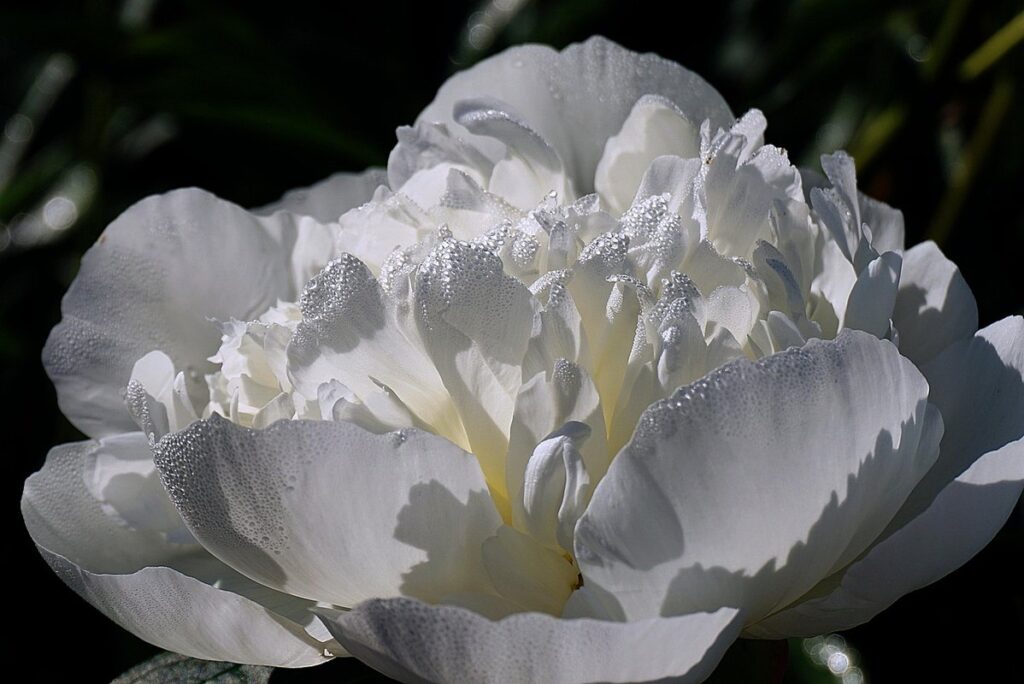
Understanding Peonies and Their Growing Requirements
To grow peony companion plants successfully, it’s essential to understand the specific needs of these beautiful flowers, including their ideal soil and climate conditions.
The Ideal Climate and Soil Conditions for Peonies
To create a stunning display of peony companion plants, it’s essential to understand the ideal climate and soil conditions required for these beautiful flowers to thrive. Peonies prefer well-draining soil with a pH between 6.0 and 7.0, making them adaptable to most garden types. However, if your soil is too alkaline or acidic, amend it with organic matter like compost or peat moss to achieve the ideal range.
In terms of climate, peonies are hardy in USDA zones 3-8, meaning they can tolerate temperatures as low as -40°F (-40°C) and as high as 90°F (32°C). They require at least six weeks of cold winter chill to induce flowering, making them an excellent choice for gardens with a moderate climate. When choosing companion plants, consider pairing peonies with perennials like roses or daylilies that share similar growing conditions. Keep in mind that peonies are drought-tolerant but will perform best with regular watering, especially during the first year after planting.
Avoiding Common Mistakes in Peony Planting
When planting peonies, it’s easy to fall into common mistakes that can affect their growth and beauty. One of the most critical errors is incorrect spacing. Peonies need about 3-4 feet of space between each plant to allow for proper air circulation and root growth. If you plant them too close together, they may become overcrowded, leading to reduced blooming and increased risk of disease.
Another crucial aspect to consider is sunlight. Peonies require full sun to partial shade, but most varieties need at least 6 hours of direct sunlight per day. Planting them in a spot with inadequate sunlight can result in weak stems and fewer blooms. Similarly, poor soil preparation can hinder peony growth. Make sure the planting site has well-draining soil with a pH between 6.0 and 7.0.
To avoid these mistakes, start by assessing your garden’s conditions before selecting the perfect spot for your peonies. Choose a location that receives sufficient sunlight and has suitable soil drainage. If your soil is heavy clay or sandy, amend it with organic matter to achieve the ideal pH range.
Selecting Companion Plants that Complement Peonies
When selecting companion plants for your peony garden, you’ll want to choose varieties that enhance their beauty and don’t compete for resources. Let’s explore some perfect pairing options together!
Choosing Foliage Plants to Partner with Peonies
When it comes to choosing foliage plants to partner with peonies, you want to select options that not only provide a beautiful contrast in texture and color but also complement the beauty of these stunning flowers. Foliage plants like hostas, ferns, and grasses are excellent choices for this purpose.
Hostas, with their large, leafy foliage, create a striking visual contrast against the delicate blooms of peonies. Their leaves come in various shapes and sizes, from rounded to ovate, and can be solid green or have interesting variegations. For example, Hosta ‘August Moon’ features heart-shaped leaves with golden edges that add a pop of color around peony blooms.
Ferns are another great option, offering delicate fronds that dance in the breeze and create a soft, romantic atmosphere around peonies. The Lady Fern (Athyrium filix-femina) is a popular choice for its lacy, green foliage and ability to thrive in partial shade.
Grasses, like the ornamental grass Pampas Grass (Cortaderia selloana), add movement and texture to your garden beds while peonies are in bloom. Their feathery plumes sway gently in the wind, creating a beautiful contrast with the large, showy flowers of peonies.
Incorporating Colorful Annuals and Perennials
When selecting companion plants for peonies, it’s essential to consider both annuals and perennials that can complement their beautiful blooms. One approach is to choose plants that share a similar blooming period with peonies, creating a seamless transition between flowers. Roses and coneflowers, for instance, typically bloom in late spring to early summer, making them perfect partners for peonies. These plants not only provide a stunning visual display but also attract pollinators like bees and butterflies.
To add some contrast to your garden, you can also opt for perennials that bloom at different times than peonies. Daylilies, with their long-blooming periods, are an excellent choice. They produce vibrant flowers in various colors, often during the same season as peonies but with a slightly delayed blooming period. This staggered approach ensures that your garden remains visually appealing throughout the growing season.
Consider incorporating a mix of both annuals and perennials to create a dynamic and engaging landscape. For example, plant a row of coneflowers or daylilies alongside your peonies, and interspers them with annuals like petunias or marigolds for added color and texture. This will not only enhance the beauty of your garden but also provide year-round interest and beauty.
Designing with Peony Companion Plants: A Step-by-Step Guide
Now that you’ve chosen your peonies, let’s dive into designing a beautiful garden bed by pairing them with the perfect companion plants. Here’s how to get started with this step-by-step guide.
Creating a Harmonious Layout with Companion Plants
When creating a harmonious layout with companion plants, it’s essential to consider color, texture, and height. You want to balance the showy blooms of peonies with complementary elements that add depth and interest.
Start by selecting companion plants that have a similar color palette or contrasting hues to create visual tension. For instance, pair pastel-colored peonies with bold, bright companions like lavender or daylilies. Alternatively, combine soft pink peonies with richly colored blooms like burgundy astilbe or velvety red dahlias.
In terms of texture, mix smooth-leaved plants like hostas or ferns with the lush foliage of peonies. This contrast will add visual interest and create a more dynamic landscape. Similarly, balance tall companions like delphiniums or sunflowers with shorter plants to maintain a sense of harmony.
Remember, there’s no one-size-fits-all approach when it comes to designing with companion plants. Experiment with different combinations to find the perfect balance for your garden. By considering color, texture, and height, you’ll create a beautiful and harmonious layout that showcases the beauty of peonies alongside their companions.
Incorporating Groundcovers and Vines for Year-Round Interest
When it comes to creating a visually appealing and dynamic garden, incorporating groundcovers and vines is an excellent way to add year-round interest around peonies. Groundcovers like creeping thyme (Thymus serpyllum) or sweet woodruff (Galium odoratum) are perfect for filling gaps between peonies, while also providing a lush carpet of foliage during the off-season.
These low-maintenance groundcovers can be planted as close to the peony base as possible and will spread out over time. For example, creeping thyme is an excellent choice because it’s drought-tolerant and requires minimal care, making it an ideal companion for busy gardeners. Sweet woodruff, on the other hand, has delicate white flowers in late spring and attracts pollinators, adding another layer of interest to the garden.
In addition to groundcovers, vines like clematis (Clematis spp.) or honeysuckle (Lonicera spp.) can be trained up trellises or arbors near peonies. These climbing plants add vertical interest, creating a stunning backdrop for the peony flowers in spring and providing a beautiful display of foliage during the rest of the year. For instance, clematis ‘Jackmanii’ has deep purple flowers that complement the delicate pink hues of many peony varieties, while honeysuckle ‘Major’ produces fragrant white blooms that cascade down trellises.
Consider pruning your vines in late winter to maintain their shape and promote new growth. This will also help control the plant’s spread and prevent overcrowding around the peonies. With these simple tips and a little planning, you can create a harmonious and thriving garden ecosystem with groundcovers and vines that add year-round interest and beauty to your peony displays.
Popular Peony Companion Plant Combinations
When it comes to pairing peonies with other flowers, some combinations are truly show-stopping. Let’s explore a few of our favorite pairings that will take your garden to the next level.
Classic Pairings: Roses and Peonies Together
Roses and peonies are perhaps the most iconic and romantic flower combination, evoking images of lush gardens and vintage florals. When paired together, these two plants create a breathtakingly beautiful display that’s perfect for adding a touch of elegance to any garden or space. To create this stunning classic pairing, consider the following design tips.
Start by selecting a mix of rose varieties in soft pastel shades or delicate whites, which will complement the lush blooms of peonies. Plant them together, allowing about 3-4 feet of space between each plant to ensure they have room to grow and bloom. For an added touch of romance, train climbing roses up a trellis or arbor near the peony patch.
To create a sense of continuity and flow, incorporate a mix of foliage plants with varying textures and heights throughout the garden bed. This will add depth and visual interest to your design, making it easier to appreciate the beauty of the rose-peony combination from multiple angles.
Modern Twists: Pairing Peonies with Unconventional Plants
When it comes to creating modern and low-maintenance gardens, pairing peonies with unconventional plants is an excellent way to achieve this look. One unique combination that has gained popularity recently is pairing peonies with succulents. This unusual pairing might seem counterintuitive at first, but the contrast between the lush, full blooms of the peony and the sleek, water-storing leaves of the succulent creates a visually striking effect.
For example, try pairing a vibrant pink peony with a rosette-forming echeveria or a trailing sedum. The architectural beauty of the succulent will add a modern touch to your garden, while the delicate petals of the peony will provide a romantic contrast. Another option is to pair peonies with ornamental grasses, such as pampas grass or fountain grass. These tall, feathery plants will create a dramatic backdrop for the lush blooms of the peony.
When combining peonies with succulents or ornamental grasses, remember to choose plants that have similar growing conditions and sun requirements to ensure they thrive together. With a little creativity and experimentation, you can create a stunning modern garden that’s perfect for busy gardeners who want low-maintenance beauty without sacrificing style.
Care and Maintenance of Companion Plantings
Now that you’ve chosen your perfect peony companions, it’s time to learn how to care for them so they thrive together in harmony. Proper maintenance is key to a beautiful and long-lasting garden display.
Watering and Mulching for Healthy Peony Companion Plants
When it comes to caring for your peony companion plants, proper watering and mulching techniques are essential. Companion plants can compete with peonies for water and nutrients, so it’s crucial to strike a balance between providing enough moisture and avoiding overwatering.
To ensure healthy growth in your companion plants, aim to provide about 1 inch of water per week through rainfall or irrigation. Check the soil moisture by inserting your finger into the soil up to the knuckle; if the soil feels dry, it’s time for watering. You can also group plants with similar watering needs together to simplify the process.
Mulching is another key component in maintaining a thriving companion planting arrangement. Organic mulch like wood chips or straw helps retain moisture, suppress weeds, and regulate soil temperature. Apply a 2-3 inch layer of mulch around your companion plants, keeping it a few inches away from peony stems to prevent rot and disease.
Avoid overmulching, as this can lead to poor air circulation and increased competition for water and nutrients.
Fertilizing and Pruning Companion Plants
When it comes to fertilizing and pruning companion plants, you’ll want to tailor your approach based on the specific needs of each plant type. For example, if you’re growing lavender as a peony companion, be sure to fertilize it with a balanced, water-soluble fertilizer during its active growth period in spring and summer.
On the other hand, if you’ve chosen bee balm or coneflower as your companion plants, they’ll benefit from a slightly acidic fertilizer. Be mindful of over-fertilizing, as this can harm peonies and other sensitive plants.
Pruning is another crucial aspect to consider when caring for companion plants. For instance, deadheading spent blooms on companions like catmint or salvia will encourage new growth and prevent seed production. This not only keeps the plants looking their best but also directs energy towards foliage and root development, ultimately benefiting peonies nearby.
Some key considerations for pruning companion plants include:
• Removing spent flowers to maintain plant appearance and promote healthy growth
• Cutting back leggy stems on companion plants like Russian sage or yarrow to encourage bushy growth
• Timing prunings according to the specific needs of each plant type, taking into account factors like climate and seasonality
By attending to these fertilization schedules and pruning techniques, you can create a harmonious environment where both peonies and their companions thrive.
Troubleshooting Common Issues in Peony Companion Plantings
Don’t worry if your peony companion planting isn’t thriving right away, we’ve got solutions for common issues that might be causing problems. We’ll walk you through how to troubleshoot and get back on track.
Addressing Pests and Diseases Affecting Companion Plants
When growing peonies alongside companion plants, it’s essential to be aware of common pests and diseases that can affect these secondary plants. These issues can spread to the peonies themselves if left unattended, making it crucial to address them promptly. Some of the most common problems include aphids, whiteflies, spider mites, powdery mildew, and root rot.
To combat these issues without harming your peonies, you’ll want to start with integrated pest management (IPM) strategies. This involves identifying the problem early on, using physical barriers or traps when possible, and opting for targeted organic treatments like neem oil or insecticidal soap. For powdery mildew, a solution of 1 tablespoon baking soda per gallon of water can be applied to affected areas.
Monitor your plants regularly, inspecting them for signs of stress or infestation. Early detection will give you the best chance at controlling an outbreak and preventing it from spreading to nearby peonies. Remember that companion plants often attract beneficial insects like bees and butterflies, which can help maintain a healthy ecosystem in your garden.
Resolving Design Disasters: Fixing Mistakes in Companion Plant Pairings
When you’ve paired your peonies with companion plants, but something goes awry, it’s essential to address the issue promptly. Design disasters can occur due to various reasons such as overgrowth, disease susceptibility, or incompatibility issues between the two plants.
First, carefully assess the affected area and determine the root cause of the problem. Are your peonies competing for resources like sunlight or nutrients with their companion plant? Or are they being shaded out by a nearby shrub?
To correct this issue, you may need to replant some of your companions to create better space for growth or prune back overgrown plants to allow more light penetration. If the problem is due to disease susceptibility, consider replacing the affected plant with a more resilient species.
In extreme cases, it might be necessary to replace both the peony and its companion if they’re not cooperating well together. For instance, if you’ve paired a delicate peony with an aggressive grower like fennel, it may be time to reevaluate your pairing strategy.
Frequently Asked Questions
What is the best way to choose companion plants that thrive alongside peonies in areas with poor soil quality?
When selecting companion plants for peonies growing in poor soil, focus on species that are adaptable and can tolerate or even benefit from less-than-ideal conditions. Consider adding plants like yarrow, catmint, or creeping thyme, which have shallow root systems and can thrive in areas with low soil fertility. These choices will help maintain a balanced ecosystem while minimizing the need for frequent fertilization.
Can I grow peonies companion plants in containers if my garden has limited space?
Yes. Peony companion plants can be successfully grown in containers, provided you choose varieties that are compact or dwarf. Select containers with good drainage and use a well-draining potting mix to mimic the ideal soil conditions for your peonies. Consider adding mulch around the container to retain moisture and regulate temperature fluctuations.
How do I care for my companion plants during periods of extreme weather, such as droughts or intense heatwaves?
During periods of drought or excessive heat, reduce watering for both your peonies and their companion plants. Mulching around the base of the plants can help retain moisture in the soil, reducing the need for frequent watering. Additionally, consider applying a layer of shade cloth to protect delicate foliage from intense sunlight.
Can I grow perennials alongside my peonies that require similar growing conditions but have different bloom times?
Yes. Selecting companion plants with staggered bloom periods can create a vibrant display throughout the growing season. Consider pairing peonies with perennials like daylilies, coneflowers, or black-eyed Susans, which have different blooming schedules and can provide extended color and interest in your garden.
How do I handle pest and disease issues that affect my companion plants?
Addressing pests and diseases promptly is crucial for maintaining the health of both your peonies and their companion plants. Regularly inspect your plants for signs of infestation or disease, and take action by using organic or integrated pest management methods as needed. Consider introducing beneficial insects like bees or butterflies to help control pests naturally.