
If you’re an indoor plant enthusiast, you know how challenging it can be to provide the right conditions for your beloved greens. One crucial factor often overlooked is humidity – too little or too much can stress out even the hardiest of plants. This is where pebble trays come in: a simple yet ingenious solution for maintaining optimal humidity levels around your plants. By placing a tray filled with water and pebbles under your pot, you can create a microclimate that keeps your plants happy and thriving. In this article, we’ll explore how to use pebble trays effectively, recommend the best low-maintenance plants for a humidity-loving setup, and share expert tips on how to keep them healthy and flourishing.
What is a Pebble Tray and How Does it Work?
So, you’re curious about how pebble trays actually work their magic to keep your plants happy and hydrated – let’s dive into the basics. A pebble tray is a simple yet effective way to increase humidity around your plants’ roots.
Introduction to Pebble Trays
When it comes to maintaining optimal humidity levels for plants, especially those that thrive in tropical environments, pebble trays have become a staple tool for many indoor gardeners. So, what exactly are pebble trays and how do they work their magic?
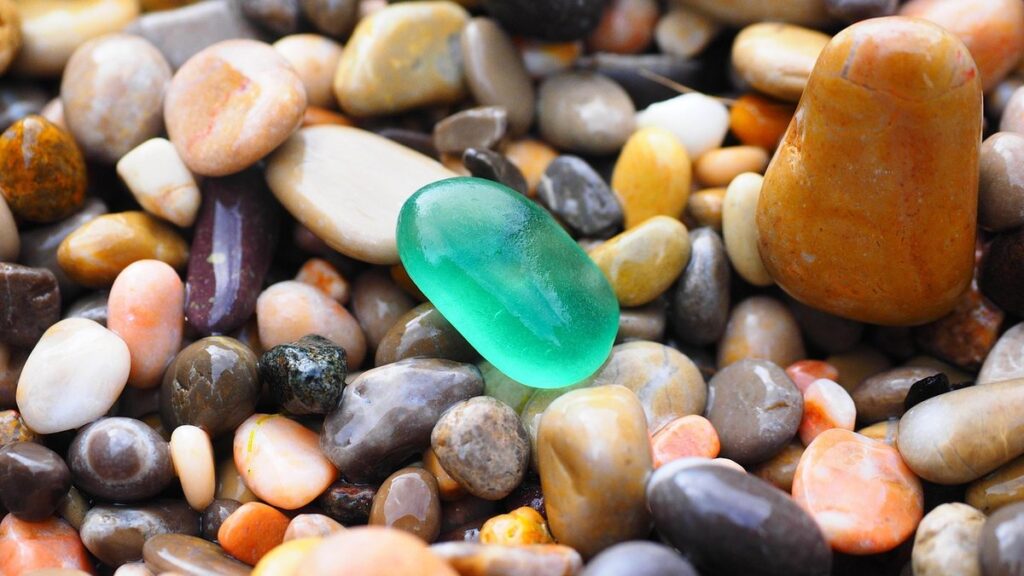
A pebble tray is essentially a shallow tray or plate filled with small rocks or pebbles that sit under the pot of your plant. Its primary purpose is to increase humidity in the surrounding air by allowing excess water from the tray to evaporate slowly, creating a mini-microclimate around the plant’s roots. This helps maintain an optimal level of moisture, which is particularly beneficial for plants like ferns, peace lilies, and orchids that are native to humid environments.
The pebble tray works on the principle of capillary action, where water from the tray seeps into the soil through the small gaps between the rocks, providing a consistent supply of moisture. By regulating the humidity levels around your plant’s roots, you’re essentially giving it the same conditions it would experience in its natural habitat, allowing it to thrive and grow healthily.
The Science Behind Pebble Trays
When you place a pot on a pebble tray, water seeps into the small gaps between the pebbles, and as it evaporates, it creates a microclimate around the plant. This process is called transpiration, and it’s essential for maintaining humidity levels. The science behind pebble trays lies in their ability to release moisture slowly, creating an ideal environment for plants.
Water from the tray seeps into the soil through capillary action, providing plants with consistent moisture levels. Plants thrive in humid environments because their stomata (small openings on leaves) are able to open more widely, allowing them to absorb CO2 and release oxygen efficiently. Pebble trays work by replicating this natural process.
As water evaporates from the tray, it increases humidity around the plant, which can be especially beneficial for plants native to tropical or subtropical regions. By providing a stable moisture level, pebble trays help prevent overwatering and underwatering issues that often plague indoor gardeners.
Choosing the Right Plants for a Pebble Tray
When selecting plants for your pebble tray, consider species that thrive in humid environments and have shallow root systems to maximize moisture absorption. Some popular options include air plants and ferns.
Selecting Plants that Thrive with High Humidity
When it comes to selecting plants that thrive with high humidity levels, you’ll want to focus on those that originate from tropical and subtropical regions. These plants have adapted to survive in environments where the air is thick with moisture, making them perfect candidates for pebble tray setups.
Some excellent options include orchids, bromeliads, and ferns. Orchids, in particular, are known for their love of humid environments and can tolerate humidity levels as high as 60-70%. Bromeliads, on the other hand, have evolved to store water in their leaves, which allows them to thrive in areas with consistently high humidity.
Ferns, such as Boston ferns and maidenhair ferns, are also well-suited for pebble tray setups. They prefer a humid environment, typically between 50-70% relative humidity, making them an ideal choice for creating a microclimate within your home. When selecting plants for your pebble tray, remember to research their specific humidity requirements to ensure you’re providing the best possible conditions for them to thrive.
Plants to Avoid in Pebble Trays
Some plants are naturally adapted to thrive in low-humidity environments and might not be the best fit for a pebble tray. These plants can be sensitive to excess moisture and may rot or develop root problems if exposed to high humidity levels. If you’re considering using a pebble tray, it’s essential to choose plants that will benefit from this care method.
For example, plants like succulents and cacti are adapted to dry environments and might not tolerate the humid conditions created by a pebble tray. Similarly, peace lilies and spider plants prefer well-draining soil and may suffer if constantly surrounded by water-loving pebbles. Some examples of plants that don’t thrive in high-humidity environments include:
• Snake Plant (Sansevieria Trifasciata)
• Pothos (Epipremnum aureum) – while it can tolerate humidity, it prefers well-draining soil
• Dracaena (Dracaena spp.) – some varieties are more sensitive to excess moisture than others
If you’re unsure about the specific needs of your plant, research its native habitat and growth requirements. If you already have a pebble tray set up, consider repotting plants that might be more suited for dry conditions or using alternative care methods like terrariums. By choosing plants that thrive in high-humidity environments, you can maximize the benefits of your pebble tray and create a thriving mini-ecosystem.
Setting Up a Pebble Tray System
To set up a pebble tray system, you’ll need to choose a shallow tray and fill it with small rocks or pebbles, which will hold water and increase humidity for your plants.
Preparing the Pebble Tray
When setting up a pebble tray system for your plants, the first step is to prepare the tray itself. The size of the tray will depend on the number and size of the pots you plan to place in it. A general rule of thumb is to choose a tray that’s large enough to hold 1-2 cups of water per pot. This will ensure that your plants receive adequate humidity without overflowing the tray.
Selecting the right material for the pebble tray is also important. You can use any type of tray, but a plastic or ceramic one works best as they are easy to clean and won’t harbor bacteria. Avoid using metal trays as they can corrode over time and react with water.
Next, add a layer of small rocks or pebbles to the bottom of the tray. This will act as a reservoir for the water and help prevent it from coming into direct contact with your plant’s roots. A good rule of thumb is to fill the tray about 1/4 of the way full with pebbles.
Adding Water and Maintaining Levels
When adding water to the pebble tray, it’s essential to do so carefully to avoid overflowing and causing damage to the surrounding area. Start by filling a cup with distilled or room-temperature tap water, as cold water can cause the pebbles to crack.
Gently pour the water over the pebbles in the tray, making sure not to splash or spill any excess water onto the soil of your plants. You want to maintain an optimal level of moisture, but not so much that it creates a mini-waterfall effect.
As for maintaining humidity levels, you’ll need to refill the pebble tray as necessary. Check the water level daily and add more when the surface of the pebbles is dry to the touch. This will help maintain the ideal 40-60% relative humidity range for most plants. Keep in mind that the frequency of refills may vary depending on temperature, air circulation, and plant species.
It’s also crucial to note that overwatering can be detrimental to your plants’ health, so make sure to monitor their response to the pebble tray system and adjust accordingly.
Tips for Optimizing Your Pebble Tray Setup
Now that you’ve set up your pebble tray, let’s dive into some practical tips to get the most out of this humidity-boosting method. With these expert hacks, you’ll be a pro at optimizing your setup in no time!
Monitoring Humidity and Temperature
Monitoring humidity and temperature is crucial to ensure the optimal functioning of your pebble tray setup. You want to strike a balance between maintaining high enough humidity levels for your plants to thrive and keeping temperatures within a safe range.
To monitor humidity, you can use hygrometers, which are affordable and easily available online or in local gardening stores. A hygrometer will help you gauge the moisture levels in the air around your pebble tray, ensuring that they remain between 40-60% relative humidity, ideal for most plants. You can place the hygrometer nearby to get an accurate reading.
When it comes to temperature, a thermometer is essential for keeping tabs on the ambient temperature around your pebble tray. Most houseplants prefer daytime temperatures between 65°F to 75°F (18°C to 24°C) and nighttime temperatures slightly lower than that. Be cautious not to place your pebble tray near heating or cooling vents, fireplaces, or drafty windows, as this can cause sudden temperature fluctuations.
Regularly checking the hygrometer and thermometer will help you identify any issues before they affect your plants’ health. For instance, if the humidity drops below 40%, it may be a sign that the water in the pebble tray is evaporating too quickly, or perhaps the room’s air conditioning is set too high. By monitoring both humidity and temperature, you’ll be better equipped to make adjustments as needed, ensuring your plants receive the optimal environment for growth and health.
Common Mistakes to Avoid
When setting up your pebble tray humidity system, it’s easy to fall into common pitfalls that can compromise its effectiveness. One mistake is using small rocks or pebbles that are too fine, which can easily get washed away by water and disrupt the water level. Instead, opt for larger rocks or pebbles with a rough texture to prevent them from shifting around.
Another error is overwatering, which can lead to an excessive amount of water accumulating in the tray. This not only increases the risk of root rot but also creates an environment conducive to fungal growth. To avoid this, ensure you’re maintaining the correct water level and allowing excess water to evaporate or be drained regularly.
Moreover, some users neglect to monitor the pebble tray’s water level, leading to a buildup of stagnant water that can harm your plant. Regular checks on the water level will help you identify any issues before they become severe problems.
Troubleshooting Issues with Your Pebble Tray
If you’re experiencing issues with your pebble tray, such as water evaporation or root rot, don’t worry – we’ve got troubleshooting tips to help resolve these problems. Let’s get started with finding a solution!
Addressing Over-Humidification
If you’ve set up your pebble tray correctly and it’s still causing over-humidification issues in your space, don’t worry – there are steps you can take to mitigate the problem. Over-humidification occurs when the air is saturated with moisture, leading to condensation on windows, walls, and other surfaces.
This can be especially problematic if you live in a humid climate or have poor ventilation in your home. To address over-humidification caused by your pebble tray, start by assessing your surroundings. Take note of any water droplets forming on surfaces near the tray. If it’s only affecting a small area, try moving the tray to a different location.
In severe cases, you may need to reduce the amount of water in the pebble tray or use a dehumidifier nearby to balance out the moisture levels. To prevent over-humidification from happening again in the future, consider investing in a hygrometer – a device that measures humidity levels in the air. This will allow you to monitor your environment and make adjustments as needed.
Preventing Under-Humidification
When using a pebble tray to maintain humidity around your plants, under-humidification is a common issue that can be detrimental to their health. To prevent this from happening, it’s essential to monitor the moisture levels and make adjustments as needed.
One way to ensure adequate humidification is to check the water level in the pebble tray daily. If the water has evaporated below a certain point, add more water to maintain the optimal level. A general rule of thumb is to keep the water level above the surface of the pebbles but not so high that it starts to overflow.
Another strategy for preventing under-humidification is to use a hygrometer to track the humidity levels in the surrounding area. By monitoring the readings, you can adjust the amount of water in the tray accordingly. For example, if the humidity level drops below 40%, add more water to the pebble tray to compensate.
By implementing these simple measures, you can maintain an optimal humid environment for your plants and prevent under-humidification from occurring. This will ensure that your plants receive the right amount of moisture and thrive in their conditions.
Long-Term Care and Maintenance
Now that you’ve set up your pebble tray humidity system, it’s essential to understand how to maintain it for optimal results. This includes regular tasks and checks to keep your plants thriving over time.
Adjusting Pebble Tray Levels Over Time
As you continue to care for your pebble tray humidity plants, you may find that their humidity needs change over time. This is completely normal, especially as the seasons shift and the environment around them changes. To ensure your plants receive the right level of humidity, it’s essential to adjust the pebble tray levels accordingly.
Start by monitoring your plant’s performance. If you notice signs of under or over-humidity, such as yellowing leaves or droopy stems, it’s likely that the pebble tray needs adjustment. Check the water level in the pebble tray regularly and top it off as needed. You can also increase the amount of pebbles to decrease the moisture levels, or vice versa.
For example, if you live in a dry climate and use a pebble tray during the winter months when the air is particularly dry, you may need to add more water to the tray than in warmer seasons. Conversely, if your plant is thriving and humid environments are less of an issue, you can gradually reduce the water level in the pebble tray.
Regularly assessing and adjusting your pebble tray levels will help you maintain optimal humidity conditions for your plants throughout the year. This way, you’ll be able to enjoy their benefits and avoid any potential issues related to dry air or excessive moisture.
Monitoring Plant Health
As you monitor the health of your pebble tray humidity plants, it’s essential to be aware of potential issues that may arise from this setup. One common problem is overwatering, which can lead to root rot and other complications. Check for signs such as yellowing leaves, droopy stems, or a soft, mushy texture in the stems. If you notice any of these symptoms, it’s likely that the plants are receiving too much water.
To address this issue, make sure the pebble tray is not clogged with debris and that the water level is not too high. You can also try lifting the pot to check if the weight has increased significantly, indicating excess moisture in the roots. If you’re unsure, remove a small amount of soil from the top of the pot to inspect for signs of root rot.
Keep an eye out for other potential issues like algae growth or mosquito infestations in the pebble tray. Regularly clean and disinfect the tray to prevent these problems. By staying vigilant and taking prompt action when necessary, you can maintain the health and well-being of your pebble tray humidity plants.
Conclusion: Maximizing Your Pebble Tray’s Potential
By now, you’ve learned how to create a pebble tray humidity system for your plants and discovered its numerous benefits. To maximize your pebble tray’s potential, make sure to place it near your plant, but not too close to the pot as this can cause water to seep into the soil. Also, use distilled or rainwater instead of tap water, which may contain minerals that can damage the soil over time.
Regularly replace the water in the pebble tray and adjust its size according to the needs of your plant. For example, a large pot with multiple plants will require more water than a smaller one. By being mindful of these simple details, you’ll be able to create an ideal microclimate for your plants to thrive in. With this knowledge, you’re now equipped to unlock the full potential of pebble tray humidity and give your plants the care they deserve.
Frequently Asked Questions
How Do I Know When to Add More Water to My Pebble Tray?
Regularly check the water level by observing how quickly it evaporates. If you notice it’s drying out too fast, add more water accordingly to maintain an optimal humidity level.
What Happens if I Don’t Clean My Pebble Tray Regularly?
Neglecting to clean your pebble tray can lead to algae and mold buildup, which can harm your plants. Set aside time each week to scrub the tray with soap and water, ensuring a healthy environment for your plants.
Can Any Plant Benefit from a Pebble Tray, or Are Some More Suitable Than Others?
While most plants benefit from increased humidity, some species are more sensitive than others. Research specific plant requirements to determine if a pebble tray is right for you.
How Do I Prevent Over-Humidification in My Pebble Tray System?
Monitor your plants’ leaves and stems closely; if they start to develop mildew or mold, it may be a sign of over-humidification. Adjust the water level accordingly, ensuring your plants don’t become too reliant on the tray.
Can I Use Pebble Trays for Plants That Prefer Well-Draining Soil?
Pebble trays can still work effectively with well-draining soil, but consider using a larger tray or more frequent watering to ensure sufficient moisture levels.