
If you’re a gardener looking to take your plants to the next level, you’ve likely heard of peat moss potting soil. But do you know its secrets? This versatile ingredient is often overlooked, yet it offers numerous benefits that can transform your garden. Peat moss is renowned for its exceptional water retention properties, making it an ideal choice for plants that crave consistent moisture levels. Its nutrient-rich composition also supports healthy root development and boosts plant growth. However, many gardeners are unaware of the importance of using peat moss sustainably. In this article, we’ll delve into the benefits and uses of peat moss potting soil, as well as share practical tips on how to harness its power while minimizing its environmental impact.
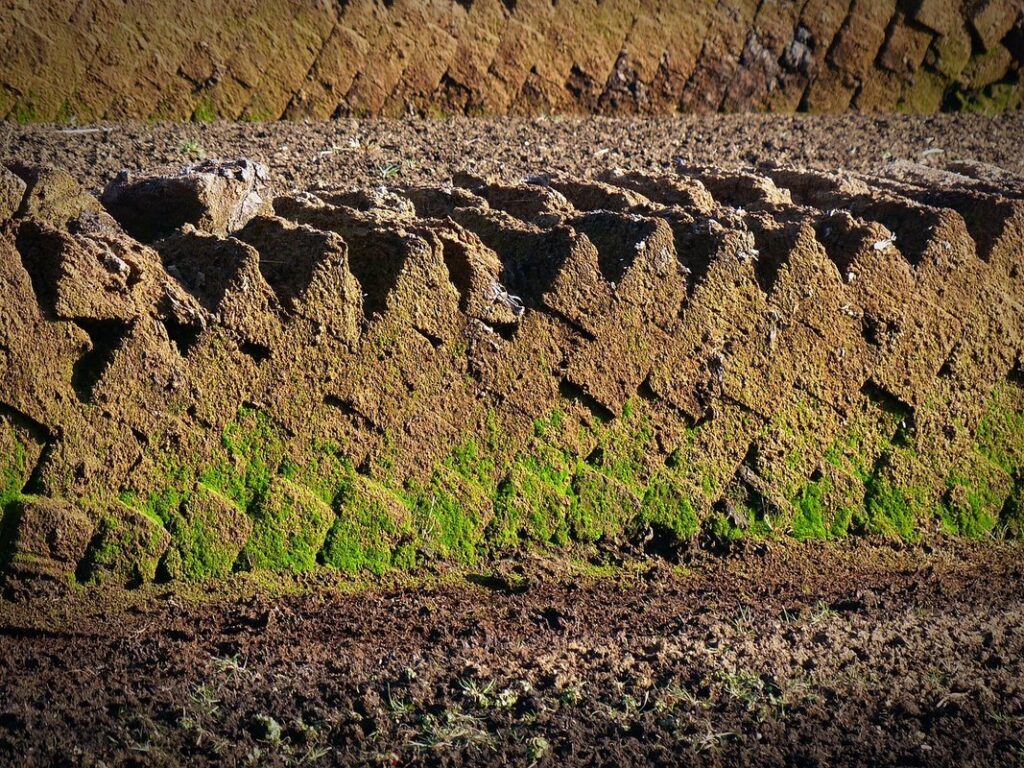
What is Peat Moss Potting Soil?
So, you’re new to peat moss potting soil and want to know what it’s all about – let’s start with the basics: what exactly is peat moss potting soil?
Definition and Origin
Peat moss potting soil is a type of growing medium specifically designed for container gardens. It’s made from peat moss, which is harvested from peat bogs – natural wetland areas that have accumulated plant matter over thousands of years. This unique combination of age-old plant material and acidic environment creates a rich source of nutrients.
The process of making peat moss potting soil involves mixing the peat moss with other ingredients like perlite or vermiculite to improve drainage, and sometimes fertilizers for added nutrition. The resulting mix is an excellent growing medium that provides good water retention, aeration, and pH buffering capabilities – all essential for healthy plant growth.
It’s worth noting that not all peat moss potting soils are created equal; some may contain additives or have varying levels of acidity. When choosing a product, look for one with the right balance of ingredients to suit your specific gardening needs. This knowledge will help you make informed decisions when selecting a high-quality peat moss potting soil for your plants.
This unique combination of properties makes it an ideal choice for a wide range of plants, from acid-loving azaleas and rhododendrons to delicate seedlings that require gentle support. By understanding what peat moss potting soil is and how it’s made, you’ll be better equipped to use it effectively in your gardening endeavors.
Peat moss potting soil is also relatively inexpensive compared to other growing mediums on the market, making it a cost-effective option for gardeners of all levels.
Comparison to Other Potting Soils
When it comes to potting soils, peat moss stands out from the crowd. Unlike other types of potting soils that rely on a mix of organic matter and inorganic fertilizers, peat moss is derived entirely from sphagnum mosses that have decomposed over thousands of years. This unique composition gives peat moss its exceptional water-holding capacity, making it an ideal choice for plants that prefer moist soil.
In comparison to coconut coir, another popular potting soil alternative, peat moss has a higher acidity level and retains more moisture. While coconut coir is often used as a more sustainable option due to its high carbon content, peat moss outperforms it in terms of water retention. Additionally, peat moss is less prone to compacting than other potting soils, allowing for better root growth.
If you’re considering switching from perlite-based potting mixes to peat moss, be aware that the pH levels may need adjusting due to peat moss’s naturally acidic nature. With these considerations in mind, peat moss can be an excellent addition to your gardening toolkit, offering superior water retention and a unique growing environment for your plants.
Benefits of Using Peat Moss Potting Soil
Let’s dive into one of the most significant advantages of using peat moss potting soil: its unique ability to retain moisture and suppress weeds, creating an ideal growing environment for your plants. This benefits you in several key ways.
Water Retention and Drainage
One of the most significant advantages of using peat moss potting soil is its exceptional ability to retain water while also facilitating proper drainage. This unique characteristic makes it an ideal choice for gardeners who want to provide their plants with consistent moisture levels without risking root rot or other water-related problems.
When you add peat moss to your potting mix, it absorbs excess water and releases it slowly as the plant needs it. This helps maintain a stable soil moisture level, allowing roots to absorb nutrients and water efficiently. The result is healthier, more robust plants that are better equipped to thrive in challenging environmental conditions.
Proper drainage is also crucial for healthy plant growth. Peat moss potting soil achieves this by incorporating air pockets within the mix, which prevent water from accumulating around the roots. This reduces the risk of root rot and other problems associated with overwatering. By striking a perfect balance between water retention and drainage, peat moss potting soil creates an ideal environment for your plants to flourish.
Nutrient Content and Fertility
One of the most significant benefits of using peat moss potting soil is its exceptional nutrient content and fertility. Unlike regular topsoil, which can be depleted of essential nutrients over time, peat moss is naturally rich in beneficial microorganisms that help to create a thriving ecosystem for plants. The acidity level in peat moss is also ideal for promoting healthy microbial activity, allowing it to support a diverse range of beneficial bacteria and fungi.
When used as a potting soil amendment, peat moss can help to improve soil structure, increase water retention, and provide essential nutrients to plants. It’s particularly effective at providing potassium, which plays a crucial role in plant growth and development. Additionally, peat moss contains humic acids that act as natural fertilizers, helping to stimulate root growth and promote overall plant health.
To get the most out of your peat moss potting soil, be sure to mix it with other ingredients to create a well-balanced growing medium for your plants. A general rule of thumb is to combine 20-30% peat moss with 60-70% perlite or vermiculite and 10-20% fertilizer. This will help to provide your plants with the optimal amount of nutrients while also maintaining good drainage and aeration.
Types of Peat Moss Potting Soil
When it comes to choosing peat moss potting soil, you’ll find a variety of types to suit different gardening needs, each offering unique benefits and characteristics. From regular to organic options, let’s explore your choices.
Organic vs. Synthetic Options
When it comes to peat moss potting soil, you’ll often come across two main types: organic and synthetic. Understanding the differences between these options is crucial for gardeners who prioritize sustainability and minimizing their environmental footprint.
Organic peat moss potting soils are made from natural materials such as sphagnum moss, compost, and other organic matter. These soils are biodegradable and can be reused or recycled after their use in gardens. They also tend to break down more slowly, allowing plants to absorb nutrients over a longer period. For instance, using a peat-based potting mix for seed starting will provide your young seedlings with a gentle yet reliable nutrient supply.
Synthetic peat moss, on the other hand, is made from processed peat that has been treated with chemicals and additives to increase its shelf life and durability. While these soils may be cheaper upfront, they can have negative environmental consequences when eventually discarded. They also often lack the beneficial microorganisms found in their organic counterparts.
If you’re concerned about the sustainability of your potting soil options, opt for an organic peat moss-based mix whenever possible.
Different Mixes and Blends
When it comes to using peat moss potting soil, you may be wondering about the different mixes and blends that are available. These specialized combinations can cater to specific plant types or growth conditions, making them an excellent choice for gardeners who want to tailor their soil mix to meet the unique needs of their plants.
One popular blend is a mix of peat moss with perlite or vermiculite. This combination improves drainage and aeration in the soil, making it ideal for plants that prefer well-draining conditions, such as cacti and succulents. On the other hand, mixes containing coconut coir or compost can add extra nutrients to the soil, perfect for plants like tomatoes and peppers.
Some peat moss blends are specifically designed for seed starting or propagation. These mixtures often include ingredients that promote healthy root development and reduce transplant shock. For example, a mix with a high percentage of peat moss, along with some perlite and fertilizer, can provide young seedlings with the perfect balance of moisture retention and nutrient availability.
When selecting a mix or blend, consider the specific needs of your plants and choose one that aligns with their requirements. This will ensure optimal growth and development, leading to healthier and more productive plants in the long run.
Using Peat Moss Potting Soil in Your Garden
To get the most out of peat moss potting soil, let’s explore how to use it effectively in your garden beds and containers for healthy plant growth.
Preparing the Soil
When preparing soil for use with peat moss potting soil, it’s essential to create an environment that allows the ingredients to work together harmoniously. One of the first steps is to test and adjust your soil pH levels. Peat moss has a naturally acidic pH, typically ranging from 3.5 to 4.5. For optimal performance, most plants prefer a slightly acidic to neutral soil pH between 6.0 and 7.0.
To achieve this balance, mix in some lime or dolomitic limestone to raise the pH if necessary. Conversely, sulfur can be added to lower the pH. It’s crucial to have your soil tested before making any adjustments, as excessive lime or sulfur application can cause long-term damage.
Another critical aspect is ensuring good drainage and aeration in your potting mix. Mix in perlite or vermiculite to improve water retention and prevent waterlogging. Avoid over-tilling the soil, which can lead to compacted areas that hinder root growth. Instead, gently loosen the top 6-8 inches of soil using a fork or spade, allowing for healthy drainage and air circulation.
Planting and Aftercare
When planting in peat moss potting soil, it’s essential to follow some specific guidelines to ensure your plants thrive. For seedlings, which are more delicate and require careful handling, gently remove them from their containers and place the roots into a hole that’s slightly deeper than the original container. This will help prevent root circling and give the seedling room to grow. Gently firm the soil around the roots, but avoid compacting it too much.
When transplanting established plants, you can dig a larger hole and add a layer of peat moss potting soil to improve drainage and fertility. However, be cautious not to overdo it – peat moss can retain too much water if over-applied. For general aftercare, keep the soil consistently moist but not waterlogged, as this can cause root rot and other issues. Mulch around the plants to conserve moisture and suppress weeds. With proper care, your plants will flourish in their new home, taking full advantage of peat moss potting soil’s numerous benefits.
It’s also worth noting that seedlings grown in peat moss potting soil may require less frequent watering due to its excellent water-holding capacity. Be mindful of this and avoid overwatering, which can lead to root rot and other problems. By following these simple guidelines, you’ll be able to create an optimal growing environment for your plants using peat moss potting soil.
Environmental Concerns and Sustainability
One of the biggest environmental concerns surrounding peat moss potting soil is its impact on our planet’s ecosystems, particularly bogs and wetlands. We’ll explore these issues in this section.
Peat Bogs and Deforestation
Harvesting peat moss from natural sources can have significant environmental implications. Peat bogs are unique ecosystems that store massive amounts of carbon, making them crucial for mitigating climate change. However, the process of extracting peat moss for use in horticulture contributes to deforestation and habitat destruction.
In Ireland alone, over 1% of the country’s land is used for peat harvesting, which has led to the loss of biodiversity and the degradation of ecosystems. Moreover, when peat bogs are drained or harvested, stored carbon is released into the atmosphere, accelerating global warming. This paradox highlights the need for sustainable alternatives.
If you’re concerned about the environmental impact of using natural peat moss, consider these options: look for sustainably sourced peat moss products, explore synthetic peat moss alternatives, or opt for coconut coir-based potting soils. By making informed choices, gardeners can minimize their contribution to environmental degradation while still enjoying the benefits of peat moss in their potting soil.
Eco-Friendly Alternatives
As you explore the benefits of peat moss potting soil, it’s essential to consider its environmental implications. Traditional peat moss harvesting can lead to habitat destruction and contribute to climate change. Fortunately, there are eco-friendly alternatives that offer similar functionality without the negative impact.
One popular substitute is coconut coir, a byproduct of coconut husks. This sustainable material has gained widespread acceptance in gardening circles due to its excellent water retention properties and ability to mimic peat moss’s structure. Coconut coir can be used as a standalone potting mix or blended with other ingredients to create a customized formula.
Another option is using recycled materials, such as shredded newspaper or cardboard, which can be composted and incorporated into your potting soil. These alternatives not only reduce waste but also provide essential nutrients for plants as they break down. By incorporating eco-friendly options like coconut coir and recycled materials into your gardening routine, you can enjoy the benefits of peat moss while minimizing its environmental drawbacks.
Common Mistakes to Avoid When Using Peat Moss Potting Soil
When using peat moss potting soil, it’s essential to be aware of a few common mistakes that can impact your plant’s health and growth. These oversights are often avoidable with some basic knowledge and precautions.
Overuse and Soil Compaction
When using peat moss potting soil, it’s essential to be mindful of its limitations and potential drawbacks. One common mistake gardeners make is over-relying on this product, which can lead to an imbalance in their soil ecosystem.
Peat moss has a high water-holding capacity, but this also means that it can retain too much moisture if not managed properly. When the mix becomes overly saturated, it can cause soil compaction, making it difficult for roots to breathe and access essential nutrients. This, in turn, can lead to root rot, poor drainage, and decreased plant growth.
To avoid these issues, use peat moss potting soil sparingly and in combination with other organic matter, such as compost or perlite. Aim for a mix that’s 20-30% peat moss, depending on the specific needs of your plants. Regularly check moisture levels and adjust watering schedules accordingly to prevent over-saturation.
A good rule of thumb is to repot plants that have become waterlogged in regular potting soil into a mix with improved drainage properties. This will help restore a healthy balance between water retention and air circulation, ensuring optimal growth and minimizing the risk of soil compaction.
Incompatibility with Certain Plants
When using peat moss potting soil, it’s essential to be aware of certain plants that may not thrive in its acidic environment. Some species, such as succulents and cacti, require well-draining soils with higher pH levels to prevent root rot. These plants are better suited for soils with a higher sand content or specifically designed cactus potting mixes.
On the other hand, acid-loving plants like azaleas, rhododendrons, and blueberries will love the acidic conditions provided by peat moss potting soil. However, even these plants may require special care when transitioning to peat moss-based soils. For example, you’ll need to gradually adjust their nutrient intake as they adapt to the new soil composition.
To avoid shocking your plants, it’s crucial to research and understand their specific needs before making the switch to peat moss potting soil. Start by conducting a soil test to determine your plant’s current pH levels and nutrient requirements. From there, you can make informed decisions about how to transition them to a peat moss-based potting mix.
Conclusion
In conclusion, peat moss potting soil is a versatile and effective solution for gardeners of all levels. By understanding its benefits and uses, you can make informed decisions about incorporating it into your gardening routine. Whether you’re looking to improve drainage, retain moisture, or support plant growth, peat moss has proven itself as a reliable choice. Remember to use it in moderation and balance it with other ingredients for optimal results. For example, combining peat moss with perlite or vermiculite can create an ideal growing mix for seedlings and cuttings. By implementing these tips and being mindful of the unique properties of peat moss, you’ll be well on your way to achieving healthy, thriving plants in no time.
Frequently Asked Questions
Can I use peat moss potting soil for indoor plants that prefer dry conditions?
Yes, you can still use peat moss potting soil for indoor plants that require less moisture. To mitigate the water retention properties of peat moss, mix it with other ingredients like perlite or vermiculite to improve drainage and prevent waterlogged soil.
How do I ensure I’m using sustainable peat moss options?
Choose suppliers that harvest peat moss from sustainably managed peat bogs or consider alternative products made from recycled or renewable sources. Look for certifications like the Sustainable Forestry Initiative (SFI) or the Programme for the Endorsement of Forest Certification (PEFC).
Can I mix peat moss potting soil with other organic amendments?
Yes, you can combine peat moss potting soil with other natural fertilizers and conditioners to create a customized blend that suits your plants’ needs. This approach can help maximize the benefits of peat moss while minimizing potential drawbacks.
How do I know if my plants are getting too much or too little peat moss?
Monitor your plants’ growth, leaf color, and overall health. If you notice signs of over-fertilization (e.g., excessive greenery), consider reducing the amount of peat moss potting soil in your mix. Conversely, if your plants appear nutrient-deficient, adjust the ratio accordingly.
Can I use peat moss potting soil in raised beds or directly in the ground?
While peat moss potting soil is designed for container gardens, you can also use it in raised beds or directly in the ground. However, be aware that its water retention properties may not be as effective in well-draining soils or when used with other amendments.