
Are you tired of using peat moss in your garden, but don’t know where to turn? You’re not alone! For years, gardeners have relied on this popular soil amendment for its ability to retain moisture and suppress weeds. However, many are now realizing that traditional peat moss can be a major environmental problem.
As concern for the planet grows, so does our desire to find eco-friendly alternatives to everyday products – including gardening supplies like peat moss. The good news is that there are plenty of effective substitutes waiting in the wings. In this article, we’ll explore some of the best peat moss alternatives out there, from coconut coir and vermiculite to DIY mixtures and synthetic options. We’ll also dive into the benefits and drawbacks of each choice, so you can make informed decisions for your garden.
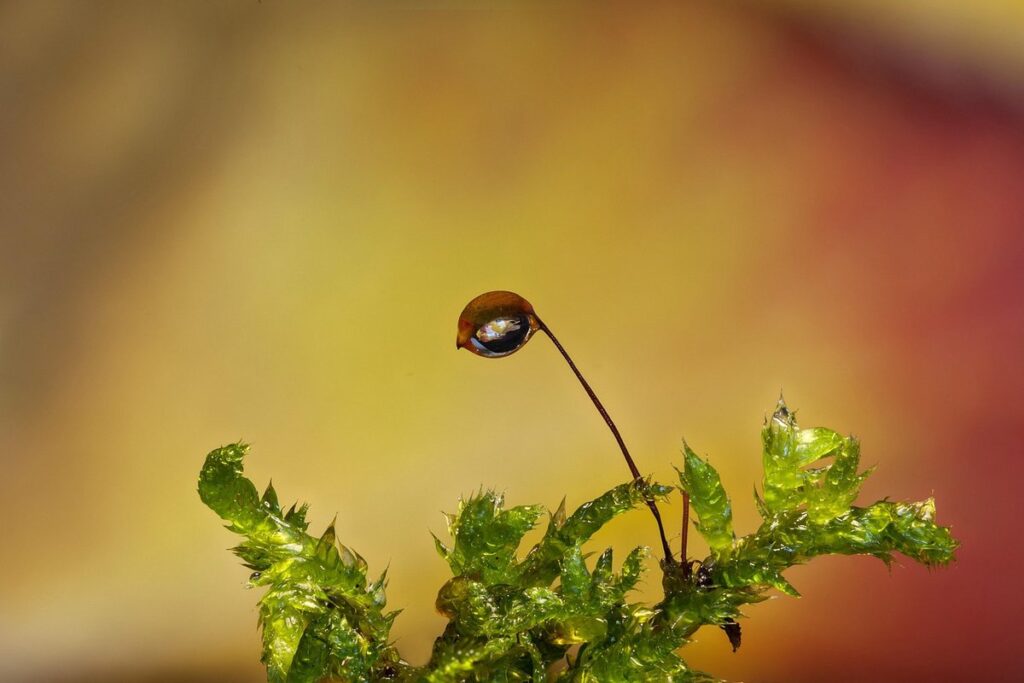
Understanding Peat Moss and its Limitations
Let’s take a closer look at peat moss itself, including what it is, how it’s made, and why it has some limitations that have led gardeners to seek out alternatives.
What is Peat Moss?
Peat moss is a highly prized ingredient in gardening due to its exceptional water-holding capacity and ability to retain moisture. It’s primarily composed of partially decayed plant matter that has accumulated over thousands of years, typically from sphagnum bogs or peatlands. The composition of peat moss can vary depending on its origin, with some samples containing as much as 90% carbon.
In gardening, peat moss is often used as a soil amendment to improve drainage and reduce erosion. It’s commonly mixed into potting mixes or blended with other ingredients like perlite or vermiculite to create a well-balanced growing medium. When used correctly, peat moss can help plants thrive by providing the necessary nutrients and moisture they require.
However, it’s worth noting that peat bogs are natural ecosystems that support unique plant species and habitats. The harvesting of peat moss can contribute to the degradation of these environments and disrupt local biodiversity. As gardeners become more environmentally conscious, many are turning to eco-friendly alternatives to traditional peat moss.
Environmental Concerns with Peat Moss
When it comes to peat moss alternatives, understanding the environmental concerns associated with its harvesting is crucial. One of the primary issues is deforestation. Large areas of land are cleared to extract peat bogs, which can lead to loss of biodiversity and disruption to delicate ecosystems. For instance, in the UK alone, over 150,000 hectares of peatland have been lost since the 19th century.
Harvesting peat moss also contributes significantly to greenhouse gas emissions. Peatlands are natural carbon sinks, storing massive amounts of CO2. When peat is extracted and burned, this stored carbon is released into the atmosphere, accelerating climate change. In fact, it’s estimated that peatlands are responsible for up to 10% of global greenhouse gas emissions.
The loss of biodiversity is another pressing concern. Peat bogs support a unique array of plant and animal species adapted to these acidic environments. When peat is harvested, these ecosystems are disrupted, leading to further extinctions. By choosing eco-friendly alternatives to peat moss, gardeners can help mitigate these environmental impacts and create more sustainable gardening practices.
Exploring Alternative Moisture-Retentive Materials
Let’s take a closer look at some eco-friendly alternatives to traditional peat moss that can provide similar moisture retention benefits for your garden. We’ll explore innovative options like coconut coir and sphagnum-free blends.
Coir: A Coconut-Based Option
Coir is a popular eco-friendly alternative to peat moss that’s made from coconut husks. This sustainable material has gained traction among gardeners and landscapers due to its impressive moisture-retentive properties, durability, and ease of use.
One of the key benefits of coir is its ability to hold up to 9 times its weight in water, making it an excellent choice for potting mixes, garden beds, and even erosion control. When used as a top dressing or mixed with soil, coir helps retain moisture, suppress weeds, and support healthy root growth.
In addition to its impressive performance, coir is also a carbon-neutral option that requires minimal processing, resulting in reduced waste and environmental impact. It’s also biodegradable, making it an attractive choice for gardeners who prioritize sustainability.
To incorporate coir into your gardening routine, consider adding it to your potting mix at a ratio of 10-20% or using it as a compost ingredient to boost soil structure and fertility. Whether you’re repotting plants, creating new garden beds, or addressing erosion issues, coir is an effective and eco-friendly solution that’s worth exploring further.
Vermiculite: A Mineral-Based Retainer
Vermiculite is another mineral-based retainer that has gained attention as a peat moss alternative. It’s composed of micaceous minerals, which expand when heated and contract when cooled, allowing it to retain moisture effectively. One of the advantages of using vermiculite is its excellent water-holding capacity, making it an ideal choice for retaining soil moisture. Additionally, it has good thermal insulation properties, helping to regulate soil temperature.
However, there are some potential drawbacks to consider. For instance, vermiculite can be quite expensive compared to other alternatives like coconut coir or straw bales. Furthermore, it’s not as readily available as other materials, which might make it harder to source locally. When using vermiculite in your garden, keep in mind that it should be used sparingly and combined with other materials for optimal results. Mixing it with compost or well-rotted manure can help to improve soil structure and fertility while minimizing its potential negative effects on the environment.
Compost and Other Natural Amendments
Compost and other natural amendments are excellent alternatives to peat moss, offering a way to enrich your soil without harming the environment. We’ll explore these eco-friendly options in more detail below.
Creating Your Own Compost
Creating your own compost is not only an eco-friendly option but also a cost-effective and rewarding way to nourish your garden. By turning kitchen scraps and yard waste into nutrient-rich soil, you’ll reduce your reliance on peat moss and create a more sustainable gardening practice.
To start making compost, you’ll need a mix of “green” materials like fruit and vegetable scraps, tea bags, and grass clippings, as well as “brown” materials such as dried leaves, straw, or shredded newspaper. Aim for a 2:1 ratio of brown to green materials to ensure the pile doesn’t get too wet or smelly.
Some key tips for successful composting include keeping the pile moist but not waterlogged, turning it regularly to aerate, and avoiding adding meat, dairy, or oily foods that can attract pests. As the compost breaks down, you’ll notice a reduction in volume and a rich, earthy aroma. With regular maintenance, your homemade compost will be ready to use in about 2-3 months, providing your garden with the nutrients it needs to thrive. By making your own compost, you’ll not only reduce waste but also create a more sustainable gardening practice that’s gentle on the environment.
Other Natural Moisture-Retention Methods
In addition to using natural amendments like compost, there are several other ways to retain moisture in your soil. Mulching is an effective method that involves applying a layer of organic material, such as wood chips or bark, to the surface of your garden beds. This helps to slow down evaporation and keep the soil cool, allowing it to retain more moisture.
Another technique is cover cropping, where you plant crops like winter rye or clover between your main crop seasons. These plants have deep roots that help to break up compacted soil and improve drainage, while also adding organic matter as they decompose.
You can also try using a layer of straw or hay as mulch, which not only retains moisture but also suppresses weeds and regulates soil temperature. When applying mulch, be sure to keep it a few inches away from your plant stems to prevent rot and other issues.
Incorporating these natural moisture-retention methods into your gardening routine can help you reduce your reliance on peat moss alternatives while maintaining healthy, thriving plants.
Synthetic Alternatives to Peat Moss
If you’re looking for a synthetic alternative to peat moss, you’ll find that coconut coir and vermiculite are popular options worth considering in your garden. Let’s take a closer look at these alternatives.
Polyon: A Modern Option
When it comes to synthetic alternatives to peat moss, Polyon is definitely worth considering. This modern option boasts a unique set of properties that make it an attractive choice for gardeners looking to reduce their environmental impact.
Polyon is a highly porous, granular material made from a combination of recycled wood fibers and other natural materials. Its high water-holding capacity, combined with excellent aeration properties, makes it an ideal medium for seed starting and transplanting. This means that you can give your young seedlings the best possible start in life without worrying about them drying out.
One of the key advantages of Polyon is its ability to retain moisture while still allowing air to circulate around plant roots. This helps prevent waterlogging, which can be a major problem when using traditional potting mixes. Plus, Polyon is fully biodegradable and can even be composted at the end of its lifespan.
As an added bonus, Polyon is also highly resistant to pests and diseases, making it a great choice for gardeners who want to minimize their use of chemicals. With its versatility and eco-friendliness, Polyon is definitely worth considering as a synthetic alternative to peat moss in your gardening routine.
Other Synthetic Moisture-Retentive Materials
In addition to coconut coir and sphagnum moss alternatives, there are other synthetic materials that can help reduce the environmental impact of peat moss use. One such material is polyurethane foam, which has similar moisture-retentive properties as peat moss but with added benefits.
Polyurethane foam, for instance, is more durable than traditional peat moss and retains water better in hot weather conditions. However, it can be less effective in cold temperatures and may also contribute to microplastic pollution if not disposed of properly.
Another option is perlite, a lightweight, porous material that allows for good drainage and aeration while retaining moisture. Perlite can be used as a standalone growing medium or blended with other materials to create a more sustainable potting mix.
When choosing synthetic alternatives like polyurethane foam or perlite, it’s essential to consider the specific needs of your garden and select products made from non-toxic, biodegradable ingredients whenever possible. This will help minimize potential environmental harm while maintaining healthy plant growth.
DIY Peat Moss Alternatives: Cost-Effective Solutions
If you’re looking for a budget-friendly way to replicate peat moss, consider making your own alternatives using materials you likely have on hand. This section shares creative DIY solutions to try today.
Creating Your Own Mixes
When creating your own peat moss alternatives, you can get creative with various materials found around your garden or even at home. One of the simplest recipes is to mix together 2 parts of coconut coir, 1 part of compost, and 1 part of perlite. This blend provides excellent drainage while retaining moisture, making it ideal for seed starting and potting mixes.
For a more budget-friendly option, you can also try using shredded newspaper as a substitute for peat moss in your garden beds. To make this mixture effective, simply soak the shredded paper in water to break down its fibers, then mix it with other ingredients like compost and manure tea. This blend will help improve soil structure and fertility while reducing waste.
When experimenting with different combinations, remember to consider factors such as pH levels, moisture retention, and nutrient availability. Start with small batches to test the effectiveness of your mixes before scaling up to larger quantities. By repurposing readily available materials, you can create unique peat moss alternatives that not only save costs but also contribute to a more sustainable gardening practice.
Upcycling and Repurposing Materials
Get creative with upcycling and repurposing household items to create effective peat moss alternatives for your garden. Think of it as a treasure hunt where you turn trash into treasure. This approach not only reduces waste but also showcases your resourcefulness.
Take, for instance, coconut coir, which can be used as a substitute for peat moss in potting mixes. You can repurpose old cardboard tubes by cutting them into strips and using them as seed starters. Coffee grounds, tea bags, and even eggshells can be added to your compost pile or used directly in the soil.
To make a DIY peat moss alternative, collect dry leaves and mix them with other organic materials like straw or shredded newspaper. This blend will provide excellent drainage while retaining moisture. You can also use old cotton fabric or paper towels as a substitute for peat moss in seed starting mixes.
Making the Switch to Peat Moss Alternatives: Tips and Considerations
When transitioning away from traditional peat moss, it’s essential to consider a few key factors to ensure your new alternative serves its purpose effectively. Let’s dive into some practical tips for a seamless switch.
Preparing Your Soil for Transition
Preparing your soil for transition from peat moss to an alternative material requires some adjustments to ensure a smooth swap. First, test your soil pH and adjust it accordingly. Peat moss has a low pH, often making the soil acidic. If you’re switching to a more alkaline alternative like coconut coir or pine straw, you may need to add lime to raise the pH.
Next, assess your soil’s nutrient levels. Peat moss is rich in nutrients, but alternatives like bark chips or composted manure might not provide the same level of nutrition. Consider adding organic fertilizers or supplements to support your plants’ growth. For example, if you’re using coconut coir, which is naturally high in potassium, you may want to reduce the amount of potassium-rich fertilizers.
Another crucial step is evaluating your soil’s water-holding capacity. Peat moss retains moisture well, but some alternatives like compost or worm castings might require more frequent watering. Adjust your irrigation schedule accordingly to prevent overwatering or underwatering. By making these necessary adjustments, you’ll be able to transition your garden to a peat moss alternative successfully and enjoy healthier plants while reducing your environmental impact.
Troubleshooting Common Issues
When making the switch to peat moss alternatives, you may encounter some common challenges that can be frustrating and affect the overall success of your garden. One of the most common issues is inconsistent moisture retention, which can lead to overwatering or underwatering. This is often due to inexperience with the alternative material or incorrect application.
To resolve this issue, start by monitoring the moisture levels regularly, using a moisture meter if necessary. Adjust the watering schedule accordingly, and make sure to water thoroughly but infrequently. You can also mix the alternative material with other ingredients that retain moisture, such as coconut coir or vermiculite.
Another common challenge is poor soil structure, which can lead to root bound plants or reduced plant growth. To address this issue, add organic matter like compost or worm castings to improve the soil‘s structure and fertility. You can also use a combination of alternative materials with different textures and properties to create a more balanced soil mix.
Lastly, be prepared for some trial and error when working with new materials. Experiment with different ratios, ingredients, and application methods until you find what works best for your garden. Remember that patience and flexibility are key when making the switch to peat moss alternatives.
Frequently Asked Questions
Can I use peat moss alternatives immediately, or do I need to gradually transition my garden?
Yes, you can start using peat moss alternatives right away, but it’s recommended to transition your garden gradually to avoid shocking the soil microbiome. Begin by incorporating small amounts of alternative materials into your existing potting mix or starting new beds with 100% peat moss-free amendments.
How do I know which peat moss alternative is best for my specific climate and plant needs?
Choose a peat moss substitute based on its ability to retain moisture, its pH level, and its cost-effectiveness. For example, coconut coir works well in warm and dry climates, while vermiculite excels in humid environments. Consider the specific needs of your plants, such as acidity or alkalinity preferences.
Can I mix different peat moss alternatives together for a custom blend?
Yes, combining various peat moss substitutes can create a unique blend tailored to your garden’s requirements. However, ensure you’re balancing the pH levels and nutrient contents of each material. For example, mixing coconut coir with vermiculite can provide an optimal balance between moisture retention and structure.
What’s the best way to store and transport peat moss alternatives to prevent spoilage?
Properly storing and transporting peat moss substitutes requires consideration of their sensitivity to light, moisture, and temperature. Store coconut coir in a dry, well-ventilated area, while vermiculite can be stored in an airtight container. When transporting, keep materials away from direct sunlight and extreme temperatures.
Will using peat moss alternatives affect the nutrient content of my soil?
Most peat moss substitutes will not significantly impact your soil’s nutrient levels, as they’re primarily focused on moisture retention rather than nutrient addition. However, be aware that some materials may contain residual nutrients or minerals, which can contribute to a more balanced soil ecosystem over time.