
The natural world is full of hidden gems waiting to be discovered, and one such treasure is the pearly everlasting plant. This unassuming yet resilient flower has been captivating botanists and nature enthusiasts alike with its unique characteristics and impressive adaptability. Not only does it attract a multitude of pollinators, but its delicate white blooms also add a touch of elegance to any landscape. But beyond its aesthetic appeal, the pearly everlasting plant offers a wealth of benefits, from edible flowers that can be used in salads to medicinal properties that have been harnessed for centuries. In this article, we’ll delve into the fascinating world of pearly everlasting plants, exploring how to identify them, their uses and cultivation requirements, as well as conservation efforts to protect these incredible ecosystems.
What is the Pearly Everlasting Plant?
Let’s dive right into what makes the pearly everlasting plant so unique, starting with its basic characteristics and background. You’ll find it’s a fascinating topic!
Native Habitat and Distribution
The pearly everlasting plant (Anaphalis margaritacea) is native to the mountainous regions of Europe and Asia. Its natural distribution spans across various countries, including France, Switzerland, Austria, Germany, Poland, Russia, Japan, China, and Korea. You can also find it growing in similar climates in North America, particularly in the western parts of Canada and the United States.
The plant thrives in areas with well-drained soils and full sun to partial shade. It’s often found growing alongside roadsides, meadows, and mountain slopes at elevations between 1,500 to 3,000 meters above sea level. In its native habitats, you’ll notice pearly everlasting plants blooming from mid-summer to early fall, producing masses of white or pale pink flowers.
If you’re looking to grow the pearly everlasting plant in your garden, choose a spot with similar conditions to its natural habitat. This includes well-drained soil and full sun to partial shade. Be prepared for the fact that this perennial may spread rapidly through underground rhizomes, so consider containing it to prevent invasiveness.
Identification Tips
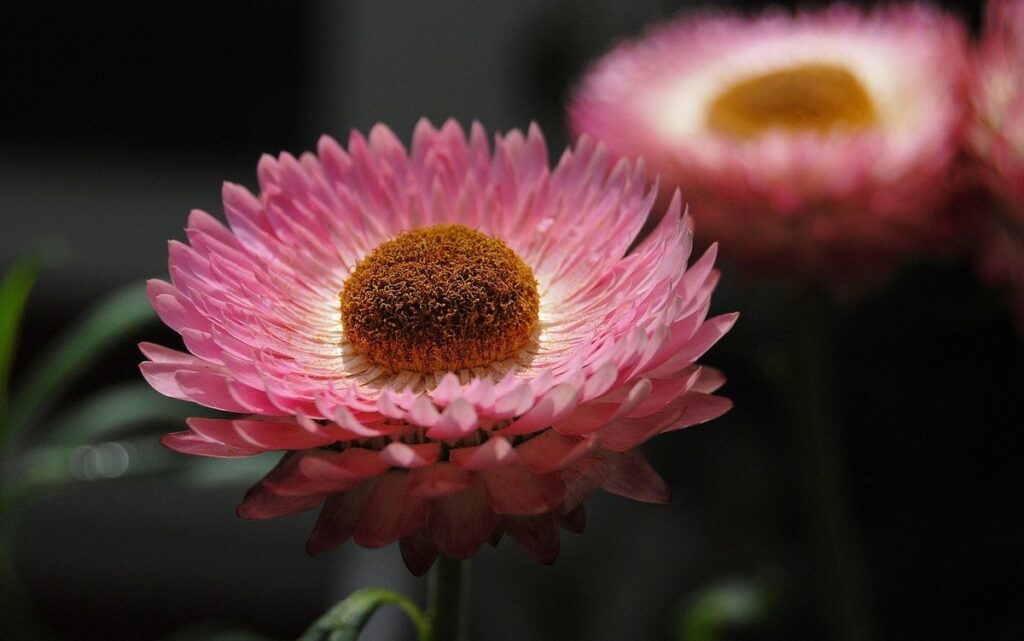
Identifying the pearly everlasting plant can be a delightful experience for nature enthusiasts. One of its most distinctive features is its delicate white flowers that bloom from mid-summer to fall. The flowers are arranged in a rounded cluster at the end of stems, giving them a charming, pom-pom-like appearance.
To distinguish the pearly everlasting plant from other species, pay attention to its growth habit and foliage. It typically grows 2-4 feet tall with an open, branching habit, whereas some similar plants tend to be more compact or have a more upright growth pattern. The leaves of the pearly everlasting are lance-shaped and pointed at the tip, usually growing opposite each other on the stem.
When foraging in the wild, look for the pearly everlasting plant’s distinctive habit of producing multiple stems from a central crown. This characteristic can help you identify it among similar plants with overlapping ranges. In gardens, the pearly everlasting often self-seeds, creating new plants that can be easily recognized by their white blooms and distinctive foliage.
Plant Characteristics and Uses
The pearly everlasting plant has a unique set of characteristics that make it valuable for various uses, from ornamental purposes to medicinal applications. Let’s take a closer look at these traits in this section.
Appearance and Growth Habit
The pearly everlasting plant (Anaphalis margaritacea) boasts an attractive appearance and unique growth habit that makes it a standout among its peers. Its leaves are lance-shaped, dark green on top, and covered with fine hairs underneath, measuring about 2-5 inches long and 1/4 inch wide. The stems are slender, often branching, and can reach up to 18 inches in height.
The flowers of the pearly everlasting plant are its crowning glory, forming a delicate crown-like inflorescence at the tip of the stem. These small, white blooms are arranged in whorls around the axis, giving them a star-shaped appearance. Each flower measures approximately 1/4 inch across and is clustered together to form a flat-topped panicle, typically measuring 2-5 inches wide.
When mature, pearly everlasting plants can reach heights of up to 3 feet (36 inches), although they often top out around 18-24 inches. They prefer well-drained soil and full sun to partial shade conditions, making them an excellent choice for gardeners who want a low-maintenance yet visually appealing addition to their landscape.
Edible and Medicinal Uses
The pearly everlasting plant has been utilized for its medicinal and edible properties by various cultures around the world. In traditional medicine, the leaves and stems of the plant are used to treat a range of ailments including fever, sore throats, and digestive issues. The plant’s roots contain a compound called inulin, which is often used as a natural laxative.
In modern times, the plearly everlasting plant has been studied for its anti-inflammatory properties, making it a potential treatment for conditions such as arthritis. Some studies have also suggested that the plant may have antimicrobial and antiviral effects, although more research is needed to confirm these findings.
To use the pearly everlasting plant medicinally, dried leaves or roots can be steeped in hot water to make a tea. Alternatively, the leaves can be added fresh to salads or used as a garnish for soups and other dishes. It’s essential to note that while the plant has been used traditionally for medicinal purposes, more research is needed to fully understand its effects on human health. As with any new supplement or treatment, consult a healthcare professional before using the pearly everlasting plant for therapeutic purposes.
Growing and Care
To ensure your pearly everlasting plant thrives, it’s essential to understand how to provide the right growing conditions and care for optimal growth. We’ll walk you through these crucial steps next.
Soil and Light Requirements
To grow and thrive, pearly everlasting plants require specific soil conditions and light exposure. When it comes to soil, these plants prefer well-draining, slightly acidic to neutral soils with a pH range of 6.0-7.5. Avoid using heavy clay or sandy soils as they can cause waterlogging and root rot.
In terms of light requirements, pearly everlasting plants need full sun to partial shade. Direct sunlight is essential for optimal growth, but young seedlings should be shielded from intense midday sun to prevent scorching. East- or west-facing windows are ideal locations for indoor cultivation, while outdoor gardens can benefit from south-facing exposure.
To ensure your plant receives the right amount of light, observe its natural response to different conditions. If you notice yellowing leaves or stunted growth, it may be a sign that your pearly everlasting needs more light. Conversely, if the leaves are becoming scorched or wilted, it’s likely receiving too much direct sunlight.
In general, providing your pearly everlasting with 4-6 hours of direct sunlight per day will meet its requirements. You can supplement this with bright artificial lighting, especially during the winter months when natural light is scarce.
Propagation Methods
Propagating pearly everlasting plants is relatively easy and can be done through division, cuttings, or seed starting. Division involves separating established plants into smaller sections, making sure each section has a good balance of roots and foliage. This method works best for mature plants with multiple stems.
For propagation via cuttings, use healthy stem tips with at least two sets of leaves. Remove lower leaves to prevent water loss and reduce the risk of rot. Dip the cut end in rooting hormone powder or liquid before placing it in a pot filled with well-draining mix. Keep the soil consistently moist but not waterlogged.
Seed starting is an alternative method, suitable for those who want to multiply plants quickly. Sow seeds directly into pots or trays filled with fine seed mix, pressing them lightly into place. Provide adequate light and maintain a consistent temperature above 65°F (18°C). Seedlings will emerge within two to three weeks, at which point they can be transplanted into individual pots.
When using any of these methods, it’s essential to provide the right environment for optimal growth. Most importantly, ensure the new plants receive sufficient light and maintain a consistent moisture level. This will increase their chances of thriving and establishing themselves as healthy, mature pearly everlasting plants.
Wildlife Value and Ecosystem Role
The pearly everlasting plant plays a vital role in its ecosystem, supporting local wildlife that depend on its unique characteristics. Let’s explore how it benefits the environment.
Attracting Pollinators and Beneficial Insects
When it comes to attracting pollinators and beneficial insects, the pearly everlasting plant is a standout. As you walk through fields where this gorgeous bloom grows, notice how bees, butterflies, and other pollinators are drawn to its nectar-rich flowers.
Bees, in particular, adore the pearly everlasting’s delicate blooms. Their tube-shaped flowers are rich in nectar, making them an ideal spot for these busy insects to refuel. This mutualistic relationship benefits both parties: as bees collect nectar, they also transfer pollen, allowing the plant to reproduce. According to a study published in the Journal of Pollination Ecology, pearly everlasting plants can attract up to 20 different species of pollinators.
But beneficial insects like ladybugs and lacewings are also attracted to the pearly everlasting’s flowers. These natural pest controllers prey on aphids and other garden pests, reducing the need for pesticides. To create a welcoming environment for these beneficial insects, plant the pearly everlasting alongside native plants that attract their preferred food sources.
Food Source for Animals
The pearly everlasting plant is not only visually striking but also serves as an essential food source for various wildlife species. Its delicate white flowers and seeds attract a range of pollinators and seed dispersers, including bees, butterflies, ants, and birds.
One notable example is the Western Bumblebee (Bombus occineus), which relies heavily on the pearly everlasting plant’s nectar-rich flowers as a primary source of sustenance. In fact, studies have shown that these bees visit the pearly everlasting plant more frequently than any other flower species in their habitat. This symbiotic relationship not only benefits the bee but also contributes to the pollination process.
Other animals, such as deer and rabbits, feed on the plant’s leaves and stems, while birds like the American Goldfinch (Spinus tristis) consume its seeds. By incorporating pearly everlasting plants into your garden or landscape, you can create a thriving ecosystem that supports local wildlife and enhances biodiversity.
Cultivation and Landscaping
To get the most out of your pearly everlasting plant, you’ll want to learn how to cultivate and landscape it effectively in a variety of settings. We’ll walk you through the basics of its care and design requirements.
Garden Design Considerations
When incorporating the pearly everlasting plant into your garden design, there are several considerations to keep in mind. One of the most important is companion planting, which refers to the practice of pairing plants with complementary growing habits and characteristics.
For example, you can pair pearly everlasting with native grasses or wildflowers that have similar growth habits and sunlight requirements. This will create a harmonious and balanced landscape that showcases the beauty of this unique plant. Some popular companion plants for pearly everlasting include coneflowers, black-eyed Susans, and bluestem grass.
When selecting companion plants, consider factors such as bloom time, foliage texture, and growth rate to ensure that your garden design is visually appealing and well-maintained. You can also experiment with different plant combinations to create a unique and eye-catching landscape that reflects your personal style.
In terms of specific placement, pearly everlasting prefers full sun to partial shade and well-draining soil, making it an ideal choice for meadows, prairies, or other open spaces. By carefully selecting companion plants and taking into account the plant’s growing requirements, you can create a stunning garden display that showcases the beauty and resilience of the pearly everlasting plant.
Hardiness Zone Information
When it comes to cultivating pearly everlasting plants, understanding their hardiness zones is crucial for success. These beautiful wildflowers are native to North America and can thrive in various climates, but they do require specific conditions to reach their full potential.
The pearly everlasting plant is typically hardy in USDA zones 3-9, meaning it can tolerate temperatures as low as -40°F (-40°C) and as high as 90°F (32°C). However, if you live in an area with extreme temperatures, you’ll need to take extra precautions. In colder climates, make sure to plant the pearly everlasting in a location that receives full sun and has well-draining soil to prevent waterlogged roots.
In warmer climates, be mindful of the plant’s susceptibility to heat stress. To mitigate this risk, provide afternoon shade for your pearly everlasting plants during the hottest summer months. Additionally, ensure your plants receive adequate moisture, but avoid overwatering, which can lead to root rot and other issues. By understanding and adapting to your region’s hardiness zone, you’ll be well on your way to growing a thriving pearly everlasting garden.
Conservation Status and Environmental Impact
The pearly everlasting plant has a unique relationship with its environment, which is crucial for its survival. Let’s explore how human activities impact its conservation status and ecological role.
Threats to Native Populations
Native populations of the pearly everlasting plant are facing several threats to their survival. One major concern is habitat destruction due to urbanization and agriculture. As natural habitats such as meadows and open woods are converted into developed areas, the pearly everlasting plant’s native range is being fragmented and reduced.
Invasive species also pose a significant threat to the plearly everlasting plant. Non-native plants like purple loosestrife and Canada thistle compete with the pearly everlasting for resources, outcompeting it for space and light. These invasive species can alter the ecosystem’s chemistry, making it harder for native plants like the pearly everlasting to survive.
In some regions, overgrazing by livestock is also affecting pearly everlasting plant populations. Overgrazed areas tend to have fewer herbaceous plants, including the pearly everlasting. To mitigate these threats, conservation efforts should focus on preserving and restoring natural habitats, controlling invasive species, and promoting sustainable land use practices. This can be achieved through collaboration between local communities, landowners, and conservation organizations.
Ecological Role in Restoring Ecosystems
As we’ve explored the unique characteristics and benefits of the pearly everlasting plant, it’s essential to discuss its ecological role in restoring degraded ecosystems. This fascinating species has the potential to make a significant impact on the health and resilience of our planet.
The pearly everlasting plant is an ideal candidate for restoration efforts due to its ability to thrive in disturbed or degraded areas. Its adaptability and hardiness enable it to grow in soils with low nutrient levels, making it an excellent choice for sites where other plants may struggle to survive. This resilience allows the pearly everlasting plant to quickly colonize and stabilize the soil, preventing erosion and promoting the growth of more diverse vegetation.
One of the most significant ways the pearly everlasting plant contributes to ecosystem restoration is through its ability to accumulate and store nutrients in the soil. Its deep taproots allow it to access water and nutrients that other plants may not be able to reach, making it an excellent species for improving soil health. This process, known as “nutrient mining,” enables the pearly everlasting plant to enrich the surrounding soil, creating a fertile environment for more diverse plant life to thrive.
In addition to its role in nutrient accumulation, the pearly everlasting plant also provides essential habitat and food sources for various wildlife species. Its small white flowers attract pollinators such as bees and butterflies, which are crucial for maintaining healthy ecosystems. The plant’s foliage also serves as a sheltered spot for small animals, providing protection from harsh weather conditions and predators.
Restoration efforts involving the pearly everlasting plant can be implemented on both large and small scales. For instance, it can be used to revitalize polluted industrial sites or transform areas impacted by invasive species. On smaller scales, gardeners and landowners can incorporate the pearly everlasting plant into their landscapes, creating a diverse range of habitats that support local wildlife.
To effectively utilize the pearly everlasting plant in restoration efforts, consider the following strategies:
* Assess the site’s specific conditions and choose the most suitable planting method.
* Incorporate companion plants that complement the pearly everlasting plant’s growth habits.
* Monitor the site regularly to ensure the pearly everlasting plant is thriving and not competing with other native species.
By embracing the ecological role of the pearly everlasting plant, we can harness its potential to restore degraded ecosystems and promote biodiversity. As a versatile and resilient species, it has the capacity to make a lasting impact on our environment, and by incorporating it into restoration efforts, we can create healthier, more vibrant ecosystems for future generations.
Frequently Asked Questions
How can I propagate pearly everlasting plants to share with friends or use for landscaping projects?
To propagate paryllar everlasting plants, you can take cuttings from mature stems or collect seeds from dried flower heads. Cuttings should be taken in the spring or summer and planted directly into well-draining soil. Seeds can be sown indoors 6-8 weeks before the last frost date or directly outdoors in late spring. Make sure to provide adequate light and water for optimal growth.
What are some common challenges I might face when growing pearly everlasting plants, and how can I overcome them?
One common challenge is that pearly everlasting plants require well-draining soil and full sun to partial shade. If your garden lacks these conditions, you may need to amend the soil or provide additional light through a south-facing window. Another potential issue is root rot from overwatering; ensure good air circulation and only water when necessary.
Can I use pearly everlasting flowers as a natural dye for fabric?
Yes, pearly everlasting flowers can be used as a natural dye for fabric. The delicate white blooms contain high levels of anthocyanins, which are responsible for the plant’s color. To create a dye, steep the flowers in boiling water and then soak your desired fabrics until they reach the desired shade.
How do I identify pearly everlasting plants when they’re not in bloom?
Identifying paryllar everlasting plants out of flower can be more challenging. Look for the plant’s distinctive silver-gray leaves, which are often covered with fine hairs. Also, note the leaf shape and arrangement – pearly everlasting plants typically have opposite, lance-shaped leaves with a pointed tip.
Can I use pearly everlasting plants in containers or do they require a large garden bed?
Yes, pearly everlasting plants can thrive in containers as long as they receive adequate light and drainage. Choose a container at least 6-8 inches deep to accommodate the plant’s taproot. Use well-draining potting mix and ensure good air circulation to prevent root rot.