
Fire blight is one of the most devastating diseases that can affect your prized pear trees, causing damage to leaves, fruit, and even killing the tree itself. If you’re noticing blackened shoots or lesions on your pear tree‘s branches, it might be a sign that fire blight has taken hold. This bacterial disease is caused by Erwinia amylovora and can spread quickly through your orchard, leaving a trail of destruction in its wake. But don’t worry – with the right management techniques, you can prevent or treat fire blight and protect your pear trees from this nasty disease. In this article, we’ll explore the causes, symptoms, and management methods to help you identify and control fire blight in your pear tree.
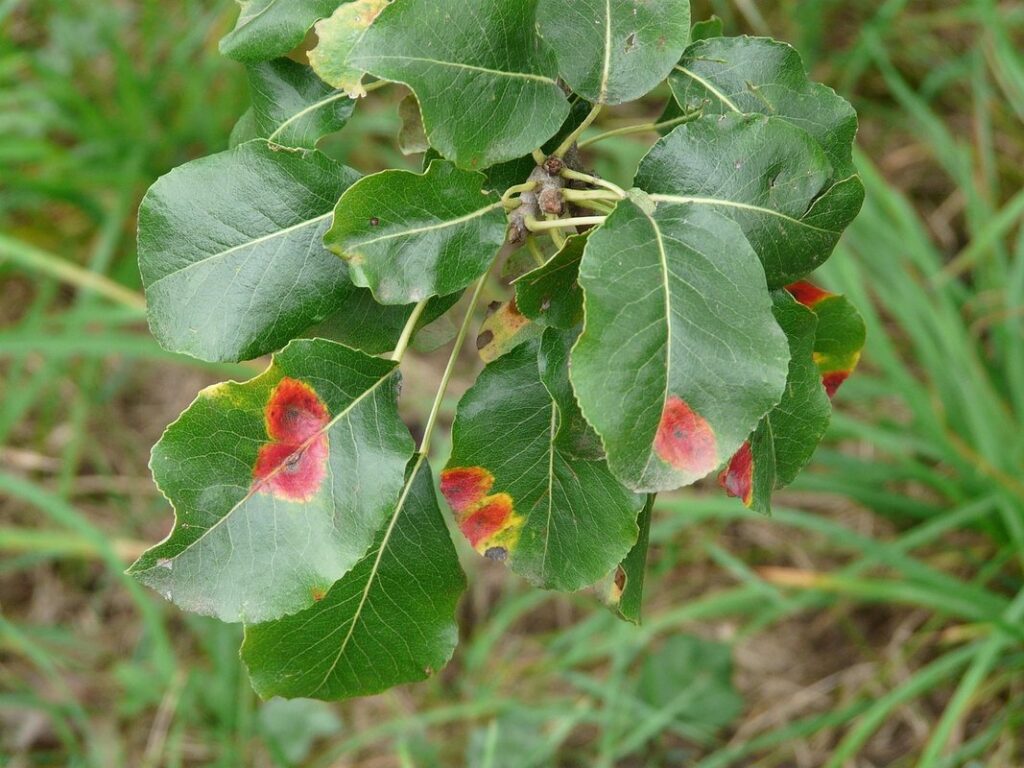
Understanding Fire Blight in Pear Trees
Fire blight is a common issue for pear tree growers, caused by the bacterium Erwinia amylovora. In this explanation, we’ll break down how fire blight develops in pear trees.
What is Fire Blight?
Fire blight is a highly contagious bacterial disease that affects pear trees, causing significant damage to their flowers, leaves, and fruit. The primary cause of fire blight is the bacterium Erwinia amylovora, which infects the tree through natural openings or wounds caused by environmental factors like frost, hail, or strong winds.
The impact of fire blight on fruit production can be devastating. Infected trees may produce deformed or discolored fruit that’s often unmarketable. In severe cases, fire blight can kill entire branches or even the entire tree if left untreated. Understanding fire blight is crucial for pear tree growers, as it allows them to take proactive steps to prevent the disease from spreading.
Some of the key factors that contribute to fire blight include warm temperatures, high humidity, and the presence of nectar-rich flowers. Growers can mitigate these risks by practicing good sanitation, pruning infected areas, and implementing integrated pest management strategies that minimize chemical use. By acknowledging the threat posed by fire blight, growers can take a proactive approach to protecting their pear trees and maintaining healthy yields.
How Does Fire Blight Spread?
Fire blight can spread rapidly through various means, making it essential to understand its transmission methods. One primary way fire blight spreads is through wind. When a tree infected with the disease sheds blossoms or leaves, they can be carried by wind gusts up to several miles away, infecting new trees in the process. This makes wind an effective vector for spreading fire blight.
Insects, particularly bees and other pollinators, can also play a role in transmitting the disease. As infected plants release bacteria-laden sap, these insects come into contact with it and subsequently transfer it to uninfected plants while collecting nectar or pollen.
Another significant means of transmission is through contaminated pruning tools. If pruning equipment is not properly sanitized between cuts on different trees, the bacteria can be transferred from an infected tree to a healthy one. This highlights the importance of maintaining strict sanitation practices when working with pear trees, especially during periods of high fire blight activity.
Recognizing Fire Blight Symptoms
To effectively manage fire blight, it’s crucial that you can recognize its symptoms, which often appear on pear trees as scorched or sunken areas on leaves and branches. This section will guide you through the visual signs to look out for.
Early Warning Signs of Infection
Early signs of infection are crucial to preventing further damage to your pear tree. Look out for blossom wilt, which occurs when blossoms on your pear tree turn a soft grayish-brown color and wilt within 2-3 days of blooming. This is one of the earliest symptoms of fire blight.
Another warning sign is blackened leaves, particularly at the tips or edges of branches. These areas may become discolored before moving up the stem, often with a distinct darkening near the base. Premature defoliation can also be an indicator, as infected leaves drop prematurely in response to infection.
If you notice any of these symptoms on your pear tree, it’s essential to act quickly to prevent further damage. Remove and dispose of any visibly affected branches to contain the spread of the disease. Prune your tree during the dormant season (winter or early spring) to promote healing and reduce the risk of re-infection.
Keep in mind that fire blight can be a challenging issue to manage, especially if left unchecked. Regular monitoring of your tree’s condition, along with proper pruning techniques, will go a long way in maintaining its overall health and resilience against this disease.
Advanced Stages of Disease Development
As fire blight progresses to advanced stages, it can have devastating effects on the structural integrity of the tree. The disease can cause branches to die back, leading to a decline in overall health and potentially even the death of the tree. This is particularly concerning when considering fruit production, as weakened trees are more susceptible to secondary infections and reduced yields.
In severe cases, fire blight can lead to a complete loss of limbs, compromising the tree’s ability to support its own weight. This can result in an unbalanced canopy, making it difficult for the tree to receive adequate sunlight and nutrients. Ultimately, this can spell disaster for pear trees, particularly those with high-value fruit production.
If you suspect your pear tree is affected by advanced stages of fire blight, it’s essential to take action quickly to prevent further damage. This may involve pruning infected areas or even considering the removal of severely damaged limbs. Regular monitoring and maintenance are crucial in preventing the spread of disease and promoting overall tree health.
Management Techniques for Fire Blight Control
To effectively control fire blight on your pear tree, you’ll want to learn and implement proven management techniques that minimize damage and promote healthy growth. Let’s explore some essential strategies together.
Cultural Practices for Prevention
When it comes to preventing fire blight, adopting certain cultural practices around your pear trees can make all the difference. Regular pruning is one such practice that helps reduce the risk of infection. Prune your trees annually to remove diseased branches and maintain a balanced canopy. Be sure to disinfect your pruning tools between cuts to prevent the spread of bacteria.
Proper training of young trees is also crucial in fire blight management. Train them to grow with an open center system, which allows for better air circulation around the tree. This reduces the likelihood of disease-causing bacteria accumulating on leaves and branches.
Spacing between trees is another essential consideration. Keeping your pear trees at least 10-15 feet apart will help prevent the spread of fire blight from one tree to another. A healthy environment with adequate spacing, pruning, and training can significantly reduce the risk of infection and promote a thriving pear tree ecosystem.
Chemical Controls: Antibiotics and Biocides
When it comes to controlling fire blight outbreaks on pear trees, chemical controls are an essential part of integrated pest management strategies. Two types of chemicals commonly used for this purpose are antibiotics and biocides.
Antibiotics work by inhibiting the growth of Erwinia amylovora bacteria, which causes fire blight. Streptomycin is a widely used antibiotic that can be applied as a foliar spray or through irrigation water. It’s essential to follow application guidelines carefully, as excessive use can lead to resistance development in the bacterial population. For example, studies have shown that repeated applications of streptomycin can reduce its effectiveness over time.
Biocides, on the other hand, are non-antibiotic compounds that disrupt the pathogen’s metabolic processes or cell wall integrity. Silver-based biocides, such as silver nitrate and AgNO3, are often used to control fire blight outbreaks. These products typically require a spray application during the late spring or early summer when disease symptoms first appear.
When using chemical controls, it’s crucial to consider factors like timing, application rates, and potential side effects. Always follow label instructions, take necessary precautions to avoid drift or runoff, and monitor for signs of resistance or phytotoxicity in the treated area. Regular monitoring and rotation of chemicals can help minimize risks and optimize disease management outcomes.
Biological Control Methods for Fire Blight Management
When it comes to managing fire blight, biological control methods offer a valuable alternative to chemical treatments. These natural approaches can be highly effective in preventing disease outbreaks and maintaining a healthy pear tree ecosystem.
Beneficial Microorganisms
When it comes to managing fire blight, incorporating beneficial microorganisms into your pear tree care routine can be a game-changer. These tiny helpers can suppress the growth of pathogenic bacteria that cause fire blight, creating a balanced ecosystem that promotes healthy plant growth.
Beneficial microorganisms like Pseudomonas fluorescens are particularly effective at controlling fire blight. They outcompete the Erwinia amylovora bacteria that cause the disease by consuming nutrients and occupying the same ecological niche. In turn, this reduces the bacterial population’s ability to infect your pear tree.
To introduce beneficial microorganisms into your garden, try using biological pesticides or fertilizers that contain these microbes. For example, you can use a product like Trichoderma harzianum, which is a fungus that naturally suppresses fire blight bacteria. Alternatively, create a homemade inoculum by mixing the soil with compost and letting it sit for a few days to allow beneficial microorganisms to colonize.
Remember, introducing beneficial microorganisms is just one part of managing fire blight effectively. Regular pruning, sanitation practices, and good irrigation habits are still essential to preventing outbreaks. By combining these methods, you can create a robust defense system that protects your pear tree from fire blight.
Integrated Pest Management (IPM) Strategies
When it comes to managing fire blight on pear trees, relying on a single control method can be ineffective and even counterproductive. That’s why an Integrated Pest Management (IPM) approach is crucial for achieving long-term sustainability and optimal results.
By combining various biological controls with other methods like cultural practices, physical controls, and chemical treatments, you can create a multi-faceted strategy that targets the fire blight pathogen from multiple angles. For instance, introducing beneficial insects like bees and wasps to your orchard can help pollinate flowers while also preying on Erwinia amylovora, the bacterium responsible for fire blight.
Some effective IPM strategies include:
* Crop rotation: changing the location of pear trees each season to reduce disease buildup
* Pruning: removing infected branches to prevent the spread of disease and promote healthy growth
* Resistant cultivars: planting pear tree varieties that are naturally more resistant to fire blight
* Biological controls: introducing beneficial bacteria, fungi, or insects to control Erwinia amylovora
By combining these methods, you can create a robust IPM plan that minimizes the use of chemicals and promotes a healthy balance within your orchard ecosystem. Regular monitoring and adjustment are key to ensuring the success of your IPM strategy.
Pear Tree Selection and Breeding for Fire Blight Resistance
When selecting a pear tree variety, breeding for fire blight resistance is crucial to minimize losses. We’ll walk you through the key considerations for choosing resistant trees in this next section.
Choosing Disease-Resistant Varieties
When selecting pear tree varieties for fire blight resistance, it’s essential to focus on trees that have naturally occurring resistance. These varieties can provide a vital defense against the bacterial disease, reducing the need for pesticides and other chemicals. Established options like ‘Bartlett’, ‘Red Anjou’, and ‘Moonglow’ are good starting points, as they have shown some level of resistance in the past.
However, researchers continue to develop new pear tree varieties with improved fire blight tolerance through cross-breeding programs. Experimental varieties like ‘Kieffer’ and ‘Perry’ show promising results, although more testing is needed before they can be widely adopted. It’s also worth noting that some nurseries now offer ‘fire blight-resistant’ pear trees, but it’s crucial to verify the tree’s actual resistance through reputable sources.
When selecting a resistant variety, consider factors like climate, soil quality, and intended use for the tree. For example, if you’re planting in an area with high humidity or poor air circulation, choose a variety that excels under such conditions. Additionally, consider consulting local horticultural experts or extension services to determine which resistant varieties perform best in your specific region.
The Future of Pear Tree Breeding
Researchers are actively working on breeding new pear tree cultivars with enhanced fire blight resistance. One of the key goals is to combine desirable traits such as disease resistance, flavor, and texture into a single cultivar. This is achieved through advanced techniques like marker-assisted selection, which allows for more precise identification of resistant plants.
The benefits of these efforts are twofold. Firstly, growers will have access to pear trees that can better withstand fire blight outbreaks, reducing the economic impact of the disease on their orchards. Secondly, consumers will enjoy a wider range of high-quality pears with improved taste and texture profiles. However, breeding new cultivars is a complex process that requires significant resources and time.
Some promising cultivars are already showing promise in early trials, but it’s essential to note that complete resistance to fire blight may not be achievable. Instead, breeders aim to create trees with enhanced tolerance or reduced susceptibility to the disease. As researchers continue to develop new pear tree varieties, growers will need to adapt their management strategies to incorporate these changes and maximize the benefits of resistant cultivars.
Conclusions and Recommendations
Now that you’ve learned how to prevent and manage fire blight, let’s summarize our key takeaways and provide recommendations for a healthy pear tree. By following these suggestions, you can enjoy your tree’s full potential.
Recap of Key Takeaways
In reviewing the main points covered in this article, it’s clear that fire blight is a significant threat to pear trees worldwide. The disease is caused by the bacterium Erwinia amylovora, which enters the tree through open wounds or natural openings. Symptoms include yellowing or browning of leaves, wilting, and premature defoliation.
To effectively manage fire blight, pruning infected areas is crucial. Remove any diseased wood, disinfect pruning tools between cuts, and avoid spreading the disease to other trees. Applying copper-based bactericides can also help prevent further infection.
Regular monitoring for signs of infection, such as black cankers or ooze on branches, is essential. Maintain proper tree care practices, including providing adequate water and nutrients. Consider implementing integrated pest management strategies that incorporate cultural controls, biological controls, and chemical controls.
By adopting these fire blight management techniques, you can reduce the risk of disease spread and promote healthy growth in your pear trees.
Final Advice for Growers and Gardeners
As you’ve learned about the causes and symptoms of pear tree fire blight, it’s essential to remember that prevention is key. To maintain healthy pear trees and prevent outbreaks, focus on cultivating a balanced ecosystem around your trees. This includes watering wisely, pruning regularly, and monitoring for signs of infection.
Make sure to water your pear trees during dry spells, but avoid overwatering, which can exacerbate disease susceptibility. Prune your trees in late winter or early spring, removing any diseased or damaged branches. Also, keep an eye out for bees and other pollinators visiting your trees, as they can unwittingly spread the bacteria.
If you do find yourself dealing with infected trees, don’t panic – there are steps you can take to manage the issue. Remove any visibly affected branches and disinfect pruning tools between cuts. Consider introducing beneficial microbes into the soil around your trees to enhance their natural defenses.
By following these practical tips and maintaining a proactive approach to tree care, you’ll be well-equipped to address fire blight outbreaks and keep your pear trees thriving for years to come.
Frequently Asked Questions
Can I treat fire blight with home remedies?
Yes, there are some home remedies that can help manage fire blight, such as pruning infected areas, using copper-based fungicides, or applying a mixture of water and baking soda to the affected branches. However, these methods may not be effective in severe cases, and it’s essential to combine them with proper cultural practices and integrated pest management (IPM) strategies.
How can I prevent fire blight from spreading to other parts of my orchard?
Preventing fire blight from spreading requires a combination of good cultural practices and monitoring. Regularly inspect your trees for signs of infection, remove any infected branches or leaves, and maintain proper water and nutrient management. You should also consider implementing IPM strategies that incorporate biological control methods, such as introducing beneficial microorganisms to your orchard.
What are some specific pear tree varieties resistant to fire blight?
While no variety is completely resistant to fire blight, there are some pear trees bred for their resistance or tolerance to the disease. Some examples include ‘Bartlett’, ‘Beurre Hardy’, and ‘Moonglow’. These varieties may still require proper management techniques, but they can help reduce the risk of infection.
How do I know if my tree is beyond saving?
If your tree has been severely infected and shows no signs of improvement after treatment, it may be time to consider removing the tree. Look for signs like extensive blackening or dieback, wilting, or the presence of cankers on branches. Consult with a local gardening expert or arborist if you’re unsure about the best course of action.
Can I use fire blight-resistant varieties as rootstocks?
Yes, using fire blight-resistant varieties as rootstocks is an effective way to prevent the disease from spreading through your orchard. When grafting new trees onto resistant rootstocks, make sure to follow proper grafting techniques and maintain good orchard management practices to minimize the risk of infection.