
Growing your own peach tree can be a rewarding experience, but it requires careful attention to detail. As a peach enthusiast, you’re probably eager to know how to give your tree the best chance at thriving in your garden. With so many varieties of peach trees available, selecting the right one for your climate and space is crucial. In this article, we’ll guide you through the process of choosing the perfect peach tree variety, planting it correctly, and providing ongoing care through fertilization, pruning, and pest control. We’ll also cover how to harvest your peaches at the peak of ripeness. By following our expert advice, you’ll be well on your way to enjoying a bountiful harvest of juicy, delicious peaches straight from your own tree.
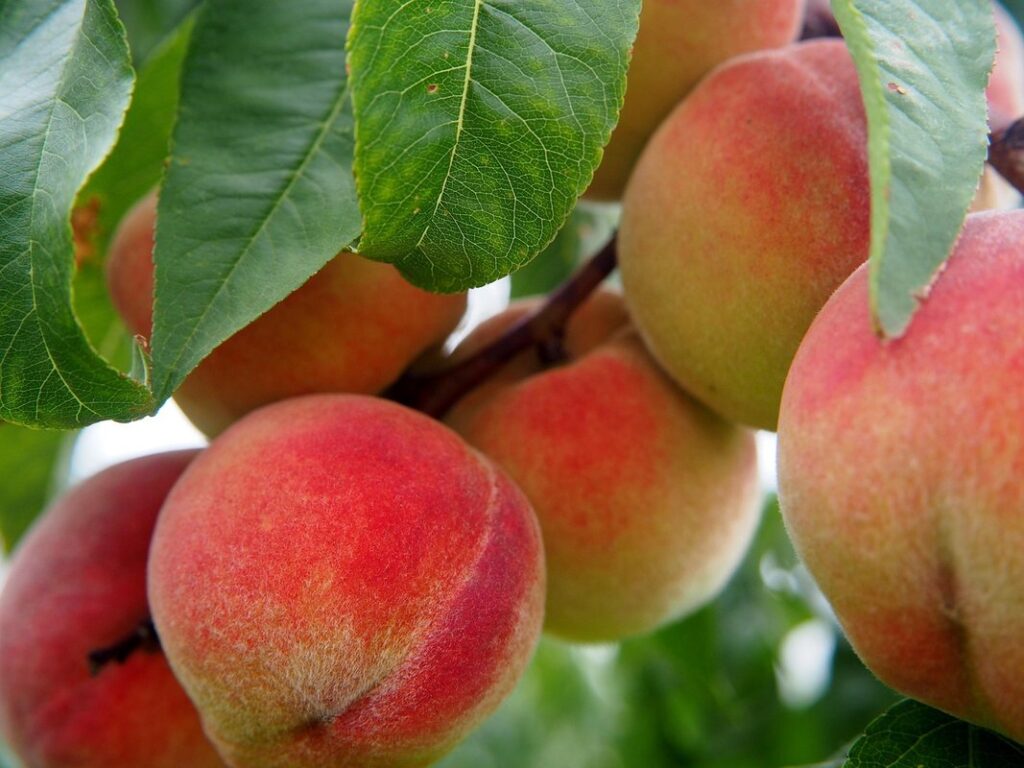
Choosing the Right Variety
When it comes to growing a thriving peach tree, selecting the right variety is crucial. With so many options available, how do you choose the perfect one for your garden?
Selecting a Disease-Resistant Variety
When it comes to choosing a peach tree variety, selecting one that is resistant to diseases can be a game-changer for home gardeners and commercial growers alike. Disease-resistant varieties are bred to withstand common peach tree afflictions such as powdery mildew, scab, and brown rot, which can devastate crops and lead to significant financial losses.
Some popular disease-resistant peach tree varieties include ‘Red Haven’, ‘Crimson Lady’, and ‘Zee Grand’. These trees have been engineered with built-in resistance to specific diseases, making them a top choice for growers looking to minimize the risk of fungal infections. For example, ‘Red Haven’ is resistant to powdery mildew and scab, while ‘Crimson Lady’ boasts immunity to brown rot.
When selecting a disease-resistant variety, consider the climate and soil conditions in your area as well as the specific diseases that are prevalent in your region. This will help you choose the best tree for your needs. Be sure to check with local nurseries or extension services for more information on available varieties and their disease resistance profiles.
Considering Climate and Soil Requirements
When it comes to growing peach trees, climate and soil conditions play a crucial role in determining their health and productivity. Different regions have unique temperature and moisture profiles that can impact the tree’s growth cycle.
For example, peach trees grown in cooler climates require chill hours – periods of cold weather – to break dormancy and produce fruit. Regions with mild winters may need to provide artificial chill or choose varieties specifically bred for warmer climates. Conversely, areas with extreme heat waves may necessitate specialized rootstocks that tolerate drought and high temperatures.
The type of soil also affects peach tree growth, as they prefer well-draining, fertile soils rich in organic matter. Regions with alkaline or acidic soils may require adjustments to pH levels through amendments. For instance, adding lime can neutralize acidic conditions, while sulfur can reduce alkalinity.
To determine the optimal climate and soil conditions for your region, consult local nurseries, gardening experts, or online resources that provide specific advice based on your area’s microclimate and soil characteristics. This will help you choose the right variety of peach tree for your specific conditions.
Factors to Consider When Planting a New Tree
When planting a new peach tree, several factors come into play to ensure its optimal growth and health. One of the most crucial decisions is selecting a suitable rootstock for your tree. Dwarfing or semi-dwarfing rootstocks are ideal for small gardens, as they produce smaller trees that still yield quality fruit. Standard rootstocks, on the other hand, support larger trees that require more space.
Proper spacing is also vital to prevent disease spread and encourage healthy growth. Plant peach trees at least 15-20 feet away from nearby structures or trees to allow for adequate air circulation. Consider the mature size of your tree and leave enough room for future pruning.
Pruning requirements should not be overlooked either. Peach trees require annual pruning to promote fruiting, maintain shape, and remove diseased branches. Prune in late winter or early spring before new growth begins, as this allows you to remove any dead or damaged wood.
Planting and Watering Your Peach Tree
When planting a peach tree, proper care is crucial for its growth and productivity. In this next step, we’ll cover the essential tips for planting and watering your new peach tree successfully.
Preparing the Soil Before Planting
Before planting your peach tree, it’s essential to prepare the soil for optimal growth. This involves ensuring the right pH levels and nutrient balance. Peach trees prefer a slightly acidic to neutral soil pH, ranging from 6.0 to 7.0. If your soil is too alkaline or acidic, it can lead to nutrient deficiencies, stunted growth, and reduced fruit production.
To determine your soil’s pH level, you can purchase a DIY testing kit or send a sample to a laboratory for analysis. Based on the results, you may need to add lime to raise the pH or sulfur to lower it. It’s also crucial to identify any nutrient deficiencies in the soil. Peach trees require a balanced diet of nitrogen, phosphorus, and potassium.
To mulch around your peach tree, use a 2-3 inch layer of organic material such as wood chips or bark. This will help retain moisture, suppress weeds, and regulate soil temperature. Water the mulch well to prevent it from drying out and becoming a fire hazard. Regularly inspect your mulch for dryness and replenish it as needed.
Proper Planting Techniques
When planting a new peach tree, it’s essential to get it off to the right start. Begin by selecting a location with full sun and well-draining soil, as these conditions will promote healthy growth. Next, dig a hole that is twice as wide and just as deep as the tree’s root ball. Remove any packaging materials, such as burlap or twine, from around the roots to prevent damage.
Gently place the tree in the hole, making sure the graft union (if applicable) is above the soil level. Fill in the hole with a mix of native soil and compost, tamping it down gently as you go to remove any air pockets. Water thoroughly, but avoid overwatering, which can cause root rot.
Watering is crucial during the first year after planting. For the first few months, water your peach tree regularly, providing about 1 inch of water per week. As the tree becomes established, reduce watering to about once a month, unless it’s experiencing drought conditions. Keep in mind that young trees require more frequent watering due to their shallow root systems.
Watering Strategies for Optimal Growth
When it comes to young peach trees, proper watering techniques are essential for optimal growth and development. Overwatering is one of the most common mistakes gardeners make, and it can be detrimental to the tree’s health. Watering too frequently can cause roots to rot, making the tree more susceptible to disease.
As a general rule of thumb, water your peach tree when the top 2-3 inches of soil feel dry to the touch. This is usually every 7-10 days during hot summer months and less often in cooler seasons. However, this frequency can vary depending on factors such as climate, soil type, and tree age.
To avoid overwatering, check the soil moisture by inserting your finger into the soil up to the knuckle. If it’s dry, water thoroughly until you see water coming out of the bottom of the pot or drainage holes. Be cautious not to let the tree sit in waterlogged soil, which can lead to root rot and other issues.
When watering, focus on soaking the roots rather than just wetting the surface. This encourages deep root growth, making your peach tree more drought-tolerant over time. By following these guidelines and monitoring your tree’s response, you’ll be giving it the best chance at thriving in its new home.
Fertilization and Pruning Practices
Proper fertilization and pruning are crucial for your peach tree’s growth, so let’s dive into these essential practices that will keep your tree thriving. We’ll cover when to apply fertilizer and how to prune for optimal results.
Nutrient Requirements for Peach Trees
Peach trees require a balanced diet of essential nutrients to maintain optimal growth and production. Nitrogen (N) is crucial for leaf development and fruit set, with a recommended application rate of 10-20 pounds per year. Phosphorus (P), on the other hand, promotes root development and flower formation. A annual application of 5-10 pounds of phosphorus-rich fertilizer will support healthy growth.
Potassium (K) is vital for overall tree health, resistance to disease, and fruit quality. Aim for a yearly potassium application rate of 15-30 pounds. Micronutrients like zinc (Zn), iron (Fe), copper (Cu), and boron (B) are equally important for peach trees.
Adequate zinc levels promote bud formation and fruit growth, while sufficient iron ensures healthy foliage development. Copper helps in disease resistance, whereas boron supports flower and fruit set. Soil tests can help identify nutrient deficiencies, allowing you to adjust your fertilization schedule accordingly. It’s essential to maintain a balanced fertilizer application, as excessive nitrogen can lead to tree stress and reduced fruit quality.
Keep in mind that peach trees have different nutritional requirements at various growth stages. Young trees may require more nutrients than mature ones. Regular soil testing will help determine specific nutrient needs for your orchard.
Timing of Fertilization Applications
When it comes to timing fertilization applications for your peach tree, understanding when to apply these nutrients is crucial. Fruit set typically occurs around late spring to early summer, a critical period where the tree focuses its energy on fruit development.
During this time, ensure you’re providing essential micronutrients and macronutrients like nitrogen, phosphorus, and potassium through balanced fertilizers. However, be cautious not to over-fertilize as this can cause stress and impact fruit quality.
A good rule of thumb is to apply a balanced fertilizer 2-3 weeks before bloom time, followed by another application 4-6 weeks after full bloom. This allows the tree to replenish its nutrient stores while minimizing excessive growth that can hinder fruit production.
Monitor your tree’s response to fertilization and adjust applications as needed. If you notice any signs of stress or nutrient deficiencies, reassess your fertilization schedule accordingly. Regular monitoring will help prevent over-fertilization and ensure optimal peach production.
Pruning Techniques for Different Seasons
Regular pruning is an essential practice for maintaining healthy and productive peach trees. By carefully timing pruning to align with different seasons, you can promote optimal growth, increase fruit yield, and prevent disease. Let’s explore the best pruning techniques for each season.
In winter, prune your peach tree by removing any dead, diseased, or damaged branches. This is also a good time to shape the tree’s canopy and remove any crossing or rubbing branches. Winter pruning encourages new growth in the spring, which can lead to better fruiting later on.
During the summer months, thin out your peach tree’s foliage to allow for proper air circulation and sunlight penetration. Remove weak or spindly branches, and cut back overgrown tips to encourage bushy growth. This will help prevent disease and promote healthy growth.
In the fall, focus on cleanup by removing any fallen leaves or debris that may have accumulated around the base of your tree. This helps prevent disease from spreading and keeps the area tidy for next year’s growing season. By incorporating these seasonal pruning techniques into your peach tree care routine, you’ll be well on your way to a thriving and productive orchard.
Pest and Disease Management
Proper pest and disease management is crucial for a healthy peach tree, so let’s dive into how to identify common issues and prevent infestations.
Common Pests Affecting Peach Trees
One of the most common issues peach tree growers face is pest infestations. Aphids, whiteflies, and spider mites are among the most prevalent pests affecting peach trees. These tiny insects can cause significant damage to the tree’s leaves, shoots, and fruit.
Aphids are small, soft-bodied insects that feed on plant sap, causing curled or distorted leaves. Whiteflies, on the other hand, are flying insects that also feed on plant sap, often transmitting diseases like peach yellow leaf roll virus. Spider mites, microscopic arachnids, spin fine webs and suck plant juices, leading to yellowing leaves.
To control these pests, it’s essential to monitor your tree regularly for signs of infestation. Look for sticky honeydew droplets or fine webbing on the leaves. If you notice any of these symptoms, treat your tree with insecticidal soap or neem oil. Regularly pruning and watering your peach tree can also help prevent pest issues. For severe infestations, consider using systemic pesticides like imidacloprid. Remember to always follow label instructions and take necessary safety precautions when applying any pesticide.
Recognizing Early Signs of Disease
As a peach tree owner, it’s crucial to be aware of the early warning signs of common diseases that can affect your trees. One of the most recognizable signs is powdery mildew, which appears as a white, powdery coating on leaves and stems. This disease thrives in humid conditions, so ensure good air circulation around your tree.
Another common issue is brown rot, characterized by soft, brown spots on fruit and branches. If left unchecked, it can lead to the collapse of entire branches. Regularly inspect your peach trees for any signs of fungal growth or moisture accumulation.
Black knot is another disease that affects peach trees, causing black, knotty swellings on stems and branches. To control these diseases, practice good sanitation by removing infected branches and debris, and ensure proper pruning techniques to promote air circulation. Additionally, avoid overhead watering, which can exacerbate the problem. Regular monitoring of your trees will help you catch issues early, reducing the risk of infestation and promoting a healthy tree.
Integrated Pest Management (IPM) Strategies
When it comes to managing pests and diseases in your peach tree, Integrated Pest Management (IPM) is an approach that’s both holistic and effective. IPM considers the entire ecosystem surrounding your tree, rather than just treating the symptoms of a problem. This means taking a proactive stance on preventing pest issues from arising in the first place.
To adopt an IPM strategy for your peach tree, start by monitoring its health regularly. Look out for signs of pests or diseases, such as holes in leaves, discolored bark, or unusual growth patterns. Once you’ve identified any potential problems, research the most effective ways to address them without resorting to chemical pesticides.
Some examples of IPM strategies include crop rotation, which can help reduce soil-borne pest and disease pressure, and introducing beneficial insects like ladybugs or lacewings that prey on common peach pests. You can also use physical barriers, such as fine mesh or row covers, to prevent pests from reaching your tree in the first place.
By taking a comprehensive approach to managing pests and diseases, you’ll be able to protect your peach tree’s long-term health and ensure it continues to thrive for years to come.
Harvesting and Maintaining Your Tree
Now that your peach tree is thriving, it’s time to learn how to harvest its delicious fruit and maintain its health for years to come. Proper care ensures a bountiful harvest year after year.
Monitoring for Optimal Ripeness
Monitoring fruit development is crucial to determine optimal ripeness. This process involves checking the color, texture, and weight of the peaches regularly. A ripe peach will be slightly soft to the touch but still firm enough to hold its shape. The skin should also have a uniform color, with a slight yellow or red tint around the stem.
To check for ripeness, gently squeeze the peach in the palm of your hand. If it yields to pressure but springs back into shape quickly, it’s ready to eat. Avoid squeezing too hard, as this can cause bruising and spoilage. You can also use the “sniff test” by bringing the peach close to your nose – a ripe peach will give off a sweet, fruity aroma.
For optimal flavor, peaches are typically picked when mature but not yet fully ripe. This allows them to continue ripening after harvest, which is especially important if you plan to store or transport them. Keep in mind that overripe peaches can become mushy and develop off-flavors, so it’s essential to check on them regularly to avoid this outcome.
Handling and Storing Fresh Fruit
When harvesting fresh peaches from your tree, it’s essential to handle them gently and store them properly to maintain their quality and freshness. Gently grasp the stem end of each peach with one hand, leaving a small piece of the stem attached, as this helps to prevent moisture loss. Avoid squeezing or pressing on the fruit, which can cause bruising.
For storing fresh peaches, keep them in a cool, dry place at a consistent temperature between 32°F and 40°F (0°C and 4°C). The ideal humidity level is around 80-90%. You can store them in a paper bag or a breathable container to maintain airflow. Avoid storing peaches near heat sources or direct sunlight.
When choosing a storage location, consider the ethylene gas production of peaches. This natural gas promotes ripening, so it’s best to separate ripe and unripe fruits. Store only what you plan to consume within a few days, as over-ripening can lead to spoilage.
Long-Term Care and Maintenance
As you enjoy the sweet harvest of your peach tree’s bounty, it’s essential to focus on long-term care strategies that ensure its continued health and productivity. Mulching is a crucial aspect of maintaining soil fertility and retaining moisture around the tree’s root zone. Apply a 2-3 inch layer of organic mulch, such as wood chips or bark, keeping it a few inches away from the trunk. This simple yet effective technique will help regulate soil temperature, suppress weeds, and conserve water.
Regular pruning is another critical component of long-term care. Prune your peach tree annually to promote a strong structure, encourage fruiting branches, and remove diseased or damaged wood. Remove any crossing branches, weak growth, or suckers that develop at the base of the tree. By doing so, you’ll improve air circulation, reduce the risk of disease, and allow sunlight to penetrate the canopy more effectively.
Disease management is also vital for maintaining a healthy peach tree. Regularly inspect your tree for signs of common issues like powdery mildew, brown rot, or bacterial spot. Use integrated pest management techniques that combine physical barriers, cultural controls, and targeted pesticides as needed to prevent outbreaks. By staying vigilant and proactive, you’ll safeguard the long-term health and productivity of your peach tree.
Frequently Asked Questions
What are some common mistakes to avoid when selecting a disease-resistant peach tree variety?
When choosing a disease-resistant variety, it’s essential to consider the specific needs of your garden. Avoid selecting trees that are too large for your space or not well-suited to your local climate. Also, be aware that while disease-resistance is crucial, it’s not a guarantee against all pests and diseases.
How often should I fertilize my peach tree, and what type of fertilizer should I use?
Fertilization frequency depends on factors like soil quality, tree age, and growth rate. A general rule of thumb is to fertilize in early spring with a balanced, water-soluble fertilizer (20-20-20). Repeat application every 6-8 weeks during the growing season. Be sure to follow label instructions for specific product recommendations.
What are some signs that my peach tree needs more pruning, and how can I tell if it’s over-pruned?
Regular pruning is essential for maintaining a healthy peach tree. Signs of under-pruning include leggy growth, sparse foliage, or an uneven canopy shape. To avoid over-pruning, look for a balanced branch structure and leave at least 12-18 inches between major limbs. Prune only what’s necessary to maintain air circulation and promote fruiting.
Can I grow multiple peach tree varieties in the same garden, and if so, how do I manage their needs?
Yes, you can grow multiple varieties in the same garden, but ensure they have enough space (at least 10-15 feet apart) and similar growing conditions. For optimal growth, consider planting varieties with different ripening times to extend your harvest season.
How long does it typically take for a peach tree to produce fruit after planting?
The time from planting to first harvest varies depending on factors like climate, soil quality, and tree variety. Generally, you can expect 2-5 years of growth before your peach tree produces its first fruits. Factors like pruning, fertilization, and pest management will also impact the overall health and productivity of your tree.