
When it comes to cooking and nutrition, there’s one ingredient that often gets overlooked, but deserves a closer look: peas inside. Not only are they packed with protein, fiber, and essential vitamins, but they’re also incredibly versatile and sustainable. Whether you’re looking for ways to boost your meal prep routine or simply want to incorporate more plant-based goodness into your diet, understanding the ins and outs of pea inside is key.
In this guide, we’ll delve into the various types of peas inside, exploring their unique nutritional profiles, uses in cooking, and environmental benefits. From sweet and tender garden peas to protein-rich split peas, we’ll cover it all, providing you with a comprehensive understanding of how to harness the power of pea inside for maximum health, flavor, and sustainability.
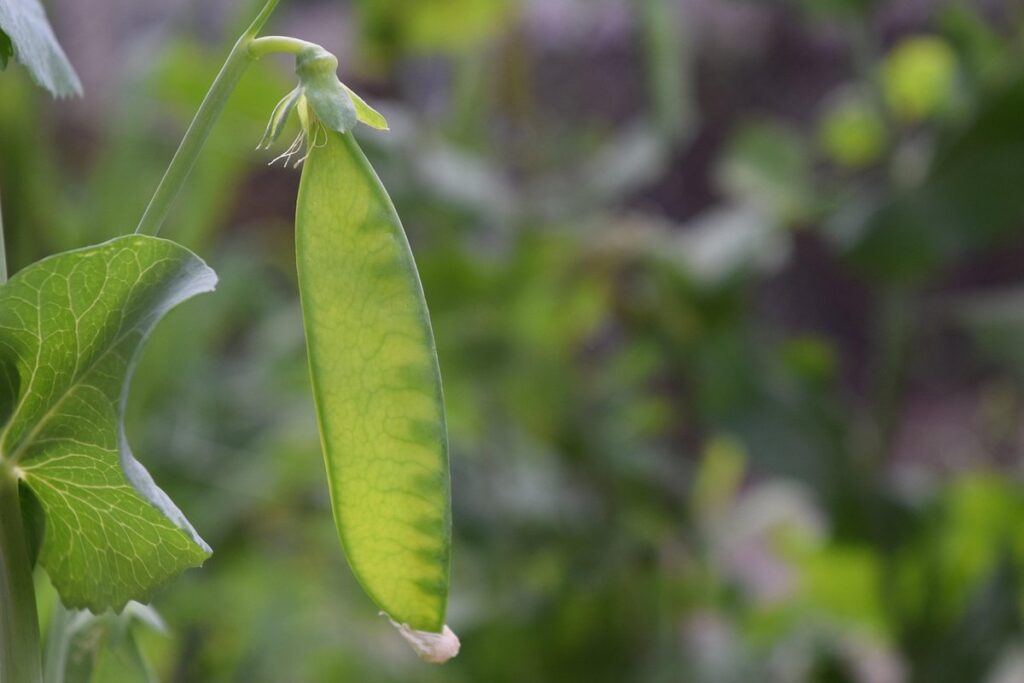
Understanding the Concept of Pea Inside
To truly appreciate the wonders of pea inside, it’s essential to grasp its concept and understand what makes it a game-changer in cooking and nutrition. Let’s break down the basics together!
Definition and Explanation
Pea inside refers to the soft, nutrient-rich inner part of a split pea or lentil that’s left after removing the outer shell. The concept has its roots in various cultures, particularly in Indian and Southeast Asian cuisine, where it’s valued for its high protein content and versatility.
In many parts of the world, pea inside is considered a delicacy due to its mild flavor and creamy texture. It’s often used as an ingredient in soups, stews, curries, and even desserts. In some cultures, it’s also consumed as a side dish or added to salads for an extra nutritional boost.
The significance of pea inside extends beyond its culinary uses; it’s also a symbol of thriftiness and resourcefulness. By using the entire pea, including the inner part, cooks can reduce food waste and make the most out of their ingredients. With its rich history and cultural associations, pea inside has become an integral part of many global cuisines.
Benefits of Eating Peas Inside
Eating peas inside is an excellent way to reap their numerous health benefits. One of the most significant advantages is their high protein content, making them a great option for vegetarians and vegans who may struggle to get enough protein from plant-based sources. A 1 cup serving of cooked peas contains about 9 grams of protein, which can help build and repair muscles.
In addition to protein, peas are also an excellent source of dietary fiber. Fiber is essential for maintaining healthy digestion and preventing conditions like constipation and diverticulitis. A study published in the Journal of Nutrition found that eating high-fiber foods like peas can reduce the risk of heart disease by up to 30%. Peas are also rich in vitamins A, K, and B6, making them a nutrient-dense addition to your diet.
By incorporating peas inside into your meals, you can support overall health and well-being. For example, you can add cooked peas to salads, soups, or stir-fries for an extra boost of nutrition. You can also blend raw peas into smoothies or use pea flour as a gluten-free substitute in baked goods.
Types of Pea Inside
Let’s dive into the various types of pea inside, each with its own unique characteristics and uses in cooking. From garden peas to snow peas, you’ll discover them all here.
Garden Peas vs. Frozen Peas
When it comes to incorporating peas into your diet, two popular options are garden peas and frozen peas. While both types offer a burst of green flavor and numerous health benefits, there are distinct differences between them.
Garden peas, fresh from the pod, have a sweeter and more delicate taste compared to frozen peas. The texture is also softer and more fragile, making them perfect for adding to salads or stir-fries at the last minute. However, their short shelf life means they require frequent harvesting and can be more expensive than frozen options.
Frozen peas, on the other hand, have a firmer texture and slightly blanched taste due to the Blanching process that helps preserve their nutrients. They’re also significantly cheaper and available year-round. In terms of nutritional value, both types are similar, but research suggests that cooking frozen peas can break down some of their natural antioxidants.
To get the most out of your garden peas, store them in a cool, dry place and use within 24 hours. Frozen peas, being more convenient, can be cooked directly from the freezer, but it’s best to thaw them first for optimal flavor. By understanding these differences, you can make informed decisions about which type of pea suits your needs and cooking style.
Snap Peas vs. Sugar Snap Peas
When it comes to pea pods, you may have come across two popular varieties: snap peas and sugar snap peas. While they share some similarities, they also have distinct differences that set them apart.
Snap peas are characterized by their crunchy texture and sweet flavor. They are typically harvested when the pods are still tender and the peas inside are immature. This makes them a great snack on their own or added to salads for a burst of freshness. In cooking, snap peas pair well with Asian-inspired dishes, such as stir-fries and noodle bowls.
Sugar snap peas, on the other hand, have a sweeter flavor profile than snap peas and a slightly firmer texture. They are also harvested when the pods are mature, but the peas inside are still tender. Sugar snap peas are versatile and can be used in a variety of dishes, from pasta sauces to roasted vegetables. In terms of cooking, they hold their shape well and pair well with herbs like mint and basil.
When choosing between snap peas and sugar snap peas, consider the recipe you’re making and the flavor profile you’re aiming for. If you want a more delicate taste, opt for snap peas. For a sweeter flavor, choose sugar snap peas.
Preparing and Cooking Pea Inside
Now that you’ve sourced your peas, it’s time to prepare them for cooking, which involves rinsing, shelling, and trimming as needed. Let’s dive into the details of preparing pea inside for a delicious meal.
Basic Preparation Techniques
Preparing pea inside for cooking is where the magic begins. To start, you’ll want to select fresh and tender pods that snap when broken. Look for vibrant green color with no signs of wilting or browning. When it comes to shelling, you can use a gentle pulling motion to release the peas from their pods.
For a more efficient process, consider blanching your pea inside in boiling water for 30-60 seconds to loosen the skin. Then, immediately submerge them in an ice bath to stop cooking and preserve color. This quick treatment will make shelling easier and help retain nutrients.
Seasoning is where you can get creative with flavors. Try tossing cooked peas with minced garlic, olive oil, salt, and pepper for a simple yet delicious side dish. Experiment with lemon juice, herbs like mint or basil, or even spicy red pepper flakes to add depth to your pea inside dishes.
Recipe Ideas for Peas Inside
Peas inside are an incredibly versatile ingredient that can be used in a wide range of dishes, from quick weeknight meals to elaborate weekend gatherings. One of the best things about peas inside is their ability to absorb flavors and textures, making them a great addition to many different types of cuisine.
For a simple yet flavorful meal, try pairing peas inside with garlic and ginger for a classic Chinese-inspired stir-fry. Saute the peas in some oil until they’re tender, then add minced garlic and ginger and stir-fry for another minute or two. Serve over rice or noodles for a satisfying dinner.
You can also use peas inside to make a delicious Indian-style curry. Simply saute the peas with some onions, ginger, and spices, then simmer them in a flavorful tomato-based sauce until the peas are tender. Serve with steamed basmati rice or naan bread for a comforting meal.
Another idea is to add peas inside to pasta dishes or salads for an extra boost of protein and nutrition. They pair particularly well with Mediterranean-inspired flavors like lemon, olives, and feta cheese. Experiment with different combinations to find your new favorite recipe!
Nutritional Breakdown and Health Benefits
Now that we’ve explored the nutritional profile of pea inside, let’s dive into its impressive health benefits and what it can do for your body. You’ll be surprised by how much this tiny legume packs!
Protein Content and Amino Acids
Peas inside are an excellent source of protein, making them an ideal addition to a plant-based diet. In fact, one cup of peas contains approximately 9 grams of protein, which is roughly equivalent to the protein content found in one egg or a small serving of chicken. But what’s more impressive is that this protein content comes from a complete amino acid profile, meaning that peas inside contain all nine essential amino acids that our bodies cannot produce on their own.
These essential amino acids are crucial for muscle growth and repair, making peas an excellent choice for athletes and fitness enthusiasts. Leucine, in particular, is a key amino acid found in peas that has been shown to stimulate muscle protein synthesis and aid in muscle recovery after exercise. To reap the benefits of pea protein, try incorporating 1-2 cups of cooked peas into your meals 2-3 times per week, or consider adding a pea-based protein powder to your smoothies and post-workout shakes.
Fiber and Digestive Health
Peas inside are an excellent source of dietary fiber, containing both soluble and insoluble fiber. A single serving of peas can provide up to 9 grams of fiber, which is essential for maintaining a healthy digestive system. The high fiber content in peas helps regulate bowel movements by increasing the bulk of stool and promoting regularity.
In addition to promoting regular bowel movements, the fiber in peas inside also has anti-inflammatory properties. Fiber acts as a prebiotic, feeding the good bacteria in the gut, which in turn reduces inflammation and improves overall digestive health. This is especially important for individuals with conditions such as irritable bowel syndrome (IBS) or inflammatory bowel disease (IBD).
To reap the benefits of pea fiber, it’s essential to consume a variety of pea products, including fresh peas, frozen peas, and pea protein powder. You can also incorporate pea fiber supplements into your diet if you’re struggling to get enough fiber from whole foods. Aim for at least 25-30 grams of fiber per day to support optimal digestive health.
Using Pea Inside in Different Dishes
One of the best ways to enjoy pea inside is by incorporating it into a variety of dishes, from savory main courses to sweet desserts. Let’s explore some creative ideas.
Salads and Side Dishes
Peas are an excellent addition to salads and side dishes, providing a boost of protein, fiber, and vitamins. When it comes to pairing peas with complementary flavors and textures, the possibilities are endless. For instance, combine fresh garden peas with cherry tomatoes, cucumber slices, and a drizzle of balsamic glaze for a light and refreshing summer salad.
For added crunch, try mixing peas with chopped nuts or seeds, such as almonds or pumpkin seeds. This combination works particularly well in Asian-style salads, where the nutty flavor complements the sweetness of the peas. Don’t forget to balance out the flavors by adding a squeeze of fresh lime juice and a sprinkle of soy sauce.
In side dishes, peas can be sautéed with garlic and lemon to create a quick and easy accompaniment to grilled meats or fish. Alternatively, steam them until tender and serve as a standalone side dish, seasoned with salt, pepper, and a pat of butter for added richness. Experiment with different flavor combinations to find your favorite way to enjoy peas in salads and side dishes!
Soups and Stews
When it comes to soups and stews, pea inside is an incredibly versatile ingredient that can add depth, texture, and a boost of nutrients. In hearty winter warmers like minestrone or beef stew, pea inside absorbs the rich flavors of the broth, while also providing a meaty texture that’s perfect for a chilly evening.
For refreshing summer broths like gazpacho or cucumber soup, pea inside adds a subtle sweetness and creaminess without overpowering the other ingredients. Try using frozen or fresh pea inside in place of traditional split peas or beans for added nutrition and texture.
One of our favorite ways to use pea inside in soups is to make a simple yet satisfying creamy tomato soup. Simply sauté some onion, garlic, and celery in olive oil, then add in diced tomatoes, vegetable broth, and a handful of pea inside. Blend until smooth for a comforting and nutritious meal that’s ready in under 30 minutes.
When cooking with pea inside in soups and stews, be sure to soak the dried peas or use fresh ones that are tender and easy to digest. You can also add them towards the end of cooking time to preserve their nutrients and texture. Experiment with different spices and seasonings to find your favorite combinations – the possibilities are endless!
Sourcing and Sustainability
When it comes to pea protein, not all sources are created equal. Let’s explore the key factors that contribute to a sustainable supply chain.
Local vs. Imported Peas
When it comes to sourcing peas for their nutritional benefits and versatility, you have two main options: buying from local farmers or opting for imported suppliers. Both options come with pros and cons that affect not only the taste and quality of the peas but also the environment.
Buying from local farmers supports the local economy, reduces carbon emissions from transportation, and ensures fresher produce. However, the yield and variety may be limited, and prices might be higher due to lower economies of scale. In contrast, imported suppliers often offer a wider range of varieties and larger quantities at competitive prices. However, this comes with environmental costs: long-distance shipping contributes significantly to greenhouse gas emissions.
A more sustainable approach is to choose local farmers who use environmentally friendly practices, such as permaculture or regenerative agriculture. This not only reduces transportation emissions but also promotes soil health and biodiversity. When possible, opt for seasonal produce to further minimize your carbon footprint. Always check the packaging for certifications like Fairtrade or Organic, which ensure fair labor practices and minimal environmental impact. By making informed choices, you can enjoy the nutritional benefits of peas while supporting a more sustainable food system.
Seasonal Availability and Storage Tips
When it comes to enjoying the fresh flavor and nutritional benefits of pea inside, timing is everything. To ensure you get the best quality peas, it’s essential to source them during peak season, which typically falls between March and July.
During this period, local farmers’ markets and supermarkets are usually stocked with an abundance of fresh peas. Consider visiting your nearest market or joining a community-supported agriculture (CSA) program to directly support local farmers and enjoy the freshest produce possible. Look for vibrant green pods with no signs of wilting or browning.
Proper storage is also crucial in maintaining the flavor and nutritional value of pea inside. Store fresh peas in an open container, away from direct sunlight, at a consistent refrigerator temperature below 40°F (4°C). You can also blanch and freeze them for up to six months if you don’t plan on using them immediately.
To extend shelf life, keep the pods dry and clean before storing them, and consider adding a paper towel or cloth to absorb excess moisture. This will help prevent mold growth and maintain their flavor.
Conclusion
In conclusion, the humble pea inside is often overlooked but packed with incredible nutritional value. From providing a boost of plant-based protein to supporting heart health and digestion, it’s no wonder this tiny legume has been a staple in cuisines around the world for centuries. By incorporating pea inside into your meals, you can add variety, flavor, and nutrition to even the simplest dishes. For example, try adding a spoonful of pea puree to your favorite pasta sauce or using it as a base for creamy soups. As you’ve learned throughout this guide, experimenting with different preparations and pairings will help you unlock the full potential of the pea inside in your cooking repertoire.
Frequently Asked Questions
What are the best ways to store pea inside for long-term use?
Pea inside can be stored in airtight containers in the freezer or refrigerator for up to several months. To preserve its nutritional value, it’s essential to freeze or refrigerate as soon as possible after cooking and cooling. For longer storage, consider freezing individual portions or using vacuum-sealing techniques.
Can I use pea inside in place of other protein sources like meat or eggs?
Yes, pea inside is an excellent plant-based alternative for adding protein to dishes. Due to its high protein content and neutral flavor, it can be easily incorporated into a variety of recipes, making it a versatile option for vegetarians and vegans.
How do I choose between fresh versus frozen peas inside?
Both options have their advantages. Fresh pea inside is ideal for short-term use and offers better texture and flavor. Frozen pea inside, however, preserves the nutritional value and can be just as flavorful when cooked properly. Consider your cooking schedule and the time available to cook.
What are some tips for incorporating pea inside into my regular meal prep routine?
To seamlessly integrate pea inside into your meal prep, consider starting with simple recipes like stir-fries or soups. Begin by using small portions to gauge flavor preferences and adjust accordingly. Experiment with different seasonings and spices to add variety to your dishes.
Can I use pea inside as a thickening agent in sauces and soups?
Yes, pea inside can be used as a natural thickening agent due to its high starch content. Simply puree or blend the cooked pea inside into a smooth paste and add it to your desired sauce or soup recipe. This will not only thicken but also enhance the flavor and nutritional value of your dish.