
Are you ready to transform your outdoor space into a vibrant oasis? Patio container gardens are an excellent way to add some greenery to your small or large patio, balcony, or deck. Not only do they provide a beautiful aesthetic, but they also offer numerous benefits, such as improved air quality and a sense of calm. However, creating a stunning patio container garden can be overwhelming, especially for beginners.
In this comprehensive guide, we’ll walk you through the process of choosing the perfect containers, selecting plants that thrive in containers, designing an eye-catching layout, and maintaining your garden to keep it looking its best. From selecting the right materials to learning how to care for your plants, we’ve got you covered. Whether you’re a seasoned gardener or just starting out, this article will provide you with the expert advice you need to create a thriving patio container garden that brings joy and beauty to your outdoor space.
Choosing the Right Containers
When it comes to creating a thriving patio container garden, selecting the right containers is crucial. Let’s dive into what you need to consider when choosing your pots and planters.
Material Matters
When it comes to choosing the right containers for your patio garden, material matters. The type of container you select can significantly impact the health and beauty of your plants. Let’s explore the various materials used to make patio containers: ceramic, plastic, wood, and metal.
Ceramic containers are a popular choice due to their durability and aesthetic appeal. They can be expensive, but they also provide excellent insulation for plants, which is ideal for sensitive species. However, ceramic containers can be heavy, making them difficult to move around.
On the other hand, plastic containers are lightweight and affordable, making them an attractive option for large or frequently relocated gardens. But, they may not be as long-lasting as other materials, and can become brittle over time. Some types of plastic containers, like those made from recycled polypropylene (PP), are more durable and resistant to extreme temperatures.
Wooden containers add a natural charm to any patio garden, but require regular maintenance to prevent rot and insect damage. Metal containers are also durable, but may conduct heat, causing root damage if not properly insulated.
In choosing the right container material for your patio garden, consider factors such as plant type, climate, budget, and personal style. For example, ceramic or wooden containers might be ideal for sensitive plants or a more rustic look, while plastic or metal containers could be better suited for high-traffic areas or larger gardens with multiple sections.
Size and Shape Considerations
When selecting containers for your patio garden, size and shape play crucial roles in determining their suitability. Consider the space constraints of your patio – a larger container can overwhelm a small area, while a smaller one may get lost in a vast expanse.
Opt for containers that provide sufficient room for root growth, but not so much that they become unwieldy. A good rule of thumb is to choose pots with depths between 5-12 inches, depending on the plant’s mature size. For instance, tomatoes require more depth than herbs like basil or mint.
Shape also matters – a narrow container can encourage top-heavy plants to tip over, while a wide one can spread out roots and prevent waterlogging. Balance these factors by choosing containers that accommodate your plant’s growth habits. A rectangular planter can work well for columnar plants like cypress or fir, whereas a round or oval shape is better suited for spreading shrubs.
Ultimately, choose containers that strike a balance between aesthetics and functionality – one that allows for healthy plant growth while also considering the space constraints of your patio.
Selecting the Perfect Plants
When it comes to creating a thriving patio container garden, selecting the right plants is crucial. Let’s explore how to choose the perfect flowers and foliage for your outdoor space.
Plant Selection by Climate Zone
When selecting plants for your patio container garden, it’s essential to consider the climate zone you live in. Different regions have varying temperature ranges, humidity levels, and sunlight exposure, which can affect plant growth and health.
If you reside in a hot and dry climate, choose drought-tolerant plants like succulents or cacti that require minimal watering. For example, Aloe vera is an excellent choice for arid climates as it stores water in its leaves and can thrive with infrequent watering. On the other hand, if you live in a cool and humid region, opt for plants like ferns or impatiens that prefer moist conditions.
Consider the amount of sunlight your patio receives when selecting plants. If your patio is exposed to full sun (6+ hours of direct sunlight), choose heat-tolerant plants like lantana or zinnia. For partial shade (4-6 hours of indirect sunlight), select plants with moderate light requirements, such as coleus or begonias.
Remember to check the specific plant requirements for your region and adjust accordingly. This will ensure your patio container garden thrives and remains vibrant throughout the growing season.
Companion Planting Techniques
Companion planting is an age-old technique that can greatly enhance the health and productivity of your patio container garden. By strategically pairing different plants together, you can create a thriving ecosystem that deters pests, attracts beneficial insects, and promotes healthy growth. For example, basil and mint are natural repellents for aphids and whiteflies, making them ideal companions for tomato plants.
Another benefit of companion planting is improved soil health. Legumes like beans and peas fix nitrogen in the soil, enriching it for other plants to absorb. Meanwhile, comfrey acts as a fertilizer plant, adding nutrients to the soil through its deep taproots. By combining these plants with your favorite fruits and vegetables, you can create a balanced and resilient container garden.
Some popular companion planting combinations for patio containers include:
• Marigolds with tomatoes to deter nematodes
• Chives with carrots to repel carrot flies
• Nasturtiums with cabbage to prevent aphids
Remember to choose plants that have similar growing requirements, such as sunlight and watering needs. With a little planning, you can create a harmonious container garden that’s both beautiful and productive.
Designing Your Patio Garden
Now that you’ve chosen the perfect containers and location, it’s time to think creatively about designing a beautiful and functional patio garden that reflects your personal style. This is where the magic of design comes in!
Color Schemes and Layouts
When designing your patio garden, selecting a visually appealing color scheme and layout is crucial to create an inviting atmosphere. To achieve this, consider the texture, pattern, and theme you want to convey.
For texture, mix containers with different materials such as ceramic, wood, and metal to add depth and visual interest. For example, pair sleek metal planters with natural fiber hampers or woven baskets to create a rustic look.
In terms of pattern, balance bold patterns like stripes and florals with solid colors to prevent overwhelming the space. You can also use repeating patterns like small tiles or mosaics to create a cohesive look.
Theme is another aspect to consider when choosing your color scheme and layout. Think about your personal style and preferences – do you prefer modern minimalist or bohemian chic? Select containers, plants, and decorative elements that fit within this theme.
Remember, balance is key when it comes to creating an aesthetically pleasing patio garden. Don’t be afraid to experiment with different combinations until you find the perfect harmony of colors, textures, and patterns that reflect your unique style.
Adding Decorative Elements
When it comes to adding decorative elements to your patio garden, the possibilities are endless. One way to create visual interest is by incorporating trellises and obelisks. These vertical structures can be used to support climbing plants like ivy, clematis, or roses, while also serving as a backdrop for other decorative elements. For instance, you could train a fragrant flowering vine to climb up an obelisk, creating a stunning focal point in your patio garden.
Another idea is to install a birdhouse or two, not only to attract birds but also to add a whimsical touch to your space. You can choose from various designs and styles, such as modern, rustic, or vintage-inspired birdhouses that complement your patio garden’s aesthetic. Consider placing them near a water feature or under a shaded area to make the most of the experience.
Some other decorative elements you might consider include sundials, benches, or even a miniature statue. Whatever you choose, remember to have fun and be creative! The key is to balance your decorative elements with the overall design and purpose of your patio garden.
Maintenance and Care
Regular care is crucial for the long-term health of your patio container garden, so let’s talk about how to keep yours thriving with minimal effort. Proper maintenance will also help prevent common problems like pests and diseases.
Watering and Irrigation Tips
When it comes to maintaining healthy and thriving patio container gardens, proper watering and irrigation techniques are crucial. As a general rule of thumb, you should water your containers when the top 1-2 inches of soil feels dry to the touch. However, this frequency may vary depending on factors such as weather conditions, plant species, and container size.
To avoid overwatering, which is one of the most common mistakes gardeners make, it’s essential to check the moisture levels in your containers regularly. You can do this by sticking your finger into the soil up to the first knuckle or using a moisture meter. Water your plants in the morning or early afternoon when they’re under direct sunlight, as this allows the plants to absorb water throughout the day.
It’s also important to consider using drip irrigation systems or soaker hoses, which deliver water directly to the roots of the plants, reducing evaporation and runoff. Grouping containers together can also help you water more efficiently by minimizing the time spent walking back and forth between them. By implementing these watering and irrigation techniques, you’ll be well on your way to creating a thriving patio container garden that requires minimal maintenance and upkeep.
Fertilization and Pruning Best Practices
Fertilizing and pruning are essential components of maintaining healthy patio container gardens. However, it’s easy to over-fertilize or prune too frequently, which can be detrimental to plant health.
When it comes to fertilization, start with a balanced fertilizer (10-10-10 NPK) and follow the instructions on the package for application rates. For most plants, you’ll want to fertilize every 1-2 weeks during the growing season (spring-fall). However, some plants like tomatoes and peppers may require more frequent feeding. To avoid over-fertilizing, consider using a slow-release fertilizer that provides nutrients for up to 3 months.
Pruning is also crucial for maintaining plant shape and promoting healthy growth. Prune your container garden regularly to encourage branching and prevent legginess. For flowering plants like petunias and impatiens, prune back spent blooms to promote new flower production. Similarly, for vining plants like ivy or clematis, trim back long stems to control their spread.
Timing is everything when it comes to pruning. Prune your container garden in the morning when the plant is at its most turgid, making cuts just above a node (where a leaf meets the stem). This will help prevent shock and encourage new growth.
Troubleshooting Common Issues
Don’t worry, we’ve all been there: a wilting plant or a patch of unsightly pests can quickly derail your patio container garden. This section helps you tackle common problems and get back on track.
Dealing with Pests and Diseases
When it comes to patio container gardens, dealing with pests and diseases can be a major concern. These issues can quickly spread and damage your plants, affecting their growth and overall health.
Some common pests that can affect patio container gardens include aphids, whiteflies, spider mites, and mealybugs. To identify these pests, look for visible signs such as yellowing leaves, stunted growth, or actual insects on the plant. You can also use neem oil or insecticidal soap to control infestations.
Preventing pest issues is key. Make sure your containers have good drainage, and avoid overwatering, which can attract pests. Keep your garden clean by removing weeds and debris regularly. Also, introduce beneficial insects like ladybugs and lacewings to your garden, as they prey on common pests.
Common diseases that affect patio container gardens include root rot, leaf spot, and powdery mildew. Symptoms include yellowing leaves, black spots, or a white, powdery coating on the leaves. To treat fungal diseases, remove infected plants, improve air circulation, and use fungicides as needed. Regularly inspect your plants for signs of disease and take action quickly to prevent the issue from spreading.
Addressing Soil Problems
When planting your patio container garden, you’re likely to encounter some common soil problems that can hinder the growth of your plants. Drainage issues and nutrient deficiencies are two of the most prevalent problems that can arise.
Drainage issues occur when water fails to drain properly from the pot, causing roots to rot and plants to become susceptible to disease. To address this issue, ensure that your container has adequate drainage holes in the bottom. If not, drill some holes or use a layer of broken pottery or a piece of mesh at the bottom of the container.
Another common problem is nutrient deficiencies, which can be caused by using low-quality potting mix or failing to fertilize regularly. To avoid this issue, choose a high-quality potting mix specifically designed for container gardens and fertilize your plants according to their needs.
For example, if you’re growing tomatoes, feed them with a balanced fertilizer (e.g., 20-20-20) once a month during the growing season. Don’t over-fertilize, as this can damage roots and harm plants.
Keep in mind that even with proper care, nutrient deficiencies may still occur due to soil degradation over time. To combat this, repot your container garden every 6-12 months using fresh potting mix.
Monitor your plants regularly for signs of nutrient deficiencies, such as yellowing leaves or stunted growth, and address them promptly to prevent further damage. By being proactive and taking preventive measures, you can ensure a thriving patio container garden that’s teeming with life and color.
Tips and Variations
Now that you have a thriving patio container garden, let’s explore some creative ways to enhance its beauty and functionality, and troubleshoot common issues.
Container Garden Themes
When it comes to designing a patio container garden, one of the most exciting aspects is choosing a theme that reflects your personal style and complements the surrounding environment. Whether you’re drawn to lush tropical vibes or the rustic charm of the Mediterranean, there are countless theme ideas to explore.
For a tropical-themed patio container garden, consider incorporating plants with bright flowers and large leaves, such as hibiscus, bird of paradise, and palm trees. To add an exotic touch, use materials like bamboo, rattan, and natural fibers in your planters and decorative accents. Don’t forget to incorporate colorful textiles and vibrant ceramics to complete the look.
On the other hand, a Mediterranean-inspired design might feature drought-tolerant plants like succulents, lavender, and rosemary, which thrive in well-draining soil and full sun. Use terracotta pots and rustic planters made from natural stone or wood to add warmth and texture to your space. To bring in an authentic touch, hang a few wind chimes and install a statement piece of outdoor art.
A desert-inspired design can be achieved with plants like cacti, agave, and aloe vera, which require minimal watering and care. Use modern materials like glass or metal planters to create a sleek, contemporary look. Add some warmth with lanterns or string lights and finish the space with natural stone or brick accents.
The possibilities are endless, so don’t be afraid to mix and match elements from different themes to create something unique and personal.
Expanding Your Patio Garden
When you’ve mastered the basics of patio container gardening, it’s time to think beyond traditional containers and take your garden to new heights – literally. One way to expand your patio garden is by making use of vertical space. This can be achieved through the use of planters on walls or trellises that double as support for climbing plants.
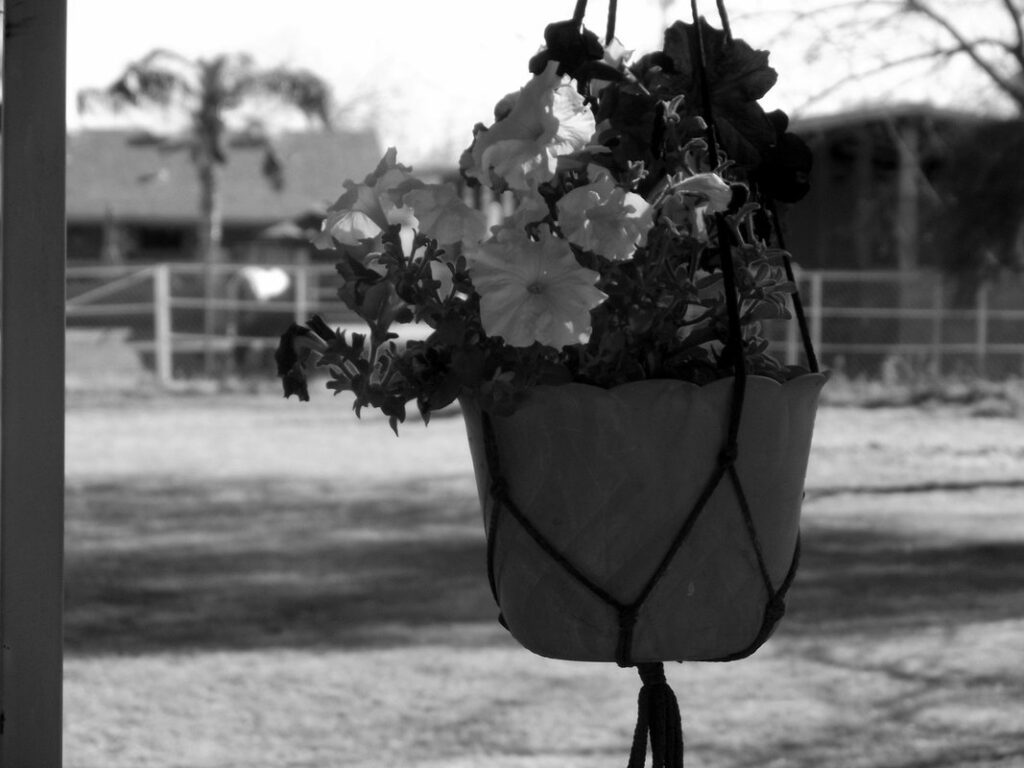
For a dramatic effect, consider installing hanging baskets from your balcony or pergola. These not only add visual interest but also provide an opportunity to grow plants that trail downwards, such as petunias or ivy. When selecting plants for hanging baskets, choose those with a spreading habit and ensure the basket is large enough to accommodate their mature size.
Another way to maximize space is through vertical gardening techniques. This can be achieved using a wall-mounted planter or a trellis system that allows plants to grow upwards. Not only do these techniques save floor space but also create a sense of depth and visual interest in your patio garden. By incorporating planters on walls, hanging baskets, and vertical gardening techniques into your design, you can create a lush and thriving oasis even on the smallest of patios.
Frequently Asked Questions
What if I don’t have a lot of space, can I still create a beautiful patio container garden?
Yes, you can definitely create a stunning patio container garden even with limited space. Consider using vertical planters or hanging baskets to maximize your space and add visual interest. You can also choose compact or dwarf varieties of plants that are specifically bred for small spaces.
How do I choose the right plants for my patio container garden based on the climate in my area?
When selecting plants for your patio container garden, consider the specific climate zone you live in. For example, if you’re in a hot and dry climate, look for drought-tolerant plants like succulents or cacti. If you’re in a cooler and more humid climate, choose plants that thrive in those conditions, such as ferns or impatiens.
Can I mix different materials for my containers, or should they be all the same?
While it’s generally recommended to use matching containers to create a cohesive look, mixing different materials can add visual interest to your patio container garden. For example, you could combine metal and ceramic pots to create a unique and eclectic look. Just make sure to choose materials that complement each other in terms of style and texture.
How often should I fertilize my patio container plants, and what type of fertilizer is best?
Fertilizing your patio container plants regularly can help promote healthy growth and blooming. A general rule of thumb is to fertilize once a month during the growing season (spring-fall). Look for a balanced, water-soluble fertilizer that’s specifically formulated for container gardens.
Can I reuse containers from previous seasons, or should I always start with new ones?
Yes, you can definitely reuse containers from previous seasons. In fact, many gardeners swear by using old containers to reduce waste and create a sense of continuity in their patio container garden. Just make sure to clean and disinfect your containers before reusing them to prevent the spread of diseases.