
Passionfruit is one of the most popular tropical fruits worldwide, but have you ever stopped to think about how it grows? The importance of passionfruit pollination cannot be overstated. Without effective pollination, farmers face significant challenges in achieving healthy fruit production and sustainable agriculture practices. As a result, pollination efficiency becomes a top priority for growers. In this article, we’ll delve into the world of passionfruit pollination, exploring the challenges that farmers encounter and innovative solutions to optimize pollination efficiency. We’ll also examine the significance of this process for ensuring a bountiful harvest and promoting environmentally friendly farming methods. Whether you’re a seasoned farmer or simply interested in horticulture, read on to discover how pollination plays a critical role in the success of passionfruit cultivation.
Understanding Passionfruit Reproduction
To truly appreciate the importance of passionfruit pollination, let’s take a closer look at how these fascinating plants reproduce and grow new life. This is where understanding their natural habits comes into play.
Characteristics of Passionfruit Flowers
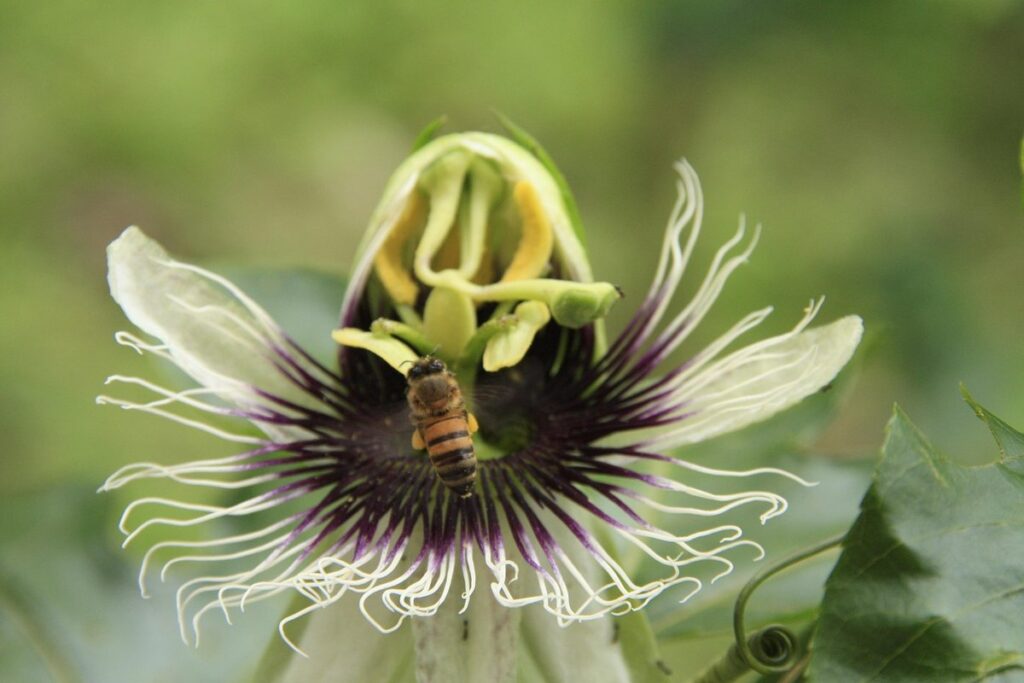
Passionfruit flowers are unique in their design, and it’s this special feature that allows for both self-pollination and external pollination. The hermaphroditic nature of passionfruit flowers means they have both male and female reproductive organs within the same flower. This dual functionality is crucial for the plant’s ability to reproduce.
One key aspect of hermaphroditic passionfruit flowers is their ability to self-pollinate. Within the flower, the anthers (male reproductive organ) produce pollen that can fertilize the stigma (female reproductive organ). This process allows the plant to produce fruit even without external pollinators. However, having both male and female parts also makes passionfruit flowers highly receptive to external pollination.
In reality, many commercial growers rely on human assistance for efficient cross-pollination due to the complex structure of passionflower varieties. To encourage pollination, gardeners can gently vibrate or tap passionfruit flowers when they are in full bloom, promoting pollen transfer between anthers and stigmas. This simple technique can significantly boost fruit production.
Role of Pollinators in Passionfruit Reproduction
Pollinators play a vital role in the reproduction process of passionfruit plants. As they move from flower to flower in search of nectar and pollen, they inadvertently transfer pollen between the stamens of one plant and the pistils of another. This cross-pollination is essential for fertilization to occur, resulting in seed production.
In a typical passionfruit flower, both male (stamen) and female (pistil) reproductive organs are present. However, these organs are not self-compatible, meaning they cannot fertilize each other on their own. Pollinators, such as bees and wasps, facilitate the transfer of pollen between flowers, enabling successful pollination.
Butterflies also contribute to passionfruit pollination by visiting the nectar-rich flowers and transferring pollen in the process. Without these pollinators, many passionfruit plants would be unable to reproduce successfully, impacting seed production and fruit yield.
Factors Affecting Pollination Efficiency
Pollination efficiency can be influenced by various factors, including temperature, humidity, and the presence of pollinators. Let’s take a closer look at how these elements impact your passionfruit plants’ success.
Weather Conditions and Temperature Fluctuations
Passionflower plants are sensitive to extreme temperatures, which can significantly impact pollinator activity and efficiency. High temperatures above 35°C (95°F) can be particularly detrimental, causing heat stress that affects the plant’s ability to produce nectar and pollen. Conversely, low temperatures below 10°C (50°F) can slow down or even halt pollination altogether.
Heavy rainfall and strong winds can also disrupt pollinator activity. Excessive rain can make it difficult for bees and other pollinators to navigate through the dense foliage of passionflower plants, while high winds can damage the delicate flowers and reduce their nectar and pollen production.
To mitigate these effects, gardeners can take steps to create a more pollinator-friendly environment. This includes providing shelter from strong winds using plant barriers or windbreaks, and ensuring good air circulation around the plants to prevent fungal diseases that thrive in humid conditions. By doing so, you can optimize passionfruit pollination efficiency and promote healthy fruit set and quality.
Plant Health and Pest Management
A healthy passionfruit plant is essential for efficient pollination. Unfortunately, diseases, pests, and nutrient deficiencies can compromise plant health, reducing pollen viability and impacting pollination success. Fungal diseases like powdery mildew and root rot are common issues that can weaken the plant, making it more susceptible to pests.
Pests such as mealybugs, aphids, and whiteflies feed on sap, draining nutrients from the plant and reducing its ability to produce viable pollen. These infestations can also attract other pests, creating a vicious cycle. For example, a study in Australia found that passionfruit plants with high mealybug populations produced significantly less fruit than those with controlled infestations.
Nutrient deficiencies, particularly potassium and magnesium, can also impact plant health and pollination success. Passionfruit plants require a balanced diet of essential nutrients to produce healthy flowers and fruit. By maintaining optimal soil pH, providing regular fertilization, and monitoring for pests and diseases, gardeners can promote healthy passionfruit plants that are better equipped to support efficient pollination. Regularly inspecting your plants will help you identify issues early on, allowing you to take corrective action before they impact pollination efficiency.
Techniques for Enhanced Pollination
To ensure a bountiful harvest, it’s essential to learn techniques that enhance pollination efficiency. Let’s explore some effective methods to boost your passionfruit plant’s pollination power.
Hand-Pollination Method
Hand-pollination is a manual process that allows growers to increase the chances of successful fertilization in passionfruit flowers. This technique involves transferring pollen from the anther of one flower to the stigma of another, bypassing the need for natural pollinators like bees or butterflies.
To perform hand-pollination, growers will typically use a small brush or cotton swab to gently collect pollen from the anther of one flower. The brush is then used to transfer the pollen to the stigma of another flower, ensuring that the correct amount of pollen is deposited in the right location. This process should be done carefully to avoid damaging the delicate flowers.
It’s essential to note that hand-pollination is most effective when performed on passionfruit flowers that have not yet opened or are just beginning to open, as this increases the chances of successful fertilization. By performing hand-pollination regularly, growers can improve their yields and ensure a bountiful harvest.
Using Pollinators in Greenhouses or Indoor Spaces
If you’re growing passionfruits indoors or in a greenhouse, don’t worry – there’s still hope for successful pollination! One creative solution is to attract pollinators using artificial lighting and controlled environments.
Here are some strategies to create an inviting space for these busy creatures:
* Choose plants that are attractive to pollinators like bees and butterflies. Some examples include flowers with long, tube-shaped structures or large petals.
* Incorporate a range of UV light sources – bees can see into the ultraviolet spectrum – to mimic natural sunlight.
* Use temperature control systems to maintain optimal temperatures between 65°F and 75°F (18°C and 24°C), ideal for pollinators like honeybees.
* Ensure good air circulation by installing fans or vents to prevent overheating and keep pests at bay.
By mimicking the natural environment, you can create a welcoming space for pollinators to thrive. This will significantly increase your chances of successful pollination, even in controlled spaces.
Challenges Faced by Passionfruit Farmers
As a passionfruit farmer, you’re likely aware of the unique challenges that come with cultivating this delicate crop. Let’s explore some of the obstacles you may face in ensuring proper pollination.
Impact of Climate Change on Pollinator Populations
Climate change is having a profound impact on pollinator populations, and this shift can have far-reaching consequences for passionfruit farmers. Rising temperatures are altering the distribution of pollinators, making it difficult for them to adapt to new environments. This is particularly concerning for crops like passionfruit that rely heavily on pollination.
Changing precipitation patterns also play a significant role in affecting pollinator populations. Droughts can decimate local bee and butterfly populations, while excessive rainfall can make it challenging for them to access nectar-rich flowers. For instance, research conducted in tropical regions has shown that temperature increases of just 1°C can reduce the abundance of native bees by up to 30%.
To mitigate these effects, passionfruit farmers must prioritize pollinator conservation efforts. This includes maintaining diverse flowerbeds with a variety of nectar sources and avoiding pesticides that harm beneficial insects. By taking proactive steps to support local pollinators, farmers can ensure the long-term viability of their crops and maintain healthy ecosystems for generations to come.
In regions where temperature fluctuations are particularly pronounced, passionfruit farmers may need to adapt their cultivation strategies accordingly. This could involve selecting climate-resilient passionfruit varieties or implementing microclimate management techniques to protect sensitive plants. By acknowledging the interconnectedness of pollinator health and crop production, we can work towards creating more sustainable agricultural systems that support both human well-being and environmental balance.
Economic Pressures and Resource Constraints
For small-scale passionfruit farmers, economic pressures and resource constraints can significantly impact their ability to manage pollination effectively. Many of these farmers operate on limited budgets, making it difficult for them to invest in modern pollination management techniques or specialized equipment.
As a result, they often rely on manual methods, such as using brushes to transfer pollen between flowers, which can be time-consuming and labor-intensive. This not only increases the risk of human error but also puts a significant strain on their limited workforce. For instance, a study in Australia found that small-scale farmers spent up to 20% of their total labor costs on manual pollination.
To alleviate these challenges, farmers can explore low-cost alternatives or DIY solutions. For example, they can create their own pollinators using materials like cotton swabs or even reuse old paintbrushes. Additionally, some organizations are developing and distributing affordable pollination kits specifically designed for small-scale passionfruit farms. By adapting to their unique circumstances and seeking out innovative resources, farmers can better manage pollination and improve crop yields despite the economic pressures they face.
Innovative Solutions for Passionfruit Pollination
Passionfruit growers often struggle to ensure their plants receive adequate pollination, but don’t worry, we’ve got some game-changing solutions that can boost yields and make your life easier.
Genetically Engineered Crops with Improved Fertility Traits
Genetically engineered passionfruit varieties with improved fertility traits are being developed to reduce dependence on pollinators. This innovative approach addresses a pressing issue in commercial passionfruit cultivation: the reliance on bees and other insects for pollination. By enhancing fertility, these genetically modified plants can produce more fruit without needing external pollination.
Researchers are working on incorporating genes from other plants that exhibit enhanced fertility, such as the Arabidopsis thaliana plant. This allows them to introduce traits like increased pollen viability and receptivity into passionfruit varieties. For instance, a study published in the Journal of Experimental Botany demonstrated the successful introduction of a fertility-enhancing gene from Arabidopsis into tomato plants.
While these genetically engineered crops are still in the experimental phase, they hold promise for addressing pollination challenges in commercial passionfruit cultivation. However, it’s essential to consider the potential environmental and social implications of widespread adoption. As with any new technology, thorough testing and evaluation will be necessary before introducing these varieties to the market.
Precision Agriculture and Data-Driven Decision Making
Precision agriculture is revolutionizing the way we approach passionfruit pollination. By harnessing advanced technologies like drones and satellite imaging, farmers can now monitor their crops with unprecedented precision. These tools enable real-time monitoring of temperature fluctuations, soil moisture levels, and even insect activity – all critical factors in ensuring healthy pollination.
Machine learning algorithms take it a step further by analyzing vast amounts of data from these sensors to identify trends and predict potential issues before they arise. This allows farmers to proactively address problems like fungal infections or pests that can devastate passionfruit crops if left unchecked.
To integrate precision agriculture into your own pollination management, start by investing in a few key technologies. Drones equipped with thermal imaging cameras can provide valuable insights on soil temperature and moisture levels, while satellite imaging platforms offer bird’s-eye views of your entire orchard. By combining these data streams with machine learning tools, you’ll be able to fine-tune your pollination strategies for maximum efficiency and yields.
Frequently Asked Questions
Can I use hand-pollination for large-scale passionfruit cultivation?
Yes, hand-pollination can be an effective method for small-scale or high-value crops, but it may not be feasible for large-scale commercial farming due to the time and labor required. To maximize efficiency, farmers can consider implementing precision agriculture techniques that help identify areas with low pollination rates, allowing for targeted application of hand-pollination.
How do I maintain a healthy passionfruit plant population despite changing weather conditions?
Maintaining a diverse range of pollinators is crucial to ensure resilience against environmental fluctuations. Planting a variety of nectar-rich flowers can attract beneficial insects and pollinators, promoting biodiversity within your farm ecosystem. Additionally, using precision agriculture techniques to monitor temperature and humidity levels can help you predict and prepare for potential challenges.
Can I use genetically engineered crops in my passionfruit farm?
Genetically engineered (GE) crops are a topic of ongoing debate, with some research indicating improved fertility traits in GE passionfruits. However, many countries have regulations or restrictions on the cultivation and sale of GE crops, so it’s essential to consult local laws and regulations before making any changes.
What are some tips for managing pests and diseases that can impact pollination?
Effective plant health management is critical for maintaining a balanced ecosystem. Regular monitoring for signs of disease or infestation can help prevent outbreaks. Implementing integrated pest management (IPM) strategies, such as using beneficial insects or practicing good sanitation, can also reduce the need for chemical pesticides that might harm pollinators.
Can I use pollinators in my greenhouse or indoor space?
Yes, you can use pollinators like bees and butterflies in your greenhouse or indoor space. However, it’s essential to create a welcoming environment by providing nectar-rich flowers and maintaining optimal temperature and humidity levels. Research has shown that controlled-environment agriculture (CEA) using beneficial insects can increase yields and improve fruit quality.