
Passionflower plant fruit is often overlooked as a nutritious and edible ingredient, but it holds a wealth of benefits for those who know how to harness its potential. Not only does it offer a unique culinary experience, but it’s also packed with vitamins, minerals, and antioxidants that can boost your overall health. If you’re interested in exploring the world of wild edibles or looking for new ways to incorporate natural remedies into your daily routine, passionflower fruit is definitely worth getting to know.
This article will delve into the nutritional benefits, culinary uses, and medicinal properties of passionflower plant fruit, providing you with a comprehensive guide on how to identify, harvest, and consume this edible fruit safely. We’ll cover everything from its potential health benefits to cooking methods and traditional medicine applications, empowering you to make the most out of this underrated superfood.
Understanding the Passionflower Plant
To truly appreciate and utilize the passionflower plant fruit, it’s essential to understand the characteristics of this unique plant, including its growth habits and cultivation needs. Let’s dive into the specifics!
What Is the Passionflower Plant?
The passionflower plant is a member of the Passiflora genus, comprising over 550 species. Native to tropical and subtropical regions around the world, including Central and South America, Australia, and parts of Asia, these plants thrive in warm climates with high humidity. You can find them growing wild in forests, along rivers, or even on rocky outcrops.
Some popular species of passionflower include Passiflora edulis, also known as the purple granadilla, which is widely cultivated for its edible fruit. Others, like Passiflora incarnata, are more commonly used for medicinal purposes. The passionflower plant’s unique characteristics have led to its classification into several distinct categories based on flower and fruit morphology.
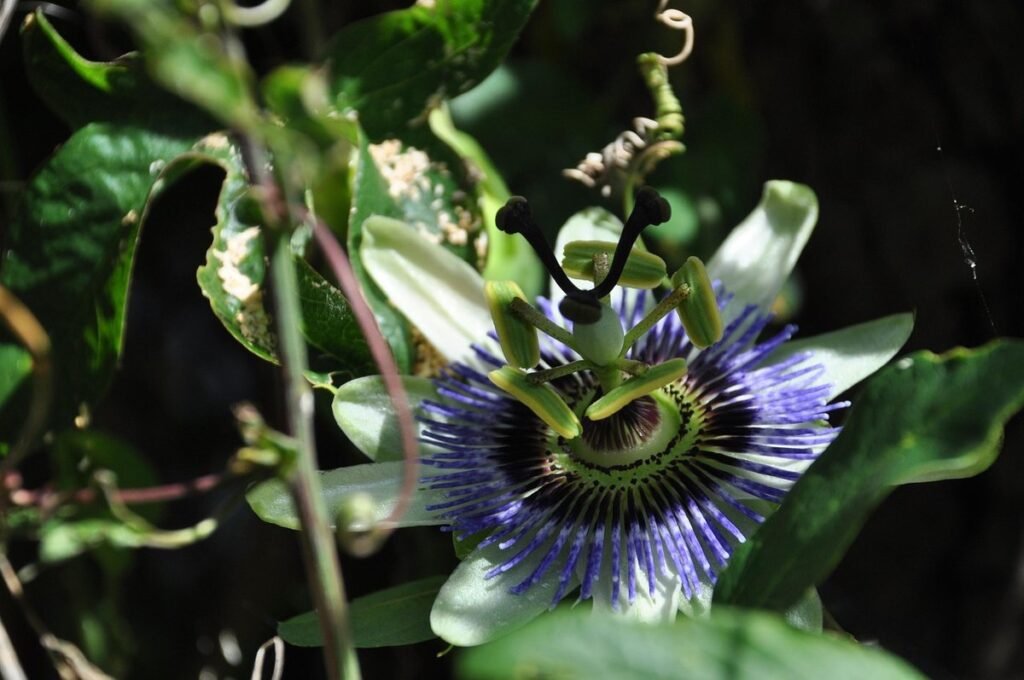
In terms of appearance, the passionflower plant boasts intricate flowers with a distinctive corona and crown shape, giving it an almost exotic look. The vines themselves can grow quite long, often spreading over other plants or structures in search of sunlight. This adaptable nature has allowed passionflower to spread across various ecosystems worldwide.
Types of Passionflower Plants with Edible Fruits
When it comes to passionflower plants with edible fruits, there are several popular species that are worth exploring. One of the most well-known is Passiflora edulis, also known as the purple granadilla. Native to South America, this plant produces vibrant purple fruits that are not only delicious but also rich in nutrients.
Another notable species is Passiflora incarnata, which is native to North America and parts of Europe. Its edible fruit has a sweet, slightly tart taste and is often consumed fresh or used in jams and preserves. When foraging for these fruits, it’s essential to ensure they’re ripe and free from any signs of mold or rot.
If you’re looking to grow your own passionflower plant with edible fruits, consider cultivating Passiflora caerulea or Passiflora ligularis. Both species are relatively easy to care for and produce large quantities of fruit. Just remember to provide them with a trellis or support system, as they can grow quite vigorously.
Some key characteristics to look out for when identifying edible passionflower fruits include their vibrant colors (usually purple, yellow, or orange) and sweet aroma. Freshness is also crucial, so always taste a small portion before consuming large quantities.
Identification of Passionflower Fruit
Let’s take a closer look at how to identify passionflower fruit, which can be tricky due to its unique shape and color variations.
Physical Characteristics of Passionflower Fruit
The passionflower fruit is a unique and distinctive part of the plant’s anatomy. In terms of its physical characteristics, the fruit is typically an oval or egg-shaped capsule that measures around 2-3 inches in length. Its color ranges from purple to blue, often with intricate patterns and stripes, which can vary depending on factors such as the plant variety and ripeness.
Upon closer inspection, you’ll notice a series of three ridges or grooves running along the length of the fruit. This texture is due to the presence of several seeds that will eventually be released when the fruit matures. The skin itself is usually smooth but can sometimes appear slightly fuzzy in areas where it has started to age.
It’s worth noting that the color and appearance of the passionflower fruit can change over time, so be sure to take multiple observations before making a definitive identification. This knowledge is essential for not only identifying the fruit correctly but also determining when it’s ripe and ready to harvest.
Where to Find Passionflower Fruits on the Plant
To locate passionflower fruits on the plant, you’ll want to inspect the upper portion of the vine, particularly around the nodes where the leaves meet the stem. These areas tend to produce the most fruit. During the ripening process, which usually occurs between late summer and early fall, the flowers will transform into a purple or yellowish-green capsule.
As you’re searching for fruits on your passionflower plant, be sure to check both the upper and lower surfaces of the leaf nodes. This is because some of the smaller fruit may grow on the underside of the node, where they can easily go unnoticed.
When inspecting the plant, look for a slight swelling or bulge around the node area – this often signals the presence of an immature fruit. If you notice these swellings and suspect that the fruit is ripe, gently grasp the stem near the node and twist it slightly to encourage the capsule to open.
Nutritional Benefits of Passionflower Fruit
Packed with vitamins, minerals, and antioxidants, passionflower fruit offers a range of impressive health benefits that make it a valuable addition to your diet. Let’s dive into its nutritional advantages in more detail.
Rich in Vitamins and Minerals
Passionflower fruit is an excellent source of essential vitamins and minerals that are crucial for maintaining optimal health. One of its most notable attributes is its high content of vitamin C, with a single serving providing up to 20% of the recommended daily intake. This vitamin plays a critical role in boosting the immune system, fighting off infections, and promoting healthy skin.
In addition to vitamin C, passionflower fruit is also rich in potassium, an essential mineral that helps regulate blood pressure and supports overall cardiovascular health. A single serving can provide up to 10% of the recommended daily intake of potassium. Other key minerals present in passionflower fruit include iron, magnesium, and manganese, all of which are vital for maintaining healthy red blood cells, muscle function, and bone density.
Consuming passionflower fruit regularly can help supplement your diet with these essential nutrients, promoting overall well-being and reducing the risk of chronic diseases such as heart disease and diabetes.
Antioxidant Properties
Passionflower fruits are rich in antioxidants that play a vital role in protecting against cell damage and oxidative stress. The high levels of flavonoids, phenolic acids, and ascorbic acid in passionflower fruits help neutralize free radicals, which can cause cellular damage and contribute to various diseases.
When we consume foods rich in antioxidants like passionflower fruit, we can expect a decrease in the production of pro-inflammatory enzymes that damage cells. This is particularly important for individuals dealing with chronic inflammation, such as those suffering from arthritis or digestive issues. Consuming passionflower fruits regularly may also help protect against age-related disorders by shielding our cells from oxidative stress.
Incorporating passionflower fruit into your diet can be achieved by adding it to salads, blending it into smoothies, or making jams and preserves. To maximize the antioxidant benefits, look for fresh passionflower fruits that are ripe but still firm, as they will have higher antioxidant levels than overripe or rotting ones.
Incorporate a handful of passionflower fruit into your next salad or blend it with yogurt for a refreshing breakfast smoothie. Not only will you enjoy its sweet and slightly tart taste, but you’ll also be providing your body with essential antioxidants that promote overall well-being.
Culinary and Medicinal Uses of Passionflower Fruit
Not only is passionflower fruit a tasty addition to various dishes, but it’s also used in traditional medicine for its calming and sedative properties. Let’s explore its culinary and medicinal uses further.
Traditional Medicine
In traditional medicine, passionflower fruit has been used for centuries to treat various ailments, particularly anxiety and insomnia. In many cultures, it’s believed that the fruit’s calming properties can help soothe nervous system imbalances, promoting relaxation and reducing stress levels.
One of the most notable applications of passionflower fruit in folk medicine is as a natural remedy for anxiety disorders. The fruit contains a wealth of bioactive compounds, including flavonoids and alkaloids, which have been shown to interact with neurotransmitters in the brain to produce a calming effect. In fact, studies have demonstrated that passionflower extract can be just as effective as prescription medications in reducing symptoms of anxiety.
In terms of insomnia, passionflower fruit has been used to promote relaxation and improve sleep quality. The fruit’s sedative properties help to quiet the mind and body, making it easier to fall asleep and stay asleep throughout the night. To try using passionflower fruit for anxiety or insomnia, you can consume it as a tea by steeping dried fruit in hot water or take it as a supplement in capsule form.
Recipes Using Passionflower Fruit
Passionflower fruit is a delicacy waiting to be explored in the kitchen. Not only does it add a unique flavor and aroma to various dishes, but it also packs an impressive nutritional punch. When it comes to using passionflower fruit in recipes, there are countless possibilities, ranging from sweet treats like jams and jellies to more savory options.
One of the most popular ways to enjoy passionflower fruit is in homemade jam. This recipe is a game-changer for any fruit enthusiast: simply combine 1 cup of passionflower pulp with 2 cups of sugar, 1/4 cup of water, and a pinch of salt. Bring the mixture to a boil, then reduce heat and let it simmer for about 10 minutes. Your delicious homemade jam is ready!
You can also use passionflower fruit in baked goods like muffins or cakes. For example, try adding a handful of chopped fresh passionflower to your favorite muffin recipe for an extra burst of flavor.
In addition to sweet treats, passionflower fruit pairs well with savory ingredients like herbs and spices. Try making a passionflower-infused chutney by cooking down the pulp with some onions, ginger, and a blend of Indian spices. This makes a great accompaniment to grilled meats or as a dip for vegetables.
When experimenting with new recipes, remember that passionflower fruit has a delicate flavor that can easily be overpowered by other ingredients. Start with small amounts and adjust to taste. With its unique flavor profile and impressive nutritional benefits, passionflower fruit is sure to become a staple in your kitchen – if you know how to use it!
Precautions and Side Effects
When working with passionflower plant fruit, it’s essential to be aware of potential cautions and side effects that may arise from its use, both internally and externally. This section will outline what you need to know.
Potential Allergens and Interactions
When consuming passionflower fruit, there are potential allergens and interactions with medications to be aware of. Some individuals may experience an allergic reaction to the fruit’s proteins, which can manifest as hives, itching, swelling, or difficulty breathing. If you’re new to passionflower consumption, start with a small amount and monitor your body’s response.
Passionflower fruit interacts with certain medications that affect the central nervous system, such as sedatives, antidepressants, and anxiolytics. Combining these substances can increase the risk of excessive drowsiness or other adverse effects. If you’re taking any prescription medications, consult your healthcare provider before consuming passionflower fruit.
Additionally, individuals taking blood thinners should be cautious when eating passionflower fruit due to its potential to exacerbate bleeding risks. Similarly, pregnant and breastfeeding women should exercise moderation in their consumption of passionflower fruit, as there’s limited research on its effects during these life stages.
Always follow recommended dosages and consult with a healthcare professional if you have any pre-existing medical conditions or concerns.
Risks Associated with Overconsumption
While passionflower fruit is generally considered safe to consume, overindulging can lead to unpleasant side effects. Gastrointestinal issues are a common concern, as the fruit’s high water content and fiber can cause stomach discomfort, diarrhea, or even vomiting if eaten excessively. In some cases, eating large quantities of passionflower fruit may also trigger allergic reactions in sensitive individuals.
It’s essential to be mindful of your body’s limits when consuming passionflower fruit. If you’re new to eating this type of fruit, start with small amounts and gradually increase your intake to gauge your tolerance. Also, be aware that consuming excessive amounts can lead to an imbalance of certain nutrients in the body. For example, a high consumption of passionflower fruit may cause an overabundance of vitamin K, which can interact negatively with blood-thinning medications.
To enjoy passionflower fruit safely, follow these guidelines: only consume what you need for immediate energy and nutrition; avoid eating large quantities or regularly consuming it as a snack; and be cautious if you have pre-existing gastrointestinal issues or allergies.
Cultivation and Harvesting Tips
When it comes to growing passionflower plant fruit, proper cultivation and harvesting techniques are essential for a bountiful harvest. Learn how to care for your plants and coax out those delicious fruits in this section.
Optimal Growing Conditions for Passionflower Plants
When it comes to growing passionflower plants, creating an optimal environment is crucial for bountiful fruit production. First and foremost, sunlight is essential for passionflower plants, as they require full sun to partial shade to thrive. Aim to provide at least 6 hours of direct sunlight per day, but avoid exposing the plant to intense midday sun in warmer climates.
When it comes to soil, passionflower plants prefer well-draining, fertile soil with a pH between 6.0 and 7.0. To achieve this, mix in compost or well-rotted manure to enrich the soil’s nutrient profile. Avoid using sandy or heavy clay soils, as they can cause waterlogging or nutrient deficiencies.
Temperature also plays a critical role in passionflower growth. These plants thrive in temperate climates with average temperatures between 64°F and 90°F (18°C and 32°C). Be cautious of frost damage during winter months, but also avoid extreme heatwaves that can scorch the leaves.
By providing your passionflower plant with optimal growing conditions, you’ll be rewarded with a bountiful harvest of nutritious fruit.
Best Time to Harvest Passionflower Fruits
Determining when passionflower fruits are ripe can be a bit tricky, but with some practice and observation, you’ll become an expert in no time. To ensure that you harvest the fruit at its peak ripeness, look for the following signs: the rind has changed from bright green to a more muted yellow or purple hue, depending on the variety; the stem begins to dry out and becomes brittle; and the fruits start to droop slightly due to their own weight. You can also gently tap the fruit – if it feels heavy and has a slight give when pressed, it’s ready.
Timing is everything, so be aware of the passionflower plant’s natural growth cycle. Typically, flowers bloom in late spring or early summer, and about 2-3 months after that, the fruits will start to ripen. This can vary depending on factors like climate, soil quality, and temperature fluctuations. In warmer climates, passionflower fruits may be ready for harvest as early as mid-July, while cooler regions might need to wait until late August or September.
When in doubt, it’s always better to err on the side of caution and wait a few more days. Overripe passionflower fruit will spoil quickly, but a day or two past prime won’t make a huge difference in terms of taste or nutritional value.
Frequently Asked Questions
Can I consume passionflower fruit raw, or do I need to cook it?
You can consume passionflower fruit both raw and cooked. While some people enjoy the fruit raw, others prefer to cook it to bring out its natural sweetness. Cooking also helps break down some of the fruit’s tougher cell walls, making it easier to digest.
How long does it take for passionflower plants to mature and produce edible fruits?
The time it takes for a passionflower plant to mature and produce edible fruits can vary depending on factors like climate, soil quality, and species. Generally, it takes 6-12 months from germination to harvest the first flowers, and about 1-2 years for the plant to reach its full potential.
Are there any risks associated with harvesting wild passionflower fruit?
When harvesting wild passionflower fruit, be cautious of potential allergens like latex or sap. Wear protective gloves and wash your hands thoroughly after handling the plant. Also, ensure you correctly identify the species before consuming it.
Can I grow passionflower plants indoors if I don’t have a suitable outdoor climate?
Yes, you can grow passionflower plants indoors with proper care and conditions. They prefer bright light, moderate temperatures (65-75°F/18-24°C), and high humidity. Provide them with well-draining potting mix and maintain good air circulation to promote healthy growth.
Can I use passionflower fruit in combination with other herbs or supplements for medicinal purposes?
While there’s no conclusive evidence on specific interactions, consult a healthcare professional before combining passionflower fruit with other herbs or supplements, especially if you’re already taking medications. They can advise you on potential risks and benefits based on your individual situation.