
Passion flower fruit is one of those hidden gems that deserves more attention, especially when it comes to its incredible health benefits. Not only is it packed with nutrients, but it’s also a culinary delight waiting to be explored in cooking and baking. Did you know that passion flower fruit has been a prized ingredient for centuries? From traditional medicine to exotic desserts, this superfood has a rich history that’s just as fascinating as it is nutritious. In this article, we’ll delve into the world of passion flower fruit, covering its nutritional power, culinary uses, and even how to grow your own. Whether you’re looking to boost your health or simply try something new in the kitchen, keep reading to discover the amazing benefits and versatility of passion flower fruit.
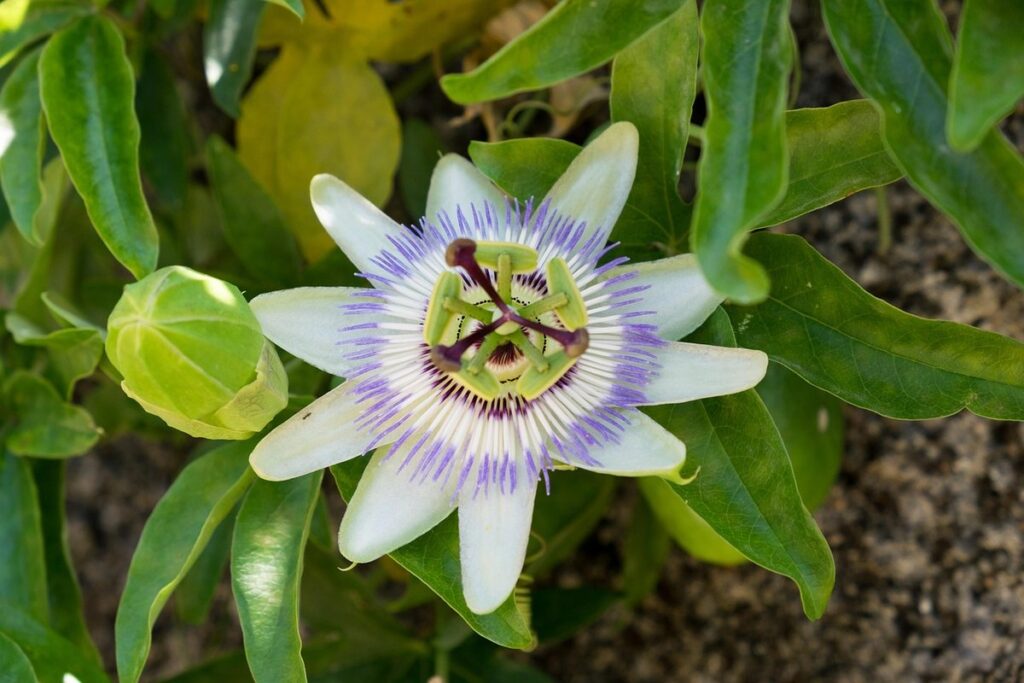
What is Passion Fruit?
Let’s start at the beginning: what exactly is passion fruit, and how does it grow into those vibrant purple flowers that we all know and love.
Introduction to Passion Fruits
If you’re new to the world of exotic fruits, let’s start with the basics: what is passion fruit? Originating from tropical regions of Central and South America, passion fruit has become a staple in many cuisines around the globe. With over 500 species, it’s no wonder why this versatile fruit has gained so much attention.
There are two main types of passion fruits widely cultivated: Passiflora edulis (the purple or sweet passion fruit) and Passiflora flavicarpa (the yellow or giant passion fruit). While their sizes may differ, both varieties boast a unique appearance – with intricate, star-shaped flower arrangements giving way to edible pulp.
Passion fruit’s popularity stems from its rich nutritional profile. Rich in vitamins A and C, potassium, and fiber, it makes for an excellent addition to smoothies, salads, or even as a topping for yogurt or oatmeal. When selecting passion fruits, choose those with vibrant colors and no visible signs of bruising. To enjoy the pulp, simply scoop it out with a spoon or blend it into your favorite recipe.
The taste is often described as a combination of pineapple, orange, and kiwi – sweet yet slightly tart. With its unique flavor profile, passion fruit has become a sought-after ingredient in many culinary applications.
Types of Passion Fruits
There are over 500 varieties of passion fruits worldwide, but not all are commonly consumed. The most popular types of passion fruits can be broadly categorized into two main species: Passiflora edulis and Passiflora flavicarpa.
Passiflora edulis is the most widely cultivated and consumed species, accounting for more than 90% of global production. It has a sweet and slightly tart flavor profile, with a soft and juicy pulp that’s bursting with juice-filled arils. This variety comes in two main forms: the purple granadilla, which has a thicker skin and smaller fruit size, and the yellow passion fruit, also known as the golden passion fruit, which has a thinner skin and larger fruit size.
Passiflora flavicarpa is another edible species, but its flavor profile is generally more acidic and less sweet than Passiflora edulis. It’s mainly cultivated in South America and Asia, where it’s prized for its rich, intense flavor and higher water content. This variety is often used to make passion fruit juice and puree, which are popular in tropical regions.
Some of the most popular varieties within these species include ‘Purple Granadilla’, ‘Yellow Passion Fruit’, ‘Sweet Calabash’, and ‘Maracuyá’. These varieties have been cultivated for their unique characteristics, such as flavor profile, texture, and size.
Nutritional Benefits of Passion Fruit
Passion fruit is not only a delicious and versatile ingredient, but it’s also packed with essential vitamins, minerals, and antioxidants that can boost your overall health. Let’s dive into its impressive nutritional benefits.
High in Vitamins and Minerals
When it comes to nutritional benefits, passion fruit is a powerhouse. This tropical gem is not only rich in vitamins and minerals but also provides essential nutrients that support overall health. One of the most notable advantages of consuming passion fruit is its high vitamin C content. A single serving of passion fruit can meet up to 50% of your daily recommended intake of this vital antioxidant.
Potassium levels in passion fruit are equally impressive, making it an excellent choice for those looking to manage blood pressure or reduce muscle cramps. In fact, a medium-sized passion fruit contains approximately 600 milligrams of potassium – that’s about 15% of the daily recommended amount.
In addition to these key nutrients, passion fruit is also a good source of vitamins A and B6, as well as minerals like magnesium and manganese. The high water content in passion fruit also makes it an excellent choice for those looking to stay hydrated while managing their weight. Overall, incorporating passion fruit into your diet can have a significant impact on your nutritional health – so be sure to add it to your grocery list today!
Antioxidant Properties
When it comes to the nutritional benefits of passion fruit, its antioxidant properties are one of the most significant advantages. Passion fruit is packed with vitamins C and A, potassium, and a range of essential minerals that work together to combat free radicals in the body. Free radicals are unstable molecules that can cause oxidative stress, leading to cell damage and potentially even chronic diseases like cancer and heart disease.
The antioxidant properties in passion fruit have been shown to neutralize these free radicals, protecting cells from damage and promoting overall health. In fact, studies have found that consuming passion fruit regularly can boost the body’s natural antioxidant defenses by up to 25%. This is especially significant for individuals who are exposed to high levels of pollution, smoke, or other environmental stressors that can lead to oxidative damage.
To reap the benefits of passion fruit’s antioxidant properties, try incorporating it into your diet in a variety of ways – add fresh passion fruit to salads or yogurt parfaits, blend it into smoothies, or use its juice as a base for homemade marinades. With regular consumption, you may notice improvements in skin health, reduced inflammation, and an overall sense of well-being.
Using Passion Fruits in Cooking and Drinks
You’re probably eager to know how to use passion fruits in your favorite recipes, from sweet treats to refreshing drinks. Let’s dive into some creative ways to incorporate this versatile fruit into your cooking and beverages!
Tropical Fruit Salads
Incorporating passion fruit into tropical fruit salads is a game-changer for anyone looking to add a burst of flavor and nutrition to their meals. One of the best ways to start is by combining passion fruit with other exotic fruits like mango, pineapple, and kiwi. The sweetness of these fruits pairs perfectly with the tartness of passion fruit, creating a balance of flavors that will tantalize your taste buds.
For a refreshing summer salad, try mixing diced passion fruit with chopped fresh mint leaves, a sprinkle of sugar, and a squeeze of lime juice. You can also add some toasted coconut flakes or crushed nuts for added texture. If you’re feeling adventurous, experiment with different combinations like pairing passion fruit with papaya, guava, or dragon fruit.
When working with passion fruit in salads, remember to use the pulp and seeds as well as the juice. The seeds are packed with nutrients and add a fun crunch to the dish. Don’t be afraid to get creative and adjust the sweetness level to your liking by adding more sugar or honey. With its unique flavor profile and vibrant color, passion fruit is sure to become a staple in your kitchen.
Juice and Smoothies
When it comes to incorporating passion fruit into your daily diet, turning it into a smoothie is an excellent way to enjoy its unique flavor and nutritional benefits. Passion fruit juice can be used as the base for smoothies, adding natural sweetness and a boost of vitamin C. To make a delicious passion fruit smoothie, simply puree the juice with your favorite fruits such as banana, mango, or berries.
Some popular pairing options include combining passion fruit with pineapple and coconut milk for a tropical twist or blending it with avocado and honey for a creamy treat. Experimenting with different combinations will help you find the perfect balance of flavors to suit your taste preferences. You can also add spinach or kale for an extra dose of greens, making it a great way to get in a nutrient-packed breakfast on-the-go.
To maximize the flavor and nutritional benefits of your passion fruit smoothie, be sure to choose ripe passion fruits with vibrant colors and fragrant aromas. With a little creativity and experimentation, you can create refreshing and healthy smoothies that showcase the unique charm of passion fruit juice.
Cultivating and Growing Passion Fruit
To grow healthy passion fruit, you’ll need to provide your plants with the right conditions, including plenty of sunlight, water, and nutrients in well-draining soil. With proper care, you can enjoy a bountiful harvest.
Climate and Soil Requirements
Growing passion fruit vines requires a specific set of climate and soil conditions to thrive. Ideally, passion fruits prefer a tropical or subtropical climate with average temperatures ranging from 64°F to 90°F (18°C to 32°C). They also require high humidity levels, typically above 60%. Passion fruit vines can tolerate some frost but prolonged exposure can be detrimental.
In terms of soil conditions, passion fruits prefer well-draining, rich soil that is slightly acidic with a pH range of 5.5 to 6.5. The ideal soil mix should contain a combination of organic matter such as compost or manure, along with perlite or vermiculite for improved drainage.
When cultivating passion fruit vines in containers, ensure the potting mix is designed specifically for tropical plants and has adequate drainage holes to prevent waterlogged soil. Regularly check the soil pH levels and adjust accordingly using organic amendments like elemental sulfur or dolomitic limestone.
By providing the right climate and soil conditions, you can successfully cultivate and grow healthy passion fruit vines that produce an abundance of delicious fruits.
Propagation Methods
Propagating passion fruit plants can be done through several methods, each with its own advantages and challenges. Cuttings are a popular method for propagating passion fruit, as they allow you to replicate the exact characteristics of a mature plant. To take cuttings, simply snip off a 3-4 inch stem section from a healthy parent plant, remove lower leaves, and dip the cut end in rooting hormone powder. Plant the cutting in a well-draining potting mix, keeping it moist but not waterlogged.
Seedlings are another option for propagating passion fruit, although this method can be more unpredictable as seeds may not produce plants with desirable traits. To start seedlings, sow fresh seeds 1/4 inch deep in a seed starting mix and keep the soil consistently moist until germination occurs.
Layering is also an effective propagation method that involves bending a stem section down to the ground and covering it with soil. This encourages roots to form on the buried section of the stem before cutting it from the parent plant.
Passion Fruits in Traditional Medicine
Passion flower fruit has been used for centuries in various traditional medicine practices, particularly in ancient cultures of South America and Asia. Let’s explore its rich history of medicinal uses.
Historical Uses
For centuries, passion fruit has been revered for its medicinal and cultural significance. In traditional medicine, passion fruit was used to treat a range of ailments, including fever, rheumatism, and digestive issues. The fruit’s high water content made it an effective remedy for thirst and dehydration, while its pulp was believed to possess antibacterial properties.
In many cultures, passion fruit is associated with spiritual and mystical powers. In Hawaiian folklore, the passion flower is said to hold healing energies, while in some African traditions, it’s believed to bring good fortune and prosperity. Passion fruit has also been used in traditional rituals and ceremonies, often as a symbol of abundance and fertility.
In Brazil, passion fruit tea was commonly consumed to alleviate symptoms of menopause and menstrual cramps. Similarly, in some Asian cultures, the fruit’s juice is used to treat respiratory issues, such as bronchitis and asthma. These examples highlight the diverse range of traditional uses for passion fruit, reflecting its value as a versatile medicinal agent.
Potential Health Benefits
Research has uncovered a wealth of potential health benefits associated with passion fruit extracts and compounds. Studies have shown that passion fruit contains high levels of antioxidants, including vitamin C and flavonoids, which can help protect against cell damage and inflammation.
One of the most significant potential health benefits of passion fruit is its ability to support cardiovascular health. A 2018 study published in the Journal of Food Science found that passion fruit extracts were able to reduce blood pressure and improve lipid profiles in individuals with hypertension.
Passion fruit has also been shown to have anti-inflammatory properties, which may help alleviate symptoms associated with conditions such as arthritis. Additionally, its high levels of vitamin C can help boost the immune system, reducing the severity and duration of illnesses like the common cold.
As with any supplement or food, it’s essential to consume passion fruit in moderation and consult with a healthcare professional before adding it to your daily routine.
Passion Fruit in Modern Cuisine and Culture
Passion fruit is becoming increasingly popular on restaurant menus, while its uses extend far beyond culinary applications to various industries and traditions. Let’s explore some exciting ways passion fruit intersects with modern culture and cuisine.
Global Popularity
Passion fruit has been steadily gaining traction on the global culinary scene. In recent years, it’s become a staple in many fine dining establishments and artisanal product lines. Chefs are drawn to its unique flavor profile, which combines sweetness with tartness. This versatility makes it an attractive addition to various dishes.
Restaurants like Nobu and Per Se have showcased passion fruit in their menus, often pairing it with premium ingredients like foie gras and caviar. Online searches for “passion fruit recipes” have increased significantly, indicating a growing interest among home cooks. In some countries, such as Peru and Brazil, passion fruit is already an integral part of local cuisine.
To incorporate passion fruit into your own cooking, consider it as a topping for yogurt or oatmeal. Use it in homemade jams and preserves to add a tangy twist. For more adventurous cooks, try pairing passion fruit with spicy chilies or rich chocolate for a unique flavor combination. By experimenting with this versatile ingredient, you can unlock new possibilities in the kitchen.
Recipes and Trends
Passion fruit is rapidly becoming a staple in modern cuisine, with chefs and home cooks alike experimenting with its unique flavor and versatility. One of the most exciting aspects of passion fruit is its ability to add depth and complexity to both sweet and savory dishes.
Some of the latest trends featuring passion fruit include using it as a topping for yogurt or oatmeal, adding it to salads for a burst of citrusy freshness, and incorporating it into cocktails for a tropical twist. Chefs are also experimenting with grilling and roasting passion fruit to bring out its natural sweetness and add a smoky flavor.
When cooking with passion fruit, remember that the seeds and pulp can be used in place of traditional granola or oat toppings. Try pairing fresh passion fruit with prosciutto and arugula for a refreshing summer salad. For a unique dessert, puree cooked passion fruit with sugar and lime juice to create a vibrant pink sauce perfect for topping ice cream or waffles.
Incorporating passion fruit into your cooking routine is easier than you think – try substituting it for pineapple in your favorite recipes or using it as a substitute for lemon juice.
Frequently Asked Questions
Can I grow passion fruit indoors, or does it require a tropical climate?
Yes, you can grow passion fruit indoors with proper care and conditions. Since they are typically hardy to USDA zones 9-11, they thrive in warm temperatures between 64°F (18°C) and 90°F (32°C). With sufficient light and a stable environment, you can cultivate passion fruits even in colder climates.
How do I store passion fruit once it’s ripe to prolong its shelf life?
Passion fruits are highly perishable, but there are ways to extend their shelf life. Store them at room temperature until they’re fully ripe, then refrigerate to slow down ripening. Cut or bruised areas can be wrapped in plastic wrap and refrigerated for up to 3 days.
Can passion fruit be used as a face mask or skincare product due to its antioxidant properties?
Yes, the antioxidants present in passion fruits can have numerous benefits for the skin when applied topically. Passion fruit extracts have been shown to possess anti-inflammatory and antimicrobial properties that may help soothe acne, reduce fine lines, and protect against environmental stressors.
How do I make a delicious passion fruit smoothie with minimal added sugar?
To create a healthy and sweet passion fruit smoothie, combine fresh or frozen passion fruit chunks, Greek yogurt, milk (dairy or non-dairy), honey or maple syrup to taste (start with a small amount), and ice cubes. Blend until smooth, adjusting the sweetness level according to your preference.
Can I use passion fruit as an ingredient in savory dishes like curries or sauces?
Absolutely! Passion fruits can add unique flavors and textures to a variety of savory recipes. Try using passion fruit puree as a base for sauces or marinades, or combine it with spices and herbs to create a tropical twist on traditional curry recipes.