
Passionflower edible fruit is a nutrient-rich superfood that has been prized for centuries in traditional medicine and global cuisine. If you’re like many people, you’ve probably only heard of passionflowers as a calming herb or ornamental plant. But did you know that its fruit is not only delicious but also packed with vitamins, minerals, and antioxidants? From reducing anxiety to boosting immunity, the health benefits of passionflower edible fruit are numerous and well-documented. In this article, we’ll dive into the culinary uses, growing tips, and impressive nutritional profile of this underappreciated superfood. Whether you’re a seasoned gardener or just starting out on your wellness journey, get ready to discover the many wonders of passionflower edible fruit – a true gem waiting to be unearthed in your kitchen and garden!
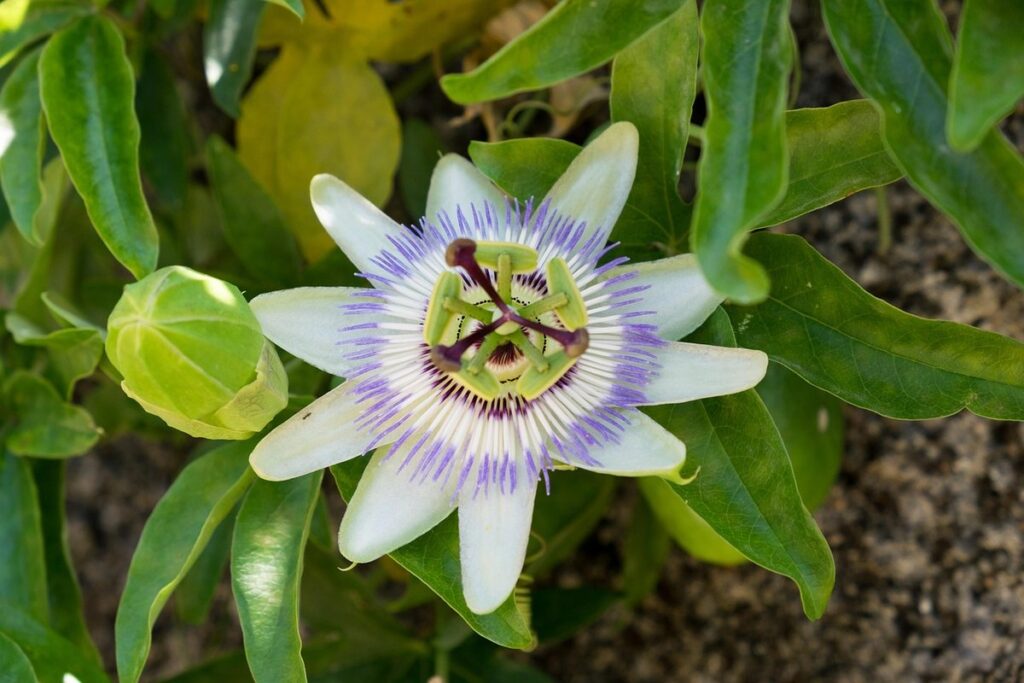
What is Passiflora and Where Does it Grow?
Passionflower, also known as passiflora, is a versatile plant native to tropical regions of the Americas, where its sweet fruit grows in abundance. Let’s dive into its natural habitat and origins.
Introduction to Passiflora
Passiflora, also known as the passionflower, is a genus of flowering plants native to tropical regions around the world. With over 500 species, it’s one of the largest and most diverse genera of flowering plants. The plant is characterized by its intricate flowers, which have a unique appearance that has captivated people for centuries.
Native to Central and South America, the passionflower has spread globally through trade and cultivation, making it a common sight in many tropical and subtropical regions. Today, you can find Passiflora species in warm climates across Asia, Africa, Australia, and the Americas.
For centuries, passionflower has been used in traditional medicine for its calming effects, pain relief, and anxiety reduction. The plant’s active compounds, including flavonoids and alkaloids, are responsible for its medicinal properties. Many people also use Passiflora as an ornamental plant, appreciating its stunning flowers and versatility in garden designs.
As we explore the edible fruit of passionflower, it’s essential to understand the plant’s rich history and global presence. Whether you’re interested in growing your own Passiflora or simply learning more about this incredible plant, there’s a wealth of knowledge waiting to be discovered.
Types of Passionflower Species
There are over 500 species within the Passiflora genus, but not all of them are edible. Some of the most commonly consumed species come from tropical and subtropical regions. For instance, Passiflora edulis, also known as the purple granadilla or passion fruit, is widely cultivated in Australia, South Africa, and parts of Asia for its sweet and juicy pulp.
Another notable species is Passiflora incarnata, native to North America but now found throughout Europe and Asia. While it’s not typically eaten fresh, P. incarnata is used to make jams, jellies, and wine due to its sweeter flavor profile compared to other species.
The Passiflora edulis var. flavicarpa, a hybrid of the purple granadilla, has a milder taste and higher water content than its parent species. It’s a popular choice for passion fruit cultivation in warm climates. When selecting edible passionflower species, consider factors like climate, soil quality, and pest management to ensure optimal growth and flavor development.
Passiflora ligularis, native to the Andean region of South America, boasts large, dark purple fruits with yellow pulp that tastes sweeter than its relative P. edulis.
Identifying Edible Fruit from Non-Edible Parts
Now that you know what passionflower fruit looks and tastes like, it’s time to learn how to confidently identify the edible parts of the plant. This is crucial for safe consumption and avoiding potentially toxic areas.
Visual Identification of Edible Fruits
Recognizing edible passionfruit varieties can be a bit tricky, but don’t worry, we’ve got you covered. The first step is to identify the color of the fruit. Edible passionfruits are typically purple or purple-green in color, with some varieties having a more vibrant purple hue. On the other hand, non-edible passionfruits tend to be more yellow or orange.
When it comes to shape and size, edible passionfruits are usually oval-shaped and around 3-5 inches long. They may also have a slight indentation at the top. Non-edible varieties can be irregularly shaped and larger in size.
Another important factor is surface texture. Edible passionfruits have a smooth, slightly waxy texture, while non-edible ones tend to be more fuzzy or rough. To ensure you’re picking the right fruit, gently rub your fingers over the surface. If it feels smooth and waxy, it’s likely edible.
Some passionfruit varieties may have a more pronounced ‘saddle’ on top – this is completely normal! When in doubt, consult with an expert or consult online resources for specific identification guides.
Distinguishing Between Edible and Inedible Passionflower Plant Parts
When exploring the passionflower plant for its edible fruit, it’s essential to distinguish between the consumable and non-consumable parts. Leaves, stems, and flowers are often mistaken as edible, but they contain toxic compounds that can cause adverse reactions.
The leaves of the passionflower plant contain a toxic compound called alkaloid, which is known to cause nausea, vomiting, and diarrhea if ingested. Similarly, the stems contain cyanogenic glycosides, which release cyanide when broken down, making them poisonous as well.
In contrast, the edible fruit of the passionflower plant is safe for consumption. It’s a delicious and nutritious part of the plant that can be eaten raw or cooked in various recipes. To identify the edible fruit, look for purple or blue-colored pods that grow along the vine. Be sure to only consume the ripe fruit, as unripe or overripe fruit may contain toxic compounds.
To avoid confusion, always check the entire plant before harvesting any part. If you’re unsure about the edibility of a specific part, it’s best to err on the side of caution and discard it altogether.
Preparing and Using Passionfruit
Before diving into recipes, it’s essential to prepare and use passionfruit effectively. This section will guide you through proper handling, storage, and usage of the fruit.
Harvesting and Handling Techniques
When picking passionfruits, look for those with a deep purple color and a slight softening of the skin. Avoid fruits that are too green or have white spots, as they may not be ripe yet. Gently twist and pull the fruit to release it from the flower, taking care not to bruise the stem.
To handle passionfruits without causing damage, lay them on their sides in a container or on a paper towel to absorb any excess moisture. Avoid stacking them on top of each other, as this can cause bruises and scratches. You can also wrap individual fruits in a cloth or paper bag to protect them during transport.
For long-term storage, keep passionfruits at room temperature until they’re ripe. Once they’re fully ripe, store them in the refrigerator to prolong their shelf life. Cut passionfruits can be stored for up to 3 days in an airtight container in the fridge. When storing, make sure the cut side is facing down to prevent moisture from accumulating and causing spoilage.
When freezing passionfruit pulp or puree, use an airtight container or freezer bag to prevent freezer burn. Label the containers with the date and contents for easy identification later. Frozen passionfruit can be stored for up to 6 months in the freezer.
Preparing Passionfruit for Consumption
When it comes to consuming passionfruit, the possibilities are endless. One of the simplest and most enjoyable ways to enjoy this tropical fruit is by eating it raw. Simply cut it open and scoop out the pulp with a spoon. The seeds can be popped into your mouth for an added burst of flavor.
For a quick and refreshing treat, blend passionfruit pulp with yogurt or milk to create a delicious smoothie. You can also add honey or sugar to taste. Passionfruit pairs particularly well with citrus flavors like orange or grapefruit.
If you’re feeling adventurous, try using passionfruit in baked goods such as muffins, cakes, or tarts. The juice adds natural sweetness and moisture without the need for excessive added sugars. To make a passionfruit preserve, simply cook down the pulp with some sugar and water until it thickens into a syrupy jam.
Remember to always wash your passionfruit thoroughly before consuming it, as the skin can be quite sticky. Experiment with different recipes and flavor combinations to unlock the full potential of this delicious fruit!
Nutritional Value and Potential Health Benefits
Let’s dive into the most exciting part of our guide: exploring the impressive nutritional value and potential health benefits of passionflower fruit for a healthier you.
Macronutrients and Phytochemicals
Passionfruit is an incredibly nutrient-dense fruit, boasting an impressive profile of essential vitamins and minerals. One of its standout features is its exceptionally high water content – approximately 83% of the fruit’s weight consists of water. This makes passionfruit an ideal snack for those looking to rehydrate while satisfying their sweet tooth.
But it’s not just about hydration; passionfruit is also remarkably low in calories, with a single serving providing less than 70 calories. This means you can indulge in its rich flavor without worrying about compromising your diet. Rich in vitamins A and C, passionfruit is an excellent source of antioxidants that help protect the body from oxidative stress.
Mineral-wise, passionfruit packs a punch, boasting significant amounts of potassium (an essential electrolyte for maintaining healthy blood pressure) and iron (crucial for transporting oxygen throughout the body). To get the most out of your passionfruit’s nutritional benefits, be sure to consume it fresh or use it in moderation when cooking – excessive heat can destroy some of these delicate nutrients.
Possible Health Advantages
Consuming passionfruit regularly may have several potential health benefits due to its rich nutritional profile. One of the key advantages is its high antioxidant content, which can help protect against cell damage and oxidative stress. Antioxidants are essential for maintaining overall health as they neutralize free radicals that can cause chronic diseases like cancer, diabetes, and heart disease.
Passionfruit also contains anti-inflammatory properties, which may help alleviate symptoms associated with conditions such as arthritis, asthma, and allergies. The fruit’s unique combination of vitamins C and E, flavonoids, and carotenoids is responsible for its potent anti-inflammatory effects.
In addition to these benefits, passionfruit is a rich source of immune-boosting nutrients like vitamin C and potassium. These compounds help support the functioning of white blood cells, which play a crucial role in fighting off infections and diseases. To maximize the potential health advantages of consuming passionfruit, incorporate it into your diet as a fresh snack or juice, or use it as an ingredient in smoothies and desserts.
Safety Precautions and Potential Side Effects
When enjoying passionflower fruit, it’s essential to be aware of some potential concerns that might arise. This includes understanding safety precautions and possible side effects associated with its consumption.
Allergic Reactions and Intolerances
While passionflower’s edible fruit is generally considered safe to consume, rare but possible allergic reactions can occur. If you’re new to consuming passionflower, it’s essential to be aware of these risks and take necessary precautions.
Some individuals may experience an allergic reaction to passionflower or its extracts, manifesting as hives, itching, swelling, stomach cramps, diarrhea, or difficulty breathing. In severe cases, anaphylaxis can occur – a life-threatening condition that requires immediate medical attention. If you suspect an allergic reaction, seek help right away.
If you experience any symptoms of an allergic response after consuming passionflower, discontinue use and contact your healthcare provider immediately. They may recommend an EpiPen or other emergency medication to alleviate the situation. To minimize risks, always consult with a healthcare professional before introducing new foods or supplements into your diet, especially if you have pre-existing allergies.
It’s also crucial to note that some medications can interact negatively with passionflower extracts, exacerbating allergic reactions or contributing to other adverse effects. Always inform your healthcare provider about any prescription medications or herbal supplements you’re currently taking before consuming passionflower products.
Interactions with Medications or Health Conditions
If you’re considering incorporating passionfruit into your diet, it’s essential to be aware of potential interactions with certain medications and health conditions. Consuming passionfruit may amplify the effects of blood thinners, such as warfarin or aspirin, increasing the risk of bleeding complications. This is particularly concerning for individuals with bleeding disorders like hemophilia.
Passionflower contains a compound called flavonoids, which can enhance the activity of blood-thinning medications, leading to excessive bleeding. If you’re taking these medications, consult your healthcare provider before consuming passionfruit or its products. Additionally, individuals with liver or kidney conditions should exercise caution when enjoying passionfruit due to its high water and fiber content.
When preparing passionfruit, be sure to follow proper food safety guidelines to minimize the risk of contamination. Wash the fruit thoroughly, and avoid over-handling the seeds or pulp to prevent potential allergic reactions.
Cultural Significance and Culinary Traditions
Passionflower has been a staple ingredient in many traditional dishes for centuries, especially in Latin American cuisine. We’ll delve into its rich cultural significance and culinary uses next.
Traditional Uses in Various Cultures
Passionflower has been an integral part of various cultures worldwide for centuries, not only for its ornamental beauty but also for its medicinal and culinary significance. In ancient China, passionflower was used to treat anxiety, insomnia, and restlessness. The leaves and flowers were consumed as a tea or added to soups to promote relaxation.
In traditional medicine practices among the indigenous people of South America, passionflower is used to calm the mind and body. A poultice made from the root and leaf paste is applied directly to the skin to relieve pain and inflammation. Similarly, in many African cultures, passionflower is brewed as a tea or infused into oil for its sedative properties.
In some Latin American countries, passionfruit is a staple ingredient in desserts like tarts and puddings. The juice is also consumed fresh or used as a base for smoothies. In India, passionflower is considered an adaptogenic herb, used to balance the body’s energy levels and promote overall well-being. When using passionflower in traditional medicine or cooking, it’s essential to note that excessive consumption can cause drowsiness.
Modern Applications and Innovations
In recent years, passionfruit has become increasingly integrated into various aspects of modern society. Beyond its culinary uses, passionfruit is now being leveraged in the cosmetics industry due to its antioxidant and anti-inflammatory properties. Several skincare products feature passionfruit extract as a key ingredient, claimed to promote healthy skin, reduce wrinkles, and soothe sun-damaged skin.
The beverage industry has also hopped on the passionfruit bandwagon. Passionfruit juice and puree are now added to various drinks, such as smoothies, energy shots, and even some craft beers. These products aim to capitalize on the fruit’s supposed health benefits, including its high vitamin C content and potential immunity-boosting properties.
Additionally, food manufacturers have incorporated passionfruit into a range of products, from frozen desserts and yogurts to baked goods and ice cream flavors. Passionfruit’s sweet-tart flavor profile lends itself well to pairing with other ingredients, resulting in unique taste experiences for consumers. If you’re interested in experimenting with passionfruit at home, consider adding it to your favorite smoothie or yogurt recipe – but be sure to use a ripe fruit to avoid bitterness!
Tips for Growing Your Own Passionflower
Growing passionflowers can be a bit finicky, but with the right conditions and care, you’ll be enjoying these beautiful flowers and their edible fruit in no time. Here are some expert tips to help you get started.
Choosing the Right Variety for Your Climate
When choosing a passionflower variety for your garden, it’s essential to consider your regional climate and available space. If you live in a hot and humid climate, such as the southern United States or Central America, you’ll want to select a variety that’s resistant to heat stress and powdery mildew.
For cooler climates like those found in the Pacific Northwest or Europe, look for varieties that are tolerant of frost and can thrive in slightly acidic soils. Some popular varieties for different climates include ‘Blue Crown’ for hot and humid areas, ‘Passion Fruit’ for cooler regions, and ‘Grape Passion’ for tropical climates.
When selecting a variety, also consider the space available in your garden. Passionflower vines can grow quite large, so make sure to choose a compact or dwarf variety if you’re short on space. Some popular compact varieties include ‘Purple Haze’, ‘Blue Giant’, and ‘Red Crown’.
Remember to check the specific growing requirements for each variety and adjust your selection accordingly. By choosing the right passionflower variety for your climate and available space, you’ll be well on your way to enjoying a bountiful harvest of delicious edible fruit.
Care and Maintenance Requirements
To ensure your passionflower plant thrives and produces an abundance of edible fruit, it’s essential to follow proper care and maintenance practices. Start by selecting a well-draining soil mix that’s rich in organic matter, as this will promote healthy root growth. Water your passionflower regularly, but avoid overwatering, which can lead to root rot and other issues.
Pruning is also crucial for maintaining the health and productivity of your passionflower plant. Remove any dead or damaged stems, and cut back the vine to encourage new growth and prevent it from becoming leggy. Prune your plant in late winter or early spring, when it’s dormant, to minimize stress on the plant.
To protect your passionflower from pests, keep an eye out for aphids, whiteflies, and spider mites. Use neem oil or insecticidal soap to control infestations, and ensure good air circulation around the plant to prevent fungal diseases like powdery mildew. Regularly inspect your plant for signs of disease or pest damage, and address any issues promptly to prevent them from spreading. By following these care practices, you’ll be well on your way to enjoying a bountiful harvest of delicious passionflower fruit.
Conclusion and Final Thoughts
Now that you’ve learned how to forage, prepare, and enjoy the passionflower’s edible fruit, let’s summarize the key takeaways from our journey together.
Recap of Key Points
In conclusion to our journey through the world of passionflower’s edible fruit and its numerous health benefits, let’s take a moment to recap the key points discussed. Proper identification is crucial when foraging for wild passionfruit, as there are several lookalike plants that may be toxic if ingested.
As we emphasized earlier, it’s essential to prepare passionfruit correctly to unlock its full potential. The most common way to consume it is by eating the fruit fresh or incorporating it into various recipes like smoothies and desserts. However, it can also be used as a natural remedy for anxiety and insomnia due to its high concentration of flavonoids.
In addition to its culinary uses, passionflower has been widely studied for its nutritional benefits. Rich in vitamins A and C, potassium, and dietary fiber, it makes an excellent addition to a healthy diet. It’s also packed with antioxidants that help protect against cell damage and inflammation.
To ensure safe consumption, remember to wash the fruit thoroughly before eating or using it in recipes. The edible pulp can be used as a face mask or skin treatment due to its high antioxidant content. Passionflower is an incredibly versatile ingredient, and we hope this guide has inspired you to explore its many uses.
By following the guidelines outlined in this article, you’ll be well on your way to enjoying the numerous benefits of passionflower’s edible fruit while minimizing any potential risks associated with improper identification or preparation. Always prioritize caution when foraging for wild plants, and never hesitate to consult a healthcare professional if you have any concerns about incorporating new ingredients into your diet.
Frequently Asked Questions
Can I grow passionflower in my home garden if I live in a cold climate?
Yes, but you’ll need to choose a variety that’s tolerant of cooler temperatures or provide protection during winter months. Some species like Passiflora caerulea can thrive in temperate climates with proper care.
How do I know if the passionfruit is ripe and ready to eat?
Check for a vibrant yellow or orange color, depending on the variety. Gently twist the fruit; a ripe one will come off easily from the stem. Avoid eating unripe passionfruit as it can be bitter and fibrous.
What are some common health benefits associated with consuming passionflower edible fruit regularly?
Consuming passionflower edible fruit has been linked to reducing anxiety, boosting immunity, and providing antioxidant properties. However, individual results may vary based on factors like dosage, preparation method, and personal health conditions.
Can I use passionflower edible fruit in smoothies or juices without cooking it first?
Yes, but keep in mind that raw passionfruit can be quite tart and fibrous. Cooking or pureeing the fruit can make it more palatable and easier to digest, especially for those new to consuming passionflower edible fruit.
How do I store passionflower edible fruits once they’re harvested to maintain their nutritional value and flavor?
Store ripe passionfruits in a cool, dry place; refrigerate them if you won’t consume within a day or two. Avoid washing the fruit before storing, as excess moisture can lead to spoilage.