
If you’re looking for a natural remedy to ease anxiety or a versatile ingredient to add some excitement to your cooking, you might be interested in learning more about Passiflora incarnata fruit. Also known as maypop, this edible fruit has been prized for centuries for its medicinal and culinary properties. But beyond its unique taste and aroma, what makes Passiflora incarnata so special? In this article, we’ll delve into the incredible benefits of this fruit, from anxiety relief to potential health applications. We’ll also explore its nutritional profile, discuss some of the key medicinal uses, and provide guidance on safety precautions to take when consuming it. Whether you’re a foodie, a wellness enthusiast, or simply looking for a natural solution to everyday stress, keep reading to discover the amazing advantages of Passiflora incarnata fruit.
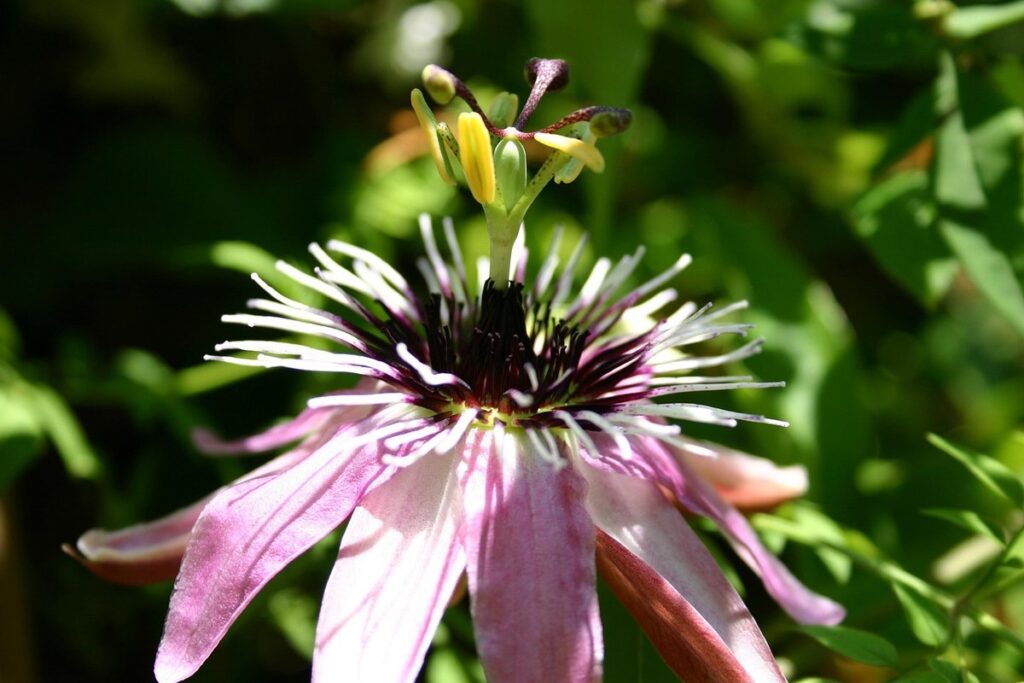
What is Passiflora Incarnata?
Passiflora incarnata, also known as passionflower, is a versatile herb that has been used for centuries to promote relaxation and reduce anxiety. Let’s take a closer look at its unique properties.
Botanical Description
Passiflora incarnata, also known as maypop or passionflower, is a perennial vine native to eastern North America. It belongs to the Passifloraceae family and is widely distributed across the United States, Canada, and parts of Mexico. The plant’s botanical description reveals its unique characteristics, which contribute to its medicinal properties.
The maypop vine can grow up to 9 feet in length, with large, ovate leaves that have three to five lobes. These leaves are typically 3-5 inches long and have a soft texture, making them easily distinguishable from other plants in the area. The plant produces small, greenish-white flowers in the summer months, which are followed by egg-shaped fruit. This fruit is edible and has a sweet, tart taste.
The distinctive shape of the Passiflora incarnata flower, often referred to as the “crown,” resembles a royal coronet. Its intricate design features ten prominent filaments, known as stamens, that surround a central mass of pollen-producing organs. The unique structure of this flower contributes to its classification within the passionflower family.
Cultural Significance
Passiflora incarnata has been revered across various cultures for its rich history and significance. In ancient Greece, it was associated with passion and love, while in Christianity, the plant’s unique appearance is said to symbolize the crucifixion of Christ. The intricate flowers are also believed to resemble a crown of thorns, further solidifying its spiritual connection.
In traditional Chinese medicine, Passiflora incarnata is considered a calming agent, used to treat anxiety and insomnia. Native American tribes have employed it for similar purposes, often brewing the leaves as a tea to alleviate stress. Its versatility has also led to widespread use in homeopathy, where it’s valued for its anti-inflammatory properties.
As you explore Passiflora incarnata’s rich heritage, you may find inspiration for incorporating it into your own wellness routine. Consider adding dried flowers or leaves to a calming tea blend or using the fruit as a natural remedy for anxiety. Remember to consult with a healthcare professional before introducing new herbs to your regimen.
Nutritional Profile of Passiflora Incarnata Fruit
Passiflora incarnata fruit is not only a natural remedy for anxiety and insomnia, but it also offers an impressive nutritional profile that’s packed with vitamins, minerals, and antioxidants. Let’s take a closer look at its key nutrients.
Macronutrient Breakdown
Passiflora incarnata fruit is a nutrient-rich food that provides an excellent balance of macronutrients essential for maintaining optimal health. The carbohydrate content of the fruit is predominantly made up of sugars, including glucose, fructose, and sucrose. These simple sugars are easily absorbed by the body, providing quick energy.
On average, 100 grams of passiflora incarnata fruit contains around 14-15 grams of protein, making it an excellent source for vegetarians and vegans. The protein content is composed of essential amino acids that play a crucial role in building and repairing tissues, including muscles, bones, and skin. Additionally, the fruit is low in fat, containing approximately 0.5 grams per serving.
To put this into perspective, one cup of fresh passiflora incarnata fruit provides about 70 calories, making it an excellent addition to a weight management diet. The macronutrient breakdown of the fruit also makes it an ideal snack for individuals with specific dietary requirements. For example, athletes may benefit from consuming the fruit before or after a workout to replenish energy stores and aid in muscle recovery.
Micronutrient Content
Passiflora incarnata fruit is not only rich in macronutrients but also provides an impressive array of micronutrients essential for maintaining optimal bodily functions. When it comes to vitamins, Passiflora incarnata fruit stands out as a significant source of vitamin C, with approximately 10-20 mg per 100 grams. This makes it an excellent addition to your daily diet during the cold winter months when immunity is particularly vulnerable.
In terms of antioxidants, the fruit is rich in vitamin E, containing about 0.2-0.4 mg per 100 grams. Vitamin E not only plays a crucial role in protecting cells from oxidative damage but also helps maintain healthy skin and mucous membranes. Additionally, Passiflora incarnata fruit contains varying amounts of potassium (around 150-200 mg per 100 grams) and magnesium (approximately 20-30 mg per 100 grams), both of which are vital for maintaining heart health.
When incorporating Passiflora incarnata fruit into your diet, remember that its high vitamin C content makes it an excellent choice for individuals aiming to boost their immune system.
Antioxidant Properties
Passiflora incarnata fruit is rich in antioxidants, which are crucial for neutralizing free radicals and mitigating oxidative stress. The high antioxidant capacity of the fruit can be attributed to its high content of phenolic compounds, including flavonoids and anthocyanins.
Studies have shown that consuming foods with high antioxidant properties can reduce inflammation, improve cardiovascular health, and even lower the risk of certain cancers. Passiflora incarnata fruit’s antioxidant properties may also contribute to its potential in managing conditions like anxiety and insomnia, as oxidative stress has been linked to these disorders.
To reap the benefits of passiflora incarnata fruit’s antioxidants, consider incorporating it into your diet in various ways: take a supplement containing passiflora extract, add dried or frozen fruit to smoothies or oatmeal, or drink herbal tea made from its leaves. With regular consumption and a balanced lifestyle, you may experience improved overall well-being.
Incorporating more antioxidant-rich foods into your diet can have a profound impact on your health. Aim for 5 servings of fruits and vegetables daily, including passiflora incarnata fruit in moderation, to reap the rewards of its remarkable antioxidant profile.
Medicinal Uses of Passiflora Incarnata Fruit
Passiflora incarnata fruit has been used for centuries to alleviate anxiety and promote relaxation, due in part to its high levels of flavonoids and other bioactive compounds. Let’s explore how it can benefit your health.
Anxiety and Stress Relief
Studies have consistently shown that passiflora incarnata fruit possesses potent anxiolytic and stress-relieving properties. A 2010 review of 19 clinical trials found that passionflower extracts significantly reduced symptoms of anxiety and improved sleep quality in patients suffering from generalized anxiety disorder (GAD). In another study, researchers discovered that a combination of passionflower and valerian root extract effectively alleviated anxiety symptoms in individuals with insomnia.
Passiflora incarnata’s anxiolytic effects are thought to be mediated by its unique chemical composition, which includes flavonoids, alkaloids, and glycosides. These compounds interact with neurotransmitters in the brain to produce a calming effect, reducing stress hormones like cortisol and adrenaline while promoting relaxation. To harness these benefits for yourself, consider incorporating passionflower tea or supplements into your daily routine. A recommended dosage is 1-2 grams of dried passionflower flowers per day, steeped in hot water for 5-10 minutes.
When using passionflower for anxiety and stress relief, be sure to consult with a healthcare professional to determine the best course of treatment for your individual needs.
Sleep Aid
Passiflora incarnata fruit has been studied extensively for its potential as a natural sleep aid. One of the key areas of interest is its effects on insomnia and restlessness. Research suggests that flavonoids present in the fruit, such as vitexin and orientin, have anxiolytic properties, which can help alleviate symptoms of anxiety and stress that often contribute to difficulty falling asleep.
A study published in the Journal of Ethnopharmacology found that a Passiflora incarnata extract significantly reduced sleep latency and improved sleep quality in individuals with insomnia. Another study discovered that the fruit’s flavonoids also had a sedative effect, reducing restlessness and promoting relaxation.
If you’re considering using Passiflora incarnata as a natural sleep aid, start by consuming 500-1000mg of dried fruit or extract before bedtime. You can also try adding it to a warm tea or infusion to promote relaxation. As with any new supplement, consult with your healthcare professional before making it a regular part of your routine. By harnessing the anxiolytic properties of Passiflora incarnata, you may find relief from sleep disturbances and wake up feeling refreshed and rejuvenated.
Other Medicinal Applications
In addition to its well-documented anxiety and insomnia-relieving properties, Passiflora incarnata fruit has shown promise in reducing inflammation and improving cardiovascular health. Research suggests that the flavonoids present in the fruit possess potent anti-inflammatory compounds that can help alleviate conditions such as arthritis and other inflammatory diseases.
The antioxidant properties of the fruit’s flavonoids also contribute to its potential in promoting cardiovascular health by reducing oxidative stress and inflammation in blood vessels, thereby lowering blood pressure and improving overall heart function. In fact, studies have shown that extracts from Passiflora incarnata can reduce triglycerides and LDL cholesterol levels, making it a promising natural remedy for preventing cardiovascular disease.
To incorporate the benefits of Passiflora incarnata fruit into your daily routine, consider adding dried or powdered fruit to smoothies or tea. You can also look for supplements that combine the fruit with other heart-healthy ingredients like omega-3 fatty acids and CoQ10.
Culinary and Traditional Uses of Passiflora Incarnata Fruit
You might be surprised at just how versatile passiflora incarnata fruit is, used in everything from jams to traditional remedies for generations. Let’s explore its culinary and cultural significance.
Preparing the Fruit for Consumption
When preparing passiflora incarnata fruit for consumption, it’s essential to follow proper steps to ensure its nutritional and medicinal benefits are preserved. The first step is to carefully wash the fruit under cold running water to remove any dirt or impurities. Next, pat the fruit dry with a clean towel to prevent any excess moisture from affecting its texture.
You can consume passiflora incarnata fruit raw, but it’s often more palatable when cooked. One popular method is to roast the fruit in a preheated oven at 350°F (180°C) for about 10-15 minutes, or until the skin is tender and slightly caramelized. This brings out the natural sweetness of the fruit while retaining its nutrient-rich pulp.
To add passiflora incarnata fruit to your diet, consider incorporating it into smoothies, jams, or desserts. For example, you can mix roasted fruit with yogurt, honey, and lemon juice for a delicious and healthy topping for oatmeal or ice cream. Alternatively, puree the cooked fruit and use it as a topping for pancakes or waffles.
When using passiflora incarnata fruit in cooking, be mindful of its potential interactions with certain medications. Consult with a healthcare professional before consuming the fruit if you’re taking any prescription medications. By following proper preparation techniques and usage guidelines, you can unlock the full potential of this nutrient-dense fruit for improved health and well-being.
Traditional Medicine and Folk Remedies
Passiflora incarnata fruit has been utilized for centuries in various cultures as a natural remedy for numerous health concerns. In traditional medicine, the fruit is often used to treat anxiety and insomnia due to its calming effects. For instance, in Ayurvedic medicine, a paste made from the fruit’s pulp is applied topically to ease tension headaches.
In many Latin American countries, Passiflora incarnata is incorporated into folk remedies for gastrointestinal issues. A tea infused with the dried fruit is consumed to soothe digestive problems and alleviate symptoms of irritable bowel syndrome (IBS). In some Caribbean islands, a mixture of crushed fruit and coconut oil is applied directly to the skin to reduce inflammation and promote wound healing.
When using Passiflora incarnata in traditional medicine, it’s essential to note that the proper dosage varies depending on the condition being treated. To ensure safety, consult with a healthcare professional before incorporating the fruit into your treatment plan. Additionally, when preparing folk remedies at home, follow proper food handling and preparation guidelines to avoid contamination.
Growing and Harvesting Passiflora Incarnata
To grow and harvest Passiflora incarnata effectively, you’ll want to learn about the specific climate conditions and soil requirements that this delicate vine thrives in. With proper care, your plants will reward you with a bountiful harvest of nutrient-rich fruit.
Climate and Soil Requirements
Passiflora incarnata is a tropical plant that thrives in regions with optimal climate and soil conditions. When it comes to growing this magnificent fruit, the right environment plays a crucial role in its health and productivity.
In terms of climate, Passiflora incarnata prefers a subtropical or warm temperate climate with average temperatures ranging from 64°F to 90°F (18°C to 32°C). It can tolerate some frost but prolonged exposure to cold temperatures will severely impact the plant’s growth. The ideal climate for growing passiflora incarnata is characterized by mild winters and warm, humid summers.
As for soil conditions, Passiflora incarnata grows well in a variety of soils with good drainage. The optimal pH range for this plant is between 5.5 and 7.0. To ensure your passiflora incarnata receives the necessary nutrients, incorporate compost or manure into the soil to improve its fertility.
When growing passiflora incarnata in containers, choose a well-draining potting mix with a pH between 6.0 and 7.0. Avoid using regular garden soil as it may compact and hinder proper drainage. By replicating these optimal climate and soil conditions, you’ll be well on your way to cultivating a thriving passiflora incarnata plant that produces an abundance of nutritious fruit.
Propagation and Care Techniques
To successfully propagate and care for passiflora incarnata plants, it’s essential to understand their specific needs. This allows you to provide the optimal environment for healthy growth and fruit production. Propagation is typically achieved through stem cuttings or seed germination. For stem cuttings, choose a section with at least two nodes, remove lower leaves, and plant in well-draining soil. Keep the soil consistently moist but not waterlogged.
When caring for passiflora incarnata plants, ensure they receive full sun to partial shade, depending on your climate. Soil should be rich in organic matter and have good drainage properties. Water regularly, taking care not to overwater, which can lead to root rot. Mulching around the base helps retain moisture while suppressing weeds.
For fruiting, provide support for the plant using a trellis or other structure. Prune regularly to encourage bushy growth and promote even fruit distribution. Regular harvesting of the fruit will also encourage the plant to continue producing. Avoid over-harvesting, as this can weaken the plant. By following these care techniques and tips, you’ll be able to successfully cultivate passiflora incarnata plants and reap their numerous benefits.
Safety Precautions and Potential Side Effects
Before we dive into the potential benefits of Passiflora incarnata fruit, it’s essential to understand the possible risks involved. Be aware of these safety precautions and side effects before incorporating it into your routine.
Allergic Reactions and Interactions
Passiflora incarnata fruit, also known as passionflower, is generally considered safe for most people when consumed in moderation. However, like any other herbal remedy, it may cause allergic reactions in some individuals.
Common symptoms of an allergic reaction to passiflora incarnata include hives, itching, and swelling. In rare cases, more severe reactions can occur, such as difficulty breathing or a rapid heartbeat. If you experience any of these symptoms after consuming passionflower, discontinue use immediately and consult with your healthcare provider.
Interactions with other medications or health conditions are also possible when taking passiflora incarnata. For instance, the fruit may enhance the effects of sedatives, anesthetics, and antihistamines, which can lead to excessive drowsiness or impaired cognitive function. Pregnant women and breastfeeding mothers should exercise caution when using passionflower due to its potential impact on fetal development and infant health.
If you’re considering incorporating passiflora incarnata into your diet, consult with a healthcare professional to discuss any concerns and determine the best course of action for your individual situation. They can help you weigh the benefits against potential risks and develop a safe usage plan.
Dosage and Preparation Guidelines
When using passiflora incarnata fruit for medicinal purposes, it’s essential to be aware of safe dosage guidelines to minimize potential side effects. The ideal dosage varies depending on the individual and their health condition. For adults, a typical dosage is 500-1000 mg per day, taken in two to three divided doses. However, if you’re using passiflora incarnata for anxiety or insomnia, start with a lower dose of 250-500 mg and adjust as needed.
When preparing passiflora incarnata fruit, it’s crucial to follow proper drying methods to retain its potency. Freshly harvested fruits can be dried in the sun, but this method may not preserve all the nutrients. Instead, consider purchasing dried or freeze-dried extracts from reputable manufacturers. These products are more stable and consistent in their composition.
To minimize side effects, choose a high-quality product that adheres to good manufacturing practices (GMP). When selecting a supplement, look for products with clear labeling of ingredients, dosages, and warnings about potential interactions. Additionally, consult with a healthcare professional before adding passiflora incarnata fruit to your regimen, especially if you’re taking other medications or have underlying health conditions.
Frequently Asked Questions
Can I grow Passiflora incarnata in my area, even if it’s not native to my region?
Yes, you can still try growing passionflower in your area by choosing a suitable location with the right climate and soil conditions. Although it thrives in eastern North America, some cultivars have been developed for other regions. Research local varieties and consult with a gardening expert before attempting to grow this plant.
How do I identify edible Passiflora incarnata fruit?
To ensure you’re harvesting the correct part of the passionflower vine, inspect the fruit for its characteristic shape and color. The maypop fruit is green or yellow when ripe, containing pulp and numerous seeds. Be cautious not to confuse it with other parts of the plant that may be toxic.
Can I use Passiflora incarnata as a natural remedy for my child’s anxiety?
Yes, passionflower has been traditionally used to ease anxiety in both adults and children. However, consult with your pediatrician before giving your child any herbal remedies, especially if they’re already taking medications or have allergies. Also, ensure you’re using high-quality, organic products that are free of contaminants.
What are some potential interactions I should be aware of when consuming Passiflora incarnata?
As with any herbal remedy, possible interactions exist between passionflower and certain medications. For example, it may amplify the effects of sedatives or anxiolytics. Consult your healthcare provider before using this fruit if you’re taking prescription medication for anxiety, depression, or sleep disorders.
How can I incorporate Passiflora incarnata into my cooking?
Passionflower fruit can be consumed fresh, cooked, or dried to make tea. Its unique flavor and aroma pair well with sweet or savory dishes. Experiment with adding it to salads, smoothies, baked goods, or as a topping for yogurt or oatmeal.