
The world of herbal medicine is vast and fascinating, with countless plants holding secrets to better health. Among these, the partridge berry plant stands out for its impressive array of medicinal uses and benefits. If you’re new to using herbs, or simply looking to explore alternative remedies, understanding this plant is a great place to start. In this article, we’ll delve into the world of partridge berry, examining its potential health benefits and safety considerations in detail. We’ll also provide expert guidance on how to identify the plant accurately, prepare it for safe usage, and avoid any potential interactions with other medications or health conditions. By the end of our exploration, you’ll be equipped to harness the power of this remarkable herb with confidence.
Introduction to the Partridge Berry Plant
The partridge berry plant is a fascinating species that has been used for centuries in traditional medicine, and understanding its unique characteristics will help you better appreciate its value. Let’s dive into what makes this plant so special.
Overview of the Plant’s Botanical Name and Classification
The partridge berry plant is scientifically known as Mitchella repens, and it belongs to the Rubiaceae family. This classification might not be immediately familiar to many, but understanding its botanical name and family can help us appreciate the unique characteristics of this plant.
To break down the scientific name, ‘Mitchella’ refers to the genus name, while ‘repens’ is the species name. The genus Mitchella contains only two species: M. repens (the partridge berry) and M. thompsonii. This specificity highlights the importance of precise classification in botany.
The Rubiaceae family, on the other hand, includes over 13,000 known plant species, with many more awaiting discovery. Some well-known members of this family include coffee plants (Coffea arabica), gardenias (Gardenia jasminoides), and the popular ornamental plant, Murraya paniculata. While these may not be directly related to the partridge berry in terms of appearance or uses, they share a common ancestry and classification within the Rubiaceae family.
History and Traditional Use of the Partridge Berry Plant in Folk Medicine
The partridge berry plant has been used in traditional folk medicine for centuries, with its historical use spanning across various cultures and regions. Native American tribes, such as the Cherokee and Iroquois, have long valued the plant for its medicinal properties, using it to treat a range of ailments from fever reduction to menstrual cramp relief.
In Eastern Canada and the northeastern United States, the Mi’kmaq people used partridge berry to create a poultice for skin irritations and wounds. Similarly, in traditional Appalachian medicine, the plant was employed to alleviate symptoms associated with colds and flu. The Cree Nation in Canada also utilized partridge berry to treat respiratory issues.
It’s essential to note that while these historical uses are intriguing, their efficacy has not been scientifically proven. However, this rich cultural heritage is a testament to the plant’s potential benefits. If you’re interested in exploring the medicinal properties of the partridge berry plant, consult with a qualified healthcare professional before attempting any remedies.
Physical Characteristics and Habitat of the Partridge Berry Plant
The partridge berry plant has several distinct physical characteristics that can help you identify it, including its unique leaves and berries. Let’s take a closer look at what to expect in terms of size, shape, and growth habits.
Description of Leaves, Stems, and Roots
When it comes to identifying the partridge berry plant, understanding its physical characteristics is crucial. Let’s take a closer look at its leaves, stems, and roots.
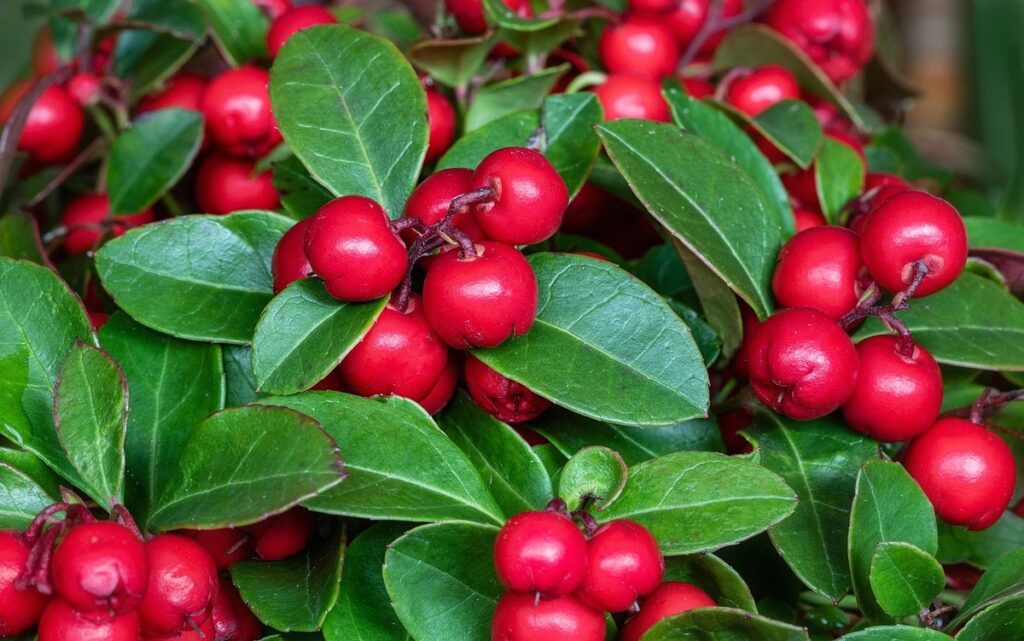
Leaves of the partridge berry plant are typically dark green, oval-shaped, and 1-3 inches long. They have an acute tip and are alternately arranged on the stem. The leaves are also slightly toothed along their edges, giving them a delicate appearance. In some cases, you may notice that older leaves turn a reddish tint before dropping off.
The stems of the partridge berry plant are slender, wiry, and can grow up to 3 feet long. They’re often covered in fine hairs, giving them a soft texture. The stems are also quite flexible, allowing them to bend and twist without breaking.
Roots of the partridge berry plant are relatively small, but they play a vital role in the plant’s survival. The roots are usually 2-4 inches deep and are responsible for absorbing water and nutrients from the soil. In ideal conditions, new roots can develop from sections of stem that come into contact with the ground.
When trying to identify the partridge berry plant, pay close attention to its leaves, stems, and roots. These characteristics will help you distinguish it from other similar-looking plants in your area.
Native Habitat and Distribution Range
The partridge berry plant is native to eastern North America, with its range spanning from Quebec and Ontario in Canada to the northeastern United States. It thrives in shaded, wooded areas, particularly in rich, moist soils found near streams or rivers. This adaptable plant can also be found growing in rocky outcroppings, slopes, and even on tree trunks.
In terms of geographic distribution, partridge berry is commonly associated with the Appalachian Mountains, where it forms dense colonies. Its ability to tolerate shade allows it to coexist with coniferous species like hemlock and fir. The plant’s preference for moist soils also makes it a common sight in low-lying areas and along waterways.
When exploring potential habitats for partridge berry, look for areas with rich leaf litter and minimal human disturbance. Be sure to exercise caution when foraging, as the plant’s similarity to poison ivy can be deceiving. By understanding its native habitat and distribution range, you’ll be better equipped to locate and appreciate this fascinating species in its natural environment.
Health Benefits and Medicinal Uses of the Partridge Berry Plant
The partridge berry plant has been used for centuries to promote health and wellness, and we’ll explore its most notable medicinal uses and benefits in this section. From reducing inflammation to soothing digestive issues, learn how it can support your overall well-being.
Antioxidant Properties and Anti-Inflammatory Effects
The partridge berry plant is rich in compounds that have been shown to exhibit antioxidant properties and anti-inflammatory effects. One of the key compounds responsible for these benefits is salvinorin A, a diterpenoid alkaloid found in the plant’s leaves. Research has demonstrated that salvinorin A can neutralize free radicals, which are unstable molecules that can cause oxidative stress and contribute to chronic diseases.
Inflammation is another critical area where the partridge berry plant’s compounds have been shown to have a positive impact. The flavonoids present in the plant, such as quercetin and kaempferol, have been found to inhibit the production of pro-inflammatory enzymes, thus reducing inflammation and associated pain. This can be particularly beneficial for individuals suffering from conditions like arthritis or other inflammatory disorders.
As we age, our bodies accumulate oxidative stress and chronic inflammation, which can contribute to a range of health issues. Consuming foods rich in antioxidants and anti-inflammatory compounds, such as the partridge berry plant, may help mitigate these effects and promote overall well-being.
Potential Applications in Traditional Medicine for Menstrual Relief
In traditional medicine, partridge berry plant has been utilized for its potential benefits in alleviating menstrual discomfort and various gynecological issues. The plant’s anti-inflammatory properties have been traditionally used to soothe cramps, reduce bloating, and ease mood swings associated with premenstrual syndrome (PMS). Native American cultures have also employed the partridge berry as a remedy for feminine health issues, including menstrual irregularities and infertility.
The antispasmodic compounds present in the plant may help relax uterine muscles, providing relief from painful cramps. Additionally, its estrogen-balancing properties might aid in regulating menstrual cycles and alleviating symptoms of menopause. Women who have used partridge berry tea or tincture report experiencing a reduction in PMS symptoms, improved mood, and enhanced overall well-being.
To incorporate partridge berry into your herbal routine for menstrual relief, steep the dried leaves or berries in hot water to make a soothing tea, or mix the tincture with a carrier oil for topical application. Consult with a healthcare professional before using the plant as a treatment, especially if you’re pregnant or breastfeeding.
Preparations and Uses of the Partridge Berry Plant
Now that you know how to identify the partridge berry plant, let’s move on to exploring its various uses and preparations, from tea to traditional medicine.
Infusions, Decoctions, and Tinctures: Methods of Preparation
When it comes to harnessing the medicinal properties of the partridge berry plant, preparation is key. There are several methods for extracting its beneficial compounds, including infusions, decoctions, and tinctures.
Infusions involve steeping the leaves or flowers of the partridge berry plant in hot water to release their active ingredients. To make an infusion, simply combine 1-2 tablespoons of fresh or dried herb with 8 ounces of boiling water, let it steep for 5-10 minutes, then strain and enjoy. Decoctions, on the other hand, require simmering the root or stem in water to break down its cell walls and release its medicinal properties.
Tinctures are concentrated extracts made by soaking the partridge berry plant in a solvent like ethanol or glycerin. These can be taken sublingually (under the tongue) or added to food and drinks. Typical dosages for these preparations vary: start with 10-20 drops of tincture three times daily, and adjust as needed.
When preparing your own partridge berry extracts, ensure you’re using clean equipment and following proper sanitation procedures to prevent contamination. Also, consult with a healthcare professional before introducing new herbal remedies into your routine, especially if you have underlying health conditions or allergies.
Culinary Uses in Cooking and Baking
Partridge berry plant is an incredibly versatile ingredient that can add flavor, nutrition, and beauty to a variety of dishes. When it comes to culinary uses, the berries are perhaps the most popular choice for cooking and baking. They have a sweet-tart taste, similar to blueberries, and can be used in both sweet and savory recipes.
One simple way to enjoy partridge berry fruit is as a topping for oatmeal or yogurt. Simply rinse and mash the berries with a fork, then sprinkle them over your breakfast favorite. You can also add them to salads, such as a spinach salad with balsamic vinaigrette, or blend into smoothies.
For baking enthusiasts, partridge berry leaves are a game-changer. They have a slightly sweet, herbal flavor and can be used in place of traditional spices like cinnamon or nutmeg. Try substituting 1-2 tablespoons of dried partridge berry leaves for one teaspoon of ground cinnamon in your favorite muffin or cake recipe.
In addition to their culinary uses, partridge berries are also edible raw or cooked as a snack on their own. They can be enjoyed fresh off the plant, added to trail mix, or even pickled for later use.
Safety Precautions and Potential Interactions
When working with partridge berry, it’s essential to be aware of potential safety precautions and interactions that may arise, especially if you’re considering using it for medicinal purposes. We’ll guide you through these considerations here.
Adverse Effects and Allergic Reactions
When it comes to the partridge berry plant, as with any herbal remedy, there are potential adverse effects and allergic reactions to be aware of. While generally considered safe for consumption in moderation, some individuals may experience issues due to individual tolerance or sensitivities.
One of the primary concerns is gastrointestinal upset, which can manifest as nausea, vomiting, diarrhea, or stomach cramps. This is often a result of overconsumption or sensitivity to the plant’s chemical compounds. In one reported case study, a patient experienced severe gastrointestinal distress after consuming large quantities of partridge berry extract, highlighting the importance of moderate use.
Allergic reactions are another possibility, though rare. Symptoms can range from mild skin rashes and itching to more severe respiratory issues like difficulty breathing or swelling. If you’re new to using partridge berry plant products, it’s crucial to start with small doses and monitor your body for any adverse responses.
If you experience any symptoms, discontinue use immediately and consult a healthcare professional for guidance. Additionally, if you’re pregnant or breastfeeding, it’s recommended to avoid consuming the partridge berry plant altogether due to limited research on its safety in these cases.
Interactions with Pharmaceuticals or Other Supplements
When using partridge berry plant for medicinal purposes, it’s essential to be aware of potential interactions with pharmaceuticals and other herbal supplements. Certain medications can exacerbate the plant’s effects or increase the risk of side effects.
For instance, blood thinners such as warfarin may interact with partridge berry plant’s ability to affect platelet aggregation, potentially leading to an increased risk of bleeding. Similarly, medications like digoxin, used to treat heart conditions, may be affected by partridge berry plant’s potential to alter potassium levels in the body.
Additionally, combining partridge berry plant with other herbal supplements can also lead to adverse interactions. For example, St. John’s Wort may decrease the effectiveness of certain medications, including blood thinners and antidepressants, which could be compounded by the effects of partridge berry plant.
To minimize risks, consult with a healthcare professional before using partridge berry plant, especially if you’re taking any prescription medications or supplements. This will help ensure safe and effective use of the plant’s medicinal properties.
Frequently Asked Questions
How Do I Identify the Partridge Berry Plant in the Wild?
If you’re planning to forage for partridge berry, it’s essential to accurately identify the plant. The best way to do this is by consulting a trusted field guide or an experienced herbalist. Look for the plant’s characteristic red berries, oval-shaped leaves, and woody stems. Be sure to note any distinguishing features specific to your region.
Can I Use Partridge Berry in Combination with Other Herbs?
Partridge berry can be safely combined with other herbs like raspberry leaf and chamomile to enhance its medicinal properties. However, it’s crucial to research potential interactions and contraindications before creating a blend. Start with small quantities and monitor your body’s response to avoid any adverse effects.
How Long Does It Take for Partridge Berry to Show Its Effects?
The onset of partridge berry’s effects can vary depending on the preparation method and individual factors. Generally, infusions and decoctions may take longer to kick in compared to tinctures or essential oils. Be patient and allow at least 2-4 weeks for the herb to take effect before adjusting your dosage or switching preparations.
Can Partridge Berry Interact with Prescription Medications?
As with any herbal remedy, there’s a possibility of interactions between partridge berry and prescription medications. Consult your healthcare provider or pharmacist before using partridge berry if you’re currently taking any medications, especially blood thinners or hormone replacement therapy. Monitor your body closely for signs of interaction.
How Do I Store Partridge Berry Root, Leaves, and Berries Properly?
To preserve the potency and shelf life of partridge berry preparations, store them in a cool, dark place away from direct sunlight and moisture. For dried herbs, consider using airtight containers or glass jars with tight-fitting lids. Freeze fresh berries to maintain their nutritional content and medicinal properties until you’re ready to use them.