
The struggle is real for farmers dealing with hornworms, those pesky pests that can decimate entire crops in no time. But what if we told you there’s a way to outsmart these critters without breaking out the chemical warfare? Enter parasitic wasp eggs, nature’s own secret weapon against the hornworm menace. These tiny eggs may seem insignificant, but they hold the key to reducing our reliance on harsh pesticides and minimizing the environmental impact of agriculture. In this article, we’ll delve into the fascinating world of parasitic wasp eggs and their intricate relationship with hornworms. We’ll explore the life cycle of both, examine the complex dynamics at play, and discuss practical applications for sustainable management that can benefit farmers and the environment alike.
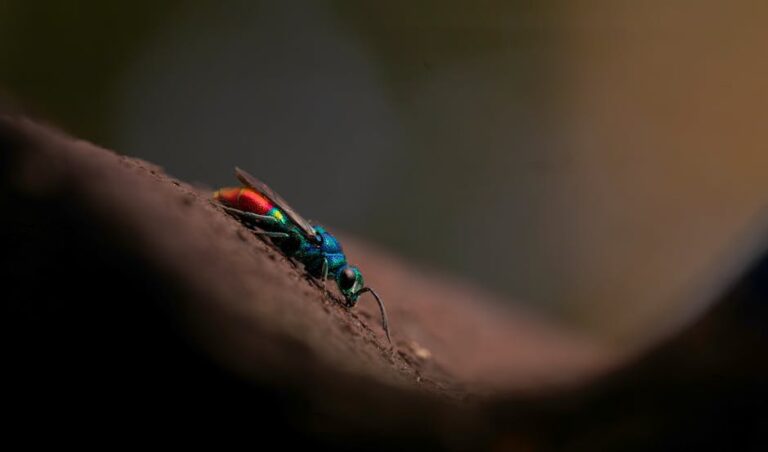
The Importance of Parasitic Wasps in Agriculture
Parasitic wasps are a crucial component of integrated pest management systems, providing a natural and effective solution to control hornworm populations. Let’s explore why they’re so important for agricultural success.
Benefits of Biological Control
By harnessing the power of parasitic wasps as a biological control method for hornworms, farmers can significantly reduce their reliance on chemical pesticides. This not only minimizes the environmental impact but also safeguards human health by eliminating exposure to toxic chemicals.
Parasitic wasps are highly efficient predators that target specific pest species, in this case, hornworms. By introducing these beneficial insects into a farm’s ecosystem, growers can effectively control infestations without resorting to chemical controls. This method is particularly appealing as it reduces the amount of pesticides used, which can contaminate soil and water sources.
For instance, studies have shown that using parasitic wasps to control hornworm populations in corn fields has led to a 90% reduction in pesticide use. This approach also promotes biodiversity by supporting the natural balance of beneficial insects in the environment.
By adopting biological control methods, farmers can create a more sustainable and environmentally friendly farming practice.
Overview of Parasitic Wasp Species
There are over 20,000 known species of parasitic wasps, but only a few dozen target hornworms as their host. One of the most common species is Trissolcus basalis, native to South America and now widely introduced across the world for its effectiveness in controlling hornworm populations. Another significant species is Anastatus disparis, which has been shown to be highly effective in reducing hornworm damage on corn crops.
Interestingly, these parasitic wasps have a unique distribution pattern, with some species favoring specific host plant combinations. For instance, Trissolcus basalis tends to target hornworms feeding on tomatoes and peppers, while Anastatus disparis is more prevalent on corn and sunflower plants. This specificity in host choice allows these wasps to effectively control hornworm populations without harming other beneficial insects.
In terms of habits, parasitic wasp species typically lay eggs inside the host insect’s body, where the developing larvae feed on the internal organs before emerging as adults. This intricate relationship highlights the complex ecological dynamics at play when introducing parasitic wasps for biological control purposes.
Understanding Hornworm Biology
To effectively manage parasitic wasp infestations, it’s essential to understand the life cycle and habits of hornworms, their primary hosts. This involves grasping their unique characteristics as caterpillars.
Life Cycle of Hornworms
Hornworms undergo four distinct life stages: egg, larva, pupa, and adult. Female hornworm moths lay their eggs on the underside of tomato leaves or stems, typically during nighttime hours. These tiny, yellowish-white eggs hatch into large, green caterpillars within 3-4 days. The larvae feed voraciously on tomato foliage, often causing significant damage to the plant.
As they grow, hornworms molt several times, shedding their skin to accommodate increasing size. This process allows them to continue consuming large amounts of food and storing energy for future stages. After a few weeks, the fully grown larva drops from the plant to burrow into soil or hide in debris, where it undergoes metamorphosis.
During this pupal stage, which lasts approximately 2-3 weeks, the hornworm transforms into an adult moth. The adult emerges at night and repeats the life cycle by mating with other moths and laying eggs on nearby plants. Understanding these growth patterns is crucial for managing hornworm populations effectively, especially when parasitic wasp eggs are involved in controlling their numbers.
Host-Parasite Relationships
Hornworms and parasitic wasps engage in a complex, mutually beneficial relationship. The female wasp lays its eggs on the host hornworm, which eventually becomes food for the emerging wasp larvae. This intricate process begins when a female wasp searches for an optimal location to lay her eggs. She typically targets areas with high hornworm activity and selects hosts based on their size and nutritional value.
The female wasp’s ovipositor is precisely designed to pierce the hornworm’s skin, allowing her to deposit multiple eggs in a single location. The eggs are usually laid along the hornworm’s body, but the exact placement can vary depending on factors such as host size and species of parasitic wasp.
It’s essential for gardeners and farmers to understand this relationship since it provides a natural control method against hornworm infestations. By recognizing the presence of parasitic wasp eggs, individuals can adopt strategies that minimize harm while maintaining a balanced ecosystem.
Parasitic Wasp Egg Development
As you explore the fascinating relationship between parasitic wasps and hornworms, let’s dive into the incredible process of how these tiny eggs develop inside their hosts. This is where the magic happens!
Oviposition Behavior
When it comes to parasitic wasp egg development on hornworms, understanding oviposition behavior is crucial. Female parasitic wasps meticulously select the perfect host for their eggs, and hornworms are a prime target due to their rich nutritional value.
Several factors influence the oviposition behavior of female parasitic wasps, including the availability of food resources, temperature, and humidity levels. For instance, research has shown that female parasitic wasps tend to lay more eggs on hornworms with higher caterpillar-to-nutrient ratios, ensuring their offspring’s optimal development.
Observing oviposition behavior in action can be fascinating. Female parasitic wasps often use their piercing ovipositor to inject the egg into the hornworm’s body cavity. This targeted approach allows for maximum efficiency and ensures the eggs are safely nestled within a nutrient-rich environment.
To encourage successful oviposition, gardeners can create an optimal environment for these beneficial insects by providing a suitable food source and maintaining favorable climate conditions. By doing so, they can foster healthy populations of parasitic wasps that effectively control hornworm infestations.
Embryonic Development
The development of parasitic wasp eggs within hornworms is a complex and highly regulated process known as embryogenesis. It begins with fertilization, where the male wasp’s sperm meets the female wasp’s egg yolk. The fertilized egg then undergoes several stages of cell division and differentiation before implantation into the host hornworm.
Environmental conditions such as temperature and humidity play a significant role in influencing this process. Research has shown that optimal temperatures between 20-25°C (68-77°F) promote successful embryogenesis, while extreme temperatures can lead to embryo mortality. Similarly, adequate humidity levels are crucial for preventing desiccation and ensuring proper egg development.
For gardeners seeking to optimize the hatching of parasitic wasp eggs within their hornworm populations, maintaining a stable temperature range and providing a humid microclimate around the host plants can be beneficial. By creating an environment conducive to embryogenesis, you can increase the chances of successful parasite establishment and reduce pest pressure on your crops.
Effects of Parasitic Wasp Eggs on Hornworms
When a parasitic wasp lays its eggs inside a hornworm, it triggers a series of events that can drastically alter the host’s behavior and life cycle. This section explores those changes in detail.
Immune Response and Defense Mechanisms
When parasitic wasp eggs are laid inside hornworms, it triggers an immune response that is both fascinating and complex. The hornworm’s immune system springs into action to fight off the foreign invaders, but it’s a battle it often can’t win. As the wasp eggs develop inside the host, they release chemicals that stimulate the hornworm’s defense mechanisms.
One of the primary ways hornworms defend themselves is by producing melanization, a process that involves converting amino acids into quinones to produce pigments. This helps to encapsulate and kill the wasp larvae before they can emerge. However, this mechanism can sometimes backfire, leading to an overproduction of melanin, which can cause tissue damage.
The hornworm’s immune system also activates various cells and proteins that work together to contain and eliminate the parasite. For example, the production of antimicrobial peptides helps to break down the wasp eggshells and prevent further development. However, these defense strategies are often inadequate against the highly specialized larvae of parasitic wasps.
When fighting parasitic wasp eggs, hornworms’ immune response can be likened to a war where both sides engage in a game of cat-and-mouse. While the hornworm tries its best to combat the invaders, the parasitic wasp larvae are specifically designed to evade and overcome these defenses. Understanding this complex dynamic is essential for gardeners seeking to control hornworm populations using natural methods.
Behavioral Changes in Hosted Wasps
When parasitic wasp eggs are laid inside hornworms, it triggers a series of behavioral changes that help the developing wasps escape and hunt for their next host. One of the most notable modifications is the altered feeding habits of the infected hornworms. Unlike healthy hornworms that prefer to feed on plant leaves during nighttime, those hosting parasitic wasp eggs tend to eat more frequently and voraciously throughout the day.
In fact, studies have shown that these “hyperphagic” hornworms consume up to 50% more foliage than their uninfected counterparts. This change in feeding behavior is thought to be a result of the developing wasps’ influence on the host’s nervous system. As the wasp larvae grow and develop, they produce chemical signals that alter the host’s appetite and digestive processes.
This altered feeding behavior also leads to an increase in movement and activity among infected hornworms. They become more erratic and restless, often abandoning their typical hiding spots and venturing out into open areas in search of food.
Practical Applications of Parasitic Wasp Eggs in Hornworm Management
Let’s dive into how parasitic wasp eggs can be used as a biological control method to manage hornworm populations, reducing chemical pesticides.
Biological Control Methods
When it comes to managing hornworm populations, biological control methods offer a promising approach. Integrated pest management (IPM) strategies that incorporate parasitic wasp eggs can be particularly effective. These tiny wasps lay their eggs inside the hornworm’s body, where the larvae feed on the insect from the inside out.
To implement this method, farmers and gardeners need to introduce the parasitic wasp eggs into their fields or gardens. This can be done by introducing adult wasps that have been reared in a controlled environment, allowing them to lay their eggs on host plants. Alternatively, wasp eggs can be obtained from commercial suppliers.
The key to success lies in creating an optimal environment for the wasp larvae to thrive. This includes maintaining a suitable temperature range (around 20-25°C) and humidity level (50-60%) to promote the development of the wasp larvae within the hornworm’s body.
Some farmers have reported significant reductions in hornworm populations after adopting this method, with some achieving up to 80% control over the pests.
Potential Risks and Challenges
While parasitic wasp eggs offer an attractive solution for managing hornworm populations, there are potential risks and challenges to consider. Regulatory considerations play a significant role in the use of biological control methods like parasitic wasp eggs. In some regions, specific permits or licenses may be required before introducing these eggs into the environment.
Moreover, public acceptance can be another hurdle. The idea of releasing genetically modified organisms (GMOs) might raise concerns among consumers, especially those who prefer organic produce. To mitigate this risk, it’s essential to choose strains of parasitic wasp eggs that are specifically bred for their environmental friendliness and low-toxicity profiles.
Another challenge is the potential for unintended consequences. For instance, if the parasitic wasp eggs don’t target hornworms exclusively, they might end up controlling other beneficial insect populations as well. To minimize this risk, it’s crucial to conduct thorough risk assessments before releasing these eggs into the environment.
It’s also worth noting that the success of parasitic wasp eggs in managing hornworm populations can depend on various factors such as temperature, humidity, and available food resources for the emerging wasps.
Conclusion: Harnessing the Power of Parasitic Wasp Eggs for Sustainable Hornworm Management
In conclusion, harnessing the power of parasitic wasp eggs is a game-changer for sustainable hornworm management. By introducing these beneficial insects into your garden ecosystem, you can create a natural balance that minimizes chemical usage and promotes biodiversity. To maximize their impact, be sure to plant native flowers and herbs that attract parasitic wasps, such as dill, fennel, or lavender, near your tomato plants. This will encourage the wasps to lay eggs in the hornworms, which will eventually lead to a significant reduction in pest populations.
With a little planning and patience, you can enjoy a healthier, more sustainable garden without relying on pesticides or other chemical controls. By incorporating parasitic wasp eggs into your integrated pest management strategy, you’ll be taking a crucial step towards creating a resilient and thriving ecosystem that benefits both your plants and the environment.
Frequently Asked Questions
Can I use parasitic wasp eggs on any type of hornworm species?
While parasitic wasps are highly specific to certain pest species, the effectiveness of using their eggs as a biological control method depends on the specific hornworm species you’re dealing with. Certain strains of parasitic wasps are more effective against certain hornworm types, so it’s essential to choose the right strain for your specific agricultural needs.
How long does it take for parasitic wasp eggs to develop inside a hornworm?
The development time of parasitic wasp eggs inside a hornworm can vary depending on factors such as temperature and humidity. Generally, the embryonic development stage lasts around 3-5 days, after which the larva will emerge and start feeding on the host’s internal organs.
What are some common challenges farmers face when implementing biological control methods with parasitic wasp eggs?
One of the main challenges is ensuring proper oviposition behavior by the female wasps. This can be influenced by factors such as temperature, humidity, and availability of food sources. It’s also crucial to ensure that the host-parasite relationship is not disrupted by other external factors.
Can I combine parasitic wasp eggs with other biological control methods for more effective hornworm management?
Yes! Combining parasitic wasp eggs with other natural pest control methods can enhance their overall effectiveness and provide a comprehensive approach to managing hornworm populations. This might include using other beneficial insects, introducing physical barriers or traps, or implementing cultural controls like crop rotation.
How do I store and handle parasitic wasp eggs for optimal use in biological control?
Proper storage and handling of parasitic wasp eggs are critical for maintaining their viability and effectiveness as a biological control method. Eggs should be stored at room temperature (around 20-25°C) in a dry, well-ventilated area, away from direct sunlight. They can also be frozen for extended periods using specialized equipment to preserve their viability.