
If you’re growing papayas at home or managing a commercial orchard, understanding how your trees flower is crucial for optimal fruit production. But did you know that papaya tree flowering patterns can be unpredictable and influenced by various factors? Environmental conditions, soil quality, and even tree age all play a role in determining when and how frequently your papaya trees bloom. In this article, we’ll dive into the world of papaya tree flowering, exploring its patterns, key influencers, and expert tips on optimal care techniques to boost yields. By mastering these essential factors, you can unlock higher fruit production and enjoy a bountiful harvest from your papaya trees. Let’s get started on this journey to papaya tree flowering mastery!
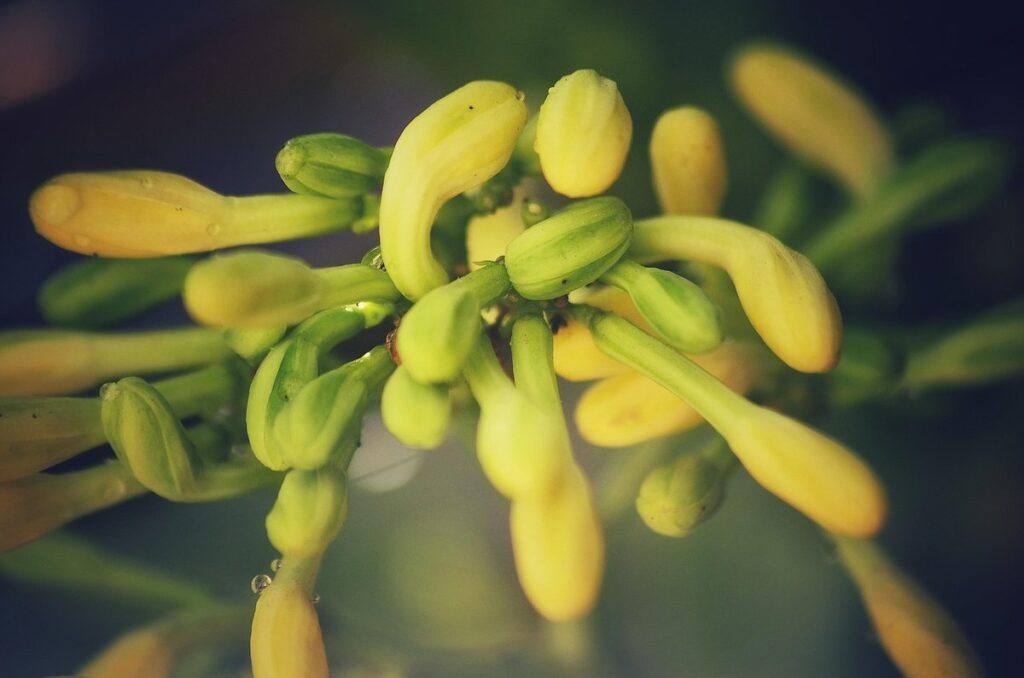
What is Papaya Tree Flowering?
When a papaya tree starts flowering, it’s often a sign that it’s preparing to produce fruit. In this section, we’ll delve into what causes a papaya tree to bloom and what to expect next.
Types of Papaya Trees and Their Floral Characteristics
There are several types of papaya trees, each with its own unique characteristics that affect their flowering patterns. The most common varieties include the Solo, Papaya Hawaii, and Sunrise Solo. Solo papaya trees, for example, have a smaller root system compared to other varieties, resulting in a more compact tree structure. This characteristic can lead to less vigorous growth and fewer flowers.
Papaya Hawaii trees, on the other hand, are known for their robust growth and larger fruit size. They produce an abundance of small, pale yellow flowers, which contribute to a higher yield but may require more maintenance. Another notable variety is the Sunrise Solo, which boasts bright orange flowers that attract pollinators effectively.
It’s essential to understand the specific needs and flowering patterns of your papaya tree variety to provide optimal care. Knowing whether your tree prefers warmer or cooler temperatures, for instance, can help you create a suitable environment for blooming. By recognizing these unique characteristics, you’ll be better equipped to support your tree’s natural growth cycle and encourage healthy fruit production.
Factors Influencing Papaya Tree Flowering
Environmental factors play a crucial role in determining when and if your papaya tree will flower. Temperature is one of the most significant influences on flowering. Papaya trees typically require temperatures between 64°F to 90°F (18°C to 32°C) to produce flowers. If the temperature drops below 50°F (10°C), flowering may be significantly reduced or even cease altogether.
Humidity levels also impact flowering, with optimal levels ranging from 60% to 80%. Consistently high humidity can lead to fungal diseases that inhibit flowering, while low humidity can cause stress and reduce blooming. Adequate light exposure is essential for papaya trees to produce flowers. Direct sunlight of at least six hours a day is necessary, but be cautious not to expose your tree to intense midday sun.
Soil quality also affects flowering. Papaya trees prefer well-draining soil with a pH between 5.5 and 6.5. Avoid using heavy fertilizers, as this can lead to an overabundance of nutrients that may harm the tree’s ability to produce flowers. By maintaining optimal environmental conditions, you can encourage your papaya tree to flower regularly.
The Importance of Papaya Tree Flowering for Fruit Production
Understanding papaya tree flowering is crucial for optimal fruit production because it directly affects the timing and quantity of fruiting. When a papaya tree flowers, it’s signaling that it’s ready to produce fruit, but incorrect timing or cultivation methods can hinder this process. For instance, if the tree is not given enough time to mature between flowerings, it may not have sufficient energy reserves to produce quality fruits.
Inadequate flowering can also lead to reduced fruit set and lower yields. This is because papaya trees require a certain level of maturity before they can support fruit growth. If the tree is forced into flowering too early or too late in its life cycle, it may struggle to provide the necessary nutrients for optimal fruit production.
To ensure optimal fruiting, growers need to monitor their papaya trees closely and understand the specific needs of their variety. By doing so, they can create an environment that supports healthy flowering and subsequent fruit growth. This involves providing the right balance of water, nutrients, and sunlight, as well as maintaining a consistent temperature range.
Identifying the Signs of Papaya Tree Flowering
To know when your papaya tree is ready to flower, it’s essential to recognize the subtle signs that signal the start of this process. Look out for these early indicators to ensure a bountiful harvest.
Visual Cues: How to Recognize a Blooming Papaya Tree
As you observe your papaya tree, it’s essential to recognize visual cues that indicate flowering is about to occur. Keep an eye out for changes in leaf color as they transition from a deep green to a lighter shade. This is often the first sign of flowering, signaling the tree is preparing for pollination.
Look for growth patterns that resemble a “V” shape or an upward curve, which indicates the development of flower stalks. These stalks will eventually support the fruit-bearing flowers. Observe your tree’s leaf tips; if they start to wilt or turn yellow, it may be a sign that energy is being redirected towards flowering.
Another critical visual cue is flower bud formation. As the buds develop, they’ll resemble small, swollen knots along the stem. These buds will eventually grow into beautiful flowers, signaling the start of the blooming process. Be sure to inspect your tree regularly during this phase to identify these subtle changes and take necessary steps for optimal pollination.
Timing and Duration of Papaya Tree Bloom Cycle
The timing and duration of the papaya tree bloom cycle can vary depending on several factors. Generally, a healthy papaya tree will produce flowers within 5 to 12 months after planting, although this can range from as short as 3 months for some dwarf varieties to over a year for others.
For most papaya trees, the blooming process typically occurs in the following sequence: the tree produces male and female flowers on separate branches, with the male flowers typically appearing first. The female flowers will then follow, usually within a few days of the male flowers. This can be followed by a period of fertilization, where the pollen from the male flowers is transferred to the female flowers.
Factors such as climate, soil quality, and nutrient availability can influence the timing and duration of the blooming cycle. For example, papaya trees grown in warmer climates may produce flowers more quickly than those grown in cooler climates. Similarly, a tree with access to ample water and nutrients may be more likely to bloom consistently throughout the year.
When growing papaya trees for fruit production, it’s essential to provide optimal conditions to encourage regular blooming. This can include providing a balanced fertilizer diet, ensuring proper watering, and maintaining a healthy pruning schedule. By understanding the typical duration and timing of the blooming cycle, you can better manage your tree’s growth and optimize its potential for fruiting.
How to Care for Your Papaya Tree During Flowering
When your papaya tree starts flowering, it’s essential to provide optimal care to promote healthy blooms and fruit set. During this period, make sure the tree receives enough water, but avoid overwatering which can lead to root rot and other issues.
To ensure your papaya tree gets the right amount of moisture, check the soil daily by inserting a finger into the soil up to the first knuckle. If the soil feels dry, it’s time for watering. Water thoroughly until you see water coming out of the drainage holes in the pot.
Fertilize your papaya tree regularly with a balanced fertilizer (10-10-10 NPK) during the flowering stage. You can also add potassium-rich fertilizers to promote fruit set and development. Prune any weak or damaged branches to allow sunlight to reach the flowers and improve air circulation, reducing the risk of fungal diseases.
By following these simple care tips, you’ll be able to support your papaya tree’s flowering process and increase its chances of producing a bountiful harvest.
Understanding Papaya Tree Pollination
Pollinating papaya trees requires a specific understanding of their reproductive process, which is influenced by factors such as temperature and humidity. Let’s break down how to facilitate successful pollination.
The Role of Insect Pollinators in Papaya Tree Fruiting
Insect pollinators play a vital role in facilitating cross-pollination among papaya trees. Bees, butterflies, and hummingbirds are the primary pollinators responsible for transferring pollen from one tree to another, ensuring successful fruit set. Without these pollinators, papaya trees would struggle to produce viable seeds.
Research has shown that bee activity is directly linked to increased papaya yields. For example, a study in Hawaii found that bees visited papaya flowers over 100 times more frequently than any other pollinator, resulting in a significant increase in fruit production. To encourage these beneficial insects to visit your papaya tree, plant a diverse range of nectar-rich flowers nearby to serve as a food source.
By understanding the role of insect pollinators and taking steps to support them, you can improve the chances of successful cross-pollination and increase your papaya yields. Consider using a variety of plants with different flowering times to provide a constant source of nectar for pollinators throughout the growing season.
Challenges to Papaya Tree Pollination: Pests and Diseases
In addition to environmental factors and tree health, papaya trees face challenges from pests and diseases that can hinder pollination and fruit set. One of the most common pests affecting papaya trees is the Papaya Mealybug, which feeds on sap and causes reduced yields. The Asian Longhorned Beetle and the Fruit Fly are also known to target papaya flowers, damaging them and preventing pollination.
Diseases like powdery mildew, leaf spot, and fungal infections can weaken the tree and reduce its ability to produce flowers. These pathogens often spread through water or insect vectors, highlighting the importance of proper irrigation and integrated pest management practices. For instance, removing infected leaves and flowers, practicing good sanitation, and using organic pesticides can help control outbreaks.
To protect your papaya tree from these challenges, monitor your tree regularly for signs of pests or diseases. Isolate any affected areas to prevent further spread, and consider consulting with a local nursery or extension service for guidance on integrated pest management strategies tailored to your specific climate and region.
Techniques for Enhancing Papaya Tree Pollination Efficiency
To boost papaya tree pollination efficiency and maximize fruit yields, several techniques can be employed. Hand-pollination is a simple yet effective method where the male flower’s pollen is manually transferred to the female flower’s stigma using a small brush or cotton swab. This technique is particularly useful in areas with low bee populations or during periods of unfavorable weather.
Another approach involves bagging flowers, which creates a conducive environment for pollination by trapping pollen and protecting it from wind-borne pests. By covering each flower with a paper bag, you can increase the chances of successful pollination and subsequent fruit set. When using this method, be sure to check on the flowers regularly to ensure proper air circulation.
Companion planting is yet another technique that can improve pollination rates. Planting certain species, such as basil or mint, alongside papaya trees has been shown to attract beneficial insects like bees and wasps, which play a vital role in pollination. By selecting compatible companion plants, you can create a thriving ecosystem that supports efficient pollination and healthy fruit production.
Managing Papaya Tree Flowering for Optimal Fruit Production
Now that you understand how papaya trees bloom, let’s dive into managing their flowering process to ensure a bountiful harvest and optimal fruit production. We’ll explore the key techniques involved.
Determining the Right Time to Harvest Papaya Fruits
When it comes to harvesting papayas, timing is everything. As we’ve discussed earlier, understanding the blooming process is crucial for optimal fruit production. However, simply waiting for the flowers to bloom and then picking the fruits won’t guarantee a bountiful harvest.
To determine the right time to harvest papaya fruits, you need to consider the environmental conditions and the tree’s flowering patterns. Typically, papayas are ready for harvesting 3-6 months after the flowers have bloomed. The exact duration depends on factors such as weather, soil quality, and the specific papaya variety.
One way to check if your papaya is ripe is by gently tugging on the fruit. If it comes off easily, it’s ready to be picked. You can also look for a yellow or orange tint around the stem, which indicates ripeness. For early morning harvests, it’s best to pick the fruits when they’re still slightly firm to ensure optimal shelf life.
Remember that overripe papayas can spoil quickly, while unripe ones may not develop their full flavor and texture. So, take a closer look at your tree and use these guidelines to identify the perfect moment for harvesting your delicious papaya fruits!
Common Mistakes in Papaya Tree Management That Affect Flowering
When it comes to managing papaya tree flowering for optimal fruit production, there are several common mistakes that can have a significant impact. One of the most critical errors is over-watering, which can lead to root rot and reduce flower production. Papaya trees need well-draining soil and adequate moisture, but excessive water can cause more harm than good.
Under-nourishing your papaya tree is another mistake that can affect flowering. Papaya trees require a balanced diet of nutrients, including nitrogen, phosphorus, and potassium. If the soil lacks these essential elements, it can impede flower development and fruit growth. Regular soil testing and fertilization can help ensure your tree receives the necessary nutrients.
Proper pruning is also crucial for promoting healthy flowering. Over-pruning or under-pruning can disrupt the delicate balance of the tree’s hormonal system, leading to reduced flower production. Prune your papaya tree during the dormant season, removing any dead or damaged branches and maintaining a central leader. By avoiding these common mistakes, you can create an optimal environment for your papaya tree to thrive and produce an abundance of flowers and fruit.
Strategies for Maximizing Fruit Set and Yields After Flowering
To maximize fruit set and yields after flowering, it’s essential to create an optimal environment for fruit development. One of the most critical factors is ensuring adequate pollination. Papaya trees are self-incompatible, meaning they require cross-pollination from another tree to produce viable seeds. To facilitate this process, maintain a diverse papaya population nearby, and consider using hand-pollination techniques if necessary.
Another crucial aspect is maintaining proper temperature and humidity levels during the fruit development stage. Papayas prefer temperatures between 64°F and 90°F (18°C and 32°C) and high humidity to promote healthy growth. Ensure your trees receive sufficient light, as it plays a vital role in photosynthesis and nutrient uptake.
Monitor your trees regularly for any signs of stress or disease, which can significantly impact fruit set and yields. Regular pruning also helps maintain air circulation, promotes even growth, and encourages fruiting branches. By implementing these strategies, you’ll be well on your way to optimizing your papaya tree’s fruit set and yield after the blooming period has concluded.
Conclusion: Integrating Knowledge of Papaya Tree Flowering into Your Gardening Practice
Now that you’ve learned about papaya tree flowering, it’s time to put your knowledge into practice by integrating this understanding into your gardening routine. This section will walk you through easy ways to apply what you’ve learned.
Recap of Key Takeaways from Understanding Papaya Tree Flowering
As we conclude our journey through the fascinating world of papaya tree flowering, let’s recap the key takeaways from this comprehensive guide. To successfully integrate your understanding of papaya tree flowering into your gardening practice, keep the following concepts top of mind.
First and foremost, it’s essential to recognize that papaya trees flower in a unique process known as “male-female differentiation,” where male flowers typically precede female flowers. This phenomenon is crucial for setting up a thriving garden. For instance, if you’re interested in harvesting fruit from your papaya tree, be sure to plant multiple trees of different sex to ensure proper pollination.
Additionally, understand the importance of timing when it comes to pruning and training your papaya tree. Pruning during the dormant season can help promote healthy growth and prevent disease, while regular training through staking or pruning can encourage upright growth and prevent sprawling.
Tips for Further Research and Experimentation with Papaya Trees
If you’ve found this journey into understanding papaya tree flowering both fascinating and rewarding, it’s likely that you’re eager to delve even deeper. Perhaps you’ve already started experimenting with pruning techniques to encourage more blooms or have been observing the unique characteristics of different varieties. To further enhance your knowledge and experience, consider the following suggestions.
Start by researching new papaya tree varieties that are known for their exceptional flowering patterns or adaptability to your local climate. Look into hybrid cultivars like ‘Sunrise’ or ‘Tainung’, which have been bred specifically for their vibrant flowers and bountiful yields. You can also explore the effects of varying temperatures, soil types, and nutrient levels on papaya tree blooming by experimenting with different conditions in your garden.
To further stimulate growth and flowering, consider implementing techniques such as grafting or repotting to refresh your trees’ root systems. These methods not only promote overall health but can also encourage a more vigorous display of blooms.
Frequently Asked Questions
What are the ideal environmental conditions for papaya tree flowering?
Papaya trees thrive in warm temperatures between 64°F to 90°F (18°C to 32°C) and high humidity levels. Adequate sunlight, well-draining soil with a pH range of 5.5-6.5, and consistent moisture also contribute to optimal flower production. Ensure your papaya tree receives at least six hours of direct sunlight daily and maintain a consistent watering schedule.
How can I tell if my papaya tree is receiving enough insect pollination?
Insect pollinators like bees, butterflies, and moths play a crucial role in papaya tree fruiting. Observe the presence of these pollinators around your tree during peak flowering hours (usually early morning). If you notice a significant reduction or absence of pollinators, consider using artificial pollination methods or attracting native pollinators to your garden.
What are some common mistakes to avoid when caring for papaya trees during flowering?
Common mistakes include overwatering, which can lead to root rot and reduced flower production. Inadequate fertilization, insufficient pruning, and exposure to extreme temperatures can also negatively impact the tree’s ability to produce flowers. Regularly inspect your tree for signs of nutrient deficiencies or pest infestations and adjust your care routine accordingly.
How often should I harvest papaya fruits to encourage continuous flowering?
Regular harvesting is essential for promoting continued flower production in papaya trees. Remove mature papayas when they’re fully ripe, as this will stimulate the tree to produce new flowers and maintain a consistent fruiting cycle. Aim to harvest fruits every 3-4 days during peak production periods.
Can I use pesticides or fungicides on my papaya tree if it’s experiencing pollination challenges?
While controlling pests and diseases is crucial for maintaining healthy trees, using chemicals can harm beneficial insects and disrupt the delicate balance of your garden ecosystem. Instead, adopt integrated pest management (IPM) strategies that incorporate physical barriers, cultural controls, and introducing natural predators to minimize chemical usage and maintain a balanced environment for optimal pollination.