
When it comes to showcasing your favorite plants, the right pot can make all the difference. A harmonious pairing between plant and container not only adds visual interest but also elevates the overall aesthetic of your space. Whether you’re a seasoned green thumb or just starting out, learning how to choose the perfect pot for your plant is an essential skill to master.
In this article, we’ll delve into the world of color theory, texture, and maintenance to provide expert tips on how to pair plants with pots that inspire creativity and bring balance to any room. From small succulents to large statement pieces, we’ll explore various styles and techniques for creating harmonious spaces that reflect your unique personality. By the end of this article, you’ll be equipped with the knowledge to create stunning plant displays that showcase your individuality and add a touch of serenity to your living or work space.
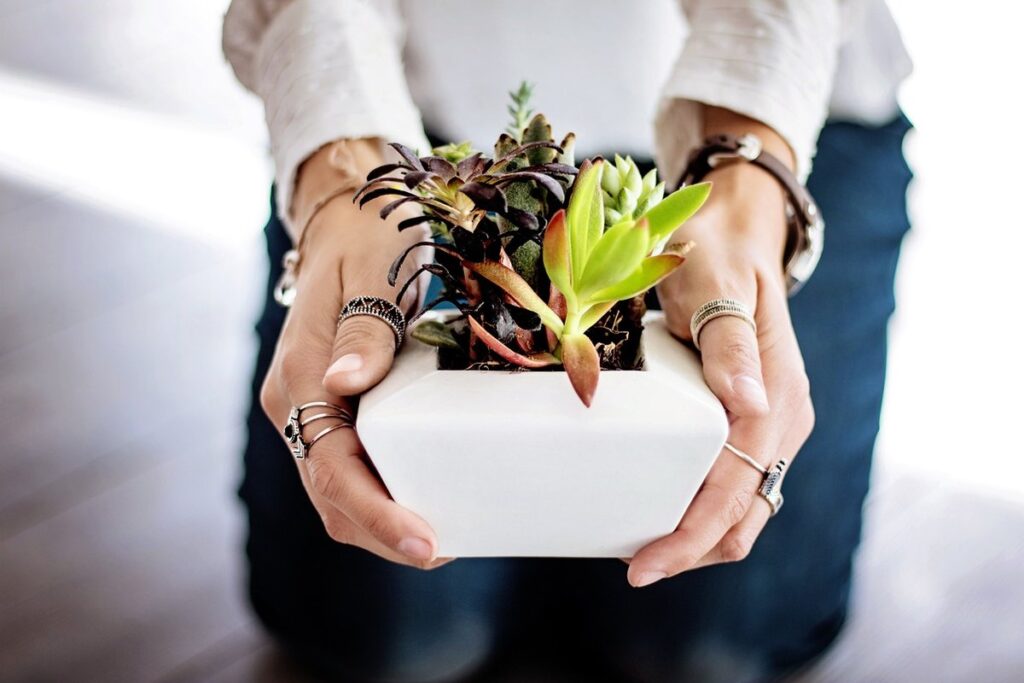
Choosing the Right Pot for Your Plant
When it comes to pairing plants with pots, selecting the right vessel is crucial. You’ll want a pot that complements your plant’s unique needs and style.
Considerations for Small-Scale Pots (less than 6 inches)
When it comes to small-scale pots (less than 6 inches), it’s essential to choose plants that thrive in these compact spaces. Succulents and herbs are perfect candidates for small pots, as they require minimal maintenance and can survive with limited watering. These plants come in a variety of shapes, sizes, and colors, making them ideal for adding a pop of color to your space.
When selecting a pot for your small plant, consider the size and growth habits of the plant. A general rule of thumb is to choose a pot that’s no more than 1-2 inches larger in diameter than the plant’s root ball. This will prevent the soil from becoming too wet or dry, which can lead to root rot or nutrient deficiencies.
For example, if you’re using a small herb planter, consider using a shallow pot with good drainage holes to prevent waterlogged soil. Alternatively, if you’re growing succulents in a tiny terrarium, choose a clear glass pot that allows for maximum light penetration and showcases the plant’s unique shape. By choosing the right pot for your small plant, you can create a harmonious and visually appealing display that adds beauty and life to any space.
Selecting Pots for Medium to Large Plants
When it comes to medium to large plants, choosing the right pot is crucial for their growth and health. You’ll want to consider a few key factors to ensure your plant’s roots have room to breathe and its soil drains properly. Look for pots with good drainage holes or consider adding a saucer underneath to prevent waterlogged soil.
The size of the pot is also important, as it will affect how much root growth occurs. A general rule of thumb is to choose a pot that’s about 1-2 sizes larger than your plant’s original container. This allows for some extra space for the roots to grow without becoming too wet or dry. Different materials work well for various types of plants – ceramic and terracotta pots, for example, retain moisture but can be heavy and more prone to cracking.
Plastic pots are lightweight and easy to move around, making them ideal for larger plants that require a bit more space to spread out. If you’re looking for something more durable, consider using plastic or resin planters with good drainage systems built-in.
Color Theory: How Pot Colors Affect Plant Display
When choosing a pot, consider how its color will interact with your plants’ hues and create a visually appealing display that’s more than just a pretty face. This section explores the world of color theory in plant pairing.
Neutral Backgrounds for Focal Points
Neutral-colored pots can create visual balance in a room by allowing the plants to take center stage. When the pot’s color isn’t competing with the surrounding decor for attention, it creates an uncluttered and calming atmosphere that lets each plant shine.
Consider pairing neutral-toned pots like cream, beige, or gray with statement pieces like large-leaved philodendrons, bird of paradise plants, or fiddle leaf figs. These show-stopping plants benefit from being the focal point in a space, drawing the eye upwards and adding visual interest to any room. Alternatively, delicate ferns or flowering plants look stunning against neutral-colored pots that allow their intricate patterns and colors to take center stage.
To incorporate this concept into your plant display, start by choosing a statement plant and selecting a pot that won’t compete with its beauty. A neutral-colored pot will create a harmonious balance between the plant’s unique features and the surrounding decor, creating a visually pleasing and peaceful atmosphere in any room.
Bold and Bright: Using Colored Pots to Add Personality
Using colored pots is an excellent way to add personality to a space and create a cohesive look with other decorative elements. Not only can it draw attention to specific areas of the room, but it can also tie in beautifully with other design styles and color schemes.
When selecting a bold or bright pot color, consider the type of plant it will be holding. For example, vibrant pots like red or orange are perfect for statement plants like succulents or bold foliage plants. These colors will not only add a pop of color to the space but also bring out the unique characteristics of the plant.
On the other hand, softer pastel shades can complement delicate plants like ferns or peace lilies, creating a soothing and calming atmosphere. To take it to the next level, choose a pot that complements your room’s design style. For instance, a sleek modern space might call for bold geometric patterns, while a traditional space may benefit from classic stripes.
Remember, when introducing a bold new color into your space, balance is key. Pair a vibrant pot with neutral-colored walls and furniture to avoid overwhelming the senses.
Shape and Style: How Pot Form Influences Plant Placement
When it comes to pairing plants with pots, the shape and style of your pot can play a significant role in determining where it’s placed in your space. Let’s explore how different pot forms can influence plant placement.
Round Pots for Curved Spaces
When it comes to curved spaces like hallways or corners, round pots can create a sense of continuity that complements their unique shape. By choosing containers with rounded profiles, you can visually extend the curves of these areas, creating a harmonious flow that guides the eye through the space.
For maximum impact in these environments, select plants that thrive in rounded spaces and don’t require direct sunlight or extreme temperature fluctuations. Peace lilies (Spathiphyllum wallisii) are excellent choices for curved areas, as they can tolerate low light conditions and purify the air with ease. Snake plants (Sansevieria Trifasciata), on the other hand, are highly adaptable to a range of lighting conditions and infrequent watering schedules.
To create a cohesive look in these areas, plant multiple round pots with similar profiles but varying heights and planters’ sizes. This will add visual interest while maintaining the sense of continuity created by the curved space itself.
Rectangular Pots for Linear Spaces
When it comes to linear spaces like long corridors or modern kitchens, using rectangular pots can be particularly effective in creating a sense of balance and visual harmony. These shapes are perfect for drawing the eye along the length of a room, creating a clear visual line that’s both calming and visually appealing.
To make the most of rectangular pots in these spaces, consider pairing them with plants that have long, slender leaves or stems, such as ferns or succulents. The vertical growth habit of these plants helps to emphasize the linear shape of the pot, creating a beautiful and cohesive look. For example, you could pair a sleek black rectangular pot with a tall, elegant fern like the maidenhair fern (Adiantum spp.), which will add a touch of natural beauty to your space.
When selecting plants for rectangular pots, remember that less is often more. A single statement piece can make a bigger impact than multiple smaller plants competing for attention.
Texture and Pattern: Mixing and Matching Pot Materials
When it comes to pairing plants with pots, mixing and matching different textures and patterns can add depth and visual interest to your space. Consider combining smooth ceramic with woven baskets for a unique look.
Combining Natural Materials for a Rustic Look
Combining natural materials like wood, bamboo, or wicker pots creates a rustic and organic look that’s perfect for bringing the outdoors in. These textures not only add depth to your space but also create a sense of warmth and coziness.
When combining these materials with plants, think about pairing succulents or air plants with wooden planters. The minimalist aesthetic of these plants allows the natural beauty of the wood to take center stage. For example, try placing a small wooden planter with a single succulent on a rustic coffee table or shelf for a simple yet striking display.
You can also mix and match different textures by pairing bamboo pots with plants like moss or ferns, which thrive in humid environments and add a lush touch to the space. Remember, the key is to balance natural materials with plants that have contrasting textures and growth habits. By doing so, you’ll create a visually appealing and harmonious space that celebrates the beauty of both nature and design.
Metallic Pots for a Modern Touch
Metallic pots can elevate the style of any room with their sleek, modern look and sophisticated sheen. They’re perfect for adding a touch of edginess to traditional spaces or complementing contemporary decor. When it comes to pairing metallic pots with plants, consider species that thrive in well-drained conditions, such as cacti and succulents. These low-maintenance options will not only survive but also flourish in the reflective environment.
For a more lush look, spider plants or ferns can create a beautiful contrast against the shiny surface of metallic pots. Simply choose a plant with an airy texture to balance out the heavy, industrial feel of metal. To add some greenery to spaces with minimal natural light, select plants like Chinese Evergreen or Pothos that tolerate low light conditions.
When selecting metallic pots, remember to consider the overall aesthetic you want to achieve in your space. For example, a copper pot can add warmth and coziness, while a chrome finish will give a more modern, sleek look.
Themes and Trends: How Pot Styles Reflect Interior Design Trends
From minimalist ceramics to statement-making planters, pot styles are mirroring the latest interior design trends in fascinating ways, influencing how we choose our green friends. Let’s dive into these stylish pairings!
Bohemian Chic: Mixing and Matching Pots for a Unique Look
Bohemian chic is all about embracing individuality and creativity in interior design. When it comes to pot styling, this means mixing and matching a variety of pots to create a unique look that reflects your personal taste. A bohemian-inspired space often features an eclectic collection of pots, each with its own distinct character.
To create a cohesive look despite the varied selection, try matching colors or textures among the different pots. For example, you could group all the terracotta pots together and display them on a shelf, while showcasing your blue-glazed ceramic pot as the centerpiece. Alternatively, you could combine earthy-toned pots with a neutral-colored planter to balance out the look.
Remember, the key is to have fun and experiment with different combinations. You might be surprised at how a mismatched pair of pots can add visual interest to your space. By embracing the eclectic nature of bohemian chic, you can create a truly one-of-a-kind pot collection that showcases your personality and style.
Industrial-Chic: Exposed Metal and Concrete Pots
When it comes to creating an industrial-chic look in your space, exposed metal and concrete pots are an excellent choice. These materials bring a raw, edgy feel that’s perfect for modern, urban settings. One of the main benefits of using these types of pots is their ability to add texture and visual interest to your space.
When pairing plants with exposed metal or concrete pots, consider low-maintenance options like air plants or succulents. These plants thrive in well-draining soil and can tolerate neglect, making them ideal for busy spaces. For example, pair a sleek metal pot with a whimsical air plant arrangement, or combine a rustic concrete planter with a colorful succulent display.
To create a cohesive look, choose plants that complement the industrial aesthetic of your pots. For instance, soft, delicate foliage can provide a nice contrast to the rough texture of exposed metal or concrete. Alternatively, bold, architectural plants like echeveria or crassula can add a touch of modern sophistication. By selecting plants that work in harmony with your pot style, you’ll create a beautiful and harmonious space that reflects your personal taste.
Maintenance and Care: Tips for Plant-Pot Pairing Success
To keep your plant-pot pairing looking its best, regular maintenance is key – we’ll share our top tips on how to care for both your plants and their containers.
Watering Considerations for Different Pot Materials
When it comes to watering your plants, the type of pot they’re in can play a significant role. Different materials absorb and release water at varying rates, affecting how often you need to water your plant. For instance, ceramic pots tend to dry out faster than plastic ones because their porous nature allows excess moisture to evaporate quickly.
On the other hand, terracotta pots are notoriously thirsty and require more frequent watering due to their high porosity. To combat this, it’s essential to choose plants that thrive in drier conditions or use a self-watering pot to prevent overwatering.
When selecting plant species for your pot collection, consider their specific watering requirements. Some plants, like succulents and cacti, can tolerate neglect and require infrequent watering. In contrast, tropical plants need consistent moisture levels to flourish. By matching the right plant with its ideal pot material, you’ll create a harmonious balance between water needs and your plant’s health.
Consider researching your specific plant species’ watering requirements to ensure you’re not overwatering or underwatering it. This simple step can make all the difference in maintaining beautiful and thriving plants in your space.
Soil and Fertilizer Considerations for Potted Plants
When it comes to potted plants, choosing the right soil and fertilizer is crucial for their health and well-being. Different types of pots, such as terracotta, ceramic, or plastic, can affect how much water and nutrients your plant receives. For instance, if you’re using a terra cotta pot, make sure to use a well-draining potting mix to prevent waterlogged soil.
Not all plants require the same level of fertilization either. A general-purpose fertilizer will work for most houseplants, but some plants like orchids or African violets have specific nutrient needs. Adjust your care routine accordingly based on the plant type and its requirements. For example, orchids prefer a balanced fertilizer that’s high in phosphorus to promote blooming.
To adjust your care routines, consider the size of the pot as well. Smaller pots require less water and nutrients than larger ones. Keep an eye out for signs of over-fertilization or under-fertilization, such as yellowing leaves or stunted growth. By taking these factors into account, you can create a harmonious balance between your plant’s needs and its environment.
Conclusion: Creating a Beautiful Space with Paired Plants and Pots
Now that you’ve paired your plants with pots, it’s time to see how they come together in harmony to create a beautiful space that reflects your unique style. Let’s bring all the elements together!
Recap Key Takeaways
As we conclude our exploration of pairing plants with pots, let’s recap the key takeaways to create beautiful and harmonious spaces. When choosing pots, remember that they should complement the plant’s personality while also considering the overall aesthetic you want to achieve. Color theory is essential – pair plants with pots that share a similar color family or complementary colors to add visual interest.
Shape and style are also crucial; balance rounded shapes with angular ones, and mix modern with vintage pieces. Texture and pattern can add depth to your space; combine smooth-glazed pots with rough-textured terracotta for a unique look. When it comes to themes and trends, don’t be afraid to experiment – from minimalist to bohemian, choose what resonates with you.
Lastly, maintenance and care are just as important as the visual pairing. Make sure plants have adequate drainage and sunlight requirements. Regular watering and fertilizing will keep your paired plant-pot combination thriving, creating a stunning focal point in any room. By incorporating these key considerations, you’ll be well on your way to crafting harmonious spaces that bring serenity and beauty to your home or office.
Encouraging Readers to Experiment and Have Fun
As you’ve navigated through this guide, I hope you’ve not only gained knowledge on pairing plants with pots but also developed a sense of excitement and curiosity to experiment and create unique combinations. This is where the magic happens – when you let go of rigid rules and allow yourself to get creative.
Remember, there’s no one-size-fits-all approach to pairing plants with pots. What works for someone else might not work for you, and that’s perfectly okay! In fact, it’s this unpredictability that can lead to truly breathtaking results. Think about it: when was the last time you tried something new just for the sake of trying? When did you allow yourself to explore without any preconceived notions?
Allowing ourselves to experiment and have fun is essential in discovering our unique styles and preferences. It’s also where we uncover innovative solutions and create spaces that truly reflect who we are. As you move forward, I encourage you to keep an open mind and heart. Don’t be afraid to try new combinations, swap out plants or pots, and see what happens. The result? A more beautiful and harmonious living or working space that’s a true reflection of your personality.
Frequently Asked Questions
What if I’m unsure of my plant’s specific watering needs? How can I determine the right watering schedule?
To ensure your plants receive the right amount of water, start by observing their natural habits. Research the specific watering requirements for your plant species and take note of any changes in color or texture that indicate over- or under-watering. Consider investing in a moisture meter to get an accurate reading. Adjust your watering schedule accordingly and monitor your plant’s response.
Can I use colored pots with plants that require bright light? Will it affect the growth?
Yes, you can use colored pots for plants requiring bright light. However, consider the potential impact of intense colors on plant growth. For example, a brightly colored pot may absorb or reflect specific wavelengths of light, potentially affecting photosynthesis. Choose a pot color that complements your plant’s needs and environment to avoid any negative effects.
How do I care for metal pots? Can I leave them outdoors year-round?
Metal pots can be durable and long-lasting with proper care. To protect against rust and corrosion, regularly wipe down the pot with a gentle cleanser and dry it thoroughly after cleaning. When not in use, store metal pots in a cool, dry place to prevent damage from extreme temperatures or humidity. Leave metal pots outdoors only if you live in a mild climate; otherwise, bring them inside during harsh weather conditions.
What’s the best way to propagate plants with small leaves? Do I need specialized equipment?
To propagate plants with small leaves, start by gently removing the leaves and allowing them to dry for a day or two. Then, plant the dried leaves in a potting mix specifically designed for delicate seedlings, keeping the soil consistently moist but not waterlogged. You’ll also need a small pot (around 1-2 inches deep) with drainage holes to ensure proper air circulation.
Can I mix and match pots of different materials? How do I choose the right combination?
Yes, mixing and matching pots from various materials can create visually appealing and harmonious displays. To achieve this, consider the overall aesthetic you want to achieve in your space. Choose a dominant material or style that ties the look together, then introduce complementary pieces with contrasting textures or patterns. Balance bold or bright pots with more subdued options to maintain visual equilibrium.