
As a gardener, you know how bittersweet fall can be. On one hand, it means the end of long, sun-drenched days in the garden. But on the other hand, it also means preserving your favorite pepper plants for another growing season. Overwintering pepper plants indoors is a great way to extend their lifespan and ensure they’re ready to thrive come springtime. However, not all varieties are created equal when it comes to indoor survival. To successfully overwinter pepper plants indoors, you need to choose the right variety, provide the perfect environment, and troubleshoot common issues as they arise. In this article, we’ll walk you through everything you need to know about overwintering peppers indoors, from selecting the right plants to maintaining a suitable environment.
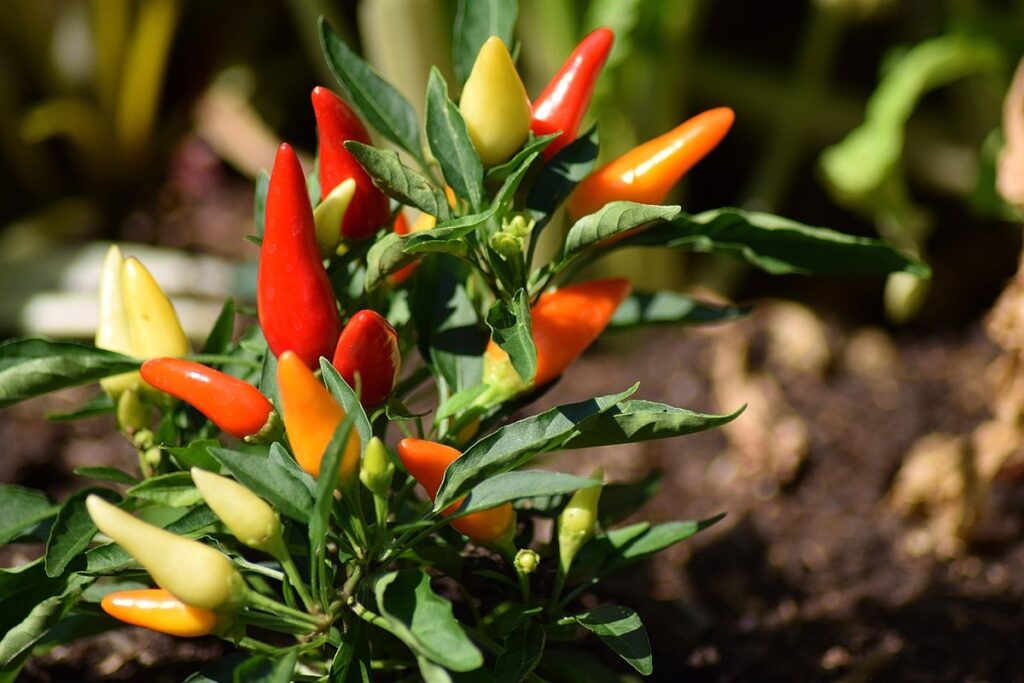
Choosing the Right Pepper Variety
When it comes to overwintering pepper plants indoors, selecting the right variety is crucial for success. Choose peppers that thrive in indoor conditions and are suitable for container growing.
Selecting Varieties Suitable for Indoor Growing
When selecting pepper varieties for indoor growing, there are several key factors to consider. First and foremost, disease resistance is crucial when it comes to overwintering pepper plants indoors. Since indoor conditions can be more conducive to fungal growth and other diseases, choosing a variety with built-in resistance will save you a lot of stress and potentially costly treatments.
Another essential consideration is compact growth habits. Most peppers are bred for outdoor growing, which means they’ll grow quite tall if left unchecked. This can make them top-heavy and prone to falling over in the confined space of an indoor growing environment. Look for varieties specifically labeled as “compact” or “dwarf,” which will stay smaller and more manageable.
Consider also the specific climate you’re trying to replicate indoors. If your goal is to grow peppers year-round, choose a variety that’s well-suited to cooler temperatures (50-60°F) rather than one that thrives in warmer conditions. By carefully selecting pepper varieties with the right disease resistance, compact growth habits, and temperature tolerance, you’ll be well on your way to successful indoor overwintering.
Understanding the Difference Between Hot and Sweet Peppers
When selecting pepper plants to overwinter indoors, it’s essential to understand the differences between hot and sweet peppers. These two categories may seem similar, but they have distinct characteristics that impact their flavor profiles, heat levels, and ideal growing conditions.
Hot peppers, such as habaneros or ghost peppers, are known for their intense heat, which is measured in Scoville Heat Units (SHU). They require a slightly acidic soil pH and full sun to produce optimal results. Sweet peppers, on the other hand, have a milder flavor and zero to low SHU levels. They prefer well-draining soil with a slightly alkaline pH and partial shade.
To determine which type of pepper plant suits your needs, consider how you plan to use them in recipes. If you enjoy adding heat to your dishes, choose hot peppers like jalapeños or cayenne. For milder flavors, sweet bell peppers are an excellent choice. Regardless of the variety, make sure to provide pepper plants with at least six hours of direct sunlight per day and maintain a consistent temperature between 65°F to 75°F (18°C to 24°C) for optimal growth.
Preparing Pepper Plants for Winter
As you prepare your pepper plants for winter, it’s essential to focus on hardening them off and pruning them back to promote healthy growth indoors. This process will ensure a strong start for your overwintering peppers.
Harvesting and Cleaning Up the Garden
Now that your pepper plants have reached their full potential, it’s time to harvest them and clean up the garden. Harvesting peppers is a bit of an art, as you want to pick them at the right moment to ensure maximum flavor and texture. Generally, peppers are ready to be picked when they’re firm but still slightly yielding to pressure.
To harvest peppers, use scissors or pinch off the fruit from the plant using your thumb and index finger. For bell-type peppers, cut the stem with scissors about 1-2 inches above the main branch. For hot peppers, you can leave a bit more stem attached.
After harvesting, it’s time to clean up the garden. Remove any dead or dying plants, as well as weeds that may have sprouted up around your pepper plants. Dispose of these plant materials responsibly, either by composting them or bagging them for trash. This will help prevent pests and diseases from spreading to your overwintered plants. With your garden clean and tidy, you’re now ready to bring your pepper plants inside for a cozy winter’s rest.
Bringing in the Plants: When and How to Move Them Indoors
When you notice the first frost of winter approaching, it’s time to bring your pepper plants indoors. The ideal time to move them depends on your location and the plant’s maturity level. In most regions, this is around late October or early November, but check the weather forecast for specific guidelines.
Consider factors like temperature fluctuations and humidity levels when deciding when to move your peppers inside. If you live in an area prone to sudden cold snaps, bring your plants in as soon as possible. On the other hand, if your winters are generally mild, you might wait a bit longer.
To prepare your pepper plants for indoor life, start by hardening them off about two weeks before moving day. This involves gradually exposing them to outdoor conditions that mimic indoor environments, such as reduced sunlight and lower temperatures. By doing so, you’ll reduce shock and ensure a smoother transition indoors.
Creating a Suitable Indoor Environment
To successfully overwinter pepper plants indoors, it’s essential to create a suitable environment that mimics their natural outdoor conditions as closely as possible. This involves making some key adjustments to your home setup.
Lighting Requirements for Pepper Plants
Pepper plants require adequate lighting to thrive indoors during the winter months. Natural light sources can be sufficient if you have a south-facing window with direct sunlight for at least 4-6 hours a day. However, this may not always be feasible, especially during periods of limited daylight or in areas with overcast skies.
To supplement natural light, LED grow lights are an excellent option. They are energy-efficient, produce minimal heat, and come in various spectrums to cater to different plant needs. For pepper plants, look for LED grow lights with a balanced spectrum (400-700 nm) that promotes photosynthesis and fruiting.
When choosing LED grow lights, consider the size of your space and the number of pepper plants you have. A good rule of thumb is to provide 20-40 watts of light per square foot. For example, if you’re growing 2-3 pepper plants in a 4×4 feet area, aim for a 40-watt LED grow light. Place the lights 12-18 inches above the plants and adjust as needed to avoid burning or under-lighting your pepper plants.
Temperature Control: Maintaining Optimal Conditions for Pepper Growth
Maintaining optimal temperature conditions for pepper growth is crucial during the overwintering period. Ideally, peppers thrive in temperatures ranging from 65°F to 75°F (18°C to 24°C). To replicate this environment indoors, you’ll need to consider your heating and cooling systems.
Most homes are not naturally heated or cooled within this narrow temperature range. Therefore, it’s essential to use supplementary heating or cooling methods to maintain the ideal conditions. For instance, using a space heater can help warm up areas where peppers are growing, while a portable fan can circulate air to prevent overheating.
To further regulate temperatures, consider investing in a thermostat that allows you to set specific temperature ranges for different times of day. This way, you can program your heating or cooling system to maintain the optimal temperature during peak growth periods, typically between 10 am and 4 pm. By taking these steps, you’ll be able to provide your pepper plants with the ideal environment they need to survive and thrive throughout the winter months.
Soil and Fertilization Needs
When it comes to overwintering pepper plants indoors, providing them with the right soil and fertilizer is crucial for their continued health and productivity. Choosing the right mix and application schedule will support optimal growth.
Preparing the Potting Mix for Overwintering
When it comes to overwintering pepper plants indoors, using a well-draining potting mix is crucial for their survival. Pepper plants are sensitive to waterlogged soil, which can lead to root rot and other problems. To prepare the potting mix for overwintering, start by selecting a high-quality mix specifically designed for containers or seed starting.
As you repot your pepper plant into a larger container, inspect the existing potting mix for any signs of moisture retention or poor drainage. If necessary, replace it with a fresh batch of well-draining potting mix. You can also add a small amount of perlite or sand to improve drainage and prevent water from collecting in the soil.
A good rule of thumb is to use a potting mix that contains at least 20-30% organic matter, such as peat moss or compost. This will help retain moisture while allowing excess water to drain freely. By using a well-draining potting mix, you’ll be giving your pepper plant the best chance to thrive during its overwintering period and stay healthy until it’s time to transition back outdoors in the spring.
Fertilizing Pepper Plants During Winter Months
When fertilizing pepper plants during winter months, it’s essential to maintain their nutritional needs while avoiding over-fertilization. Indoor conditions can lead to a buildup of salts and nutrients in the soil, which may cause more harm than good.
Choose a balanced, water-soluble fertilizer (20-20-20) with micronutrients specifically formulated for indoor plants. You can also use a bloom booster or a high-phosphorus fertilizer during the dormant period to promote root development and plant resilience.
For optimal results, fertilize your pepper plants every 2-3 weeks at half the recommended strength. Monitor their response to adjust the frequency accordingly. Some signs of over-fertilization include yellowing leaves, curled tips, or stunted growth.
During the winter months (October to February), peppers require fewer nutrients due to reduced growth rates. Consider reducing fertilization to once a month or even skipping it altogether for some varieties. Keep an eye on your plants’ condition and adjust your fertilizing schedule as needed to ensure they stay healthy and thrive under indoor conditions.
Pest Control and Monitoring
When it comes to keeping your pepper plants healthy over winter, monitoring for pests is crucial to prevent infestations from taking hold. Regular checks will help you catch any unwanted visitors early on.
Common Pests Affecting Indoor Pepper Plants
When bringing pepper plants indoors for overwintering, it’s not uncommon to encounter common pests that thrive in indoor environments. Among these, spider mites, mealybugs, and aphids are the most frequent culprits.
Spider mites are tiny, spider-like creatures that feed on plant sap, causing yellowing or bronzing of leaves. They’re often found on the undersides of leaves and can be difficult to spot without a magnifying glass. To manage spider mite infestations, isolate your pepper plants, increase humidity by placing them on a tray with pebbles and water, and use neem oil sprays.
Mealybugs are small, white, cottony-looking pests that secrete a sticky substance called honeydew, which attracts ants and promotes mold growth. They can be found on stems, leaves, or soil surfaces. To control mealybug infestations, gently wipe down affected areas with a cotton swab dipped in neem oil, and isolate your plants to prevent re-infestation.
Aphids are small, soft-bodied insects that feed on plant sap, causing curled or distorted leaves. They can reproduce quickly, especially in warm temperatures. To manage aphid infestations, use neem oil sprays, introduce beneficial insects like ladybugs or lacewings, and keep your plants well-watered but not overwatered.
Regular monitoring is key to preventing pest infestations, so inspect your pepper plants regularly for signs of pests, such as white powdery patches (mealybugs), sticky substance (aphids or mealybugs), or fine webbing (spider mites).
Monitoring Plant Health: Signs of Stress or Disease
As you care for your overwintered pepper plants indoors, it’s essential to monitor their health closely. Regular checks can help prevent issues and address them before they become severe. Start by inspecting the plants daily, looking for signs of stress or disease.
Some common indicators of distress include yellowing leaves, droopy stems, or a decline in fruit production. These symptoms can be caused by factors such as inadequate lighting, watering, or fertilization. To identify the issue, check the plant’s environment and adjust its care accordingly. For example, if you notice the leaves are turning yellow due to overwatering, repot the pepper plant in well-draining soil and reduce watering frequency.
Other signs of disease may include powdery mildew, root rot, or pests like spider mites or mealybugs. To prevent these issues, maintain good air circulation around the plants, keep the area clean, and inspect them regularly for signs of infestation. If you notice any problems, treat the affected areas promptly to prevent further damage.
Troubleshooting Common Issues
If you encounter problems while overwintering your pepper plants indoors, don’t worry – we’ve got solutions for common issues that can arise during this process. Let’s troubleshoot together!
Addressing Pests and Diseases in Overwintering Pepper Plants
As you care for your overwintering pepper plants indoors, it’s essential to be vigilant about potential pests and diseases that can compromise their health. Common issues include spider mites, mealybugs, and aphids, which thrive in warm, humid environments.
To manage these pests, inspect your plants regularly and quarantine any affected areas. For severe infestations, treat with insecticidal soap or neem oil according to the product’s instructions. For example, if you notice a fine webbing on the plant’s leaves, it may be a sign of spider mites. Gently spray the affected area with insecticidal soap and follow up with a thorough rinse.
Diseases like root rot and leaf spot can also occur in overwintering pepper plants. Prevent these issues by ensuring good air circulation around your plants, maintaining optimal temperatures between 60-70°F (15-21°C), and providing adequate humidity levels through misting or using a humidifier. Regularly inspect your plant’s roots for signs of rot and treat promptly if necessary.
Monitor your plants’ overall health, and take action at the first sign of trouble to prevent these issues from escalating.
Solving Lighting and Temperature-Related Issues
When growing pepper plants indoors during winter, you may encounter issues related to lighting and temperature. To ensure your peppers thrive, it’s essential to address these problems promptly.
One common issue is inadequate light, which can lead to weak or spindly growth. If your pepper plant is not receiving sufficient natural light, consider using grow lights. Fluorescent or LED grow lights are excellent options as they provide a full spectrum of light and are energy-efficient. For example, you can place a T5 fluorescent light 6-8 inches above the plants to supplement natural light.
Temperature fluctuations can also impact pepper growth. Most pepper varieties require daytime temperatures between 65-75°F (18-24°C) and nighttime temperatures around 55-65°F (13-18°C). Avoid placing your pepper plant near heating vents or radiators, as this can cause temperature fluctuations. If you live in a colder climate, consider using a space heater to maintain a consistent temperature.
Keep an eye on the temperature by investing in a thermometer. Monitor the humidity levels too, as peppers prefer well-ventilated areas with moderate humidity (40-60%). By addressing these lighting and temperature-related issues, you’ll be able to provide your pepper plant with the optimal conditions for healthy growth during winter.
Frequently Asked Questions
How can I ensure my pepper plants are getting enough light indoors?
To guarantee sufficient lighting for your overwintered pepper plants, place them near a south-facing window or use grow lights specifically designed for indoor gardening. Aim to provide 12-14 hours of direct light per day, and supplement with additional lighting if necessary. This will help maintain optimal photosynthesis and promote healthy growth.
Can I still fertilize my pepper plants during the winter months?
Yes, it’s essential to continue fertilizing your pepper plants during the winter months to support their continued growth and development. Use a balanced, water-soluble fertilizer (20-20-20) at half the recommended strength, as pepper plants tend to require less nutrients in cooler conditions.
What are some common pests I should be aware of when overwintering pepper plants indoors?
Common indoor pests that can affect pepper plants include spider mites, mealybugs, and aphids. Regularly inspect your plants for signs of infestation, such as white powdery patches or sticky honeydew residue. Use neem oil or insecticidal soap to treat any pest issues promptly.
How often should I water my overwintered pepper plants indoors?
Watering frequency will depend on the specific environment and potting mix you’re using. As a general rule, allow the top 1-2 inches of soil to dry out between waterings, but avoid letting the plants become too dry or waterlogged.
Can I use any type of potting mix for overwintering pepper plants indoors?
No, not all potting mixes are created equal when it comes to indoor gardening. Opt for a well-draining, sterile potting mix specifically designed for container growing. Avoid using garden soil from your outdoor garden, as it can compact and prevent proper drainage in containers.