
As a pepper plant enthusiast, you’re probably aware that these delicious crops are usually seasonal. But did you know that you can extend their life beyond the usual frosty winter months? Overwintering pepper plants is an art that requires some planning and care, but with the right techniques, you can enjoy your favorite peppers year-round.
In this comprehensive guide, we’ll cover everything you need to know about hardiness zones and how they impact overwintering pepper plants. We’ll also dive into plant preparation, discussing the best ways to prune, water, and fertilize your pepper plants for long-term success. Whether you’re a seasoned gardener or just starting out, this guide will walk you through the strategies you need to overwinter your pepper crop successfully, even in areas with harsh winters.
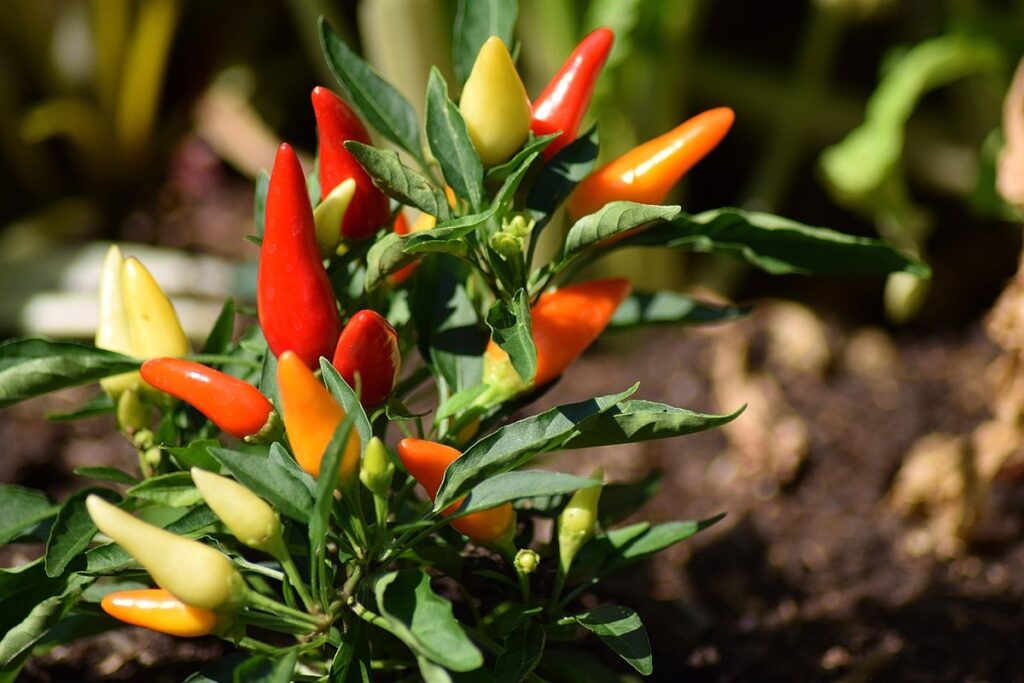
Understanding the Challenges of Overwintering Pepper Plants
When it comes to overwintering pepper plants, one of the biggest hurdles you’ll face is knowing how to protect your crop from freezing temperatures and potential damage. We’ll explore these challenges in depth.
The Importance of Hardiness and Temperature Tolerance
When it comes to overwintering pepper plants, understanding their hardiness and temperature tolerance is crucial for success. Pepper plant hardiness zones refer to the ability of a specific variety to withstand cold temperatures without sustaining damage or death. Most pepper varieties are sensitive to frost, with temperatures below 50°F (10°C) causing significant damage.
If you’re looking to overwinter your pepper plants, it’s essential to choose varieties that are bred for their hardiness and tolerance. Some of the most cold-hardy pepper varieties include ‘Corno di Torre’, ‘Bell Boy’, and ‘Purple Haze’. These varieties can withstand temperatures as low as 25°F (-4°C) without sustaining significant damage.
When selecting a variety, keep in mind that even the hardiest peppers will eventually succumb to prolonged exposure to cold temperatures. To give your pepper plants the best chance of survival, provide them with protection from wind and frost using row covers or bringing potted plants under cover. Regular monitoring of temperature fluctuations is also essential for optimal overwintering success.
Assessing the Specific Needs of Your Pepper Plant
When deciding whether to overwinter a pepper plant, there are several factors to consider. First and foremost, think about the age of the plant. A mature pepper plant typically reaches its maximum size within 6-8 months, after which it may start to decline in production. If your plant is nearing this stage, it might be best to let it complete its natural life cycle before overwintering.
On the other hand, if you’re looking to harvest peppers continuously throughout the year, a younger plant with a smaller size can be ideal for overwintering. This way, you’ll have a steady supply of new growth and fruit production. Consider your desired outcome: do you want to focus on seed production or maintain a continuous harvest? For instance, if you’re looking to save seeds from specific varieties, it’s best to allow the plant to mature and produce flowers.
Ultimately, assessing your pepper plant’s health is also crucial when making this decision. A healthy plant with no signs of disease or pests can easily be coaxed into surviving the winter months. However, a weak or stressed plant may struggle to adapt to the changing environment, leading to potential losses.
Identifying Signs of Stress and Potential Risks
As you overwinter your pepper plants, it’s essential to monitor their condition closely. Some signs of stress may indicate that your plants need more protection during the winter months. One common indication is yellowing leaves, which can be a sign that your plant is struggling to adapt to reduced light and cooler temperatures. Droopy stems are another warning sign, as they can be a result of nutrient deficiencies or inadequate support.
Reduced growth rates are also a cause for concern. If you notice that your pepper plants are not producing new growth or are growing at a slower rate than usual, it may be due to the lack of light or insufficient warmth. These signs don’t necessarily mean your plants will perish, but they do require attention and adjustments.
To address these issues, make sure to provide adequate protection for your plants, such as bringing them indoors or using row covers. Regularly inspect your plants for any damage or pest infestations, and adjust their care routine accordingly. By being proactive and monitoring their condition closely, you can prevent more severe problems from arising and ensure the health and productivity of your pepper plants throughout the winter months.
Preparing Your Pepper Plant for Winter
To ensure a healthy and thriving pepper plant next spring, it’s essential to properly prepare your plant for winter by following these critical steps. Let’s get started on that process now.
Bringing Plants Indoors: Selection and Setup
When bringing your pepper plants indoors for overwintering, selecting the right location and setup is crucial for their continued health and productivity. As you prepare a spot for your plants, consider the following factors to ensure they thrive.
Choose a location with bright, indirect light. A south-facing window or a spot near a skylight works well. Avoid direct sunlight, which can cause leaf scorch and stress the plant. East- or west-facing windows are ideal alternatives.
Select a pot size that allows for good air circulation around the roots. A slightly larger pot than the one your pepper plant is currently in will provide room for growth without becoming too wet. Consider using self-watering containers or pots with built-in water reservoirs to reduce watering frequency and prevent overwatering.
When selecting a container, opt for materials that allow for good drainage and won’t retain heat, such as terra cotta or ceramic. Avoid small pots, as they can dry out quickly and lead to root rot.
Creating an Optimal Environment: Lighting, Temperature, and Humidity
When it comes to overwintering pepper plants, creating an optimal environment is crucial for their survival. Adequate lighting is essential, as pepper plants typically require at least 4-6 hours of direct sunlight per day. If you’re bringing your plant indoors, place it near a sunny window or use grow lights to supplement the natural light.
Temperature control is also vital – keep your pepper plant in an area with temperatures above 40°F (4°C). This will help prevent damage from cold snaps and ensure your plant stays healthy throughout the winter. Avoid placing your plant near heating vents, fireplaces, or drafty windows, as these can cause temperature fluctuations that may harm your plant.
Finally, humidity levels should be adjusted to mimic outdoor conditions. Most pepper plants thrive in a humid environment, with ideal levels ranging from 40-60% relative humidity. You can increase the humidity around your plant by placing it on a tray filled with water and pebbles or using a humidifier nearby. By replicating these natural conditions, you’ll create an optimal environment for your pepper plant to thrive during the winter months.
Protecting Your Pepper Plant from Extreme Weather
Severe weather can be just as detrimental to pepper plants as cold temperatures, so it’s essential to know how to shield your crop from extreme conditions like heavy rain and intense sunlight.
Mulching and Covering for Frost Protection
As we approach the colder months, it’s essential to protect your pepper plants from frost damage. Mulching and covering are effective methods to shield your plants from harsh winter conditions. Apply a 2-3 inch layer of organic mulch around the base of your pepper plants. You can use materials like straw, bark chips, or shredded leaves, as they will help retain moisture and regulate soil temperature.
Row covers are another excellent option for frost protection. These lightweight fabrics allow light and air to reach your plants while keeping frost out. Choose a breathable row cover material with at least 50% shade rating to ensure adequate sunlight penetration. Apply the cover over the plant when temperatures drop below freezing, securing it with weights or soil pins to prevent wind damage.
Remember to remove any mulch or row covers once daytime temperatures consistently rise above 40°F (4°C). This allows your plants to breathe and promotes healthy growth during the warmer months. By implementing these simple measures, you’ll be able to safeguard your pepper plants from frost damage and enjoy a bountiful harvest come springtime.
Windbreaks and Support Structures
Wind protection is crucial for pepper plants during winter, as harsh winds can cause damage to stems and reduce yields. Without adequate windbreaks, pepper plants may become disfigured, broken, or even uprooted, especially if they’re not hardened off properly before the first frost.
To create a windbreak, consider using burlap or snow fencing around your pepper plant. You can also use row covers to protect against strong gusts and keep the plant upright. For added support, place stakes or tomato cages near the base of the plant, securing them gently with twine or wire.
In areas prone to heavy snowfall, create a windbreak using evergreen branches or straw bales around the pepper plant. This will not only shield against harsh winds but also insulate the soil from freezing temperatures. By taking these simple precautions, you can ensure your pepper plant remains stable and secure throughout the winter months, reducing the risk of damage and promoting healthy growth when spring arrives.
Overwintering Seed Production: Strategies and Considerations
To successfully overwinter pepper plants, you’ll need a solid strategy for producing high-quality seeds that will thrive when replanted come spring. Let’s explore some key considerations to keep in mind.
Encouraging Fruiting and Flowering
When overwintered pepper plants finally emerge from their dormancy, it’s essential to encourage them to produce fruit and flowers as soon as possible. This can be challenging, especially if the plants have been subjected to prolonged periods of cold temperatures.
To promote fruiting and flowering, start by providing your overwintered pepper plants with sufficient light. Move them to a bright location or supplement their natural light with grow lights. Aim for at least 12 hours of light per day, as this will help stimulate flowering.
Next, ensure that your plants are receiving the right amount of water and nutrients. Fruiting and flowering require a lot of energy, so make sure your pepper plants have access to plenty of water and a balanced fertilizer. You can also try pruning your plants to encourage branching and promote fruiting.
Pollination is another critical factor to consider when encouraging fruiting and flowering in overwintered pepper plants. As peppers are self-pollinating, they don’t require external pollinators like bees. However, you can still encourage pollination by gently vibrating the plant or using a small brush to transfer pollen from one flower to another.
By following these tips, you should be able to successfully promote fruiting and flowering in your overwintered pepper plants, ensuring a bountiful harvest come springtime.
Managing Disease and Pests During Winter Storage
When storing overwintered pepper plants, it’s essential to prevent disease outbreaks and pest infestations that can decimate your crop. To minimize the risk of diseases like powdery mildew, root rot, and leaf spot, ensure good air circulation around each plant by leaving enough space between them. You can also use row covers or fine-mesh screens to prevent fungal spores from spreading.
To keep pests at bay, inspect your plants regularly for signs of infestation, such as holes in leaves or stems, eggshells, or actual insects. Use neem oil or insecticidal soap to control aphids, whiteflies, and spider mites. For more severe pest issues, consider introducing beneficial insects like ladybugs or lacewings.
Maintain a clean storage environment by disposing of any dead or diseased plant material. Keep the area free from debris and weeds, which can harbor pests and diseases. By taking these precautions, you’ll be able to enjoy healthy pepper plants come springtime, even after months of storage.
Overwintering Pepper Plants: Tips for Long-Term Success
To ensure your pepper plants thrive all year round, learn how to successfully overwinter them indoors, and discover essential tips for long-term success.
Monitoring Plant Health and Adjusting Care Strategies
Regular monitoring of plant health is crucial when overwintering pepper plants. Check on them every week or two to look for signs of stress, disease, or pests. Inspect the leaves and stems for discoloration, yellowing, or black spots, which can be indicative of nutrient deficiencies or fungal infections. Gently touch the leaves to check for any soft spots or wrinkles.
Keep an eye out for pests like spider mites, mealybugs, or aphids, which can infest pepper plants over winter. If you notice any issues, address them promptly by pruning infected areas, spraying with insecticidal soap, or introducing beneficial insects.
Adjust your care strategies as needed based on the plant’s response to its environment. For example, if the temperature drops suddenly, bring the plants under cover or increase their water intake to compensate for the changed conditions. By staying vigilant and making adjustments accordingly, you can prevent problems from escalating into full-blown crises and enjoy a healthy harvest come springtime.
Remember that every pepper plant is different, so be prepared to tailor your care routine to its unique needs and preferences. With regular monitoring and prompt action, you’ll be well on your way to successfully overwintering your pepper plants.
Extending the Harvest Season with Succession Planting
As we’ve discussed the importance of overwintering pepper plants, let’s talk about extending their harvest season through succession planting. This technique allows you to enjoy a continuous supply of fresh peppers throughout the growing season.
Succession planting involves spacing out your plantings so that one batch is maturing while another is still in the early stages of growth. For example, if you typically get two or three harvests from a single planting, try staggering those plantings by 2-3 weeks. This way, as soon as one set of plants starts to produce, you’ll have new seedlings coming along behind them.
To plan for succession planting, start by making a rough calendar of your growing season. Decide on the specific dates when you want to begin and end each round of plantings. Consider factors like weather patterns, soil temperature, and daylight hours when choosing the optimal times for planting. By spreading out your harvests in this way, you can enjoy a steady supply of fresh peppers from May through October.
Conclusion: Optimizing Your Overwintering Experience
Now that you’ve successfully overwintered your pepper plants, let’s review what you’ve learned and how to optimize your experience for a successful harvest next season.
Recap of Key Takeaways and Best Practices
When it comes to overwintering pepper plants, there are several key takeaways and best practices to keep in mind. Firstly, make sure to choose a suitable location for your overwintered plants, providing protection from harsh winds, extreme temperatures, and potential pests.
Consider the specific needs of your pepper plant variety, as some may require more light or care than others during this period. Regularly inspect your plants for signs of disease or damage, taking prompt action if necessary to prevent further issues.
To maintain optimal growth, ensure your overwintered peppers receive adequate water and nutrients. You can also consider pruning or repotting to promote healthy development. By following these guidelines and staying vigilant, you’ll be well on your way to successfully overwintering your pepper plants and enjoying a bountiful harvest come springtime.
Some essential techniques include hardening off your plants gradually, as sudden exposure to cold temperatures can cause shock. Additionally, monitor temperature fluctuations and bring your plants inside during extreme cold snaps or prolonged periods of frost. By implementing these best practices, you’ll be able to protect your pepper crop and reap the rewards of overwintering with confidence.
Encouragement to Experiment and Adapt Strategies
As you embark on overwintering pepper plants, remember that no two gardens are identical. Climate, plant variety, and specific needs will influence the success of your efforts. Don’t be discouraged if initial attempts don’t yield the desired results – overwintering is an art that requires patience, flexibility, and experimentation.
Don’t be afraid to try different approaches. For instance, if you’re struggling with pepper plants that are sensitive to cold temperatures, consider using row covers or cold frames to create a warmer microclimate. Alternatively, explore varieties bred specifically for colder climates or those with built-in resistance to frost.
Keep detailed records of your experiments and note what works best for your specific conditions. This will help refine your strategies for future seasons. Adaptation is key – be prepared to adjust your methods based on the unique challenges you face each winter. By embracing experimentation and flexibility, you’ll not only develop effective overwintering techniques but also contribute to a better understanding of pepper plant resilience in your region.
Frequently Asked Questions
Can I Overwinter Pepper Plants Indoors if My Home Has Limited Natural Light?
Overwintering pepper plants indoors requires a lot of artificial light to compensate for the lack of natural light. You can use LED grow lights or HPS (High Pressure Sodium) lamps, but make sure they provide at least 18 hours of supplemental lighting per day. This will help your pepper plant maintain its growth and productivity.
How Often Should I Water My Overwintered Pepper Plant During Winter?
Watering overwintered pepper plants is a delicate balance between keeping them hydrated and preventing root rot. As a general rule, water your pepper plant when the top 1-2 inches of soil feels dry to the touch. You may need to adjust this frequency based on your home’s temperature and humidity levels.
Can I Use Regular Mulch for Frost Protection, or Do I Need Something Special?
While regular mulch can help retain moisture and suppress weeds, it might not be enough to protect your pepper plant from frost damage. For overwintering purposes, use a breathable, organic mulch like straw or bark chips that will allow water to escape while retaining heat.
How Can I Prevent Overwintered Pepper Plants From Becoming Leggy?
To prevent legginess in overwintered pepper plants, prune them regularly to encourage bushy growth. Pinch off the tips of stems when they reach 6-8 inches tall, and trim back any leggy branches by about one-third to promote branching.
Can I Overwinter Pepper Plants in Containers if They’re Not Root-Bound?
Yes, you can overwinter pepper plants in containers even if they’re not root-bound. However, make sure the container has good drainage holes to prevent waterlogged soil. Also, ensure the pot is large enough to accommodate the plant’s mature size and provide sufficient support for its stem.