
If you’re anything like me, there’s nothing quite like biting into a fresh, homegrown onion in the middle of winter. But let’s be real – not all onions are created equal when it comes to withstanding the harsh conditions of a cold winter. That’s where overwintering onions come in – allowing you to grow and harvest onions during the off-season, and enjoy them year-round.
In this comprehensive guide, we’ll walk you through the process of successfully overwintering onions, from selecting the right varieties for your climate and needs, to storing them properly to prevent spoilage. We’ll also cover some common issues that can arise, such as pests and diseases, and provide troubleshooting tips to get you back on track. Whether you’re a seasoned gardener or just starting out, this guide has everything you need to know to grow delicious overwintering onions.
Choosing the Right Onion Variety
When it comes to overwintering onions, selecting the right variety is crucial for a successful harvest. With so many options available, let’s break down what to consider when making your choice.
Understanding Onion Types
When it comes to overwintering onions, understanding the different types is crucial for success. There are several varieties suitable for overwintering, each with its unique characteristics and uses. Storage onions, also known as maincrop onions, are one of the most common types used for overwintering. These onions store well, keeping their flavor and texture through the winter months.
Multiplier onions, on the other hand, are bred specifically for dividing and replanting, making them a great choice for those who want to propagate new onions in the spring. Exhibition onions, also known as show onions, are grown for their unique characteristics, such as size, shape, or color, and are often used for competitions.
When selecting an onion variety for overwintering, consider factors like disease resistance, storage longevity, and growth habits. Some popular varieties for overwintering include ‘Sturon’, ‘Snowtop’, and ‘Hyte’. These onions have been bred to withstand harsh winter conditions and can be harvested in late spring or early summer.
Factors to Consider When Selecting a Variety
When selecting an onion variety for overwintering, there are several key factors to consider. The first and most important factor is climate. Not all onion varieties can withstand frost and cold temperatures, so you’ll need to choose a variety that’s specifically bred for winter production.
Soil type is another crucial consideration. Onions prefer well-draining soil with a pH between 6.0 and 7.0. If your soil is heavy clay or prone to waterlogging, look for varieties that are more tolerant of these conditions.
The desired harvest period is also an important factor. Do you want to harvest your onions in the spring, after the winter dormancy period, or do you prefer a longer storage life? Some onion varieties mature faster than others and can be harvested as soon as the tops begin to yellow.
When selecting a variety, look for keywords like “overwintering”, “winter hardy”, or “cold tolerant”. This will give you an idea of whether the variety is suitable for your climate and growing conditions.
Preparing Onions for Winter Storage
To get started, you’ll need to properly prepare your onions for winter storage by drying and curing them to prevent mold and rot. This step is crucial for a healthy overwintering onion crop.
Harvesting at the Right Time
When it comes to overwintering onions, harvesting them at the right time is crucial for their quality and longevity during storage. Typically, onions are ready for harvest around 6-8 months after planting, when the tops begin to yellow and fall over. This signals that the bulb has reached maturity and is ready for lifting.
Check for readiness by gently digging around the base of the plant with a fork, being careful not to damage the bulb. If the neck (the stem end) is about 1 inch in diameter and the scales are tightly closed, it’s likely time to harvest. Avoid pulling on the tops, as this can cause the neck to break off below the surface.
To minimize damage during harvest, loosen the soil around the onion with a fork before lifting it out. This will help prevent any of the smaller bulbs from breaking away. Gently brush off any excess soil and trim the tops to about an inch above the bulb. This helps reduce moisture loss and prevents mold from forming. With careful harvesting and proper storage, your overwintering onions should remain healthy and usable throughout the winter months.
Curing and Drying
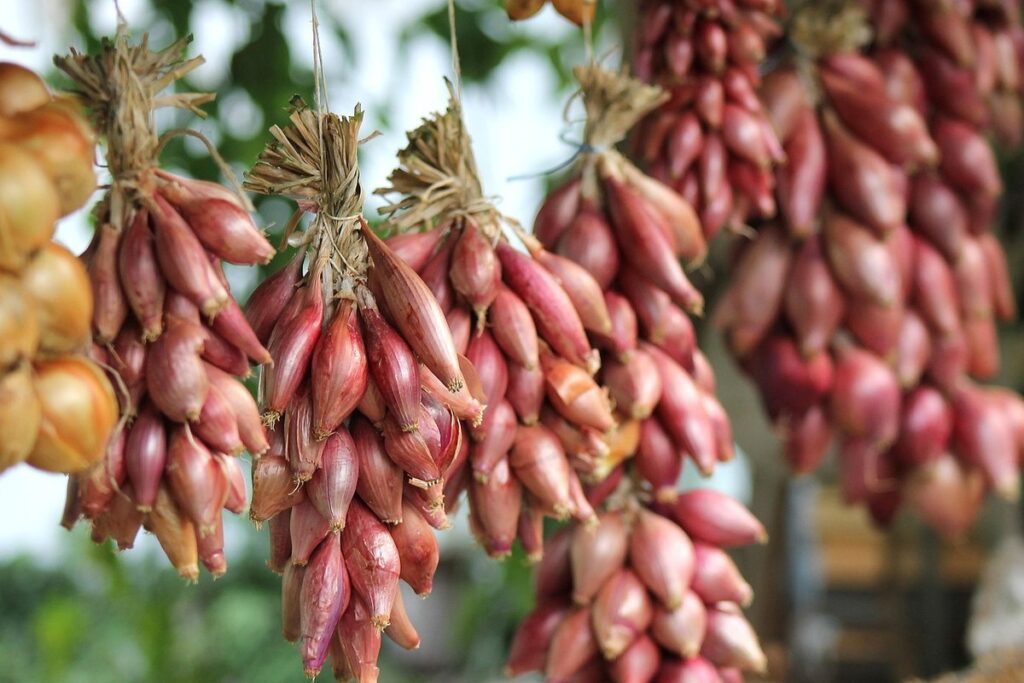
Curing onions involves slowing down their moisture loss to prevent spoilage and disease. To cure onions, tie them in small bundles and hang them upside down in a warm, dry location with good air circulation. Ensure the temperature is between 60-70°F (15-21°C) during this process. This allows excess moisture to evaporate, helping to prevent mold and rot.
Monitor the onions regularly for any signs of mold or rot. If you notice any issues, remove the affected bulbs immediately to prevent the problem from spreading. After curing, it’s essential to dry the onions further to reduce their moisture content. You can do this by laying them out in a single layer on paper bags or cardboard boxes.
Maintain good air circulation around the drying area to speed up the process. It may take 1-2 weeks for the onions to reach a suitable level of dryness, depending on the humidity and temperature. Check their moisture content by gently slicing into one; if it’s still too moist, continue the drying process until you achieve the desired level of dryness.
Storage Methods and Conditions
Now that you’ve harvested your overwintered onions, it’s essential to store them properly to keep them fresh for as long as possible. We’ll cover the best storage methods and conditions in this section.
Cool, Dark Places
When storing onions in a cool, dark place, it’s essential to maintain optimal conditions to prolong their shelf life. Aim for temperatures between 32°F (0°C) and 40°F (4°C), as this range slows down the sprouting process. Keep the humidity level between 60% and 70%, as high humidity can lead to mold growth.
For container options, choose a breathable material such as mesh bags or paper bags to allow for airflow while preventing moisture from entering. Avoid plastic containers, as they can trap moisture and cause onions to rot quickly. You can also store onions in a dry cardboard box with airholes punched into it, ensuring good ventilation.
Some gardeners swear by storing onions in a cool basement or root cellar, where the temperature remains steady throughout the year. If you don’t have access to such a space, a garage or an unheated room will do, as long as they remain dark and cool. Remember to check on your stored onions regularly, removing any that show signs of spoilage to prevent it from affecting the rest.
Using Root Cellars and Basements
Root cellars and basements can provide an ideal environment for overwintering onions, especially if you live in areas with harsh winters. One of the key benefits is temperature control: by storing onions in a cool, dark place, you can slow down their metabolic processes and prevent them from sprouting prematurely. A basement or root cellar typically maintains a consistent temperature between 32°F to 40°F (0°C to 4°C), which is ideal for long-term storage.
Humidity management is also crucial when storing onions in a root cellar or basement. These spaces tend to be naturally humid, but you can regulate the moisture levels by covering the onions with breathable materials like burlap or paper bags. This helps prevent drying out and keeps the onions fresh for longer. As for pest protection, basements and root cellars often have lower humidity levels than above-ground storage areas, making it less appealing to pests that thrive in humid conditions. To further deter pests, consider storing onions in mesh bags or containers with tight-fitting lids.
When using a basement or root cellar for overwintering onions, make sure to store them away from direct sunlight and heat sources. Also, keep the space clean and dry to prevent mold and mildew growth. By providing your onions with these optimal conditions, you can enjoy a bountiful harvest come springtime.
Overwintering Techniques
Now that you’ve learned how to prepare your onions for overwintering, it’s time to dive into some practical techniques to help them thrive through the cold winter months. We’ll cover strategies for mulching and protecting from pests.
Mulching and Covering
Protecting your onion crop from harsh winter weather is crucial to its survival. Mulching and covering are two effective techniques for safeguarding onions during this period. Mulch helps regulate soil temperature, retains moisture, and suppresses weeds that could compete with your onions for resources.
You can use organic materials like straw, bark chips, or leaves as mulch. Apply a 2-3 inch layer of mulch around the base of each plant, making sure to leave enough space for air circulation. As the mulch breaks down, it will also add nutrients to the soil.
Covering your onions with row covers or straw can provide additional protection against extreme temperatures and wind. Row covers allow light and water to reach the plants while keeping frost at bay. Simply drape them over the bed, securing them with rocks or soil. Alternatively, spread a 2-3 inch layer of straw on top of the mulch for added insulation.
By combining these techniques, you can create a microclimate that promotes healthy onion growth and minimizes winter damage. Regularly monitor your crop’s condition and adjust your protection strategy as needed to ensure a bountiful harvest come spring.
Bringing Onions Indoors
When the winter months arrive and the outdoor growing season comes to an end, many gardeners consider bringing their overwintered onions indoors. This technique allows you to extend the harvest season and keep your onions healthy until the next year’s crop is ready.
However, there are some challenges to overcome when it comes to bringing onions indoors. Space constraints can be a major issue, as onions require a certain amount of room to grow and spread out. A south-facing windowsill or under-grow lights can provide the necessary space, but this may not be feasible for everyone.
Another consideration is light requirements. Onions need plenty of bright light to photosynthesize and stay healthy, so if you’re planning to bring them indoors, make sure they receive at least 4-6 hours of direct sunlight per day. Pest control can also become a problem when onions are brought inside, as indoor environments can be more susceptible to pests like spider mites and mealybugs.
To mitigate these issues, consider using containers or planters that allow for good air circulation, which can help prevent pest buildup. You should also inspect your onions regularly for signs of infestation. With proper care and attention, however, you can successfully bring your overwintered onions indoors and enjoy a longer harvest season.
Common Issues and Solutions
Some common challenges arise when overwintering onions, including pest infestations, bulb rot, and poor growth. We’ll address these issues and provide practical solutions to help you succeed.
Pest and Disease Management
As an overwintering onion grower, it’s essential to be aware of common pests and diseases that can affect your crop. Rodents are a significant threat, particularly mice and voles, which can chew through the necks of onions, causing damage and spoilage. To prevent rodent infestations, consider using repellents or deterrents like hot pepper spray, predator urine, or physical barriers to seal off vulnerable areas.
Slugs and snails are also a problem in many regions, feeding on onion leaves and bulbs at night. Hand-picking is an effective method for controlling slug populations, but copper tape can be used to deter them from crossing over into the garden. Regularly inspect your crop and remove any affected plants to prevent the spread of disease.
Fungal infections like downy mildew and botrytis can also impact overwintered onions. Good air circulation, regular watering, and avoiding overhead irrigation can help prevent fungal diseases. If you do notice signs of infection, use fungicides or copper-based products to control the spread.
Troubleshooting Storage Problems
When storing overwintered onions, it’s not uncommon to encounter issues such as mold, rot, or uneven curing. These problems can be a nuisance, but they’re often preventable with proper storage techniques and attention to detail.
First, inspect your stored onions regularly for signs of moisture. Check for a soft, slimy texture or visible mold growth – these are clear indicators that the onions need better ventilation. To address this issue, make sure the storage area is well-ventilated, with good air circulation around each onion. You can also use a desiccant or silica gel packets to absorb excess moisture.
If you’ve noticed uneven curing, it may be due to inconsistent drying times or inadequate space between onions. To fix this, store your onions in a single layer, allowing for at least 1-2 inches of space between each bulb. This will prevent them from pressing against one another and promote even drying.
In cases where rot has set in, carefully remove affected onions to prevent the issue from spreading. Consider replanting these bulbs in the spring if they’re still viable.
Tips for a Successful Overwintering Season
To ensure a successful overwintering season, you’ll want to focus on hardiness, soil quality, and protection from harsh weather conditions that can damage your onion crop. Proper planning is key to a healthy harvest come spring.
Record-Keeping and Planning
As you embark on the journey of overwintering onions, record-keeping and planning are crucial components to ensure success. A well-planned approach will help you track climate conditions, soil quality, and variety performance, ultimately leading to a bountiful harvest.
Start by keeping a detailed log of your onion crop’s progress throughout the growing season. Record weather patterns, temperature fluctuations, and any notable events such as frosts or rain showers. This information will aid in identifying potential issues and making informed decisions for future overwintering seasons.
Monitor soil quality by testing its pH levels and nutrient content. This data will help you adjust your fertilization schedule to optimize onion growth. Consider tracking the performance of different onion varieties, noting their strengths and weaknesses, and make note of any standout performers.
By maintaining a record-keeping system, you’ll be able to pinpoint areas for improvement and refine your overwintering techniques with each passing season. For example, if you notice that your onions are consistently being affected by extreme cold snaps, you can take steps to implement additional protection measures, such as mulching or covering the beds.
Experimentation and Adaptation
Experimentation and adaptation are crucial components of a successful overwintering season. As you gain experience, don’t be afraid to try new techniques and adjust your methods accordingly. For instance, you may find that storing onions at a slightly cooler temperature (around 32°F) helps preserve their quality better than the recommended 40°F.
Keep in mind that pests can still be present even with proper storage conditions. Regularly inspect your onions for signs of mold, mites, or other infestations. If you notice any issues, consider implementing additional measures such as using diatomaceous earth or insecticidal soap to control pest populations.
Variety performance is also essential to monitor. Some onion varieties are better suited for overwintering than others. Keep track of which types perform well in your climate and adjust your plantings accordingly. By being open to experimentation and adaptation, you can refine your overwintering techniques and achieve the best results possible.
Frequently Asked Questions
Can I overwinter onions indoors if my home is not climate-controlled?
Yes, you can bring onions indoors to protect them from harsh winter conditions. However, ensure your home maintains a consistent temperature between 32°F and 40°F (0°C and 4°C) to prevent the bulbs from sprouting or rotting.
How do I know when it’s time to harvest overwintering onions?
Check for dry necks, where the tops of the onion plants turn brown and dry. This indicates that the onion is mature and ready for harvesting. Use a fork to carefully dig around the onion, being careful not to damage the bulb.
Can I store overwintered onions in a regular refrigerator?
While possible, storing overwintered onions in a regular refrigerator may cause moisture buildup, leading to rot or sprouting. Instead, use a root cellar or a cool, dark place with consistent temperatures and humidity levels around 60-70%.
How often should I check on my stored onions for pests or diseases?
Regularly inspect your stored onions every 1-2 weeks, looking for signs of pests (e.g., mites, aphids) or diseases (e.g., mold, rot). If you notice any issues, address them promptly to prevent the problem from spreading.
Can I use mulch to protect overwintering onions from extreme temperatures?
Yes, using a thick layer of organic mulch (at least 6-8 inches deep) can help regulate soil temperature and retain moisture. This can be especially beneficial if you’re storing onions in an exposed area or in a location with fluctuating temperatures.