
If you’re like many gardeners, you’ve fallen in love with the vibrant blooms and low-maintenance care of geraniums. But as winter approaches, you might be wondering what to do with these tender perennials that can’t tolerate frost. Overwintering geraniums successfully requires some planning and TLC, but don’t worry – we’ve got you covered! With a few simple steps, you can bring your geraniums through the cold months and enjoy their stunning blooms again next spring. In this article, we’ll walk you through the process of preparing your geraniums for winter, bringing them indoors, and maintaining their health throughout the chilly months ahead. By the end of this guide, you’ll be a pro at overwintering geraniums and enjoying these beautiful plants all year round!
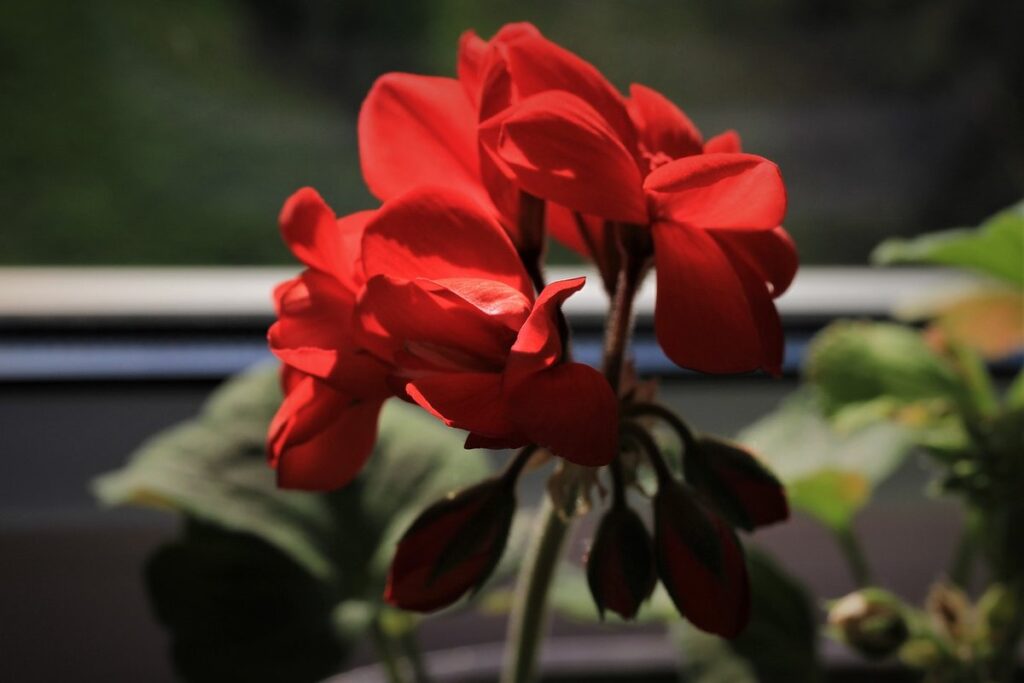
Understanding Geraniums and Winter Care
To successfully overwinter geraniums, it’s essential to understand their specific needs and vulnerabilities during the cold winter months. This section will help you prepare your geraniums for a long, cozy slumber.
What Are Geraniums?
Geraniums are one of the most popular and versatile flowering plants among gardeners. They belong to the Geraniaceae family and consist of over 422 species, making them a diverse group. These beautiful flowers come in various shapes, sizes, and colors, ranging from delicate pastel shades to vibrant reds and purples.
One of the key characteristics of geraniums is their hardiness. While some types are tender perennials that require protection during winter, others are more resilient and can thrive in frosty conditions. For example, Geranium sanguineum, also known as the bloody cranesbill, is a hardy perennial that can tolerate temperatures as low as -20°C (–4°F). On the other hand, some species like the popular Zonal geranium require protection from frost.
In terms of types, geraniums are often categorized into three main groups: annuals, perennials, and ivy-leaf geraniums. Annual geraniums, like the Martha Washington series, complete their life cycle within a year and need to be replanted every spring. Perennial geraniums, as mentioned earlier, can come back year after year with proper care. Ivy-leaf geraniums are known for their trailing habit and can thrive in containers or hanging baskets.
Understanding the different types of geraniums is crucial when it comes to overwintering them. Knowing whether your plant is a tender perennial that needs protection or a hardy species that can withstand frost will help you decide on the best approach for successful overwintering.
Preparing Geraniums for Winter
As winter approaches, it’s essential to give your geraniums the TLC they need to survive the cold months. Pre-winter care is crucial in ensuring that your plants come back healthy and vibrant in the spring.
Start by pruning your geraniums to prevent them from becoming leggy and promoting new growth. Cut back any dead or damaged stems, and trim back overgrown sections to maintain a balanced shape. This will also help reduce water loss and prevent frost damage. Remove any weak or spindly growth to encourage bushy development.
Cleaning the plants is another critical step in preparing them for winter. Dust off any debris, dirt, or pests that may have accumulated on the leaves or stems. A gentle spray of water can work wonders in keeping your geraniums looking their best.
To protect your geraniums from frost damage, bring potted plants indoors or move them to a protected area, such as a garage or greenhouse. If you’re unable to bring them inside, cover the pots with a breathable cloth or sheet to shield them from harsh winds and frost. Keep in mind that overwintering geraniums outdoors can be challenging, so it’s often best to err on the side of caution.
Monitor your plants closely for any signs of stress or damage, and take prompt action if you notice any issues. With proper care, your geraniums should thrive during the winter months and come back strong in the spring.
Factors Affecting Overwintering Success
When it comes to overwintering geraniums, several key factors can impact their ability to survive the cold winter months. Climate is one of the most significant determinants of a geranium’s success. In areas with harsh winters and prolonged periods of freezing temperatures, geraniums may not thrive even in protected environments. However, if you live in zones 8-10, where winters are milder, you can enjoy overwintering your geraniums outside or indoors.
Soil quality is another crucial factor to consider. Well-draining soil with a pH between 6.0 and 7.0 will help your geraniums stay healthy during the winter months. Poor soil conditions can lead to root rot and other issues that may compromise the plant’s survival chances.
Lastly, the overall health of your geranium before the onset of winter plays a vital role in its ability to overwinter successfully. Healthy plants with robust roots and strong growth are more likely to withstand the rigors of winter. Regular pruning, fertilization, and pest management can go a long way in ensuring your geraniums enter dormancy in optimal condition.
Bringing Geraniums Indoors for Winter
As winter approaches, you can bring your geranium plants indoors and enjoy their beauty year-round by following a few simple steps to transition them from outdoors to indoor containers.
Preparing Containers for Indoor Storage
Before bringing your geraniums indoors for winter, it’s essential to prepare their containers to prevent the spread of diseases and pests. Start by cleaning the pots thoroughly with a mild detergent and warm water to remove any debris or dirt accumulated during the outdoor season. Next, disinfect the containers using a solution of one part bleach to nine parts water. This will help eliminate any potential fungal or bacterial spores that may be present.
If your geraniums have outgrown their current containers, now is a great time to repot them into larger ones with fresh potting mix. Choose a well-draining potting mix specifically designed for indoor plants, and gently remove the plant from its original container, taking care not to damage the roots. Trim back any dead or damaged roots before placing the plant in its new home.
After repotting, inspect your geraniums carefully for any signs of pests or diseases, such as white powdery mildew or aphids, and take action promptly if you notice any issues.
Creating a Suitable Environment
When bringing geraniums indoors for winter, it’s essential to create an environment that replicates their natural growing conditions as closely as possible. Start by placing them in a bright and airy location, but avoid direct sunlight, which can cause the leaves to become scorched. East- or west-facing windows are ideal, providing gentle light throughout the day.
Maintain a temperature between 40°F (4°C) and 60°F (15°C), as this will help prevent the plant from becoming too leggy or developing root rot. Humidity is also crucial; aim for a relative humidity of 50-60% by placing the pot on a tray filled with water and pebbles or using a humidifier nearby.
To promote healthy growth, ensure your geranium receives at least four hours of indirect light per day. You can supplement natural light with grow lights if necessary. Monitor the plant’s response to its new environment, adjusting conditions as needed to prevent pests or diseases from taking hold. By providing the right combination of temperature, humidity, and light, you’ll set your geranium up for success during its winter dormancy period.
Minimizing Stress During Transition
When bringing geraniums indoors for winter, it’s essential to minimize transplant shock and reduce stress on the plant. One of the primary reasons plants experience transplant shock is due to a sudden change in environment, such as moving from a sunny outdoor spot to an indoor area with limited natural light.
To mitigate this effect, acclimate your geraniums gradually before bringing them indoors. Start by moving the pots to a shaded or partially shaded area outdoors for 7-10 days. This allows the plant to adjust to reduced sunlight and prevents scorching of leaves when it’s brought inside.
Upon transferring the geraniums to an indoor location, ensure they receive adequate lighting. East- or west-facing windows are ideal for geraniums, as they provide gentle, indirect light. Avoid placing plants near south-facing windows, which can cause leaf scorch and stress. Monitor your plant’s response to its new environment and adjust its care accordingly.
By following these steps, you’ll help minimize transplant shock and give your geranium a better chance of thriving during the winter months.
Overwintering Methods: A Comparison
Now that you know why and how to overwinter geraniums, let’s dive into a comparison of popular overwintering methods, including their pros and cons.
Bringing Geraniums Indoors as Houseplants
Bringing geraniums indoors as houseplants can be an excellent way to overwinter them. However, it’s essential to consider the space constraints and care requirements that come with this method.
Space is a significant concern when bringing large geranium plants indoors. They need sufficient room to accommodate their sprawling habit and may require pruning or staking to maintain a neat appearance. In addition, make sure you have enough natural light in your home to support the plant’s growth. East- or west-facing windows are ideal for geraniums, as they receive gentle, indirect sunlight.
To thrive indoors, geraniums need slightly different care compared to their outdoor counterparts. Keep them in a spot with temperatures between 60°F and 70°F (15°C and 21°C), maintaining high humidity levels through regular watering or misting. Reduce fertilization, as the plant is dormant during this period. With proper care, your geraniums will continue to bloom indoors, providing a pop of color during the winter months.
Keep in mind that bringing geraniums inside may not be feasible for everyone, especially those living in small apartments or with limited space. In such cases, consider alternative overwintering methods, like potting them up and moving them outdoors when the weather warms up again.
Propagating Cuttings for Winter
Propagating cuttings is an excellent way to overwinter geraniums, allowing you to enjoy these beautiful flowers year after year. To propagate cuttings for winter use, timing is crucial. In most regions, it’s best to take cuttings in late summer or early fall, about 6-8 weeks before the first frost. This allows the new plants to establish themselves before the cold weather sets in.
To take a cutting, choose a healthy stem with at least two nodes (the joints where leaves meet the stem). Cut just above a node using a sharp, clean tool, and remove lower leaves leaving only two or three sets of leaves at the top. Dip the cut end into rooting hormone powder or liquid to enhance root development.
Some common challenges when propagating geranium cuttings include overwatering, which can lead to root rot, and under-watering, which can cause the cutting to dry out. To avoid these issues, make sure to water sparingly and provide bright, indirect light. With proper care, you should see roots develop within 2-3 weeks, allowing you to pot up your new geraniums for winter enjoyment.
Overwintering in a Cold Frame or Greenhouse
If you have access to a cold frame or greenhouse, overwintering geraniums in these controlled environments can be an ideal solution. These structures provide protection from harsh winter conditions, allowing your plants to thrive year-round.
When choosing between a cold frame and greenhouse, consider the level of temperature control and light exposure required by your geraniums. A cold frame, typically unheated and with limited glazing, will maintain temperatures slightly above freezing but may not provide sufficient light for continuous growth. In contrast, greenhouses can offer more precise temperature control, making them suitable for year-round cultivation.
To overwinter geraniums in a cold frame or greenhouse, ensure the space is well-ventilated to prevent fungal diseases and excessive moisture buildup. Also, prune your plants in late fall to promote healthy regrowth during the dormant period. With proper care, these structures can provide a safe haven for your geraniums, allowing them to survive the winter months and flourish come springtime.
In terms of specific considerations, be aware that cold frames and greenhouses require regular maintenance, including cleaning, monitoring, and occasional repairs. Additionally, ensure you comply with local regulations regarding greenhouse usage and environmental impact.
By providing a protected environment, these structures can significantly enhance your geraniums’ chances of survival during the winter months. However, it’s essential to weigh the costs and benefits against other overwintering methods, such as indoor containers or outdoor mulching beds, before making a decision.
Monitoring and Maintaining Geraniums During Winter
Now that you’ve learned how to prepare your geraniums for winter, let’s discuss the next crucial step: keeping them healthy during the cold months. This involves regular monitoring and maintenance tasks.
Checking Plant Health Regularly
Checking plant health regularly is crucial to prevent the spread of diseases and pests that can quickly devastate overwintering geraniums. A thorough inspection should be performed at least once a week during the winter months, looking for signs of nutrient deficiencies, such as yellowing leaves or stunted growth.
Inspect your plants closely for any signs of pests like mealybugs, spider mites, or scale insects, which can thrive in cooler temperatures. Check for webbing on stems and leaves, or small white eggs on the underside of leaves. If you notice any issues, treat the affected areas promptly to prevent infestations from spreading.
Regular fertilization is also essential to maintain healthy plant growth during winter. A balanced fertilizer applied monthly will provide your geraniums with the necessary nutrients to produce new growth and promote root development. Watering should be done carefully to avoid overwatering, which can lead to root rot and other problems.
Monitor your plants’ response to these care routines, adjusting as needed to ensure optimal health and vigor. By staying vigilant and proactive, you’ll be able to prevent problems before they become severe, giving your geraniums the best chance of thriving through winter and bouncing back in the spring.
Adjusting Care Based on Climate and Conditions
When it comes to overwintering geraniums, climate and environmental conditions play a significant role in determining the right care approach. If you live in an area with mild winters, you can continue to treat your geraniums as you would during spring and summer. However, if you experience harsh temperatures, extreme fluctuations, or dry air, adjustments are necessary to ensure their survival.
In regions with frost, move your potted geraniums to a protected location such as a garage or sunroom. Avoid exposing them directly to freezing temperatures, as this can cause irreparable damage. In areas prone to high winds, consider using windbreaks or moving the plants to a more sheltered spot.
Monitor temperature fluctuations closely, as sudden drops in temperature can shock the plant. Aim to maintain a consistent temperature between 40°F and 50°F (4°C-10°C). In warmer climates, ensure adequate ventilation to prevent root rot and other issues associated with high humidity.
Keep an eye on your geraniums’ responses to environmental changes, adjusting care accordingly. With attention to climate-specific needs, you can successfully overwinter your geraniums and enjoy their vibrant blooms come springtime.
Encouraging Root Growth and Healthy Development
To encourage root growth and healthy development during winter, it’s essential to provide your geraniums with the right conditions. One key aspect is fertilization. Although geraniums don’t require as much fertilizer during winter, a balanced, water-soluble fertilizer at half the recommended strength will promote root health.
Another crucial factor is pruning. Cut back your geraniums by about one-third to one-half to maintain their shape and encourage new growth. Remove any dead or damaged leaves and stems to prevent the spread of disease and encourage healthy development. Prune in late winter, just before new growth begins.
Monitor your plants’ moisture levels closely, as overwatering can lead to root rot. Water sparingly during winter, allowing the soil to dry slightly between waterings. Keep your geraniums in a bright, cool location with temperatures between 40°F and 50°F (4°C and 10°C). With proper care, your geraniums should thrive, producing new growth and flowers come springtime.
Common Challenges and Solutions for Overwintering Geraniums
When it comes to overwintering geraniums, you may encounter some common challenges that can be easily overcome. In this next part of our guide, we’ll address those potential hurdles.
Dealing with Pests and Diseases
When overwintering geraniums indoors, they can be susceptible to pests and diseases that thrive in indoor conditions. Common pests that can infest your overwintered geraniums include mealybugs, spider mites, and aphids. These tiny creatures feed on the sap of the plant, causing damage and weakening its defenses.
Diseases such as root rot, leaf spot, and powdery mildew can also affect your overwintering geraniums. Root rot is often caused by overwatering, while leaf spot and powdery mildew are typically fungal infections that spread through water droplets on the leaves.
To control pests, inspect your plants regularly for signs of infestation and treat promptly with insecticidal soap or neem oil. For diseases, ensure good air circulation and reduce watering to prevent moisture buildup. Remove any affected areas of the plant to prevent further spread. Keep in mind that prevention is key – maintain a clean growing environment, disinfect tools, and repot your geraniums every 6-12 months to minimize the risk of pest and disease issues.
Managing Nutrient Deficiencies
As you work to overwinter your geraniums, it’s essential to monitor their nutrient levels closely. Nutrient deficiencies can lead to weakened plants and reduced chances of survival during the dormant period.
Some common signs of nutrient deficiencies in geraniums include:
* Yellowing leaves due to iron deficiency
* Pale or washed-out colors on flowers and foliage indicating a lack of magnesium or nitrogen
* Distorted or stunted growth resulting from a boron deficiency
To identify nutrient deficiencies, inspect your plants regularly for these symptoms. You can also have your soil tested by a reputable laboratory to determine its pH level and nutrient content.
For correction, use fertilizers specifically formulated for indoor plants or repot your geraniums with fresh potting mix that’s rich in organic matter like peat moss or compost. If you suspect a particular nutrient deficiency, apply a product containing the necessary element at a recommended rate. For example, iron-rich products can help address yellowing leaves, while boron supplements can support healthy growth and flowering.
Reviving Dormant Plants
If you notice that your overwintered geranium is struggling to recover from dormancy, don’t worry – it’s not uncommon for these plants to take time to revive. One of the main reasons a dormant geranium may be reluctant to perk up is due to inadequate light. Make sure it’s receiving at least 4-6 hours of direct sunlight each day; if this isn’t feasible, consider moving it to a brighter location or supplementing with grow lights.
Another factor contributing to sluggish growth could be root-bound conditions. Overwintered plants often benefit from repotting into fresh potting mix and a slightly larger container, which encourages new root development. Be cautious not to damage the roots during this process.
If your geranium’s leaves are discolored or wilted, inspect its watering schedule – it may require more frequent hydration. Adjust its care routine as necessary, ensuring the soil remains consistently moist but not waterlogged.
Frequently Asked Questions
Can I overwinter geraniums if they’ve already started to produce flowers?
Yes, you can still bring your geraniums indoors for winter even if they’ve begun producing flowers. However, it’s essential to carefully trim back the blooms to about one-third of their height to prevent them from going to seed and conserve energy for the plant during its dormant period.
How do I handle pests or diseases on my overwintered geraniums?
Overwintering can be a stressful time for plants, making them more susceptible to pests and diseases. Regularly inspect your plants for signs of infestation or infection, such as white powdery patches or sticky honeydew droplets. Isolate infected plants, treat with organic pest control methods whenever possible, and adjust your care routine to prevent future issues.
What’s the best way to maintain humidity levels around my indoor geraniums?
Maintaining optimal humidity levels is crucial for overwintered geraniums. To combat dry air, place the pot on a tray filled with water and pebbles or use a humidifier nearby. You can also group plants together to create a microclimate, as long as they have sufficient air circulation.
Can I propagate cuttings from my overwintered geraniums?
Yes, you can propagate cuttings from your overwintered geraniums during the dormant period (usually in late winter or early spring). Take 3-4 inch stem cuttings with at least two nodes and plant them in a well-draining mix. Keep the soil consistently moist but not waterlogged until roots develop.
How often should I repot my overwintered geraniums after bringing them indoors?
It’s generally recommended to repot your overwintered geraniums every 6-12 months, or when their potting mix becomes depleted of nutrients. Use a high-quality, well-draining potting mix and gently prune the roots before transferring to a slightly larger container.