
As a dahlia enthusiast, you know how rewarding it is to grow these stunning flowers. But did you know that proper care is crucial for their survival during the harsh winter months? Overwintering dahlia tubers requires some expertise, but don’t worry – we’ve got you covered. In this article, we’ll guide you through the process of selecting varieties suitable for overwintering, as well as storing and replanting your dahlias in the spring. We’ll also share expert tips on how to care for your dahlia tubers throughout the winter months, ensuring they come back strong and healthy next season. By following our advice, you’ll be able to enjoy your beautiful dahlias year after year, and we’re excited to help you get started with overwintering these gorgeous flowers successfully.
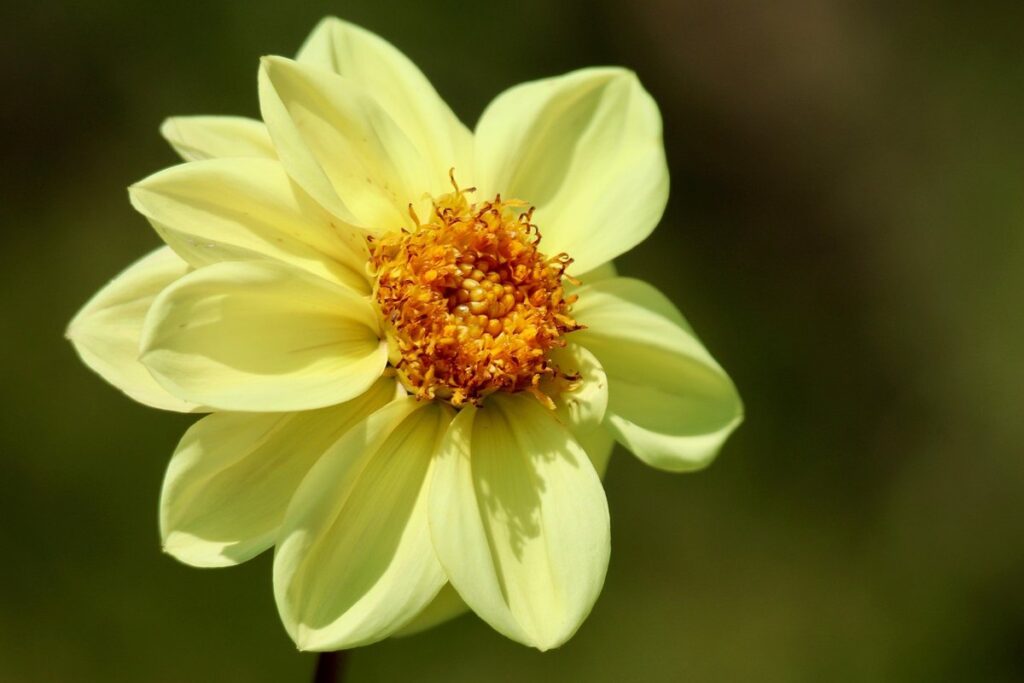
Choosing the Right Variety for Winter Care
When choosing dahlias for winter care, it’s essential to select varieties that are specifically bred for tuberous perennials and can withstand frost and freezing temperatures. This section will guide you through selecting the right dahlia varieties for successful overwintering.
Understanding Dahlia Types and Their Hardiness Levels
When it comes to overwintering dahlia tubers, understanding the different types and their hardiness levels is crucial for success. There are 42 registered dahlia species, with thousands of hybrids available worldwide. These varieties can be broadly categorized into three main groups: Decorative, Cactus, Semi-Cactus, Ball, Pompon, Prezioso, Fimbriated, and Waterlily dahlias.
Decorative dahlias tend to be the most popular for their large, showy blooms, but they often have lower hardiness levels (USDA zones 8-11). In contrast, Cactus and Semi-Cactus varieties are more compact, with smaller flowers, and can tolerate colder temperatures (USDA zones 4-9). Ball and Pompon dahlias produce smaller blooms on short stems and are also relatively cold-hardy (USDA zones 5-10).
When choosing dahlia tubers for overwintering, focus on varieties within the Cactus, Semi-Cactus, and Decorative categories. These tend to be more forgiving of winter conditions. Some popular hardy options include ‘Kelvin Floodlight’, ‘Bishop of Llandaff’, and ‘Honore Giffon’. Keep in mind that even with hardier varieties, a cold frame or other protection is still recommended for optimal results.
Selecting Dahlias with Good Winter Storage Potential
When selecting dahlias for overwintering, look for varieties that exhibit characteristics that make them more suitable for winter storage. Compact growth habits are a significant advantage as they produce fewer tubers, which are easier to store and less prone to rot. Large-flowering dahlias often have larger tubers, but these can be challenging to dry completely, increasing the risk of rot during storage.
Choose varieties with smaller tubers, typically around 5-10cm in diameter, as these tend to fare better over winter. Some popular dahlia varieties known for their compact growth and smaller tuber size include ‘Bishop of Llandaff’, ‘Kelvin Floodlight’, and ‘Honore Gervais’. These dahlias not only produce beautiful blooms but also demonstrate the desirable traits for successful overwintering.
When selecting your dahlias, also consider the variety’s natural growth habit. Some dahlias naturally produce more compact stems that are better suited for storage.
Preparing Dahlias for Winter Storage
Before storing your dahlia tubers, it’s essential to properly prepare them for a long winter’s nap by cleaning and drying the tuberous roots thoroughly. Let’s get started on this crucial step.
Cutting Back Dahlia Stems and Foliage
As you prepare dahlias for winter storage, it’s essential to properly cut back dahlia stems and foliage after the first frost. This process helps prevent rot and disease, allowing the tubers to stay healthy throughout the winter months.
Cutting back the stems is a crucial step in preparing your dahlias for storage. Remove any dead or damaged flowers, leaving only the strongest blooms intact. Cut the stems back to about 3-4 inches from the ground, making clean cuts just above a node (where a leaf meets the stem). This will help direct the plant’s energy towards storing nutrients in the tubers.
Next, focus on cutting back the foliage. Remove any remaining leaves, leaving only a few inches of stem and leaves at the base of the plant. This will help prevent moisture from accumulating and causing rot. Be sure to cut just above a node, as this will help promote healthy growth come springtime.
By following these simple steps, you’ll be able to properly prepare your dahlias for winter storage, ensuring they remain healthy and strong come spring.
Digging and Cleaning the Tubers
Digging up dahlia tubers can be a bit of a challenge, but it’s essential to get them clean and healthy before storing for winter. Start by carefully digging around the base of the plants, making sure not to damage the tubers. Use a fork to gently loosen the soil, working your way around the plant in a circular motion.
Once you’ve exposed the tubers, use your hands or a soft-bristled brush to gently scrub off any excess soil. This will help you inspect each tuber for any signs of disease or damage. Remove any dead or damaged tissue with sterile scissors or a clean knife, taking care not to spread any potential infections.
Next, rinse each tuber under running water to remove any remaining debris. Allow them to air-dry slightly before placing them in their storage container. This will help prevent moisture from accumulating and causing rot during the winter months.
Storing Dahlias in a Cool, Dark Place
Once you’ve dug up your dahlias’ tubers, it’s essential to store them in a cool, dark place to prevent rot and decay. This section will guide you through the process of selecting an ideal storage location.
Choosing the Right Storage Location
When storing dahlias for the winter, it’s essential to choose a location that replicates their natural dormant period. Ideally, you’ll want a space with consistent temperatures between 35°F and 45°F (2°C and 7°C). Avoid placing tubers near heating vents, radiators, or drafty windows, as these can cause temperature fluctuations.
Humidity is also crucial; a location with moderate humidity levels will prevent the tubers from drying out. You can cover them with a breathable material like burlap or a damp cloth to maintain a humid environment. Direct sunlight should be avoided altogether, as it can cause the tubers to sprout prematurely. Instead, opt for a dark spot, such as a basement or unheated garage.
Consider the location’s proximity to moisture sources; ideally, you want it at least 10 feet away from any water pipes or nearby plumbing. This will prevent accidental watering or flooding that could damage your stored tubers.
Using Containers or Pots for Winter Storage
Using containers or pots is an excellent way to store dahlia tubers over winter. When choosing containers, look for ones made from breathable materials like terracotta, wood, or plastic mesh bags. These allow for airflow and moisture exchange, which helps prevent rot and disease.
For a single dahlia plant, use a container that’s at least 6-8 inches deep and 12-15 inches wide. This size will give the tubers enough space to spread out and receive adequate air circulation. If you have multiple plants, you can use larger containers or even wooden crates with separate compartments.
Before placing the tubers in their winter storage containers, make sure they’re dry and lightly covered with a thin layer of potting mix or compost. This will help retain moisture and prevent desiccation during the cold months. Water the container just enough to keep it from drying out completely – you want the soil to remain moist but not waterlogged.
Some gardeners also swear by using plastic bags specifically designed for storing potatoes, which can work perfectly for dahlias as well. Simply place each tuber in its own bag, fold the top over, and store them in a cool, dark place.
Monitoring and Caring for Stored Dahlias
Now that you’ve harvested your dahlias, it’s time to think about how to care for their tubers during storage. Proper monitoring and maintenance will help ensure a healthy harvest next year.
Checking for Rot or Mold
As you begin to store your dahlia tubers for overwintering, it’s essential to regularly inspect them for signs of rot or mold. This can happen when the tubers become too moist or are exposed to poor air circulation. Check on your stored tubers every 4-6 weeks, looking for any visible changes.
Some common signs of rot include a soft, mushy texture, a sour smell, and black or brown patches on the skin. Mold, on the other hand, often appears as a white, green, or black fuzzy growth. If you notice any of these issues, remove the affected tuber from storage immediately and treat it with a fungicide specifically designed for root rot.
To prevent these problems from occurring in the first place, make sure to dry your dahlia tubers thoroughly before storing them. Store them in a breathable container or bag, allowing air to circulate around each tuber. You can also consider using a desiccant packet to maintain a dry environment.
Replanting in Spring: Timing and Techniques
As spring approaches and the threat of frost subsides, it’s time to replant your dahlia tubers. The timing of this process is crucial, as dahlias are sensitive to extreme temperatures and require a period of cool weather to establish themselves before producing new growth.
Typically, you can start replanting dahlias around late April or early May in temperate climates, when the soil has warmed up to at least 55°F (13°C). Before planting, prepare the soil by loosening it to a depth of about 8-10 inches and mixing in some organic matter like compost. This will help improve drainage and fertility.
When replanting, make sure to handle the tubers gently, as they can be prone to damage. Plant them with the “eyes” (small buds on the crown) facing upwards, and cover them with a layer of soil that’s about 2-3 times deeper than the height of the tuber. Water well and keep the area consistently moist during the first few weeks after replanting. By following these steps, you’ll be able to successfully re-establish your dahlia tubers and get your plants back on track for another blooming season.
Tips and Tricks for Successful Overwintering
To ensure a successful overwintering experience, here are some expert tips and tricks to help you care for your dahlia tubers through the cold winter months. Follow these simple steps to keep them happy!
Avoiding Common Mistakes When Storing Dahlias
When storing dahlia tubers for overwintering, it’s easy to make mistakes that can lead to rot, mold, and ultimately, the death of the tuber. One common mistake is not allowing the tubers to dry out completely before storage. This can cause them to rot quickly in the humid environment of a cool garage or shed.
Another mistake is storing the tubers in an area with fluctuating temperatures. Dahlias prefer a consistent temperature between 40-50°F (4-10°C) during the overwintering period, and sudden changes can shock the tuber, leading to damage. Be sure to store them in a location with stable temperatures.
Additionally, avoid storing dahlia tubers in plastic bags or containers that don’t breathe. This can cause moisture buildup and lead to rot. Instead, use paper bags or breathable containers specifically designed for overwintering bulbs.
To avoid these mistakes, make sure to dry your dahlias thoroughly before storage, store them in a stable temperature environment, and use the right type of container to prevent moisture buildup.
Encouraging Healthy Growth in Spring
As spring arrives and the threat of frost subsides, it’s time to coax your overwintered dahlia tubers back to life. Encouraging healthy growth from stored tubers requires a gentle yet intentional approach. Start by gradually increasing water and sunlight exposure over the course of 1-2 weeks.
Once new growth emerges, provide your dahlias with a balanced fertilizer (10-10-10 NPK) according to the manufacturer’s instructions. This will give them a boost as they transition from dormancy into active growth. Avoid over-fertilizing, as this can lead to weak and leggy stems.
Pruning is another essential step in promoting healthy growth. Remove any damaged or dead tissue from last season’s stems, making clean cuts just above an eye (a small bud on the stem). This will help redirect energy towards new growth rather than supporting weak areas. Prune your dahlias back by about one-third to encourage bushy growth and prevent them from becoming leggy.
Timing is also crucial when it comes to pruning. For best results, do this in late March or early April, just as new growth begins to emerge.
Frequently Asked Questions
What is the ideal temperature for storing dahlias over winter?
The ideal storage temperature for dahlias is between 40°F (4°C) to 50°F (10°C). This cooler temperature will help slow down tuber growth and prevent rot. Avoid placing your stored dahlias near heating vents, radiators, or fireplaces.
How do I check if my dahlias have been damaged during storage?
Carefully inspect the tubers for signs of damage such as soft spots, mold, or cracking. Gently rub off any excess soil to examine the tuber surface. If you find any damage, it’s best to discard the affected tuber and plant a new one in the spring.
Can I store dahlias with other bulbs or plants?
It’s generally not recommended to mix dahlia tubers with other types of bulbs or plants during storage. Each type of bulb or root has its own specific storage requirements, and storing them together can lead to rot and disease. Keep your dahlias separate from other stored plant material.
How long does it take for dahlias to recover after winter storage?
Dahlias typically take 4-6 weeks to produce new growth and show signs of life after winter storage. During this time, make sure to provide them with adequate moisture, light, and warmth. Avoid fertilizing your dahlias until they have produced at least two sets of leaves.
What are some common mistakes to avoid when overwintering dahlias?
Some common mistakes include: storing dahlias in direct sunlight, exposing tubers to extreme temperatures, neglecting to dry the tubers thoroughly before storage, and failing to inspect stored dahlias regularly for signs of damage. By avoiding these mistakes, you can ensure successful overwintering of your dahlias.