
Are you tired of watching your beautiful dahlia blooms fade away with the first frost? Overwintering dahlias in the UK can be a challenge, but with the right techniques and care, you can keep these stunning flowers coming back year after year. Not all dahlia varieties are created equal when it comes to overwintering, so choosing the right variety is essential for success. In this article, we’ll guide you through the process of selecting the perfect dahlias for your climate, storing them safely during winter, and rejuvenating them in the spring for a new season of vibrant blooms. From storage conditions to post-winter care and regrowth, we’ve got expert tips on how to ensure healthy tubers and a bountiful harvest of dahlia flowers come springtime.
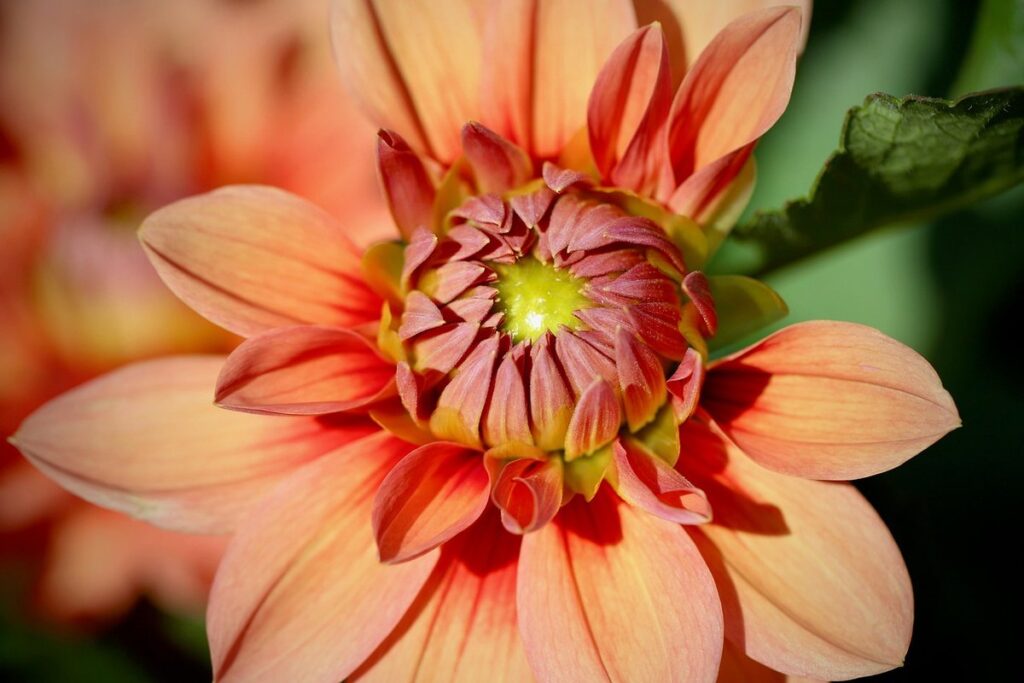
Choosing the Right Variety
When it comes to overwintering dahlias, selecting the right variety is crucial for a successful outcome. Some types are naturally more resilient than others when facing UK winters.
Selecting Dahlias Suitable for Winter Storage
When selecting dahlias for overwintering in the UK climate, it’s essential to choose varieties that are specifically bred for cold temperatures and can withstand the harsh winter conditions. Look for dahlia tubers that are labeled as ‘hardy’ or ‘overwintering’, as these have been developed to thrive in colder climates.
Check the Royal Horticultural Society (RHS) database, which provides a list of recommended overwintering dahlias suitable for the UK. Some popular hardy varieties include ‘Cafe au Lait’, ‘Kelvin Floodlight’, and ‘Honka’. These varieties are not only hardy but also produce exceptional blooms.
When selecting dahlias, consider their growth habits as well. Compact or dwarf varieties tend to be more manageable and less likely to cause damage during storage. Avoid choosing large, sprawling varieties that may require more maintenance and care during the winter months.
It’s also crucial to consider the UK climate when making your selection. If you live in a particularly harsh region, opt for dahlias with a high level of cold tolerance. Always check the specific growing conditions recommended by the breeder or supplier to ensure the variety you choose will thrive in your area.
Factors Affecting Dahlia Storage Success
When storing dahlias for winter, several key factors can impact their ability to survive the storage period. Hardiness is one crucial aspect to consider. Dahlias come in a range of hardiness levels, from soft and tender to robust and resilient. If you live in an area with very cold winters or harsh weather conditions, it’s essential to choose dahlia varieties that are bred for high hardiness.
Another critical factor affecting storage success is tuber size. Larger tubers generally have more stored energy reserves, making them better equipped to withstand the rigors of winter storage. Smaller tubers, on the other hand, may not store as well and might be more prone to rot or damage during the storage period.
When selecting dahlias for overwintering, look for varieties that are specifically bred for hardiness in your region. This will help minimize the risk of tuber loss due to harsh weather conditions.
Preparing Dahlias for Winter
Now that you’ve harvested and dried your dahlia tubers, it’s time to prepare them for a cozy winter rest. This is where we’ll guide you through the process of preparing your dahlias for overwintering in the UK.
Cutting Back and Cleaning the Tubers
Cutting back and cleaning the tubers is an essential step to prepare dahlias for winter. After flowering has finished, it’s time to give your dahlia plants a bit of TLC. Start by cutting back the stems to about 2-3 inches from the ground. This will help prevent any remaining foliage from becoming diseased over winter.
Next, carefully dig up the tubers, making sure not to damage them in the process. Gently brush off any excess soil and wash the tubers with lukewarm water to remove any debris or dirt that may have accumulated during the growing season. Use a soft-bristled brush to gently scrub away any stubborn bits of soil.
Allow the cleaned tubers to air dry for a day or two, then store them in a breathable bag or container filled with peat moss or vermiculite. This will help maintain humidity and prevent drying out during storage. By following these simple steps, you’ll be able to keep your dahlias healthy and ready to thrive come springtime.
Dormancy Induction: The Key to Successful Storage
Inducing dormancy is a crucial step when preparing dahlias for winter storage. When dahlias are exposed to cold temperatures and reduced daylight hours, they naturally go into a dormant state, which helps them conserve energy and survive the harsh winter conditions. This process prepares the tubers for the following growing season, allowing them to produce healthy blooms.
To achieve dormancy, it’s essential to stop watering your dahlia plants about six weeks before the first frost. This will cause the plant to dry out slightly, signaling the beginning of the dormant period. You can also cut back the foliage to within a few inches from the ground to help the tubers focus their energy on storage rather than growth.
During this time, ensure good air circulation around the plants to prevent moisture buildup and potential rot. It’s also vital to keep the area free from weeds, which can compete with your dahlia tubers for water and nutrients. By inducing dormancy correctly, you’ll be giving your dahlias the best chance of survival and a thriving return in the spring.
Storing Dahlias Over Winter
Now that you’ve harvested your beautiful dahlia tubers, it’s time to think about storing them safely over winter to ensure they thrive come springtime. This section covers essential tips for successful storage.
Cool, Dark, and Dry: Creating Ideal Storage Conditions
Creating ideal storage conditions for dahlias is crucial to their survival over winter. To achieve this, you’ll need to control both temperature and humidity levels. Aim for a dark location with temperatures between 1-5°C (34-41°F), as this will slow down growth and help prevent rot. Avoid placing your dahlias near heating vents or radiators, which can dry out the tubers.
To maintain optimal humidity, store the pots in a breathable bag or wrap them in hessian cloth. This will allow for airflow while keeping the tubers moist. If you’re storing dahlias in a shed or garage, ensure good ventilation to prevent moisture buildup.
For long-term storage, it’s essential to keep the tubers dry. Allow them to air-dry completely before placing them in storage. This will help prevent rot and fungal diseases from taking hold. Monitor your dahlias regularly during winter, checking for signs of drying out or mold growth.
Storage Container Options and Tips
When storing dahlias over winter, choosing the right container is crucial for their survival. You’ll want to select a container that’s specifically designed for root storage, as these containers have features like drainage holes and insulation to keep the roots cool and moist.
Consider using a wooden or plastic storage crate with ventilation gaps to prevent moisture buildup. Alternatively, you can repurpose an old potting tub or container with a lid. If you’re planning on storing multiple dahlias, choose a large enough container to accommodate all of them.
It’s essential to line the container with a breathable material like newspaper, straw, or even a specialized root-storing bag to prevent the roots from drying out. Add a layer of compost or well-rotted manure on top of the roots for added insulation and nutrient retention.
Remember to store your dahlias in a cool, dark place with consistent temperatures between 5-10°C (40-50°F). Check on them occasionally to ensure they’re not developing mold or rot.
Monitoring and Caring for Stored Dahlias
Now that your dahlias have been dug up, it’s essential to properly monitor and care for them while they’re in storage, to ensure a healthy and vibrant display next year. Here we’ll cover some key tips.
Checking for Rot and Other Issues
Regular inspection is crucial when it comes to stored dahlias. Set aside some time each month to check on their condition and address any issues promptly. Look out for signs of rot, which can be a result of excessive moisture. This often manifests as soft, squishy or mushy stems or tubers.
Check the storage area’s temperature, humidity levels and air circulation. Ideal conditions are between 5-10°C (40-50°F) with moderate humidity. If it’s too humid, consider adding ventilation to prevent fungal growth. Also, ensure good air circulation around each dahlia bulb to prevent moisture from becoming trapped.
Inspect the tubers for any visible signs of damage or rot, such as darkening, soft spots or mold. Gently remove any affected areas with a sterile tool and dry the area thoroughly before replacing it in storage. Keep an eye out for pests like slugs and snails that might be feeding on the tubers.
If you notice any issues, take action immediately to prevent further damage. This includes repotting or replacing the affected dahlia to ensure its survival through winter.
Maintaining Optimal Storage Conditions
To maintain optimal storage conditions for your dahlias throughout the winter months, it’s essential to provide them with the right environment. Dahlias need a dark place with a consistent temperature between 1-5°C (34-41°F) to induce dormancy. Avoid placing them near radiators or heating vents, as this can cause them to wake up too early and potentially suffer from frost damage.
Store your dahlias in a breathable container, such as a paper bag or mesh sack, to prevent moisture buildup. Remove any excess soil and gently pack the tubers together, making sure they don’t touch each other. If you’re storing multiple varieties, keep them separate to avoid cross-pollination.
Check on your dahlias periodically to ensure they remain dry and free from pests. Keep the storage area cool, but not cold enough to cause condensation, which can lead to rot. With proper care, your dahlias should remain healthy until spring, when you can replant them in a sunny spot with well-draining soil. By following these tips, you’ll be able to enjoy a vibrant display of dahlia blooms come summer.
Bringing Dahlias Out of Winter Storage
Now that you’ve stored your dahlias safely for winter, it’s time to bring them back into bloom. This section will guide you through the process of carefully coaxing your tubers out of dormancy.
Re-Introduction to Light and Water
When you’re ready to bring your dahlias back into growth, it’s essential to reintroduce them gradually to light and water. Dahlias have been dormant for months, so their roots and stems will be sensitive to changes.
Firstly, move the tubers to a bright location with indirect sunlight. This can be an east- or west-facing window in your home. Avoid direct sunlight as it may cause scorching on the leaves and stems. A south-facing window is too intense, even if you provide shade, so it’s best to exclude it.
Begin by watering sparingly, making sure not to overwater. Overwatering can lead to root rot, which will kill your dahlias. Check the moisture levels of the soil daily, and only water when the top 1-2 inches feel dry. As you start to see growth, increase the frequency and amount of watering.
Monitor the temperature in the room too, keeping it above 10°C (50°F). Dahlias prefer temperatures between 15°C to 20°C (59°F to 68°F) for optimal growth. Once new shoots emerge, you can prune them back to about one-third of their height to encourage bushy growth and prevent legginess.
Post-Winter Care: Ensuring Healthy Regrowth
When you’re ready to bring your dahlias out of storage after winter, it’s essential to prioritize their post-winter care. This is a critical step towards ensuring healthy regrowth and setting them up for another stunning flowering season.
Firstly, inspect the tubers carefully before repotting. Remove any dead or damaged tissue with a sterile knife or pruning tool. Cut back any remaining stems to about 10-15cm from the crown of the tuber. This will help prevent rot from spreading and encourage new growth.
Next, fertilize your dahlias with a balanced, slow-release fertilizer. Follow the manufacturer’s instructions for application rates to avoid over-fertilizing. Repot them in fresh compost, making sure the ‘eyes’ (small buds on the tuber) are facing upwards. Water well and place in a sunny spot, but protect from extreme cold.
By following these simple steps, you’ll be providing your dahlias with the best possible chance of thriving after winter storage.
Additional Tips and Considerations
To ensure a successful overwintering process, consider these important tips for storing your dahlias safely and protecting them from potential problems. We’ll cover some extra precautions to take.
Overwintering in Containers vs. Ground Beds
When deciding on overwintering dahlias, you’re likely to come across two popular methods: containers and ground beds. Both have their advantages and disadvantages, which are worth considering before making a decision.
Overwintering dahlias in containers can be beneficial as it allows for better control over the plant’s environment. For instance, you can move the container to a sheltered spot during harsh weather conditions or bring it indoors if necessary. However, containers also dry out quickly, requiring more frequent watering and potentially leading to root rot.
On the other hand, ground beds offer protection from extreme temperatures and wind, reducing the need for additional care. Nevertheless, dahlias in ground beds may be susceptible to soil-borne diseases like tuber rots. To mitigate this risk, make sure your soil is well-draining and consider incorporating organic matter to improve its structure.
Ultimately, the choice between containers and ground beds depends on your specific climate, available space, and personal preferences. Consider factors such as your plant’s maturity, soil quality, and potential for disease when deciding which overwintering method suits you best.
Regional Variations and Climate Considerations
The UK’s diverse climate means that regional variations can significantly impact dahlia storage and care. For instance, if you live in a coastal area, you’ll need to be mindful of salt-laden winds, which can cause damage to the tubers. In contrast, those living in areas with high rainfall may need to take extra precautions to prevent rot.
In the south-west, where winters are generally milder, dahlias can be stored outside in a dry, frost-free location, such as a greenhouse or cold frame. However, further north, where frosts are more common, it’s essential to bring dahlias inside for storage. If you live in an area with harsh winters, consider storing the tubers in a cooler room with minimal light.
Some regions also experience extreme temperature fluctuations, which can be challenging for dahlias. For example, areas like London and the south-east experience warmer winter temperatures but may still face occasional frosts. Consider providing extra protection or using specialized storage containers to keep your dahlias safe during these periods.
It’s essential to monitor weather forecasts and adjust your care routine accordingly. This will help you make informed decisions about dahlia storage, preventing potential damage to the tubers. Regularly inspect your dahlias for signs of rot or decay, and take action promptly if necessary.
Frequently Asked Questions
How do I know if my dahlias have successfully gone dormant?
Dahlias are said to be dormant when the tubers turn soft, mushy, or develop cracks. This usually occurs after a period of dormancy induction, where they’re exposed to cooler temperatures (around 4-7°C/39-45°F) and reduced light. Yes, this is a normal process that signals the start of the overwintering phase.
Can I store dahlias in an unheated garage or shed?
While it’s tempting to use existing storage space, unheated garages or sheds can be too cold (below 4°C/39°F) for optimal dahlia storage. These conditions may lead to tuber rot and poor results. It’s recommended to create a cool, dark, and dry environment with a consistent temperature between 5-10°C (41-50°F).
How long do dahlias typically take to recover after winter storage?
The recovery time varies depending on factors like the dahlia variety, storage conditions, and post-winter care. On average, it can take anywhere from 2-6 weeks for dahlias to regrow new shoots and buds after being brought out of storage.
Are there any specific nutrients I should provide during the overwintering process?
During dormancy, dahlias require minimal nutrients as they conserve energy reserves. However, once you bring them back outdoors in spring, ensure they receive well-balanced fertilizers (e.g., balanced NPK) to promote healthy growth and blooming.
Can I propagate dahlias through division during the winter storage period?
While it’s technically possible, dividing dahlias during this time may not be ideal. Dahlias typically require a break from being handled and disturbed before entering dormancy. It’s recommended to divide them in spring or early summer when they’re actively growing.