
Dahlias – those stunning, show-stopping flowers that brighten up our gardens all summer long. But as winter approaches, many of us wonder: how can I save my beloved dahlias for next year? Overwintering dahlias requires some TLC, but with the right techniques and tips, you can enjoy their beautiful blooms again in the spring.
As a dahlia enthusiast, you know that selecting hardy varieties is key to successful overwintering. Not all dahlias are created equal when it comes to frost tolerance, so we’ll explore which ones make the cut. We’ll also dive into protecting your plants from those first frosts and how to properly store tubers for a head start on the growing season. With these expert tips, you’ll be able to coax your dahlias back to life in no time, and enjoy their vibrant blooms all over again.
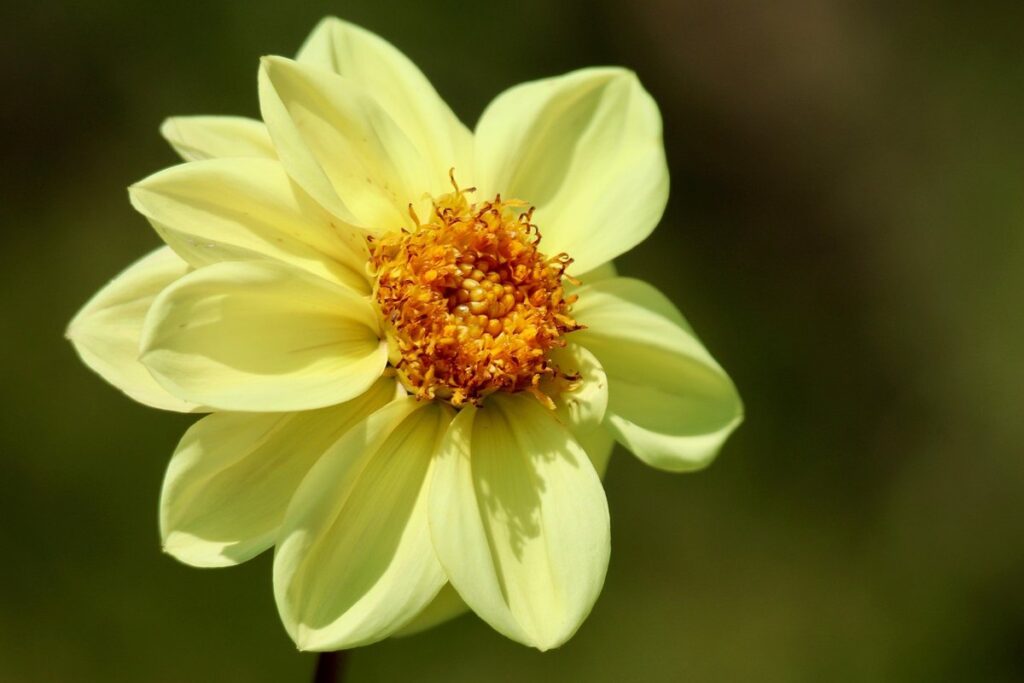
Choosing the Right Dahlias for Winter Hardiness
When selecting dahlias for overwintering, it’s essential to choose varieties that are naturally hardy and can thrive in your specific climate, ensuring a successful winter season. Some popular options include Dahlia ‘Bishop of Llandaff’ and Dahlia ‘Kelvin Floodlight’.
Understanding USDA Plant Hardiness Zones
When selecting dahlias for overwintering, one crucial factor to consider is the USDA Plant Hardiness Zone of your location. This zone determines the average annual extreme minimum temperature in your area, ranging from 3b (-40°F) in the coldest zones to 11 (above 40°F) in the warmest zones.
This information is vital because dahlias are tender perennials that typically don’t survive frost. They require protection or removal before winter sets in to prevent damage or death. If you live in a warmer zone, you may be able to overwinter your dahlias outdoors by providing them with sufficient mulch and cover. However, if you reside in a colder zone, it’s essential to dig up the tubers after the first frost and store them in a cool, dark place until spring.
For example, zones 3-5 require more extensive protection measures, such as bringing potted dahlias indoors or digging up the tubers for storage. In contrast, zones 6-8 can often get away with lighter mulching and cover, but it’s still crucial to provide some level of protection. Understanding your USDA Plant Hardiness Zone will help you determine the best approach to overwintering your dahlias.
Selecting Dahlia Varieties Suitable for Overwintering
When it comes to selecting dahlias that can withstand winter conditions, some types are more resilient than others. Look for tender perennials and deciduous varieties, as they tend to be more forgiving of cold temperatures.
Tender perennials, such as ‘Bishop of Llandaff’ and ‘Kelvin Floodlight’, have a higher chance of survival due to their ability to regrow new stems from the base of the plant. These varieties typically die back to ground level in winter but will sprout again in spring. This characteristic makes them ideal for overwintering, as they can be left in the ground and will regrow with minimal maintenance.
Deciduous dahlias, like ‘Cafe Royale’ and ‘Honka’, also have a good chance of survival. These varieties drop their leaves in fall, which helps protect the plant from harsh winter conditions. By choosing these types of dahlias, you can enjoy their vibrant blooms in summer and then let them go dormant for the winter months.
Keep in mind that even though some varieties are more cold-hardy than others, it’s still essential to provide protection during extreme weather conditions.
Preparing Dahlias for Winter
As we’ve discussed how to care for your dahlias during their growing season, now it’s time to prepare them for a cozy winter’s rest. Let’s dive into the steps needed to keep your dahlia tubers safe and healthy until spring.
Cutting Back Dahlia Stems After Blooming
Cutting back dahlia stems after blooming is an essential step to prepare your plants for winter. This process helps to direct the plant’s energy towards root development, which is crucial for overwintering successfully. When should you start cutting back? It’s recommended to wait until the first frost has occurred, as dahlias are typically killed by frost.
However, if you don’t have frosts in your area or want to get a head start, you can begin cutting back about 6-8 weeks after blooming. Begin by removing spent flower heads and weak growth. Then, cut back the stems to around 12 inches from the ground. Make clean cuts using sharp, sterile pruning tools to prevent disease. This will encourage new growth from the base of the plant.
Remember to remove any dead or damaged leaves and stems as well. This helps to prevent rot and fungal diseases from spreading. By cutting back your dahlias at the right time and properly removing spent growth, you’ll give them a solid chance at coming back healthy and strong next spring.
Protecting Dahlias from Frost Damage
When winter arrives, dahlias can be vulnerable to frost damage, which can cause irreparable harm to the tubers. To protect your beloved blooms from this risk, consider the following methods for safeguarding them during the cold months.
One effective way to shield dahlias is through mulching. This simple technique involves covering the soil around the plant with a layer of organic material like straw or bark chips. By doing so, you’ll be able to insulate the tubers from harsh winter temperatures and prevent damage caused by freezing water in the soil. Apply 2-3 inches of mulch around the base of the plant, making sure not to cover the crown.
Another option is bringing potted dahlias indoors during winter. Choose a location with bright but indirect light, maintaining temperatures between 40°F and 50°F (4°C to 10°C). This approach will give you control over humidity levels and prevent frost damage altogether. Just be aware that potted plants require more attention than those left outside.
If bringing your dahlias indoors isn’t feasible, ensure the area around the plants remains clear of debris. Remove any dead flowers or foliage to avoid creating a haven for pests, which can infest and damage the tubers further when winter arrives.
Overwintering Dahlia Tubers
Now that we’ve discussed how to care for dahlias through the growing season, let’s talk about storing their tubers over winter. We’ll cover the essential steps for keeping them healthy and ready to bloom again next year.
Harvesting and Storing Dahlia Tubers
After the first frost of winter, it’s time to harvest and store dahlia tubers. This process is crucial for their survival and healthy growth come springtime. To start, carefully dig up the entire plant, taking care not to damage the tubers.
Next, gently wash off any dirt or debris with a soft brush or a mild detergent solution. Avoid using hot water, as this can cause the tubers to rot. Once clean, lay them out in a single layer on a tray or sheet of newspaper to dry for 2-3 days.
This process helps prevent moisture from accumulating and causing rot during storage. Store the dried tubers in a cool, dark place with good air circulation. A basement or unheated garage works well. Avoid storing them near heating vents or radiators, as this can cause temperature fluctuations that may damage the tubers.
Aim for temperatures between 40-50°F (4-10°C) and keep the area dry to ensure the tubers remain healthy. Proper storage will enable you to replant your dahlias come springtime, ensuring a vibrant display of blooms in the summer months.
Tips for Forced Growth in the Spring
Forcing growth from stored dahlia tubers in the spring can be a bit tricky, but with the right conditions and care, you can encourage them to produce new shoots. To do this, you’ll want to bring the tubers indoors or to a protected location where they can receive a steady temperature between 40°F to 50°F (4°C to 10°C). This will help break dormancy and initiate growth.
As soon as the soil has warmed up, increase the temperature by a few degrees. Aim for around 60°F to 65°F (15°C to 18°C) during the day. Make sure they’re getting plenty of indirect light – direct sunlight can be too intense for new shoots. You can also provide some supplemental lighting with grow lights if needed.
Monitor your tubers closely, and once you start seeing new growth, make sure to keep them consistently watered but not overwatered. A general rule of thumb is to wait until the soil has dried out slightly between waterings. This will help prevent root rot and ensure healthy growth. By providing the right conditions and care, your dahlia tubers should be producing new shoots in no time.
Overwintering Dahlias Indoors
If you’re eager to keep your dahlia collection thriving year-round, overwintering dahlias indoors is a great option for gardeners in cooler climates. This section will show you how to successfully bring dahlia tubers inside to wait out the winter months.
Bringing Potted Dahlias Inside Before Frost
As the weather starts to cool down and frost begins to set in, it’s time to bring your potted dahlias indoors for overwintering. This process can be a bit tricky, but with the right guidance, you’ll have healthy dahlias thriving all winter long.
To begin, select containers that are at least 6-8 inches deep to provide enough room for the tubers to grow and develop new shoots in the spring. Make sure they’re also well-draining to prevent waterlogged soil, which can lead to rot. Some popular options include wooden or plastic planters with good drainage holes.
When selecting containers, consider their size and weight, as you’ll need to move them around during the winter months. You may want to opt for smaller pots if you plan on placing them in a basement or area where space is limited.
To bring your potted dahlias indoors, start by gently washing off any excess soil from the tubers with lukewarm water. Then, place them in their chosen containers and add a layer of fresh potting mix around the base of each stem. Water lightly and provide bright, indirect light until spring arrives.
Creating a Suitable Indoor Environment
When bringing overwintered dahlias indoors, it’s crucial to replicate their natural outdoor environment as closely as possible. This includes maintaining an ideal temperature range between 40°F and 50°F (4°C and 10°C), which is slightly cooler than most homes. Avoid placing them near heating vents or radiators, as sudden temperature fluctuations can cause stress to the plants.
Humidity levels should also be considered. Dahlias prefer a relatively high humidity of around 50-60%, but this can be challenging to maintain indoors without proper equipment. To alleviate this issue, you can group multiple plants together, placing them on a tray filled with water and pebbles or using a humidifier specifically designed for indoor gardening.
In terms of light requirements, avoid direct sunlight as it can cause scorched leaves. Instead, provide bright, indirect light through an east- or west-facing window, or invest in grow lights that mimic natural sunlight. By replicating the right conditions, you’ll be able to help your overwintered dahlias thrive and produce new growth come springtime.
Alternative Overwintering Methods
If you’re not ready to bring your dahlias back indoors, don’t worry – there are alternative overwintering methods that can be a game-changer for space-constrained gardeners.
Composting Dahlia Tubers
Composting dahlia tubers is a low-maintenance alternative to traditional storage methods that can be just as effective. This method involves breaking down the tubers into nutrient-rich compost that can be used to fertilize and enrich the soil for future growth.
To begin, carefully dig up your dahlia tubers after the first frost, taking care not to damage the delicate roots or eyes. Rinse them gently with water to remove any excess dirt. Next, chop the tubers into smaller pieces, about 1-2 inches in length. This will help increase their surface area and speed up the composting process.
Add the chopped dahlia tubers to a compost pile or bin, along with other “green” materials like fruit scraps, vegetable peels, and grass clippings. Keep the mixture moist but not soggy, and turn it regularly to ensure aeration. Within 2-3 months, the dahlia tubers will have broken down into rich, crumbly compost. This can then be mixed into the soil in spring when new growth begins, providing a natural boost of nutrients for your dahlias to thrive on.
In-Ground Mulching for Winter Protection
In-ground mulching is an effective alternative method for protecting dahlias from winter damage. By applying a thick layer of organic mulch around the base of the plants, you can insulate the roots and prevent frost heave. To do this, spread 4-6 inches of mature compost or well-rotted manure around the plant, making sure to keep it away from the stem.
This method is particularly useful for dahlias that are not suitable for lifting or are too large to handle. The mulch will also help retain moisture and suppress weeds, reducing the need for summer watering and maintenance. Keep in mind that you’ll need to replenish the mulch annually, as it breaks down over time.
When selecting a mulching material, choose one that is rich in nutrients and has a pH close to neutral (around 7). Avoid using sharp materials like pine straw or gravel, which can damage the roots. Regularly check on your dahlias throughout the winter months, removing any debris and ensuring the mulch remains undisturbed. By following these steps, you can protect your dahlias from winter damage and enjoy a healthy bloom next season.
Tips and Tricks for Successful Overwintering
To ensure a successful overwintering process, you’ll want to follow these expert tips that cover everything from soil preparation to tuber protection. We’ve got you covered every step of the way!
Common Challenges and Solutions
One of the biggest challenges gardeners face when overwintering dahlias is managing pests and diseases that thrive during the dormant season. Common culprits include slugs, snails, and rodents, which can damage tubers and destroy entire plants. To combat these pests, make sure to remove any debris or weeds from around your dahlia beds, as these can provide shelter for pests. Use physical barriers like copper tape or crushed eggshells to deter slugs and snails, and consider using humane traps for rodents.
Disease prevention is another critical aspect of overwintering dahlias. Fungal diseases like powdery mildew and botrytis often take hold during the wet winter months, so ensure your tubers are dry and well-ventilated before storing them. Avoid watering your dahlia beds in the fall, as this can create an ideal environment for disease development. Regularly inspect your tubers for signs of rot or mold, and remove any affected areas to prevent further spread.
To minimize these risks, consider applying a fungicide specifically designed for overwintering tubers in late autumn.
Additional Resources for Dahlias Enthusiasts
If you’re eager to dive deeper into dahlia care and overwintering, I’ve got you covered. Here are some top-notch resources that will help you become a dahlias expert:
For beginners, “The New Seed Starter’s Handbook” by Nancy Bubel is an excellent resource for learning the fundamentals of seed starting and propagation. On the other hand, “Dahlias: A Guide to Cultivation and Care” by Sue Felton offers in-depth advice on dahlia cultivation, from planting to flowering.
If you’re looking for online resources, I highly recommend checking out the Royal Horticultural Society (RHS) website. Their dahlia care guide provides a wealth of information on dahlia overwintering, as well as tips and tricks for growing these gorgeous flowers. Another excellent resource is the Dahlia Society’s website, which features articles, videos, and advice from experienced growers.
Don’t forget to join online communities like the Dahlia Society’s forum or social media groups dedicated to dahlias. These platforms are perfect for connecting with fellow enthusiasts, asking questions, and sharing your own experiences. With these resources at your fingertips, you’ll be well on your way to becoming a dahlia overwintering pro!
Frequently Asked Questions
How Do I Know if My Dahlias Are Suitable for Overwintering Indoors?
Yes, dahlias that are naturally hardy and suitable for overwintering can be brought indoors to protect them from harsh winter conditions. However, not all varieties can thrive in indoor environments. It’s essential to research the specific needs of your dahlia variety before attempting indoor overwintering.
Can I Overwinter Dahlias in Containers or Pots?
Yes, container-grown dahlias can be overwintered indoors or outdoors with proper protection. Make sure to choose a container that is at least 6-8 inches deep and has good drainage holes. Keep the soil moist but not waterlogged during the winter months.
How Do I Store Dahlias for an Extended Period?
Dahlia tubers should be harvested and dried thoroughly before storing them in a cool, dry place with good air circulation. You can also store them in a paper bag or breathable container to maintain humidity levels. Avoid storing dahlias in plastic bags or containers that retain moisture.
What if I Forget to Harvest My Dahlias Before the First Frost?
No need to panic! If you forgot to harvest your dahlias, they may still survive under the right conditions. However, it’s essential to protect them from extreme cold and moisture damage. Keep an eye on weather forecasts and bring potted dahlias indoors or cover them with a frost blanket if necessary.
Can I Use Mulch to Protect My Dahlias in the Ground?
Yes, applying a thick layer of organic mulch around the base of your dahlia plants can help protect them from extreme cold and moisture damage. Choose materials like straw, bark chips, or leaves that are dry and well-rotted before applying them.