
If you’ve ever stumbled upon an Osage orange tree, its vibrant orange-yellow hue might have caught your attention. But did you know that this fascinating fruit has more to offer than just its stunning appearance? From a natural remedy for ailments to a source of sustainable dyes, the Osage orange fruit is a treasure trove of versatility. Its uses extend beyond the garden, too – in culinary creations and as a wildlife magnet. In this comprehensive guide, we’ll delve into the incredible potential of Osage orange fruit, exploring its medicinal properties, dye-making capabilities, and even its role in attracting beneficial pollinators to your garden. Whether you’re an avid gardener or simply curious about nature’s hidden gems, join us on this journey to unlock the secrets of the Osage orange fruit.
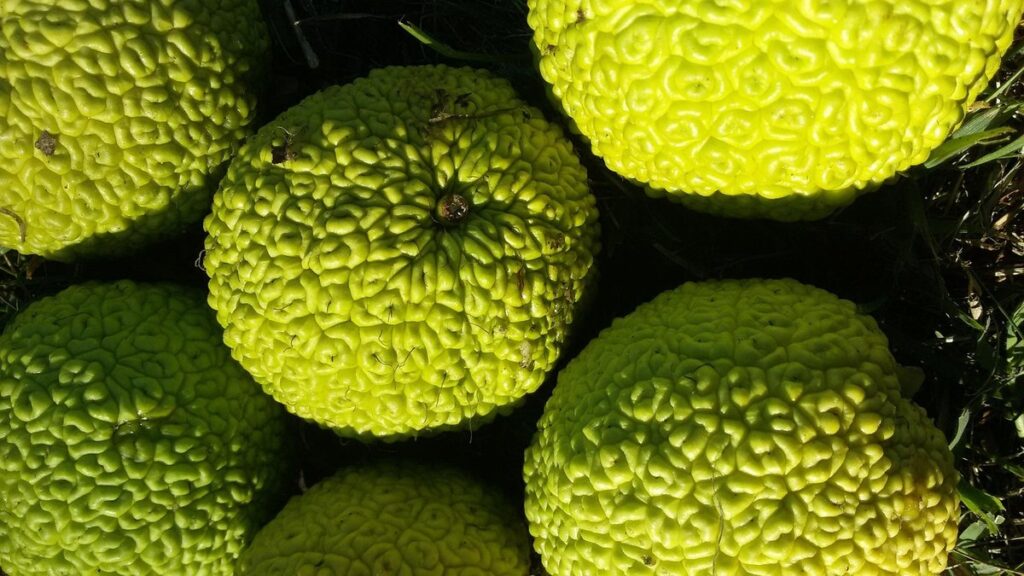
Introduction to the Osage Orange
Let’s start by diving into the fascinating world of the osage orange, a fruit with a rich history and unique characteristics. In this next part, we’ll explore its basic properties.
What is the Osage Orange Tree?
The osage orange tree is a unique and fascinating plant with a rich history. Native to North America, specifically the Great Plains region, this deciduous tree has been an integral part of the continent’s ecosystem for centuries. Its scientific name, Maclura pomifera, suggests its fruit-bearing nature, which is a distinguishing feature among other trees.
One of the most notable characteristics of the osage orange tree is its remarkable adaptability to different environments. It can thrive in a wide range of conditions, from full sun to partial shade, and in soils with varying pH levels. This resilience has allowed it to become naturalized throughout much of North America, often growing alongside other native species.
The osage orange tree’s growth habit is also noteworthy. Typically reaching heights of 40-60 feet, its broad canopy provides excellent shade and habitat for local wildlife. Its trunk can grow up to three feet in diameter, with a distinctive, rugged bark that adds to its visual appeal. As you explore the uses of this versatile fruit, it’s essential to understand the tree’s unique characteristics and capabilities, which will become increasingly evident as we delve into its various applications.
History of Osage Orange Utilization
For centuries, the osage orange fruit has been a prized commodity among various cultures. Native American tribes were among the first to cultivate and utilize its versatile benefits. They used the fruit’s wood for making tools, furniture, and even bows, while also consuming its pulp and seeds as food.
In the early 19th century, European settlers discovered the osage orange and began cultivating it for its ornamental value. The tree’s vibrant fall colors and thorny branches made it a popular choice for hedge rows and borders. Today, many gardeners still grow osage orange trees for their stunning foliage and unique fruit.
In some parts of Asia, the osage orange has been used as a natural dye source for textiles. Its bright orange color can be extracted from the pulp and mixed with other natural substances to create a range of vibrant hues. Similarly, in traditional medicine, various cultures have used the fruit’s seeds and bark to treat ailments such as fever, rheumatism, and skin conditions.
The osage orange has indeed traveled far and wide, adapting itself to different cultural uses and applications over time. As we delve deeper into its multiple uses, it becomes increasingly clear that this remarkable fruit is a true treasure trove of benefits waiting to be explored.
Medicinal Properties and Health Benefits
Osage orange fruit has been prized for centuries not just for its vibrant color, but also for its incredible healing properties that can benefit your health in numerous ways. Let’s dive into its medicinal uses!
Antimicrobial and Anti-Inflammatory Effects
Research has shown that osage orange fruit possesses remarkable antimicrobial properties, capable of inhibiting the growth of various bacteria, fungi, and yeast. A study published in the Journal of Ethnopharmacology demonstrated that a methanolic extract from the fruit exhibited significant antibacterial activity against Staphylococcus aureus and Escherichia coli. The findings suggest that osage orange could serve as a natural alternative to conventional antimicrobial agents.
The anti-inflammatory effects of osage orange fruit are equally impressive, with its active compounds exhibiting potent inhibitory activity on pro-inflammatory enzymes. A study in the Journal of Agricultural and Food Chemistry discovered that the fruit’s extract suppressed the production of inflammatory cytokines by up to 70%. This suggests potential applications for osage orange in managing conditions like arthritis or other inflammatory diseases.
While more research is needed to fully explore these properties, early findings indicate that osage orange could be a valuable addition to natural remedies for infections and inflammation. If you’re interested in harnessing the antimicrobial and anti-inflammatory effects of osage orange, consider consulting with a healthcare professional about incorporating it into your regimen.
Traditional Medicine and Modern Applications
For centuries, the osage orange fruit has been valued for its medicinal properties, and it’s still widely used today in folk medicine. The dried seeds of the fruit are known to have a sedative effect, making them an effective treatment for anxiety and insomnia. In traditional medicine, the fruit is also used to treat various skin conditions, such as eczema and acne, due to its antiseptic properties.
In modern times, researchers have begun to explore the potential applications of osage orange in pharmacology. Studies have shown that the fruit’s extract has antibacterial and anti-inflammatory properties, making it a promising candidate for wound healing treatments. Additionally, the fruit’s high concentration of flavonoids and phenolic acids may contribute to its ability to reduce inflammation and improve cardiovascular health.
If you’re interested in harnessing the medicinal properties of osage orange, consider incorporating it into your skincare routine or using it as an herbal remedy for anxiety relief. Simply dry the seeds and create a tea by steeping them in hot water. You can also add the dried fruit to a homemade salve or lotion to reap its antiseptic benefits.
Dye, Ink, and Natural Pigment Uses
Osage orange fruit is a natural treasure trove of vibrant hues, and you can harness its color to create unique dyes, inks, and pigments for art, crafts, and even writing. Let’s explore some creative ways to use it!
Osage Orange as a Sustainable Dye Source
As we continue to explore the multiple uses of the osage orange fruit, let’s delve into its potential as a sustainable dye source. For centuries, natural dyes have been used on textiles and other materials, offering a more environmentally friendly alternative to synthetic dyes.
Osage orange (Maclura pomifera) is rich in anthocyanins and carotenoids, which are responsible for its vibrant yellow, orange, and red hues. These pigments can be extracted from the fruit’s peel, pulp, or leaves, making it a versatile natural dye source. One of the benefits of using osage orange as a natural dye is that it is non-toxic and biodegradable.
To use osage orange as a natural dye, simply boil the peeled fruit in water to extract the pigments. The resulting liquid can be applied directly to fabrics or used as a mordant (a substance that helps bind dyes to fibers). The color intensity will depend on the concentration of anthocyanins and carotenoids, making it essential to experiment with different ratios of osage orange to water.
When working with natural dyes like osage orange, it’s essential to note that colorfastness may vary depending on factors such as fabric type, mordant used, and washing conditions. However, the unique and subtle hues produced by osage orange make it an attractive choice for artists and designers seeking sustainable dye options.
Crafting Unique Inks with Osage Orange
Creating handmade inks from the osage orange fruit is a unique and rewarding process that allows you to craft bespoke colors for art, writing, and other creative pursuits. To get started, you’ll need to collect fresh osage orange juice, which can be extracted using a juicer or blender. The resulting liquid is rich in anthocyanins, powerful pigments responsible for the fruit’s distinctive yellow-orange hue.
When combining the osage orange juice with a binding agent like gum arabic or honey, it’s essential to consider the ratio of pigment to binder, as this will affect the ink’s viscosity and lightfastness. For example, if you’re aiming to create a vibrant yellow ink, you might use a 1:2 ratio of osage orange juice to gum arabic.
Some potential uses for handmade osage orange inks include adding subtle warmth to calligraphy scripts or using them as a unique dye for fabrics and papers. Experiment with different combinations and ratios to discover the perfect hue for your project. Remember, the process of crafting handmade inks is just as much about experimentation as it is about achieving the desired color – don’t be afraid to try new things and adjust your recipe accordingly!
Wildlife Attraction and Pest Control
While some of its uses are well-known, did you know that osage orange fruit can also serve as a natural deterrent for wildlife attraction and pest control around your home?
The Fruit’s Role in Attracting Pollinators
When it comes to attracting pollinators like bees and butterflies, the osage orange fruit is a game-changer. As a rich source of nectar and pollen, this fruit plays a crucial role in supporting these essential creatures. In fact, research shows that bee populations rely heavily on native plants like the osage orange tree for their survival.
But why are pollinators so attracted to the osage orange fruit? The answer lies in its unique combination of sweet nectar and protein-rich pollen. Bees and butterflies can feast on the fruit’s abundant nectar, while also collecting the high-quality pollen that makes up about 30% of their diet. To incorporate the osage orange fruit into your pollinator-friendly landscape, consider planting a few trees around your garden or yard. This will not only attract these beneficial creatures but also support the local ecosystem.
By providing a constant source of food and shelter, you’ll be doing your part to protect these vital pollinators. And as an added bonus, the osage orange fruit’s strong scent will repel pests like mosquitoes and ticks, making it an excellent addition to any wildlife-friendly garden or yard.
Using Osage Orange to Repel Pests
When it comes to keeping those pesky critters out of your garden and home, natural methods are often preferred over harsh chemicals. This is where the osage orange fruit shines – its oil and extracts have been found to be an effective pest repellent. The strong citrusy scent of the osage orange is reminiscent of other citrus fruits known for their insect-repelling properties.
You can use the oil or extracts in a variety of ways, such as mixing it with water and spraying it around the perimeter of your garden, or adding it to candles or essential oils diffusers. Some gardeners even add it to soap or shampoo to keep mosquitoes at bay when they’re working outdoors. The key is to find a method that works for you.
In terms of specific pests, osage orange has been shown to repel moths, flies, and ants. However, its effectiveness may vary depending on the type and severity of the infestation. If you’re looking for an all-natural solution to keep your garden or home pest-free, it’s worth exploring the uses of osage orange oil or extracts further.
Cosmetic and Skincare Uses
You can use osage orange fruit as a natural remedy for various skin issues, from soothing acne to reducing inflammation and promoting healthy aging. We’ll explore its cosmetic and skincare benefits in more detail below.
Natural Skin Exfoliants from Osage Orange
When it comes to exfoliating our skin, we often turn to harsh chemicals and artificial scrubs. However, nature has provided us with a gentle yet effective alternative: the osage orange fruit. The pulp of this incredible fruit is packed with alpha-hydroxy acids (AHAs), particularly malic acid, which makes it an excellent natural exfoliant for skin.
The AHAs in osage orange pulp work by dissolving the “glue” that holds dead skin cells together, allowing them to be easily removed and revealing smoother, brighter-looking skin. You can use fresh or dried osage orange pulp as a gentle scrub, or even extract its juice and mix it with a carrier oil for an at-home exfoliating treatment.
To incorporate osage orange into your skincare routine, try mixing 1 tablespoon of osage orange pulp with 2 tablespoons of sugar and 1 tablespoon of olive oil. Massage the mixture onto your skin in circular motions, focusing on areas like elbows and knees that tend to get rough. Rinse thoroughly and follow up with a nourishing moisturizer for glowing results. With regular use, you may notice improved skin texture and reduced appearance of fine lines and wrinkles.
Osage Orange Oil in Aromatherapy and Massage
When it comes to harnessing the benefits of osage orange oil, aromatherapy and massage therapies offer exciting possibilities. This versatile oil has been prized for its unique scent and potential therapeutic properties, making it an attractive addition to your self-care routine.
In aromatherapy, osage orange oil is said to evoke a sense of calmness and tranquility due to its citrusy and slightly spicy aroma. To incorporate this oil into your practice, try blending it with other calming essential oils like lavender or chamomile in a diffuser or use it as a direct inhalation method during meditation.
For massage therapists, osage orange oil can be used topically to promote relaxation, ease muscle tension, and improve circulation. Its unique properties may also aid in reducing inflammation and promoting skin regeneration. To reap these benefits, mix the oil with a carrier like coconut or jojoba oil and gently massage it onto areas of tension.
Remember to always dilute osage orange oil properly and consult with a healthcare professional before using it for therapeutic purposes. By incorporating this versatile oil into your aromatherapy and massage routines, you may unlock its full potential and experience the calming effects it has to offer.
Edible and Culinary Uses
From jams and jellies to savory sauces, we’ll delve into the delicious ways osage orange fruit can be used in cooking, adding a burst of citrusy flavor to your dishes. Its unique taste makes it a game-changer in many recipes.
Preparing Osage Orange Fruit and Leaves
When it comes to preparing osage orange fruit and leaves for culinary use, there are several steps you can take to bring out their unique flavors and textures. To start with the fruit, it’s essential to note that they’re typically too bitter and astringent to eat raw. However, when cooked or processed in some way, they become a great addition to various dishes.
One popular method for preparing osage orange fruit is to make a marmalade or jam. Simply slice the fruit thinly and combine it with sugar, water, and lemon juice in a saucepan. Bring the mixture to a boil, then reduce the heat and let it simmer until the liquid has thickened into a spreadable consistency.
For leaves, you can use them fresh or dried in salads, soups, or as a tea ingredient. To dry osage orange leaves, simply tie them in small bunches and hang them upside down in a warm, dry place. You can also add dried leaves to homemade teas or infusions for a unique flavor boost.
Remember to always use caution when preparing and consuming any new foods, especially if you have sensitive skin or allergies.
Preserving Osage Orange for Future Use
When it comes to enjoying the delicious and nutritious osage orange fruit year-round, preserving methods are essential. One of the most effective ways to do this is by drying the fruit. You can dry osage oranges using a food dehydrator or simply by slicing them thinly and placing them on a baking sheet in a low-temperature oven (150°F – 200°F). This method helps retain the fruit’s natural flavors and textures, making it perfect for snacking, baking, or adding to teas.
Freezing is another excellent way to preserve osage orange. To freeze, simply wash, peel, and slice the fruit, then place them in airtight containers or freezer bags. Frozen osage oranges can be used in baked goods, smoothies, or as a topping for yogurt or oatmeal. If you’re looking for an even more convenient option, consider making osage orange jam or marmalade using a water bath canner. This way, you can enjoy the fruit’s unique flavor all year round, and share it with friends and family too!
Frequently Asked Questions
Can I grow Osage orange trees from seed, or should I propagate them through other means?
Growing Osage orange trees from seed can be challenging due to their unique germination requirements and limited availability of viable seeds. For more consistent results, consider propagating the tree through grafting or layering. This method ensures you’ll have a healthy, productive tree that’s less prone to disease and pests.
How do I ensure the Osage orange fruit doesn’t attract wildlife in unwanted ways?
To minimize wildlife attraction while still reaping its benefits, it’s essential to balance the fruit’s availability with proper storage and handling. Store ripe or overripe fruit in secure containers, out of reach from animals. You can also consider pruning the tree to limit fruit production in areas prone to wildlife activity.
What’s the best way to preserve Osage orange for future use?
To preserve the Osage orange fruit and its various parts, you can dry them using a food dehydrator or by air-drying. This method helps retain their medicinal properties and natural dyes. For longer-term storage, consider freezing or making jams, preserves, or tinctures to utilize its health benefits.
Can I use Osage orange as a natural pest repellent for indoor gardens?
Yes, the essential oil extracted from the Osage orange tree can be used as an effective insect repellent for indoor gardens. However, ensure you dilute the oil according to the recommended concentrations and safety guidelines before applying it near plants or in areas with frequent foot traffic.
Is there a specific way to harvest Osage orange fruit without damaging its delicate skin?
Harvesting Osage orange fruit requires care to avoid bruising its thin skin. Gently twist the fruit from the branch, taking note of their typical ripening schedule and seasonal availability. Regularly inspect your trees for signs of readiness, like yellowing or softening of the skin.