
Weeds can be a garden owner’s worst nightmare. They pop up unexpectedly, steal nutrients from your plants, and spread quickly, taking over your landscape. But getting rid of weeds doesn’t have to mean resorting to harsh chemicals that harm the environment. Organic weed management is not only better for the planet, but it’s also more effective in the long run.
In this comprehensive guide, we’ll explore the best organic weed management strategies, including physical control methods like mulching and hand-pulling, cultural techniques such as crop rotation and companion planting, and chemical-free herbicides that are safe to use around people and pets. Whether you’re a seasoned gardener or just starting out, our expert advice will show you how to keep your garden weed-free without sacrificing the health of your plants or the environment.
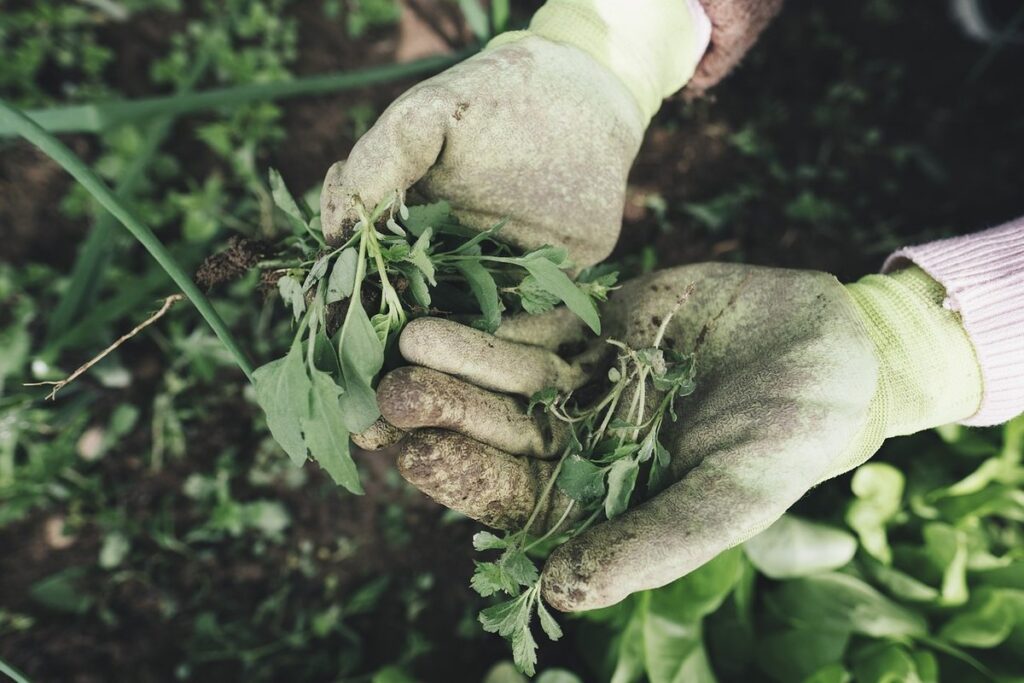
Understanding Weed Ecology
Weed ecology is a complex topic, but understanding how weeds grow and interact with their environment is crucial to effective organic weed management. This involves knowing what conditions favor weed growth and how to disrupt those patterns naturally.
The Importance of Understanding Weed Life Cycles
Understanding the life cycle of weeds is essential for developing effective organic weed management strategies. Weeds have unique growth patterns, from germination to reproduction, and understanding these patterns can help you target specific stages for control.
During germination, weeds typically emerge within 7-10 days after seed dispersal. Identifying areas with high weed germination rates allows you to apply pre-emergent herbicides or mulch before the seeds sprout. For example, winter annuals like henbit and chickweed often germinate in late summer or early fall.
As weeds grow, they enter different stages of development, such as rosette, stem elongation, and flowering. Recognizing these growth stages enables you to use targeted control methods, like hand-pulling or hoeing, which can be more effective than broad-spectrum herbicides. By understanding the life cycle of specific weed species, you can anticipate and prevent their spread, reducing the need for chemical interventions altogether.
Understanding weed life cycles also informs long-term management plans. For instance, if you know that a particular weed species reproduces through seeds in late summer, you can plan to apply mulch or cover crops during this period to suppress seed production. This proactive approach helps minimize future weed populations and reduces the reliance on chemical herbicides.
Identifying Weed Species in Your Garden or Field
Identifying weed species is crucial for effective organic weed management. By recognizing common weeds, you can tailor your control methods to target specific plants, reducing the risk of harming beneficial organisms and minimizing chemical use.
Start by observing the physical characteristics of weeds in your garden or field: leaf shape, color, size, growth habit, and flowering patterns. For instance, broadleaf weeds like dandelions have jagged leaves and yellow flowers, while grassy weeds like crabgrass display long stems with small white or purple blooms.
Notice their habits too – do they grow in clusters or solitary? Do they thrive in moist areas or dry spots? This information helps you identify the weed’s preferred habitat.
Once you’ve identified a weed species, use this knowledge to create a targeted management plan. For example, if you’re dealing with annual weeds like purslane, try to control them before they produce seeds by manually removing them before maturity. If perennial weeds like thistles are present, focus on reducing seed production and eliminating root systems.
Remember that accurate identification is the foundation of effective organic weed management.
Physical Weed Control Methods
When it comes to tackling weeds, physical methods can be a simple yet effective approach. We’ll explore some of these hands-on techniques below.
Hand Weeding: A Comprehensive Guide
Hand weeding is one of the most effective organic methods for controlling weeds. When done correctly, it can be a precise and efficient way to remove weeds without using chemicals. To start with hand weeding, you need to choose the right time. The best time to do this is when the soil is moist but not waterlogged, making it easier to loosen the weed roots.
Proper technique is essential for effective hand weeding. Start by gently loosening the soil around the weed using a fork or trowel, taking care not to damage surrounding plants. Next, use your fingers or a tool specifically designed for weeding to carefully pull out the weed from its base. Make sure to remove as much of the root system as possible to prevent regrowth.
Using the right tools can make hand weeding easier and more efficient. Hand-weeding tools come in various shapes and sizes, including flat weeding forks and H-style weeding bars. These tools help you get under weeds without damaging surrounding plants or soil structure.
Proper personal protective equipment (PPE) is also necessary when engaging in hand weeding. This includes gloves to protect your hands from thorns and sharp edges, as well as long sleeves and eye protection to prevent injury.
Mulching and Cover Cropping for Weed Suppression
Mulching and cover cropping are two effective organic methods for weed suppression. When done correctly, they can significantly reduce the need for herbicides and other chemical treatments. Mulch acts as a physical barrier, preventing weeds from germinating or growing by blocking light, water, and nutrients. Organic mulches like wood chips, straw, or leaves can be applied at different depths depending on the weed type and growth stage.
To implement cover cropping effectively, choose a cover crop that is competitive with the weed species you’re trying to suppress. For example, using a dense mat of clover or rye can outcompete weeds for light, water, and nutrients. Make sure to plant the cover crop at the right time and density to prevent it from becoming too invasive.
By combining mulching and cover cropping methods, gardeners can create a layered weed suppression system that’s both effective and sustainable. Regularly monitor your soil conditions, adjusting your approach as needed to ensure optimal results.
Cultural Weed Control Methods
When it comes to preventing weeds from taking over your garden, cultural weed control methods offer a holistic and effective approach. Let’s explore some of these innovative techniques together!
Crop Rotation: A Key to Reducing Weeds
Crop rotation is a crucial aspect of organic weed management that can significantly reduce weed populations. By changing the type of crop grown on a particular piece of land, you create an environment that’s less conducive to weed growth. For example, if you’re growing corn, which is a heavy feeder and requires a lot of moisture, it can attract weeds like Johnson grass and pigweed.
To effectively implement crop rotation, start by identifying crops that are suitable for your climate and soil type. For instance, in regions with cool winters, crops like broccoli, kale, or Brussels sprouts do well. In areas with long growing seasons, warm-season crops like tomatoes, peppers, or eggplants thrive.
When selecting crops to rotate, consider their growth habits and space requirements. Planting a mix of tall and short crops will not only provide shade for the soil but also make it difficult for weeds to grow. A rotation plan that includes at least three different crop types can help minimize weed growth.
Soil Preparation and Conditioning for Weed Suppression
Soil preparation and conditioning are critical components of effective organic weed management. When it comes to creating a healthy soil environment that suppresses weed growth, proper tillage is essential. Tillage involves loosening the top 2-3 inches of soil to a depth of about 6-8 inches, which helps to break up compacted soil and improve air, water, and nutrient penetration.
Proper nutrient management also plays a significant role in creating an environment that suppresses weed growth. Soil testing is crucial in determining the nutrient levels in your soil. Based on the test results, you can apply organic amendments such as compost or manure to maintain optimal nutrient levels. For instance, adding 2-3 inches of compost on top of the soil and mixing it well before planting can help suppress weeds.
In addition to proper tillage and nutrient management, creating a diverse and thriving soil ecosystem can also help suppress weed growth. By incorporating cover crops into your rotation, you can create a living mulch that shades out weeds and prevents them from germinating. For example, planting rye or clover as a cover crop before sowing your main crop can be an effective way to reduce weed pressure.
Chemical-Free Herbicides: Exploring Natural Alternatives
If you’re looking for a more eco-friendly way to tackle unwanted weeds, you’ll be excited to learn about the many effective natural alternatives to chemical-based herbicides. Let’s explore some of these options in more detail.
Plant Extracts for Weed Control
Plant extracts have been gaining popularity as natural alternatives to chemical-based herbicides for weed control. These extracts are derived from plants such as neem, lemongrass, and garlic, which contain bioactive compounds that can effectively suppress weed growth.
Neem oil, for instance, contains azadirachtin, a compound that interferes with insect growth regulators in weeds, ultimately leading to their death. Lemongrass oil, on the other hand, has been shown to inhibit weed seed germination and root development. Garlic extract, rich in allicin, can also be used as a natural herbicide by disrupting weed cell membrane function.
To prepare these extracts safely, start by mixing neem oil with water at a ratio of 2-3% (e.g., 1 tablespoon per gallon of water). For lemongrass and garlic extracts, use a concentration of 5-10%. Apply the mixture directly to weeds using a sprayer or mister. Note that some plant extracts can be toxic to beneficial insects and plants, so it’s essential to use them judiciously and follow recommended application rates.
Some benefits of using plant extracts as natural herbicides include reduced environmental pollution, lower risks to human health, and potential long-term soil health improvement.
Micronutrient Deficiency Management for Weed Suppression
Managing micronutrient deficiencies can be an effective way to suppress weeds without using chemical herbicides. Micronutrients such as boron, copper, iron, manganese, molybdenum, and zinc play a crucial role in plant growth and development, including weed growth.
Weeds often exhibit specific micronutrient deficiency symptoms that can be used to identify the underlying issue. For example, yellowing leaves may indicate iron or magnesium deficiency in broadleaf weeds like dandelion. On the other hand, stunted growth and brittle stems may suggest boron deficiency in grassy weeds like crabgrass.
To address micronutrient deficiencies effectively, it’s essential to test your soil to determine which micronutrients are lacking. You can then apply targeted fertilizers or amendments to correct the deficiencies. For instance, if iron is the limiting factor, applying a chelated iron fertilizer can help alleviate symptoms.
It’s also worth noting that using too much nitrogen can exacerbate micronutrient deficiencies by promoting vegetative growth over root development. By managing soil nutrient levels through balanced fertilization and crop rotation, you can create an environment where weeds struggle to compete with your desired crops.
Integrated Weed Management (IWM) Strategies
When tackling weeds organically, implementing a comprehensive strategy is key. This section will explore integrated weed management (IWM) strategies to help you create a holistic approach to weed control.
Combining Methods for Maximum Effectiveness
Combining multiple weed management methods is crucial for achieving maximum effectiveness. This approach, known as Integrated Weed Management (IWM), considers the unique needs and resources of each individual farm or garden. By integrating cultural, physical, and chemical-free methods, you can reduce reliance on single approaches and create a more sustainable and resilient weed management system.
For instance, consider combining mulching with hand-weeding for optimal results. Mulch suppresses weed germination and growth, while regular hand-weeding removes existing weeds and prevents seed dispersal. Alternatively, incorporate crop rotation with cover cropping to break disease and pest cycles. Companion planting can also be a powerful tool, where certain plants repel or shade out weeds.
To create an effective IWM plan, start by assessing your specific needs and resources. Consider factors such as soil type, climate, available labor, and equipment. Then, choose methods that align with these conditions, combining multiple approaches to achieve the best results. For example, if you have a small farm with limited equipment, focus on manual weeding techniques like hand-weeding or hoeing. If you have more resources, consider using solarization or flaming for larger areas.
Monitoring and Evaluation: Tracking Your Progress
Monitoring and evaluating your progress is crucial to the success of an Integrated Weed Management (IWM) plan. Before you begin, it’s essential to set specific, measurable goals for your weed management efforts. This will help you determine what strategies are working and which ones need improvement.
Start by tracking key metrics such as weed density, species diversity, and any relevant environmental factors like soil moisture or temperature. You can use a spreadsheet or a dedicated data collection tool to make this process more efficient.
Consider using a protocol like the “IWM Scorecard” which assesses progress across various indicators including: Weed Control Methods (seed control, herbicide-free methods), Soil Health Indicators (soil compaction, fertility levels), and Ecosystem Services (wildlife habitat creation). Regularly review your data to identify trends and areas for improvement. This will help you refine your IWM plan over time.
Don’t be afraid to make adjustments as needed – it’s all part of the learning process!
Conclusion
In conclusion, adopting organic weed management strategies can significantly reduce your reliance on chemical herbicides while maintaining a healthy and thriving lawn. By incorporating these methods into your gardening routine, you’ll not only be doing your part for the environment but also creating a more sustainable future. To ensure long-term success, remember to regularly monitor your garden for weeds and address them before they become established. Don’t be afraid to experiment with different techniques and adapt what works best for your unique situation. With patience and persistence, you’ll develop an effective system that balances control of weeds with the preservation of biodiversity in your outdoor space. By making these simple adjustments, you can create a lush, weed-free lawn without sacrificing your values or harming the planet.
Frequently Asked Questions
What if I have a large area to cover with organic weed management strategies?
Organic weed management can be scalable, even for large areas. Start by identifying the most critical zones that need attention, such as high-traffic pathways or sensitive plantings. Use a combination of physical control methods like mulching and hand-pulling, along with cultural techniques like crop rotation, to maintain weed-free zones. Consider investing in long-lasting mulch alternatives or using solarization techniques for more efficient coverage.
Can I use organic weed management strategies in conjunction with traditional methods?
Yes, you can combine organic and traditional methods to achieve optimal results. For example, using a pre-emergent herbicide as an additive to mulch can enhance its effectiveness. Similarly, incorporating crop rotation into your existing soil preparation routine can improve soil health and reduce weed pressure. Be cautious when combining different approaches, and monitor the impact on both weeds and desired plants.
How do I know if my organic weed management strategies are truly effective?
To evaluate the success of your organic weed management efforts, regularly monitor for changes in weed populations, soil health, and crop yields. Consider tracking metrics like weed density, growth rates, or suppression times to assess the effectiveness of specific methods. Adjust your strategy as needed to optimize results.
What if I’m new to gardening and don’t know where to start with organic weed management?
Start by assessing your garden’s unique conditions and identifying the most problematic weeds. Develop a basic understanding of weed life cycles and ecology, then implement simple physical control methods like hand-pulling or mulching. Gradually introduce more advanced techniques as you gain experience and confidence in managing your garden.
Can I use organic weed management strategies indoors or for container gardening?
Yes, many organic weed management strategies can be adapted for indoor gardens or container plantings. Mulching is an excellent option for indoor pots, while hand-pulling or using targeted herbicides are suitable for larger containers. When choosing chemical-free herbicides, select products specifically designed for indoor use to ensure safety and efficacy in these environments.
What if I encounter resistant weeds that aren’t responding to organic methods?
In such cases, consult with a local gardening expert or extension service for guidance on identifying the specific weed species and developing targeted strategies. Consider combining multiple organic methods or introducing new approaches like crop rotation or mulching to outcompete resistant weeds. Be cautious of over-reliance on chemical-free herbicides, as resistance can develop with repeated use.