
When it comes to choosing the right fertilizers for your garden or farm, you’ve likely heard the debate between organic and synthetic options. But what exactly sets these two apart, and which one is truly better? Organic fertilizers have been gaining popularity in recent years due to their numerous benefits for the environment and soil health. Not only do they promote sustainable gardening practices, but they also tend to be gentler on plants, leading to healthier growth and increased yields. On the other hand, synthetic fertilizers may provide quick results, but at what cost? In this article, we’ll delve into the environmental impact, effects on plant growth, and economic considerations of each option, helping you make an informed decision about which path is best for your green thumb.
Understanding the Basics
Before we dive into the benefits and drawbacks of each type, let’s start with the basics: what is organic fertilizer, and how does it differ from synthetic options.
What are Organic and Synthetic Fertilizers?
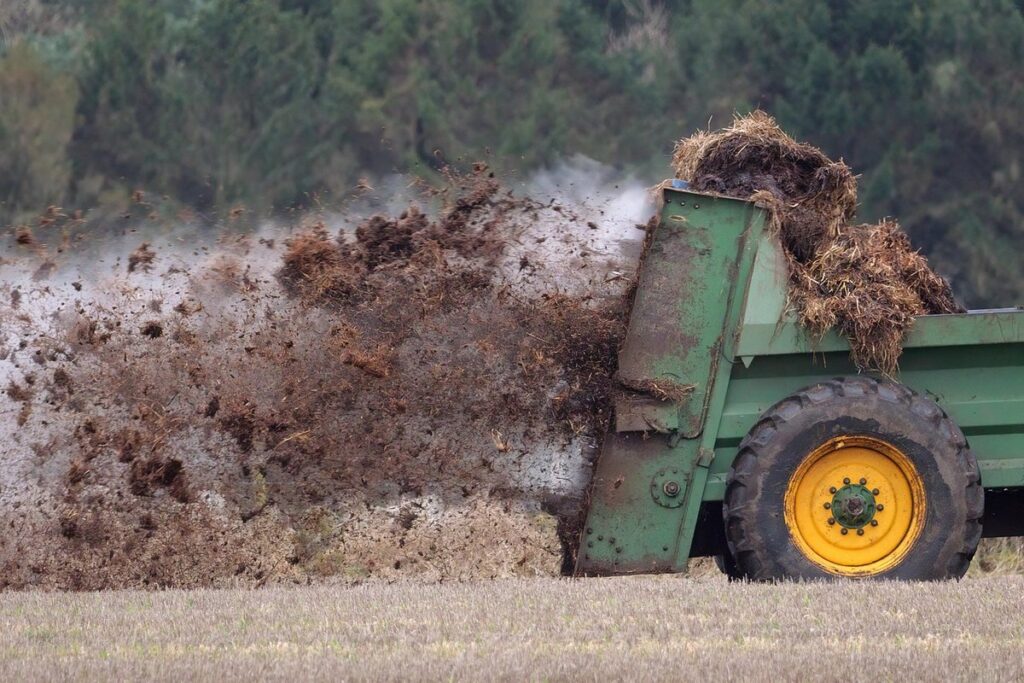
At its core, fertilizers are substances added to soil to promote plant growth and health. Within this broad category, there exist two distinct types: organic and synthetic fertilizers. Organic fertilizers derive from natural sources such as animal waste, plants, and microorganisms. Examples of organic fertilizers include compost, manure, and peat moss. These materials are rich in nutrients and often have a long-term, slow-release effect on the soil.
Synthetic fertilizers, on the other hand, are manufactured through chemical processes using elements like nitrogen, phosphorus, and potassium. These fertilizers can provide quick bursts of energy to plants but may come with environmental drawbacks. Synthetic fertilizers are typically more expensive than their organic counterparts but offer faster results in terms of yield and plant growth. When choosing between these two types of fertilizers, consider the soil health, plant type, and desired outcomes – factors that significantly impact the efficacy and environmental sustainability of each option.
Benefits of Using Organic Fertilizers
When you choose to use organic fertilizers, you’re not just opting for a more natural way of gardening – you’re also gaining a range of benefits that will improve the overall health and sustainability of your soil. For starters, organic fertilizers are made from natural sources like compost, manure, or green waste, making them an environmentally friendly alternative to synthetic options.
Using organic fertilizers can help reduce the environmental impact of chemical-based fertilizers, which can pollute waterways, harm beneficial microorganisms in the soil, and even contribute to climate change. Organic fertilizers, on the other hand, are biodegradable and don’t contain toxic chemicals that can leach into groundwater or contaminate air and soil.
By using organic fertilizers, you’ll also be improving the structure and fertility of your soil over time. This is because these natural materials promote a balanced ecosystem in your garden, with beneficial microorganisms feeding on them to create nutrient-rich compounds that plants love. Regular use of compost tea can also help suppress diseases and pests naturally, reducing the need for pesticides and other chemicals.
By making this simple switch, you’ll be investing in a healthier soil that will reward you with more vibrant plant growth, improved crop yields, and reduced maintenance needs over time.
Common Types of Synthetic Fertilizers
When it comes to synthetic fertilizers, there are several types that dominate the market. Nitrogen-based fertilizers, such as ammonia and urea, are among the most widely used. These products promote leaf growth and increase crop yields but can also lead to environmental issues like water pollution.
Phosphorus-based fertilizers, including diammonium phosphate (DAP) and monoammonium phosphate (MAP), focus on root development and fruiting. While they provide a temporary boost in plant health, excessive use can contaminate soil and groundwater. Potassium-based fertilizers, like potassium chloride and potassium sulfate, enhance overall plant resilience.
It’s worth noting that these types of synthetic fertilizers often contain other additives or micronutrients to maximize their effectiveness. However, this can also increase the risk of over-fertilization, leading to reduced crop quality and increased environmental degradation.
Environmental Impact
Let’s take a closer look at how organic and synthetic fertilizers affect our planet, from soil degradation to water pollution. We’ll explore the potential harm caused by each option.
Effects on Soil Health
When it comes to soil health, both organic and synthetic fertilizers have their effects. Organic fertilizers, made from natural materials like compost, manure, or green waste, promote a balanced ecosystem by adding nutrients while improving the overall structure of the soil. These nutrients are released slowly over time, supporting the growth of beneficial microorganisms that help break down compounds in the soil.
Synthetic fertilizers, on the other hand, can provide quick results but come with long-term risks. The high salt content in these products can disrupt the natural balance of the soil ecosystem, leading to an overgrowth of certain bacteria and fungi while suppressing others. This can result in reduced fertility and increased erosion.
Overuse or misuse of synthetic fertilizers can also cause nutrient imbalances, leaching, and contamination of groundwater. For example, high levels of nitrogen from synthetic fertilizers can lead to eutrophication in nearby water bodies, causing algal blooms that suffocate aquatic life.
To maintain healthy soil, it’s essential to choose the right fertilizer for your needs. Consider using a combination of organic and natural methods to promote long-term fertility without harming the ecosystem.
Water Pollution and Runoff
When you think about fertilizer use, it’s easy to overlook its impact on water pollution and runoff. However, fertilizers play a significant role in contaminating our water sources. The main contributors are synthetic fertilizers, which contain high levels of nitrogen and phosphorus. These nutrients can seep into the soil and contaminate groundwater or be washed away through surface runoff.
Organic fertilizers, on the other hand, tend to have lower nitrogen levels and release these nutrients more slowly, reducing their likelihood of entering waterways. This is because organic matter breaks down gradually in the soil, releasing its nutrients over a longer period. As a result, there’s less chance for these nutrients to run off into nearby bodies of water.
To put this into perspective, consider the effects of synthetic fertilizer use on local ecosystems. For instance, excessive nitrogen and phosphorus in surface waters can lead to algal blooms, which deplete oxygen levels and harm aquatic life.
Climate Change Considerations
When it comes to fertilizer use and climate change, there’s more to consider than just soil health. The production, application, and decomposition of fertilizers contribute significantly to greenhouse gas emissions, primarily through nitrous oxide (N2O) and methane (CH4) releases. Synthetic fertilizers, in particular, are major emitters due to their high nitrogen content. For instance, a study found that synthetic fertilizer use accounts for about 1% of global CO2 emissions.
In contrast, organic fertilizers produce fewer greenhouse gas emissions throughout their entire lifecycle. Composting or manure-based fertilizers break down into carbon-rich soil, storing rather than releasing CO2. This is because they’re derived from natural sources and contain lower nitrogen levels. When used correctly, these alternatives can even sequester more carbon in the soil than they release during production.
To mitigate climate change through fertilizer use, consider transitioning to organic options or adopting regenerative agricultural practices that promote soil health and biodiversity. This might involve implementing cover cropping, crop rotation, or integrating legumes into your rotation plan. By doing so, you’ll not only reduce emissions but also create a more resilient food system.
Effects on Plant Growth and Yield
When using organic versus synthetic fertilizers, one of the most critical considerations is how these choices impact plant growth and yield. Let’s take a closer look at what you can expect.
Organic Fertilizers for Optimal Plant Health
When it comes to promoting optimal plant growth and health, organic fertilizers are an excellent choice. Unlike synthetic fertilizers that provide a quick fix by dumping excessive nutrients into the soil, organic fertilizers work with nature to promote balanced nutrient uptake.
Organic fertilizers contain a mix of beneficial microbes, humus, and other natural substances that improve soil structure and fertility over time. As these microorganisms break down complex organic matter, they release essential micronutrients like iron, zinc, and copper in a form that plants can easily absorb. This process encourages healthy root development, increased yields, and more resilient crops.
One of the most significant advantages of organic fertilizers is their ability to reduce disease susceptibility. By promoting a balanced microbial ecosystem, these fertilizers stimulate plant defense mechanisms, allowing them to fight off pathogens more effectively. For example, using compost tea as an foliar spray can boost your plants’ natural resistance to common diseases like powdery mildew and leaf spot.
To make the most of organic fertilizers, consider incorporating them into your soil preparation routine. Start by mixing in a 2-3 inch layer of compost or well-rotted manure into the top 6-8 inches of soil before planting. This will provide an initial boost to soil fertility while setting the stage for ongoing microbial activity.
By adopting organic fertilizers as part of your gardening practice, you’ll not only support healthier plant growth but also contribute to a more sustainable agricultural ecosystem.
Synthetic Fertilizers: Short-Term Gains vs. Long-Term Losses
While synthetic fertilizers may provide short-term gains in terms of increased yields and enhanced plant growth, their long-term effects can be devastating. For instance, over-reliance on these chemicals can lead to soil degradation, causing it to become less fertile with each passing season. This is because synthetic fertilizers alter the soil’s pH balance, disrupt its microbial activity, and deplete its nutrient reserves.
Take the case of a farmer who uses synthetic fertilizers for years without fail. At first, their yields may increase, but soon they’ll notice that the land becomes more prone to erosion, and the quality of their crops begins to decline. This is because the soil’s structure has been compromised, making it difficult for plants to absorb essential nutrients.
In contrast, organic fertilizers promote long-term fertility by enriching the soil with beneficial microorganisms and slowly releasing nutrients as they break down. By adopting this approach, you can enjoy a sustained harvest without sacrificing the health of your land.
Crop Specifics: Choosing the Right Fertilizer Type
When choosing the right fertilizer for your crops, it’s essential to consider the specific needs of each plant type. Different crops require varying levels of nutrients, and using the wrong fertilizer can lead to reduced growth, lower yields, or even damage to the plants.
For example, leafy greens like lettuce and spinach thrive in acidic soils with a pH between 6.0 and 7.0, while tomatoes prefer a slightly more alkaline environment with a pH range of 6.5 to 7.5. Organic fertilizers can provide a slower release of nutrients that match these specific needs, whereas synthetic options might not be as targeted.
To select the most suitable fertilizer type for your crops, consider the following:
* Research the optimal nutrient levels and pH ranges for each crop variety
* Look for organic fertilizers that offer customizable blends or formulas tailored to specific plant types
* If using synthetic fertilizers, choose products that are specifically labeled for use on your target crop
* Consider incorporating a soil test to determine nutrient deficiencies and adjust fertilizer applications accordingly
By taking these steps, you can ensure the best possible growth and yield from your crops.
Economic and Social Considerations
Let’s take a closer look at how organic fertilizer impacts local economies and communities, from job creation to environmental costs. This section explores the social implications of choosing organic over synthetic options.
Cost Comparison: Organic vs. Synthetic Fertilizers
When it comes to fertilizing your crops, one of the most significant factors to consider is cost. Both organic and synthetic fertilizers have their own set of costs associated with them, from initial investment to ongoing maintenance and potential long-term savings.
Organic fertilizers tend to be more expensive upfront, as they often require a larger quantity than synthetic alternatives to achieve the same effect. However, this initial investment can pay off in the long run through increased crop yields and reduced soil degradation. For example, a study by the Rodale Institute found that using compost-based organic amendments can lead to a 30% increase in crop yields over time.
In contrast, synthetic fertilizers are often cheaper upfront but come with their own set of costs. These include environmental damage from runoff and leaching, as well as potential health risks to consumers who ingest contaminated produce. The long-term costs of using synthetic fertilizers can be significant, with studies suggesting that they can deplete soil nutrients by up to 50% over time.
Ultimately, the cost of organic vs. synthetic fertilizers comes down to a simple question: what do you value more – short-term savings or long-term sustainability?
Labor and Resource Requirements
When it comes to using organic fertilizers versus synthetic ones, labor and resource requirements play a significant role. Let’s dive into the specifics of each type.
Organic fertilizer production often requires manual labor, particularly when it involves processing natural materials like compost or animal manure. This can be a more time-consuming process compared to synthetic fertilizer manufacturing, which typically relies on industrial machinery. Additionally, organic fertilizers may need to be stored in larger quantities due to their slower release rates and potential seasonal applications.
In contrast, synthetic fertilizers are often packaged and ready for application straight from the bag. However, this convenience comes with its own set of resource requirements: storage space for large quantities of fertilizer, equipment for handling and applying, and disposal considerations for empty containers. When it comes to disposal, both types of fertilizers have environmental implications – but organic options tend to be more biodegradable.
When selecting a fertilizer type, consider your operation’s specific needs and resources. If you’re short-staffed or lack storage space, organic might not be the best fit. However, if you’re looking for a more sustainable option with lower long-term costs, it may be worth exploring.
Community Involvement and Sustainable Practices
When it comes to adopting sustainable practices, community involvement plays a crucial role. As an organic fertilizer user, you’re already taking a significant step towards reducing your environmental footprint. However, there’s more you can do to make a positive impact on your community.
Consider starting a composting program in your neighborhood or local community garden. Composting is an excellent way to turn food waste and yard trimmings into nutrient-rich fertilizer for your plants. You can also encourage your neighbors to participate by sharing tips and resources on how to set up their own compost piles.
Another key aspect of sustainable practices is reducing waste. Encourage others to use refillable containers, reuse bags, and recycle whenever possible. For example, you could start a recycling program in your community or organize a local clean-up event. Every small action counts, and collective efforts can lead to significant positive changes.
By involving your community in sustainable practices, you’ll not only be reducing waste but also promoting a culture of environmental stewardship. So, go ahead and spread the word – share your knowledge, skills, and enthusiasm with others to create a ripple effect that benefits both your community and the planet!
Best Practices for Fertilizer Use
To make the most of your fertilizer, it’s essential to understand how to use organic and synthetic options effectively, ensuring healthy soil and crops. Let’s dive into some best practices for proper application.
Integrated Pest Management (IPM) Strategies
When it comes to managing pests and optimizing crop yields, Integrated Pest Management (IPM) strategies are essential for farmers. IPM is a holistic approach that considers the entire ecosystem, rather than just focusing on individual pest control methods. By incorporating both organic and synthetic fertilizers into an IPM plan, farmers can minimize environmental impact while promoting healthy soil and crops.
For example, organic fertilizers like compost or manure can provide essential nutrients for plants, while also attracting beneficial insects that prey on pests. Synthetic fertilizers, on the other hand, can be used to target specific pest populations or address nutrient deficiencies. By combining these approaches, farmers can create a balanced IPM strategy that:
* Reduces chemical usage by up to 70%
* Increases crop yields by 10-20%
* Improves soil health and fertility
* Minimizes environmental pollution
To implement an effective IPM plan, consider the following steps: Conduct thorough soil and pest assessments to identify areas of need. Develop a rotation schedule that includes both organic and synthetic fertilizer applications. Monitor pest populations regularly to adjust your strategy as needed. By embracing this integrated approach, farmers can create more sustainable, productive, and resilient farming systems.
Soil Testing and Analysis
Regular soil testing and analysis are crucial steps in determining fertilizer needs for your garden or farm. Without this knowledge, you risk over- or under-fertilizing, which can lead to environmental issues and reduced crop yields. A soil test helps you understand the pH levels and nutrient deficiencies of your soil.
pH levels play a significant role in plant growth. If your soil is too acidic (low pH) or alkaline (high pH), it can hinder nutrient availability for plants. Most vegetables prefer a slightly acidic to neutral soil pH, ranging from 6.0 to 7.0. For example, tomatoes thrive in a pH range of 6.2 to 6.8.
When interpreting your test results, consider the following:
* Nitrogen (N): Essential for plant growth and development
* Phosphorus (P): Promotes root growth and flower/fruit development
* Potassium (K): Helps with overall plant health and resistance to disease
* Calcium (Ca) and magnesium (Mg): Important for nutrient balance and soil structure
To conduct a comprehensive test, collect soil samples from different areas of your garden or farm. Mix the samples well, then send them to a certified laboratory for analysis. Based on the results, you can choose an organic fertilizer that addresses specific nutrient deficiencies in your soil. This targeted approach ensures that your plants receive exactly what they need to thrive.
Fertilizer Storage and Handling Safety
When it comes to fertilizers, storage and handling safety are often overlooked aspects that can lead to accidents, injuries, and environmental hazards. Improper use and disposal of fertilizers, whether organic or synthetic, can have devastating consequences.
Synthetic fertilizers, for instance, can be highly concentrated and corrosive, posing a risk to human health if not handled properly. Organic fertilizers, on the other hand, may seem more innocuous, but they still require careful storage and handling to prevent contamination and degradation.
To minimize risks, it’s essential to store fertilizers in well-ventilated areas, away from living spaces, water sources, and fire hazards. Keep containers tightly sealed and labeled correctly, indicating the type of fertilizer and any necessary safety precautions.
When handling fertilizers, wear protective gear such as gloves, goggles, and masks to prevent exposure to toxic substances or pathogens. Regularly inspect storage facilities for signs of damage, leakage, or pest infestations, addressing these issues promptly to maintain a safe environment.
Frequently Asked Questions
Can I use a combination of organic and synthetic fertilizers for my garden?
Yes, it’s possible to blend different types of fertilizers to achieve the desired results. However, keep in mind that using too many synthetic products can still have negative effects on soil health and the environment. Start with small amounts of organic fertilizers and gradually transition to a more balanced approach.
How long does it take for organic fertilizers to show their effect?
The impact of organic fertilizers may not be immediate. It’s common for plant growth to slow down initially, but as the soil ecosystem adjusts, you can expect to see improvements in soil health and crop yields over time. Be patient and give your garden a chance to adjust.
Are there any certification programs or labels I should look for when choosing organic fertilizers?
Yes, several organizations offer certifications that ensure the quality and sustainability of organic products. Look for labels like OMRI (Organic Materials Review Institute), USDA Organic, or NATURALLY GROWN. These certifications can help you make informed decisions about your fertilizer choices.
How do I know which type of fertilizer is best suited for my specific crops?
Consider factors such as the crop’s nutrient requirements, growth stage, and soil conditions. Research the recommended fertilizers for each plant species, and consult with local experts or extension services for more tailored advice. Don’t be afraid to experiment and adapt your approach based on trial results.
Can I use compost tea as a substitute for traditional organic fertilizers?
Compost tea can be a beneficial addition to your fertilizer routine, but it’s not always suitable as a standalone solution. While it provides essential microorganisms and nutrients, it may not provide enough macronutrients for all crops. Use it in conjunction with other organic fertilizers or compost-based products to achieve optimal results.