
Slugs can be a gardener’s worst nightmare, munching through prized plants with ease. If you’re tired of losing your favorite vegetables, flowers, and shrubs to these slimy pests, it’s time to take matters into your own hands. Organic slug control is not only essential for protecting your garden but also a more environmentally friendly approach than relying on chemical pesticides.
In this article, we’ll explore effective natural methods to keep slugs at bay, including physical barriers, repellent plants, and DIY traps. You’ll learn how to identify areas where slugs are most active, how to prevent future infestations, and how to create a slug-resistant garden using organic techniques. Whether you’re a seasoned gardener or just starting out, these expert tips will help you control slug populations without harming the environment.
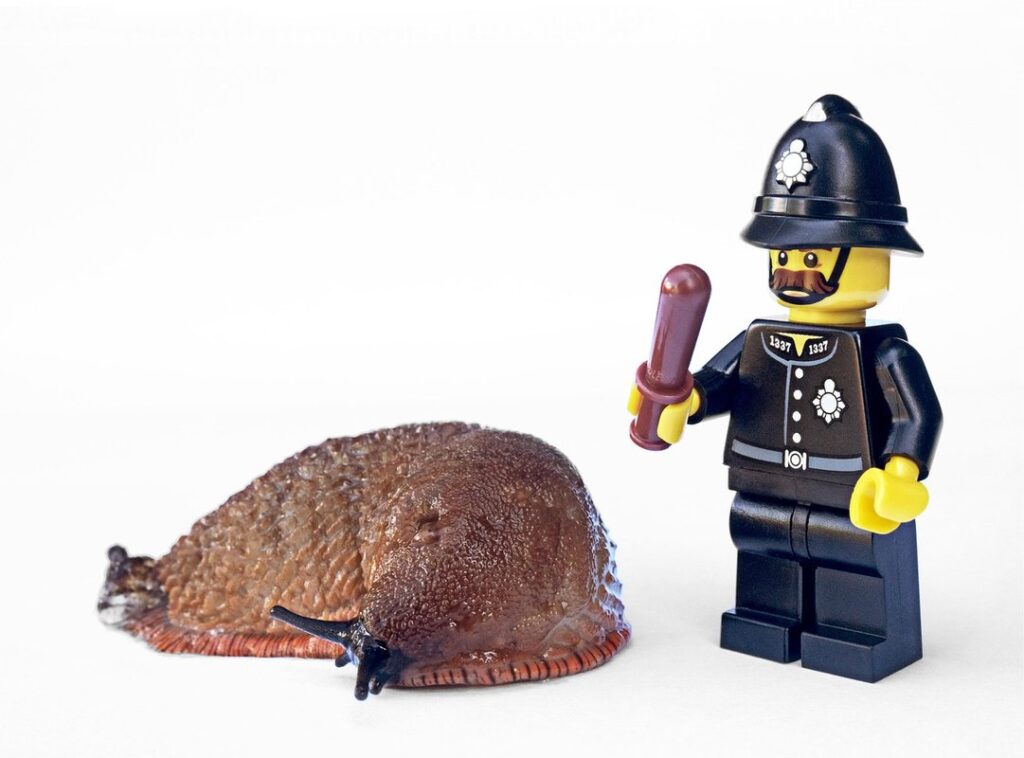
Understanding Slugs and Their Impact
To effectively manage slugs in your garden, it’s essential to understand their behavior, habits, and how they can impact your plants. This knowledge will help you choose the right organic control methods.
What are Slugs and How Do They Harm Plants?
Slugs are slimy, soft-bodied mollusks that belong to the phylum Mollusca. They have no external shell and are closely related to snails. These pests are nocturnal and tend to be most active during the night when plants are more vulnerable. Slugs feed on plant tissues, causing significant damage to leaves, stems, flowers, and fruits.
They can cause extensive harm by consuming large amounts of vegetation in a short period, leading to weakened or even dead plants. Some slugs, like the gray field slug, are particularly aggressive eaters and can devour up to two-thirds of their body weight in a single night. This translates to significant losses for gardeners who have invested time and effort into cultivating their crops.
To understand how to control these pests effectively, it’s essential to comprehend their behavior and preferences. For instance, slugs prefer damp environments with abundant moisture, which makes them more active during rainy nights or after heavy watering. Knowing this helps you take preventive measures such as improving garden drainage or using organic barriers to deter them.
Identifying Slug Infestations: Signs and Symptoms
When it comes to identifying slug infestations in your garden, there are several common signs and symptoms you can look out for. One of the most telling indicators is the presence of holes in leaves or stems. Slugs love to feed on plant sap, which they access through these tiny openings, leaving behind a trail of damage.
As slugs move through the garden, they leave behind a characteristic silvery trail. This occurs when their slime-covered bodies rub against surfaces, depositing a layer of mucus that reflects light and appears as a shiny, metallic streak. Keep an eye out for these trails on leaves, stems, and even soil surfaces.
If you notice your plants looking particularly ravaged or withered, it could be a sign of slug activity. Slugs are notorious for their voracious appetites, and they can cause significant damage to a wide range of plant species. Look for chewed edges, torn leaves, and other signs of feeding activity.
To confirm the presence of slugs, try checking your garden at night when these nocturnal pests are most active. Use a flashlight to spot them hiding in dark areas or under debris. By recognizing these signs and symptoms, you can take proactive steps to implement organic slug control methods and prevent further damage.
Natural Methods for Repelling Slugs
For a truly effective organic slug control approach, consider trying these natural methods for repelling slugs from your garden without harming the environment. From copper barriers to crushed eggshells, we’ve got you covered!
Using Physical Barriers: Copper Tape, Crushed Eggshells, and More
When it comes to deterring slugs from entering your garden, physical barriers can be an effective and non-toxic solution. Copper tape is a popular choice for its ability to repel slugs with a mild electric shock. Apply copper tape around the perimeter of your plants or along pathways, making sure to seal any gaps or joints. This will create an unpleasant environment for slugs and encourage them to seek alternative routes.
Other materials can also be used as physical barriers, such as crushed eggshells, sharp gravel, or even cayenne pepper. These substances are unpalatable to slugs and can deter them from crossing over. Sprinkle crushed eggshells around the base of your plants, making sure to cover a wide area to prevent slugs from finding alternative routes. For smaller areas, try sprinkling cayenne pepper along paths or around individual plants.
Planting Slug-Repellent Plants: A Guide to Natural Deterrents
When it comes to repelling slugs without using chemicals, planting slug-repellent plants is an effective and natural approach. Certain plants are known to deter slugs from entering your garden, while others attract them away from your prized vegetables. For example, lavender and rosemary are two popular herbs that slugs tend to dislike, making them a great addition to your garden.
Plant these repellents around the perimeter of your garden or near affected areas to create a slug-free zone. You can also plant marigold, which is known to repel nematodes, a type of microscopic worm that often feeds on plants and attracts slugs. Plant marigolds around the base of tomatoes, peppers, and other vulnerable vegetables to protect them from slug damage.
To get the most out of these repellent plants, remember to plant multiple varieties together for maximum effect. Also, consider planting them in clusters or rows to create a barrier against slug invasion. By using these natural deterrents effectively, you can significantly reduce slug activity in your garden and keep your plants safe without resorting to chemicals.
Chemical Control Methods for Severe Infestations
If you’ve tried milder approaches but still have a severe slug infestation, it’s essential to explore more drastic chemical control methods to save your garden. This section will delve into those options for you.
Using Iron Phosphate Baits: Safety Precautions and Effectiveness
When it comes to controlling severe slug infestations organically, iron phosphate baits are a popular and effective option. These baits typically contain ferramanganese diphosphate (Fe Mn PO4), which is the active ingredient that works by attracting slugs with its metallic taste. Once ingested, the compound causes the slugs to stop feeding and eventually die.
To use iron phosphate baits safely, it’s essential to follow a few guidelines. Firstly, ensure you apply them at night or early morning when slugs are most active, as this will help prevent accidental ingestion by pets or children. Secondly, always read and follow the label instructions carefully, as some products may have specific application rates or recommended coverage areas.
Studies have shown that iron phosphate baits can be up to 90% effective in controlling slug populations over a short period of time. To maximize their effectiveness, use multiple baits in strategic locations around your garden, focusing on areas with high slug activity. This will help prevent slugs from escaping and ensure they don’t breed elsewhere in the garden.
Other Chemical Controls: Bait Traps and Pelletized Insecticides
While chemical control methods can be effective for severe slug infestations, they’re not always the best option, especially if you’re looking for an organic solution. However, there are some other chemical controls worth mentioning: bait traps and pelletized insecticides.
Bait traps typically consist of a container filled with a liquid or gel-based bait that’s attractive to slugs. These baits often contain iron phosphate, which is a non-toxic ingredient that can be safely ingested by humans and pets. Pros of using bait traps include their ability to target specific areas where slugs are most active and their ease of use. However, cons include the need for regular monitoring and replacement of empty containers.
Pelletized insecticides, on the other hand, contain a powder or granule that’s sprinkled around plants. These can be effective at killing slugs on contact, but they may not provide long-term protection against future infestations. Some popular options include ferramiphos and metaldehyde. While these products are available in organic forms, they still pose risks to non-target organisms like bees and other beneficial insects.
If you do choose to use chemical controls, make sure to follow the product instructions carefully and take steps to minimize exposure to nearby plants, pets, and wildlife. It’s also essential to consider the long-term consequences of using these methods, as over-reliance on chemicals can lead to resistant slug populations and damage to soil ecosystems.
Organic Slug Control Methods for Small Gardens
For small garden owners, finding effective organic slug control methods can be a challenge, but we’ve got you covered with these non-toxic solutions. Discover simple and natural ways to keep slugs at bay in your compact outdoor space.
Hand-picking Slugs: A Manual Approach to Slug Management
When it comes to organic slug control, hand-picking is a manual approach that can be effective in small gardens. To do this safely and efficiently, you’ll want to don some gloves before heading out into the garden at dawn or dusk when slugs are most active. Use a torch to spot them, as they tend to blend in with their surroundings.
For small areas, a bucket or container will suffice for collecting the slugs. Place them in a sealed plastic bag with some straw or a similar material to provide oxygen and transport them away from your garden. Release them at least 1 mile away to prevent re-infestation.
Keep in mind that hand-picking is labor-intensive and may not be practical for larger areas, but it’s an effective method for small gardens where the slug population is manageable. To maximize efficiency, target areas with high slug activity, such as under mulch or near plants with damaged leaves.
DIY Slug Traps: Creative Solutions for Small Garden Owners
When it comes to controlling slugs in your small garden, you don’t always need to rely on chemical-based solutions. One of the most effective and creative ways to capture these pesky pests is by making DIY slug traps using household items.
For instance, you can use plastic containers or yogurt cups to create a simple yet efficient trap. Cut a piece of cardboard or a newspaper to fit inside the container, and then fill it with about an inch of water. Place the trap near your affected plants, and as slugs are attracted to moisture, they’ll be drawn to the container and drown in the water.
Another option is to use an old jar or tin can, filling it with beer instead of water. Slugs are also drawn to the fermented smell of beer, which will make them crawl into the jar and get trapped. Make sure to place the trap near your plants at night when slugs are most active, and dispose of any caught slugs in the morning.
These creative traps not only save you money but also allow you to maintain a chemical-free garden environment.
Preventing Slug Infestations in the Future
Now that you’ve learned how to control slugs organically, let’s talk about preventing slug infestations from happening in the first place. We’ll share some simple strategies to keep your garden slug-free long-term.
Maintaining a Healthy Ecosystem: Soil Quality and Moisture Control
Maintaining a healthy ecosystem in your garden is crucial to preventing slug infestations. One of the most critical aspects of a balanced ecosystem is soil quality. Healthy soil is teeming with beneficial microorganisms, fungi, and bacteria that help break down organic matter and make nutrients available to plants. To improve soil quality, focus on adding compost or well-rotted manure to your garden beds. This will not only enrich the soil but also encourage a diverse range of beneficial microbes.
Moisture control is equally important in maintaining a healthy ecosystem. Slugs thrive in humid environments, so it’s essential to strike a balance between keeping the soil consistently moist and preventing waterlogged conditions. Aim for about 2-3 inches of moisture in the top 6 inches of soil. You can achieve this by mulching around plants or using drip irrigation systems that deliver water directly to the roots.
By maintaining good soil quality and controlling moisture levels, you’ll create an environment less conducive to slug infestations.
Removing Attractants: Food Sources and Shelter for Slugs
Slugs are drawn to gardens like magnets, and it’s not hard to see why. A lush patch of juicy leaves, a ripe fruit tree, or a damp corner with plenty of hiding spots is like a five-star resort for these slimy creatures. To discourage slugs from making your garden their home, you need to remove the attractants that bring them in the first place.
Start by clearing out any debris and weeds that provide shelter for slugs. Regularly tidy up around plants, removing any dead leaves or stems that can create a cozy hideaway for these pests. Also, avoid overwatering, as this creates an ideal environment for slugs to thrive. Instead, use soaker hoses or drip irrigation systems that deliver water directly to the roots, reducing excess moisture on the surface.
Eliminate food sources by removing weeds and disposing of any ripe or rotting fruits and vegetables. Consider using plants that are less appealing to slugs, such as marigolds, chives, or garlic. These can help repel slugs without harming beneficial insects in your garden.
Conclusion
In conclusion, controlling slugs organically in your garden requires a multi-faceted approach. By understanding their habits and vulnerabilities, you can implement effective methods for prevention and control. For instance, removing weeds and debris, using copper barriers, and introducing natural predators like hedgehogs or toads can help deter slug infestations. Additionally, maintaining a healthy soil ecosystem through composting and mulching can also reduce the attractiveness of your garden to slugs. Remember, organic slug control is not just about eliminating them, but also about creating an environment that discourages their presence in the first place. By following these strategies consistently, you’ll be well on your way to protecting your plants from these pesky pests and enjoying a thriving, slug-free garden.
Frequently Asked Questions
Can I use a combination of physical barriers and repellent plants for optimal slug control?
Yes, combining different organic methods can enhance the effectiveness of your slug control strategy. Physical barriers like copper tape or crushed eggshells can deter slugs from crossing certain areas, while planting repellent plants can help create an overall environment that discourages slug activity.
How long does it take to see results from using iron phosphate baits?
Results from using iron phosphate baits may vary depending on the severity of the infestation and the specific product used. However, most users report seeing a significant reduction in slug populations within 1-3 weeks after initial application. It’s essential to follow the recommended dosages and reapplication schedule for optimal results.
Can I use homemade traps made from recycled materials?
Yes, you can repurpose household items like plastic containers or old pots to create DIY slug traps. Fill these with a mixture of beer or yeast solution to attract slugs, then dispose of them in the morning. Just be sure to rinse and clean your containers thoroughly before reuse.
Are there any natural predators that can help control slug populations?
Yes, certain animals like hedgehogs, frogs, and toads are known to prey on slugs. Encouraging these species in your garden by providing shelter and a balanced ecosystem can help naturally regulate slug numbers.
How do I maintain a healthy ecosystem that discourages slug infestations?
Maintaining a balanced ecosystem involves ensuring proper soil quality, controlling moisture levels, and removing attractants like food sources and shelter for slugs. Regularly inspect your garden for signs of slug activity and address any issues promptly to prevent future infestations.