
Are you tired of waking up to find your prized garden plants ravaged by slugs? These slimy pests can be a gardener’s worst nightmare, but don’t worry, we’ve got you covered. Organic slug control is not only better for the environment, it’s also more effective in the long run than chemical solutions that can harm your soil and other beneficial organisms. In this comprehensive guide, we’ll explore non-toxic methods to prevent and control slugs in your garden, from repellents to Integrated Pest Management (IPM) strategies. We’ll show you how to create a healthy and sustainable garden ecosystem where pests like slugs are kept at bay without compromising the well-being of your plants or the environment. Keep reading to learn our expert tips for a slug-free garden that’s as beautiful as it is balanced.
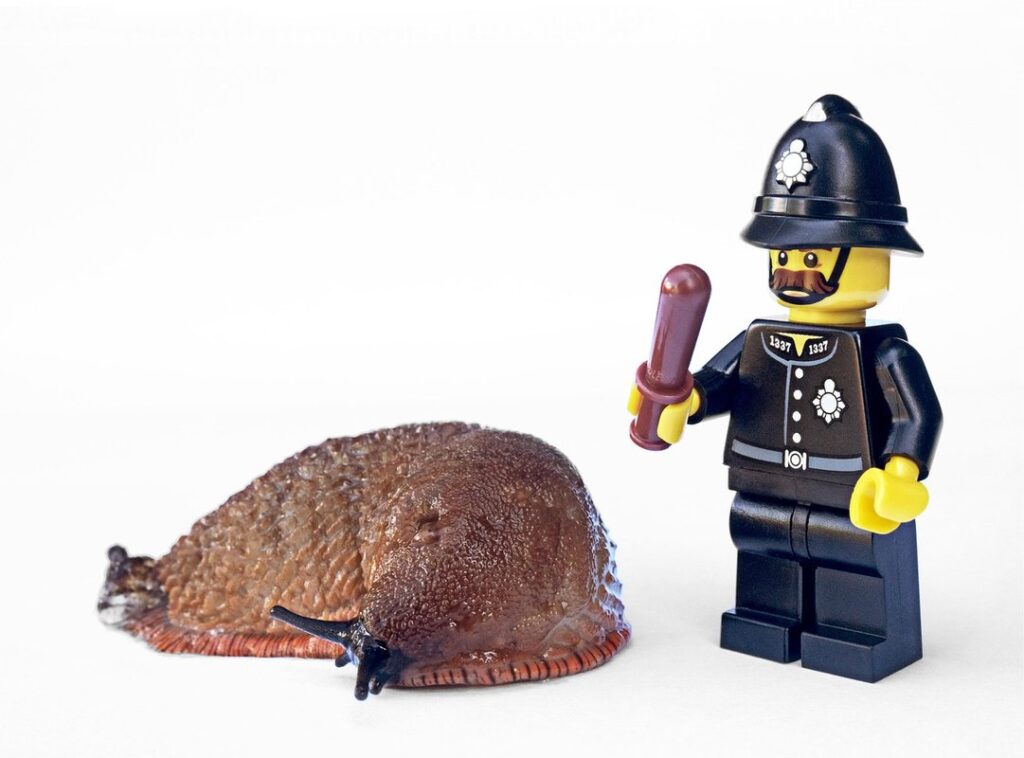
Understanding the Problem
To effectively tackle organic slug control, it’s essential to understand the root causes of the problem and identify areas where slugs are most likely to occur in your garden. Let’s dive into these underlying issues.
The Risks of Slugs in Your Garden
Slugs can be a garden owner’s worst nightmare. These slimy pests can wreak havoc on even the healthiest of plants, causing significant damage and potential losses. One of the primary concerns with slugs is their ability to devour entire leaves, stems, and flowers in a single night, leaving nothing but shredded remains behind.
The types of damage caused by slugs can be extensive. They tend to target tender shoots, young growths, and newly emerged buds, which are particularly vulnerable to attack. Slugs also love to feed on juicy fruits and vegetables, such as strawberries, lettuce, and tomatoes. The consequences of slug infestations can be substantial, with some gardeners reporting losses ranging from 20% to 50% of their crop yields.
The financial implications of slug damage can be significant too. A small-scale gardener may lose a few dozen dollars’ worth of produce, while larger commercial growers can suffer losses running into thousands of dollars. It’s essential to take proactive steps to prevent and control slug populations before they cause irreparable harm to your garden.
Identifying Common Pest Species
When it comes to dealing with slugs in your garden, it’s essential to know which species you’re up against. There are several common slug species found in gardens worldwide, each with their unique habits and habitats.
The most common garden pest is the Gray Garden Slug (Deroceras reticulatum), responsible for significant damage to plants. They thrive in moist environments and are often found in areas with dense vegetation. To identify them, look for their distinctive grayish-brown color and slimy trail on leaves and stems. These slugs are most active at night, so it’s crucial to inspect your garden during this time.
Another common species is the Black Slug (Arion ater), which prefers well-drained soil and often inhabits areas with rich organic matter. They’re also nocturnal, but their dark coloration makes them harder to spot than Gray Garden Slugs. Understanding these habits will help you develop targeted strategies for controlling slugs in your garden. Keep an eye out for signs of slug activity, such as holes in leaves or stems, and inspect plants regularly to catch any early infestations.
Environmental Factors Contributing to Slug Infestations
Slugs are most likely to thrive in environments that offer them plenty of moisture, food, and shelter. Weather conditions play a significant role in slug infestations, with heavy rainfall and high humidity creating the perfect breeding ground for these pests. Prolonged periods of wet weather can cause the soil to become waterlogged, making it easier for slugs to move around and feed on plants.
The type of soil in your garden can also contribute to slug populations. Slugs prefer well-draining soils that are rich in organic matter, such as compost or leaf mold. If your soil is consistently wet or prone to waterlogging, it may be more susceptible to slug infestations. Conversely, gardens with poor drainage or dry conditions are less likely to attract slugs.
When selecting plants for your garden, choose varieties that are naturally resistant to slugs. Some examples include lavender, rosemary, and chamomile. These plants tend to have a strong scent that deters slugs, making them an excellent addition to any slug-control strategy. By understanding the environmental factors contributing to slug infestations, you can take steps to modify your garden conditions and make it less attractive to these pests.
Non-Toxic Methods for Organic Slug Control
If you’re looking to eliminate slugs from your garden without harming the environment, we’ll explore some effective non-toxic methods that really work. These techniques will help you keep your plants safe and healthy.
Hand-picking and Habitat Disruption
When it comes to non-toxic methods for organic slug control, hand-picking and habitat disruption are effective techniques that can be implemented in your garden. Hand-picking involves physically removing slugs from the garden, which is a simple yet time-consuming method. To effectively hand-pick slugs, inspect your plants regularly, especially during early morning or evening when slugs are most active.
One technique for finding slugs is to shine a light on the area at night, as their slime trails will be visible under UV light. Another way to locate them is to check the undersides of leaves and the soil around plants for signs of slug activity. Be sure to gently pick up the slugs and release them far away from your garden to prevent re-infestation.
Habitat disruption involves altering the environment to make it less conducive to slug habitation. This can be achieved by removing debris, weeds, and other hiding spots that attract slugs. Additionally, incorporating physical barriers around plants, such as copper tape or crushed eggshells, can deter slugs from crossing over and reaching your prized crops.
To implement habitat disruption effectively, start by clearing the garden of any debris and weeds. Then, focus on creating a slug-free zone around your most vulnerable plants. By combining hand-picking with habitat disruption, you’ll be able to significantly reduce the slug population in your garden and protect your organic produce from damage.
Copper Barriers: A Physical Deterrent
Copper has been a trusted natural deterrent against slugs and snails for centuries, and its effectiveness lies in its toxicity to these pests. When exposed to copper, slugs and snails experience a strong adverse reaction, making it an ideal material for barriers. Copper’s ion exchange with the mollusk’s body disrupts their osmoregulation process, causing them to dehydrate and eventually die.
To use copper as a barrier in your garden, you can create a ring of copper tape or mesh around susceptible plants. For example, place a 6-inch wide strip of copper tape around each plant stem to prevent slugs from climbing up. Alternatively, bury copper mesh around the base of plants, ensuring that it extends at least 12 inches below ground level.
When selecting copper materials, ensure they are at least 99% pure to maximize their effectiveness. Also, keep in mind that copper barriers may require periodic replacement due to weathering and erosion over time. Regular maintenance will help maintain the barrier’s integrity and prevent slugs from circumventing it.
Horticultural Sand: An Alternative Barrier Method
Horticultural sand is gaining popularity as an alternative barrier method for organic slug control. Unlike copper barriers, which can be toxic to certain beneficial insects, horticultural sand poses no harm to the environment. Its effectiveness lies in its ability to disrupt slugs’ natural movement patterns, making it difficult for them to traverse.
To use horticular sand effectively, apply a 1-2 inch layer around the affected plants. This barrier is most effective when combined with other organic control methods, such as hand-picking or using beer traps. Keep in mind that while horticultural sand can be an effective deterrent, it may not completely eliminate slug infestations.
Some gardeners have reported success with using a combination of horticultural sand and crushed eggshells to repel slugs. The sharp edges of the shells make it uncomfortable for slugs to cross over, adding an extra layer of protection to your plants. When choosing horticultural sand, opt for a high-quality product that is free from additives and chemicals. This will ensure the safest possible option for your garden ecosystem.
Organic Slug Repellents and Deterrents
If you’re looking for a non-toxic way to keep slugs at bay, we’ve got some effective organic slug repellent options that’ll fit right into your gardening routine. Let’s take a look!
Plant-based Repellents
When it comes to organic slug repellents, one of the most effective and non-toxic methods is using plants that naturally deter slugs. These plants are often referred to as “repellent plants” or “slug-resistant plants.” They come in a variety of shapes, sizes, and growth habits, but all share the common trait of being unappealing to slugs.
Some examples of plant-based repellents include garlic, chives, and hot peppers. These plants have strong scents that are unpleasant for slugs, making them an excellent addition to your garden’s slug-control strategy. For example, you can plant garlic cloves around the perimeter of your bed or incorporate chive leaves into your compost pile.
Other plants like lavender, rosemary, and thyme also repel slugs due to their pungent aromas. These herbs are easy to grow and can be used in a variety of ways, from adding them to your garden beds to using them as companion plants. When choosing repellent plants, consider their growth habits and space requirements to ensure they don’t compete with your other plants for resources.
By incorporating these plant-based repellents into your organic slug control strategy, you’ll be able to create a more balanced and harmonious garden ecosystem that’s less appealing to slugs.
Commercial Slug Repellents: Evaluating Safety and Effectiveness
When it comes to commercial slug repellents, it’s essential to evaluate their safety and effectiveness before using them in your garden. Many products on the market claim to repel slugs, but not all ingredients are created equal.
Look for products that use natural ingredients like iron phosphate, which is a common active ingredient in organic slug baits. These types of products are generally safer for pets, children, and wildlife than those containing synthetic pesticides. However, be aware that some commercial repellents may contain fragrances or dyes that can harm beneficial insects.
Before making a purchase, carefully read the product label to understand what it contains and how it works. Check user reviews online to see if other gardeners have had success with the product. Some popular commercial slug repellents include those containing diatomaceous earth or copper-based products. While these may be effective, they can also pose risks to aquatic life if not used properly.
When using commercial slug repellents, always follow the instructions carefully and take necessary precautions to avoid exposure to the active ingredients. If you’re unsure about a product’s safety or effectiveness, consider consulting with a gardening expert or exploring alternative organic solutions.
Integrated Pest Management (IPM) Strategies for Slugs
Effective integrated pest management (IPM) strategies are crucial when it comes to controlling slug populations without harming your garden’s ecosystem, and we’re about to dive into our top methods.
Understanding the IPM Approach
Integrated Pest Management (IPM) is a holistic approach to managing pests like slugs in gardens. At its core, IPM involves understanding the complex relationships between pests, their environment, and the ecosystem as a whole. By adopting an IPM approach, gardeners can move beyond relying on chemical pesticides, which not only harm the environment but also contribute to slug populations developing pesticide resistance.
To apply IPM principles to slug control in gardens, start by monitoring your garden’s ecosystem. Identify the factors that attract slugs, such as moist soil and leaf litter. Consider implementing physical barriers like copper tape around plant stems or crushed eggshells to deter slugs from crossing into your garden beds. By understanding these mechanisms, you can develop a targeted strategy for controlling slug populations.
IPM also involves selecting plants that are less attractive to slugs or using natural repellents. For example, planting garlic, chives, or onions around the perimeter of your garden has been shown to repel slugs effectively. This multi-faceted approach not only reduces chemical use but also fosters a healthier garden ecosystem.
Combining Methods: A Holistic Approach
Combining non-toxic methods with habitat modification and plant selection is key to comprehensive slug control. By adopting a holistic approach, you can effectively reduce the slug population in your garden while maintaining its natural balance.
To start, identify areas where slugs tend to congregate, such as near water sources or under dense foliage. Modify these habitats by removing weeds, debris, and moist materials that provide shelter for slugs. For example, replace damp mulch with dry alternatives like gravel or stone, which won’t attract moisture-loving pests.
Next, choose slug-resistant plants for your garden, which can help repel or trap slugs. Some options include lavender, rosemary, and chamomile, while others like marigold and garlic release chemicals that deter slugs. Consider grouping these plants together to create a slug-deterrent barrier around your prized specimens.
When combining non-toxic methods with habitat modification and plant selection, be patient and persistent. Monitor the effectiveness of each approach, making adjustments as needed to optimize results. With time and practice, you’ll develop an integrated pest management strategy tailored to your garden’s unique needs, ensuring a balanced ecosystem that thrives without chemical interventions.
Additional Considerations for Effective Slug Control
While you’ve successfully implemented organic slug control methods, there are a few more factors to consider for long-term success and minimizing future infestations. These additional considerations can make all the difference in protecting your garden.
Monitoring and Record-keeping
Monitoring garden conditions is crucial to effective slug control. You need to keep an eye on temperature fluctuations, humidity levels, and soil moisture, as these factors can significantly impact slug activity. For instance, slugs are most active during periods of high rainfall or when the soil is consistently moist.
To monitor your garden’s conditions, start by keeping a Slug Control Journal. Record the weather patterns, note any changes in plant health, and document any observed slug activity. This record-keeping will help you identify patterns and correlations between environmental factors and slug behavior.
Use this data to adjust your control strategies accordingly. If you notice that slugs are most active during certain times of the year or when specific weather conditions prevail, plan your treatments around these periods. For example, if you’ve observed that slugs thrive in wet conditions, consider applying a barrier of copper tape around plants only when it’s been raining for an extended period.
Remember to also note any changes in plant health and adjust your control strategies accordingly. By monitoring garden conditions and keeping records, you’ll be able to make informed decisions about slug control and maintain the overall health of your garden.
Long-term Solutions: Planning for the Future
When it comes to maintaining a slug-free garden over time, planning and routine are essential. Seasonal planning is crucial as slugs are more active during certain periods of the year. For instance, autumn is a prime breeding season for slugs, while spring sees them emerging from hibernation.
To plan effectively, consider your garden’s layout and soil type. Slugs prefer moist environments with rich organic matter. Identify areas with high slug activity and adjust your maintenance routines accordingly. Implement seasonal control measures such as:
• Autumn: Use copper tape or mesh around plants to deter slugs during their breeding season.
• Spring: Remove weeds and debris that can attract slugs, and implement a mulch layer to prevent moisture accumulation.
Regular garden maintenance is also vital for long-term slug control. Establish a routine that includes:
• Inspecting your garden regularly for signs of slug activity
• Removing any weeds or debris that may harbor slugs
• Watering plants efficiently to avoid creating slug-friendly environments
By incorporating these seasonal planning and maintenance routines into your gardening practice, you can effectively maintain a slug-free garden over time.
Conclusion: Achieving Sustainable Organic Slug Control
In conclusion, achieving sustainable organic slug control is not only possible but also essential for maintaining a healthy garden ecosystem. By combining physical barriers, copper-based deterrents, and natural predators with a few clever tricks like beer traps and crushed eggshells, you can effectively protect your plants from these pesky pests. Remember to monitor your garden regularly and adjust your strategies as needed, as slugs can be adaptable creatures. With patience, persistence, and a willingness to experiment, you’ll be well on your way to cultivating a slug-free haven where your vegetables and flowers can thrive. By choosing organic methods, you’re not only protecting the environment but also setting an example for sustainable gardening practices that can inspire others to follow suit.
Frequently Asked Questions
What if I have a large garden with multiple beds – how do I implement organic slug control on a bigger scale?
Implementing organic slug control in a larger garden requires a more comprehensive approach. Consider dividing your garden into smaller sections and applying non-toxic methods specific to each area. For example, you might use copper barriers around individual plants or groups of plants, while using horticultural sand as a barrier method for particularly vulnerable areas.
Can I combine different organic slug control methods – like hand-picking and repellents – in the same garden?
Combining different methods can be an effective way to tackle slugs. However, it’s essential to choose methods that complement each other rather than conflicting with one another. For instance, using hand-picking for targeted areas while applying a non-toxic repellent over a broader area can help prevent slug migration and reduce the risk of pests adapting to your control methods.
How do I monitor and record my slug control efforts – what metrics should I track?
Monitoring and record-keeping are crucial components of successful organic slug control. Track the number of slugs you remove, the areas where damage is most prevalent, and any changes in pest populations over time. You might also want to note weather patterns, soil moisture levels, or other environmental factors that could influence your control efforts.
Are there specific plant species more resistant to slug damage – can I use these as a starting point for my garden?
While no plants are completely immune to slug damage, some species are indeed more resilient than others. Consider planting slug-resistant varieties in areas where you’ve struggled with pest infestations in the past. However, keep in mind that even resistant plants may still require additional protection measures, such as using barriers or repellents.
What’s the ideal timing for applying organic slug control methods – should I wait until after the first frost?
Timing is essential when it comes to applying organic slug control methods. Apply your chosen non-toxic methods during the early stages of plant growth, before slugs become established. Avoid waiting until after the first frost, as this can give pests a head start on damaging your plants. Instead, focus on creating a healthy garden ecosystem that discourages slug infestations from occurring in the first place.