
Gardening is a labor of love, but it can quickly turn into a battle when pests invade your prized plants. Chemical pesticides might seem like an easy solution, but they can harm the very ecosystem you’re trying to nurture. That’s where organic pest management comes in – a holistic approach that uses biological control, cultural controls, and integrated pest management techniques to keep your garden healthy.
By ditching the chemicals and adopting organic methods, you’ll not only protect your plants but also create a balanced environment that benefits from beneficial insects and microorganisms. In this article, we’ll explore the benefits of organic pest management in gardens and provide practical tips on how to implement it effectively. Whether you’re a seasoned gardener or just starting out, you’ll learn how to manage garden pests using natural and sustainable methods that promote biodiversity and ecosystem balance.
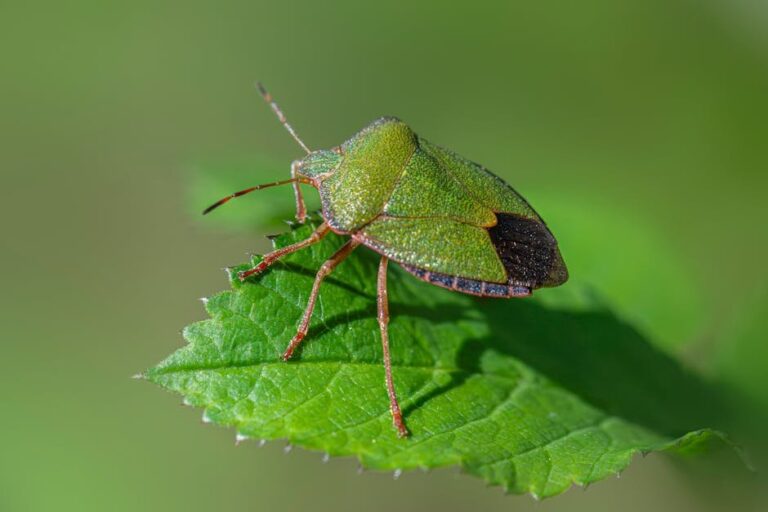
Understanding the Importance of Organic Pest Management
When it comes to protecting your garden from pests, understanding why organic methods are crucial is key. In this section, we’ll explore the importance of choosing natural solutions for pest control.
Benefits of Organic Pest Management for Garden Health
When you opt for organic pest management methods in your garden, you’re not only protecting your plants from pests and diseases but also creating a healthier environment. The benefits of using these eco-friendly approaches are numerous, and they far outweigh the costs.
Firstly, organic pest management promotes environmental sustainability by reducing the use of chemical pesticides that can pollute soil, air, and water. These chemicals may also harm beneficial insects like bees, butterflies, and ladybugs, which are essential for a balanced ecosystem. In contrast, organic methods encourage biodiversity in your garden, allowing natural predators to control pest populations.
Another significant advantage is reduced chemical exposure. When you spray pesticides, the toxic substances can drift onto surrounding plants, soil, and even your skin. Organic pest management eliminates this risk, ensuring a safer environment for you, your family, and pets. For instance, using neem oil or insecticidal soap to control pests instead of synthetic chemicals is a more environmentally friendly option.
By adopting organic pest management practices, you can enjoy healthier plants, a cleaner garden, and a reduced carbon footprint.
Common Challenges Faced by Gardeners with Pests
As you navigate the world of organic pest management, it’s essential to be aware of the common challenges that gardeners face when dealing with pests. One significant issue is scale buildup, where a layer of sticky substance covers plant surfaces, attracting more pests and creating an environment ripe for infestation. To combat this, regularly inspect your plants and use physical barriers like fine mesh or row covers to prevent pests from reaching them.
Another challenge gardeners encounter is pest resistance to traditional pesticides. Over-reliance on chemical controls can lead to the development of “superpests” that are resistant to multiple chemicals, making them even more difficult to manage. Instead, adopt a rotation approach with organic pesticides and use integrated pest management (IPM) strategies that combine physical barriers, biological controls, and cultural practices to prevent pest buildup.
When you notice pests on your plants, resist the temptation to reach for chemical pesticides immediately. Assess the situation, identify the pest, and explore alternative control methods before resorting to traditional pesticides. This approach will not only minimize the risk of developing resistant pests but also preserve the health of your garden ecosystem.
Identifying Pest Problems in Your Garden
To effectively manage pests organically, it’s crucial to first identify any problems that may be present in your garden. This section will guide you through the process of detecting common pest issues.
Signs of Infestation: Visual Cues for Pest Identification
When inspecting your garden for signs of pest infestation, it’s essential to look beyond the obvious damage. Visual cues can provide valuable information about the type of pest you’re dealing with and the level of infestation. Here are some common visual signs to watch out for:
* Damage patterns: Pests like aphids, whiteflies, and spider mites tend to cause scattered, random damage to leaves. In contrast, pests like slugs and snails often leave smooth, rounded holes or notches on the edges of leaves.
* Color changes: Fungal infections caused by pests like fungal gnats can turn leaves yellow or brown. Other pests like beetles may excrete a sticky substance called honeydew, which can attract ants and promote fungal growth.
* Physical symptoms: Pests like caterpillars and sawflies often leave behind characteristic “shot-holes” in the leaves where they have been feeding. Additionally, some pests like aphids and thrips can secrete waxy or powdery substances that coat the leaves.
By paying attention to these visual signs, you can identify the type of pest infestation and take targeted action to control it organically. For example, if you notice a fungal infection, you may need to adjust your watering schedule or use a fungicide specifically designed for organic gardening.
Common Garden Pests and Their Characteristics
Garden pests can be frustrating and damaging to your hard work. Among the most common garden pests are aphids, whiteflies, and slugs. Understanding their habits and habitats is crucial for effective organic pest management.
Aphids are small, soft-bodied insects that feed on plant sap, causing curled or distorted leaves. They reproduce quickly, often producing live young, and can spread diseases from plant to plant. Whiteflies, on the other hand, are tiny flying insects that also feed on plant sap, leaving behind a sticky substance known as honeydew that attracts ants and promotes fungal growth. Slugs, being mollusks, have no natural predators in gardens and feed on plants at night, leaving behind silvery trails of slime.
Identifying these pests early is key to controlling their populations. Inspect your plants regularly for signs of infestation, such as small holes in leaves or sticky residue. Use natural barriers like fine mesh or copper tape to prevent whiteflies from reaching your plants. For slugs, remove weeds and debris that provide shelter, and use crushed eggshells or coffee grounds to deter them from crossing over plant borders.
Keep in mind that a diverse garden ecosystem can help control pest populations naturally. Encourage beneficial insects like ladybugs and lacewings, which prey on aphids and whiteflies.
Choosing the Right Organic Pest Management Methods
When it comes to effectively managing pests in your garden, selecting the right organic methods is crucial. This section will explore the various options available to help you make informed decisions for your unique garden needs.
Biological Control: Using Natural Predators to Manage Pests
Biological control methods offer a natural and effective way to manage pest populations in gardens. By introducing natural predators or parasites, you can create a balance between the pests and their natural enemies, ultimately reducing the need for chemical pesticides.
One of the most common biological control methods is introducing beneficial insects, such as ladybugs, lacewings, or parasitic wasps, which prey on specific pest species. For example, lacewings are known to feed on aphids, whiteflies, and other soft-bodied insects. By releasing these beneficial insects in your garden, you can create a natural balance that keeps pest populations under control.
Another approach is using parasites, such as Trichogramma wasps or Encarsia wasp eggs, which target specific pest species like caterpillars or aphids. These parasites are usually introduced to the garden through specialized packaging or by attracting them with specific host plants.
When implementing biological control methods, it’s essential to identify the pests and their natural enemies first. Research local beneficial insects that prey on your specific pest species and consider releasing them in the garden during optimal times for survival and reproduction.
Cultural Controls: Adjusting Garden Practices for Pest Prevention
When it comes to managing pests organically, cultural controls are an essential aspect of prevention. These methods focus on making adjustments to garden practices that discourage pest infestations. By implementing these strategies, you can create a balanced ecosystem that promotes healthy plant growth and reduces the need for chemical pesticides.
Crop rotation is a simple yet effective way to prevent pests from taking hold. By rotating crops seasonally or annually, you break the life cycle of pests, making it difficult for them to adapt to your garden. For example, if you’re growing tomatoes in one bed, try planting marigolds or basil in the adjacent bed to repel nematodes and whiteflies. Pruning techniques can also help prevent pest infestations by removing weeds, which can harbor pests, and promoting air circulation around plants.
Watering practices play a significant role in pest prevention as well. Avoid overwatering, which can attract slugs, snails, and other pests that thrive in moist environments. Instead, use drip irrigation systems or soaker hoses to deliver water directly to the roots, reducing evaporation and runoff. By adjusting these garden practices, you can significantly reduce your reliance on chemical pesticides and create a more sustainable gardening routine.
Organic Pest Management Techniques
Let’s dive into some effective organic pest management techniques that will help you keep your garden thriving without using harsh chemicals. From companion planting to beneficial insects, we’ll explore it all.
Hand-picking and Trapping Pests Humanely
Hand-picking and trapping are effective organic pest management methods that allow you to control pest populations without using chemicals. This approach is especially useful for managing small infestations or delicate plant species. When hand-picking, inspect plants regularly for signs of pests like aphids, whiteflies, or spider mites. Use a soft-bristled brush or your fingers to gently remove the pests from the plant, taking care not to damage leaves or stems.
For trapping methods, use sticky traps or pitfall traps strategically placed near affected areas. For example, if you’re dealing with cucumber beetles, place yellow traps nearby, as these insects are attracted to yellow colors. Alternatively, create a shallow pitfall trap filled with water and place it under a plant’s canopy to capture slugs and snails.
When using hand-picking or trapping methods, ensure you wear gloves and wash your hands afterward to avoid transferring pests to other plants. Additionally, maintain cleanliness by disposing of collected pests in a sealed bag or container to prevent re-infestation. By incorporating these humane methods into your organic pest management routine, you’ll be able to effectively control pest populations while preserving the health and diversity of your garden ecosystem.
Encouraging Beneficial Insects: Creating a Balanced Ecosystem
Creating an ecosystem that encourages beneficial insects is a crucial aspect of organic pest management. By attracting and supporting pollinators, you can reduce the need for pesticides and maintain a balanced garden ecosystem. To do this, consider incorporating flowers that provide nectar and pollen, such as marigolds, sunflowers, and lavender. These plants not only attract bees and butterflies but also other beneficial insects like lacewings and hoverflies.
In addition to flowers, provide shelter and food sources for pollinators by including native vegetation, compost piles, and a source of fresh water. Native plants are more likely to attract native pollinators, which are better adapted to your garden’s specific climate and soil conditions. Compost piles can serve as a food source for beneficial insects like ground beetles, while a source of fresh water will keep pollinators hydrated.
Remember that a diverse range of flowers is key to attracting multiple types of beneficial insects. Incorporate a mix of annuals and perennials, and plant a variety of colors and shapes to provide a consistent nectar and pollen supply throughout the growing season. By creating this balanced ecosystem, you’ll be well on your way to managing pests organically and maintaining a healthy, thriving garden.
Monitoring and Preventing Pest Infestations
To effectively protect your garden, it’s essential to know how to monitor for pest activity and take preventative measures before infestations occur. This involves being aware of common pests and their habits.
Regular Garden Inspections for Early Detection
Regular garden inspections are a crucial step in detecting pest infestations early on. This allows you to take swift and targeted action to prevent the situation from escalating into a full-blown problem. By inspecting your garden regularly, you’ll be able to catch signs of pests before they cause significant damage.
When conducting a regular inspection, start by walking through your garden, paying attention to any unusual-looking plants or soil disturbances. Look for signs such as holes in leaves, chewed stems, or excessive aphid activity. Check the undersides of leaves and the tips of branches for eggs, larvae, or other pest indicators. Keep an eye out for ant trails, which can indicate a larger problem.
For example, if you notice that your tomato plants are being attacked by hornworms, you can quickly remove them and prevent further damage. Regular inspections also allow you to identify potential entry points for pests, such as gaps in fencing or open windows. By sealing these gaps, you’ll reduce the risk of pest infestations occurring in the first place.
Remember, regular garden inspections are a proactive approach to organic pest management. They enable you to address issues promptly and naturally, reducing the need for chemical pesticides.
Keeping a Gardening Journal: Tracking Pests and Management Methods
Keeping a gardening journal can be an invaluable tool for tracking pest populations and management methods. By recording observations, treatments, and outcomes, you’ll gain valuable insights into the effectiveness of different organic pest control strategies.
Start by dedicating a notebook or using a digital note-taking app specifically for your garden’s pest management. Each time you notice signs of pests, such as holes in leaves or eggs on stems, record the date, location, and type of pest. Also, note any weather conditions, soil moisture levels, and other environmental factors that may be contributing to the infestation.
Track the methods you use to manage the pests, including natural predators, beneficial insects, or organic pesticides. Record the application rates, timing, and effectiveness of each method. Analyzing this data will help you identify patterns and correlations between pest populations and management efforts. For instance, you might find that a particular spray is effective against aphids but not against whiteflies.
Integrated Pest Management (IPM) Strategies for Long-term Success
To successfully manage pests in your garden, you’ll want to implement a multi-faceted approach that considers prevention, monitoring, and non-toxic control methods. This section will dive into the details of IPM strategies for long-term success.
Combining Multiple Organic Pest Management Techniques
Combining multiple organic pest management techniques is crucial for achieving long-term success in managing garden pests. Using a single method can lead to resistance and reduced effectiveness over time. By integrating various approaches, you create a robust defense against pests and minimize the risk of developing resistant populations.
Consider a scenario where you’re dealing with aphids on your rose bushes. Using neem oil alone might provide temporary relief but could lead to neem-resistant strains eventually. Instead, combine neem oil with other methods: introducing beneficial insects like ladybugs or lacewings, practicing good garden hygiene (removing weeds and debris), and using physical barriers to prevent pests from reaching your plants.
Here are some key strategies for combining multiple techniques:
* Companion planting: Pair plants that repel pests, such as basil and tomatoes.
* Crop rotation: Rotate crops seasonally to break pest cycles.
* Biological controls: Use beneficial insects or microorganisms like bacteria or fungi.
* Physical barriers: Cover plants with fine mesh or row covers.
* Cultural controls: Modify irrigation, pruning, or fertilization practices to make your garden less appealing to pests.
By integrating these techniques, you can create a multi-layered defense system that keeps pests under control and maintains the health of your garden.
Regular Review and Adjustment of Garden Practices
Regularly reviewing and adjusting garden practices is crucial for maintaining a balanced ecosystem and preventing pest infestations. By taking a proactive approach to monitoring and adjusting your gardening techniques, you can identify potential issues before they become major problems.
Start by setting aside time each season to review your garden’s progress. Look for signs of pests, diseases, or nutrient deficiencies in plants. Consider factors such as weather patterns, soil quality, and crop rotation to understand how these elements may be contributing to pest issues. For example, if you notice a sudden increase in aphid populations on your roses, it may be due to a nearby infestation or a change in the local insect population.
When making adjustments, consider implementing new techniques such as introducing beneficial insects, using physical barriers, or practicing crop rotation. Keep detailed records of your gardening practices and note any changes you make. This will help you track what works and what doesn’t, allowing you to refine your strategies over time.
Frequently Asked Questions
How often should I inspect my garden for signs of infestation?
Regular inspections are crucial to detecting pest problems early on. Set aside time each week, ideally during the morning or evening when pests are most active, to walk through your garden and look for visual cues like holes in leaves, chewed stems, or unusual droppings.
What’s the best way to combine multiple organic pest management techniques?
To maximize the effectiveness of your organic pest management approach, consider combining methods that target different aspects of pest control. For instance, use biological controls (like introducing natural predators) alongside cultural controls (adjusting garden practices) and hand-picking/trapping pests humanely.
Can I use companion planting as a standalone method for pest control?
Companion planting can be an effective way to deter certain pests, but it’s not always enough on its own. For long-term success, consider integrating companion planting with other organic methods like biological controls, cultural controls, or hand-picking/trapping pests humanely.
How do I know which beneficial insects are most relevant for my garden ecosystem?
Beneficial insects can vary depending on your specific climate, soil type, and plant species. Research the types of beneficial insects that thrive in your region and target those that prey on common pests in your garden. This will help you create a balanced ecosystem that promotes biodiversity.
Can I use integrated pest management (IPM) strategies for small or container gardens?
Yes, IPM strategies can be adapted to fit smaller gardening spaces. Since space is limited, focus on methods that have minimal environmental impact, like hand-picking/trapping pests humanely and encouraging beneficial insects through companion planting and other cultural controls. Regular garden inspections will help you detect pest problems early and adjust your management techniques accordingly.