
Are you tired of using chemical-laden fertilizers in your garden? Did you know that switching to organic garden fertilizers can have a significant impact on both your plants and the environment? Not only do they promote healthy soil growth, but they also reduce the risk of water pollution and preserve biodiversity. However, with so many options available, choosing the right organic fertilizer for your needs can be overwhelming.
In this article, we’ll guide you through the process of selecting and preparing organic garden fertilizers, as well as provide DIY solutions to create your own natural fertilizer mixtures. From compost tea to worm casting, we’ll explore various methods to nourish your plants without harming the planet. Whether you’re a seasoned gardener or just starting out, this article will show you how to make the switch to organic garden fertilizers and enjoy a thriving, sustainable garden.
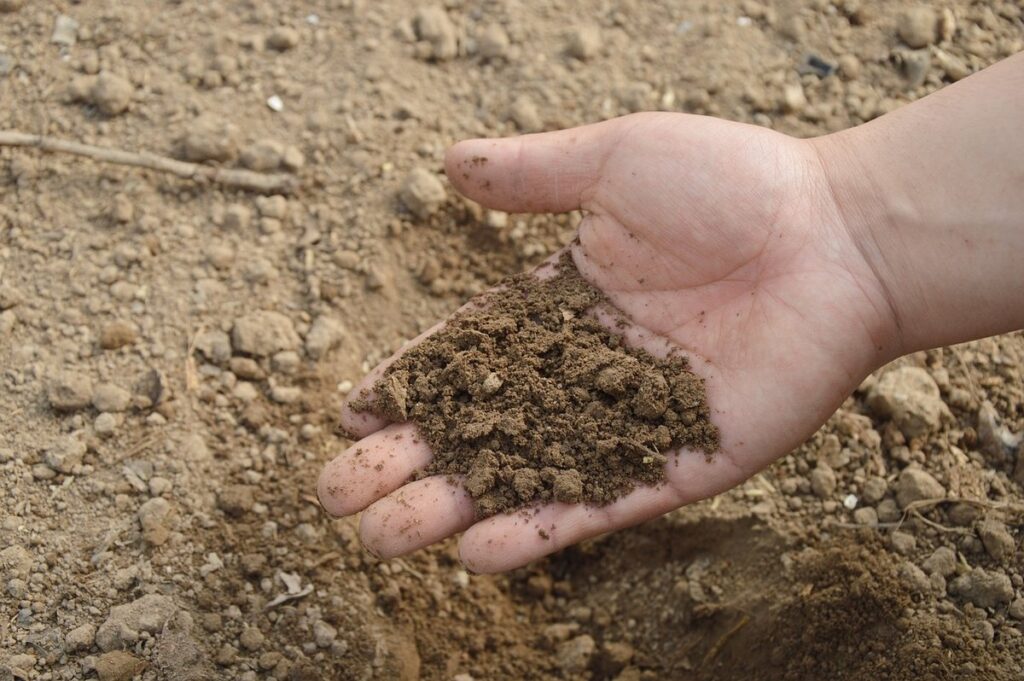
The Importance of Fertilizers in Organic Gardening
In organic gardening, fertilizers play a vital role in promoting healthy plant growth and ensuring a bountiful harvest. Let’s explore their importance in this crucial aspect of sustainable gardening practices.
Understanding the Role of Fertilizers
Fertilizers play a vital role in promoting healthy plant growth and development. To understand their significance, let’s break down the essential nutrients that plants need to thrive. Macronutrients such as nitrogen (N), phosphorus (P), and potassium (K) are the primary building blocks of plant growth. These elements facilitate cell division, photosynthesis, and root development.
On the other hand, micronutrients like iron (Fe), zinc (Zn), and boron (B) are equally crucial for optimal plant performance. Micronutrients often have a more subtle yet significant impact on plant health, such as enhancing resistance to diseases or improving nutrient uptake. For instance, iron is essential for chlorophyll production, while zinc plays a key role in protein synthesis.
The importance of using organic garden fertilizers cannot be overstated. Synthetic options may provide quick fixes but often come with environmental drawbacks and potential harm to soil health. In contrast, organic fertilizers work in harmony with the soil ecosystem, promoting a balanced nutrient profile that supports long-term plant growth and resilience. By choosing the right organic fertilizer for your specific needs, you can create a thriving garden environment that minimizes waste and maximizes crop yields.
Types of Organic Fertilizers
When it comes to organic gardening, using natural and sustainable fertilizers is crucial for maintaining soil health and promoting plant growth. There are several types of organic fertilizer sources that can be used, each with its own set of benefits and potential drawbacks.
Compost tea is a liquid solution made by steeping compost in water, which is rich in beneficial microorganisms and nutrients. It’s an excellent choice for seed starting, cuttings, and transplanting, as it helps to stimulate root growth and improve soil structure. However, the brewing process can be time-consuming, and the results may not be consistent.
Worm castings, on the other hand, are the nutrient-rich waste produced by worms as they break down organic matter in vermicomposting systems. They’re an excellent source of slow-release nitrogen, phosphorus, and potassium, making them ideal for fruiting plants like tomatoes and peppers. However, worm castings can be expensive to produce and may require specialized equipment.
Fish emulsion is a liquid fertilizer made from the remains of fish and other seafood. It’s high in nitrogen, phosphorus, and potassium, making it an excellent choice for crops that require rapid growth, such as lettuce and spinach. However, fish emulsion can have a strong odor and may not be suitable for use near water sources.
Each of these organic fertilizers has its unique benefits and drawbacks, but they all share one thing in common: they’re natural, sustainable, and gentle on the soil. By choosing the right fertilizer for your specific needs, you can create a thriving and balanced ecosystem that promotes healthy plant growth and minimizes environmental impact.
Choosing the Right Organic Fertilizer for Your Garden
Now that you’ve decided on a fertilizer, it’s time to choose from the many organic options available. This section will help you narrow down your choices and select the perfect fit for your garden.
Soil Testing: A Crucial Step in Selecting a Fertilizer
When it comes to selecting an organic fertilizer for your garden, understanding the soil’s nutrient content is essential. This is where soil testing comes into play – a crucial step that helps determine nutrient deficiencies and guides you in choosing the right fertilizer.
Soil testing involves analyzing the pH level, nutrient availability, and other factors that affect plant growth. A pH level between 6.0 and 7.0 is ideal for most plants, but some may thrive in slightly acidic or alkaline conditions. For instance, azaleas and blueberries prefer a more acidic soil pH (around 5.5), while tomatoes and peppers can tolerate a slightly higher pH.
Interpreting your test results requires attention to detail, as different additives may affect nutrient availability. For example, high levels of nitrogen can indicate the need for phosphorus or potassium supplements. Similarly, if your soil is low in magnesium, adding dolomitic limestone can help balance its levels.
When interpreting your soil test results, look for specific recommendations from the testing laboratory. They will likely provide guidance on the best course of action to improve your soil’s fertility and overall health.
Considerations When Selecting Organic Fertilizers
When selecting an organic fertilizer for your garden, it’s essential to consider several factors that can influence the choice of product. First and foremost, think about the type of crops you’re growing. Different plants have varying nutrient requirements, so a fertilizer specifically formulated for fruits or vegetables may not be suitable for a lawn or flower bed.
Next, consider the size of your garden. A small container garden or indoor plants require less fertilizer than a large backyard garden with numerous fruit trees and bushes. Choose a product that’s designed to serve the specific needs of your plant population.
Your budget also plays a significant role in selecting an organic fertilizer. Some products can be quite expensive, especially if you’re using them for extensive gardening projects. Be mindful of what you’re willing to invest in terms of time and money when making your selection.
Furthermore, think about the environmental impact of the product you choose. Opt for fertilizers that are certified by reputable organizations such as OMRI (Organic Materials Review Institute) or USDA Organic.
Preparing Your Soil for Fertilizer Application
Before applying organic fertilizer, it’s essential to prepare your soil by loosening and aerating it to ensure optimal nutrient uptake. This process is crucial for a healthy garden ecosystem.
Composting 101: Creating Your Own Organic Fertilizer
Creating your own compost is one of the most effective and sustainable ways to provide nutrients for your garden. This homemade fertilizer not only saves you money but also reduces waste by turning kitchen scraps into a valuable resource. Compost can improve soil structure, increase its water-holding capacity, and support beneficial microbial life.
To start creating your compost, begin by collecting organic materials such as fruit and vegetable peels, eggshells, coffee grounds, and tea bags. Avoid adding meat, dairy, and oily foods as they attract pests and create unpleasant odors. Aim for a mix of “green” (nitrogen-rich) and “brown” (carbon-rich) materials to achieve the ideal balance.
The general rule is 2/3 brown materials (dried leaves, straw, shredded paper) and 1/3 green materials (kitchen scraps, grass clippings). Regularly turning your compost pile helps maintain optimal mixing ratios. For example, if you add too much kitchen waste, turn it over to introduce oxygen and mix in some dry leaves.
A well-made compost can be added to your soil at a ratio of 10-20% by volume. This will improve its fertility and structure without overpowering the natural ecosystem of your garden.
Effective Methods for Integrating Fertilizers into Your Garden
When applying organic fertilizers to your garden, timing is crucial. Consider the planting stage and growth cycles of your plants when deciding when to apply fertilizer. For example, if you’re growing vegetables that require a lot of nitrogen, such as leafy greens or tomatoes, apply a balanced fertilizer at the beginning of their growth cycle.
Dosage is another critical factor to consider. Organic fertilizers are often more concentrated than synthetic options, so start with a small amount and adjust as needed. A general rule of thumb is to follow the manufacturer’s recommended dosage. However, it’s essential to note that over-fertilization can be detrimental to your plants.
Integrate organic fertilizers into your existing gardening routine by incorporating them into your regular watering schedule or using a drip irrigation system. You can also mix compost tea with water and use it as a foliar spray for an extra boost of nutrients.
Benefits of Using Organic Garden Fertilizers
Using organic garden fertilizers can have a significant impact on your plant’s health and overall gardening experience, offering numerous benefits that will make your green thumb proud. Let’s dive into these advantages.
Reduced Chemical Exposure
When you choose to use organic garden fertilizers, one of the significant benefits is reduced chemical exposure for both your plants and yourself. Synthetic fertilizers contain harsh chemicals that can be detrimental to plant health in the long run, not to mention their impact on human health when ingested through food.
These chemicals can leach into the soil, affecting soil biology and fertility. For instance, the use of nitrogen-based fertilizers has been linked to soil degradation and water pollution. Moreover, synthetic pesticides have been associated with neurological problems, reproductive issues, and even cancer in humans.
On the other hand, organic garden fertilizers work with nature rather than against it. By using natural substances like compost or manure tea, you’re creating a balanced environment for your plants to thrive without exposing them (or yourself) to toxic chemicals. Consider making your own compost at home to reduce waste and create a nutrient-rich soil amendment.
By switching to organic fertilizers, you’ll not only improve the health of your garden but also ensure that the produce you harvest is safe to eat.
Long-Term Soil Health Improvement
When you choose organic garden fertilizers, you’re not just improving the health of your plants – you’re also investing in the long-term well-being of your soil. Organic fertilizers contribute to improved soil quality through three key mechanisms: increased nutrient retention, improved structure, and enhanced biodiversity.
By retaining more nutrients, organic fertilizers help your soil become a more efficient storehouse for essential elements like nitrogen, phosphorus, and potassium. This means that as plants grow, they’ll be able to draw on these stored nutrients rather than relying on external sources – reducing the need for repeated applications of synthetic fertilizers. To illustrate this point, consider the example of compost tea: made by steeping compost in water, it’s a rich source of beneficial microbes that can help lock away nutrients, keeping them available for plants.
In addition to nutrient retention, organic fertilizers also promote improved soil structure through the breakdown of complex organic matter into simpler compounds. This process enhances the soil’s ability to absorb and retain water, reducing erosion and runoff while supporting healthier root growth. Finally, by introducing beneficial microbes, fungi, and other organisms, organic fertilizers foster a thriving community of biodiversity within your soil – an ecosystem that will continue to support plant health even after initial fertilizer applications have ceased.
This combination of increased nutrient retention, improved structure, and enhanced biodiversity enables your soil to become more resilient and self-sustaining over time. As you cultivate your garden using organic fertilizers, remember to incorporate practices like cover cropping, crop rotation, and mulching to further support this process – all of which will contribute to a healthier, more productive garden in the long run.
Potential Drawbacks of Organic Fertilizer Use
While organic fertilizers offer many benefits, it’s essential to consider the potential downsides of using them in your garden. This includes factors like slower nutrient release and variable efficacy.
Challenges in Maintaining Consistent Quality
One of the significant challenges in maintaining consistent quality when it comes to organic fertilizers is the variability in their composition. This can be due to several factors such as differences in sourcing raw materials, production processes, and manufacturing standards.
When you’re working with a new supplier or product, there’s always a risk that the formulation may not meet your expectations. For instance, if an organic fertilizer contains varying amounts of nitrogen, phosphorus, and potassium (NPK), it can lead to inconsistent growth patterns in plants. Moreover, inconsistencies in production processes can result in differences in particle size, which affects how quickly the fertilizer breaks down in the soil.
To mitigate these challenges, it’s essential to establish a strong relationship with your supplier and have clear communication about your needs. Regularly testing the product for NPK levels and micronutrient content can also help you identify any inconsistencies early on.
Balancing Organic vs. Synthetic Options
When it comes to fertilizing your garden, you’re likely faced with a decision: go all-in on organic options, stick with synthetic fertilizers, or find a balance between the two. Each approach has its benefits and drawbacks, which we’ll delve into below.
Using only synthetic fertilizers can provide rapid results, but they often come at an environmental cost. These chemicals can contaminate soil and water, harming microorganisms and other beneficial organisms that live in your garden ecosystem. In contrast, relying exclusively on natural sources may take longer to produce noticeable effects, but it fosters a healthier environment for your plants and the surrounding ecosystem.
The hybrid approach – combining elements from both strategies – is often the most effective way forward. By using natural soil amendments like compost or manure tea alongside synthetic fertilizers in moderation, you can reap the benefits of each while minimizing their drawbacks. For example, using a balanced organic fertilizer as a base and supplementing with smaller amounts of synthetic nitrogen when necessary can provide optimal nutrition for your plants without overwhelming the environment.
DIY Solutions for Fertilizer Shortages
If you’re struggling to find organic fertilizers, don’t worry – we’ve got some practical solutions that’ll help you grow a healthy and thriving garden despite the shortages.
Crafting Your Own Natural Fertilizer Mixtures
Creating your own natural fertilizer mixtures can be a fun and rewarding experience for gardeners. By blending different ingredients, you can create custom fertilizers that cater to specific plant requirements and soil types. For instance, if you’re growing acid-loving plants like azaleas or blueberries, you can create an acidic fertilizer mixture by combining peat moss with compost tea and fish bone meal.
On the other hand, for alkaline-loving plants like succulents or tomatoes, a more basic fertilizer mixture made from wood ash, dolomitic limestone, and alfalfa meal would be suitable. When crafting your own natural fertilizers, it’s essential to consider the nitrogen-phosphorus-potassium (NPK) ratio of each ingredient.
To get started, you’ll need to gather various natural ingredients such as compost, manure, bone meal, fish emulsion, kelp meal, alfalfa meal, and dolomitic limestone. Remember to mix these ingredients in the right proportions to create a balanced fertilizer that won’t harm your plants or the environment. For example, a general-purpose fertilizer blend might consist of 2 parts compost, 1 part bone meal, and 0.5 parts kelp meal.
Some other key considerations when creating custom fertilizers include:
* Ensuring adequate nutrient availability for plant growth
* Maintaining a suitable pH level for optimal nutrient uptake
* Avoiding over-fertilization to prevent soil pollution
* Using locally sourced ingredients to minimize transportation costs and environmental impact
Making the Most of Kitchen Waste in Your Garden
When it comes to creating a thriving garden without harming the environment, utilizing kitchen waste as organic fertilizers is a game-changer. You might be surprised at just how much potential lies within your daily trash. Take, for instance, eggshells – these delicate shells are rich in calcium, an essential nutrient for plants. To make the most of them, crush or blend the shells into a fine powder and mix it with water to create a liquid fertilizer.
Coffee grounds and tea bags also boast impressive fertilizer credentials, packing a punch with nitrogen and phosphorus. Use them as mulch around your plants’ bases to retain moisture and suppress weeds, or bury them near plant roots for an instant nutrient boost. Banana peels are another kitchen staple turned fertilizer dynamo – high in potassium and magnesium, they promote healthy growth and fruiting.
By incorporating these creative solutions into your gardening routine, you’ll not only reduce waste but also create a more balanced soil ecosystem.
Integrating Organic Fertilizers into Sustainable Gardening Practices
When it comes to sustainable gardening, incorporating organic fertilizers is a crucial step towards reducing your environmental footprint and creating a thriving ecosystem in your garden. Let’s explore how to seamlessly integrate these eco-friendly options into your gardening routine.
Case Studies: Successful Organic Fertilizer Implementations
Many gardeners have successfully transitioned to using organic fertilizers, and their experiences offer valuable lessons for those looking to make the switch. The example of Greenbelt Farm in Maryland is a notable one. This 30-acre farm uses compost tea as its primary fertilizer source, achieving remarkable results without synthetic inputs.
The farm’s owners attribute their success to meticulous soil testing and tailored application of organic amendments based on these results. They also emphasize the importance of crop rotation and cover cropping in maintaining soil health. For instance, they plant clover between rows of vegetables to fix nitrogen, reducing the need for external fertilizers.
This approach not only benefits the farm’s ecosystem but also reduces its carbon footprint and production costs. The success story of Greenbelt Farm demonstrates that organic fertilizers can be a viable alternative to synthetic options, even in large-scale agricultural operations.
Maximizing Your Garden’s Potential with Integrated Pest Management (IPM) Strategies
When using organic fertilizers in your garden, it’s essential to adopt an Integrated Pest Management (IPM) approach to minimize pests, diseases, and environmental impact. IPM involves a holistic strategy that considers the entire ecosystem, not just individual elements like pest control or fertilizer application.
A key aspect of IPM is diversification – planting a variety of crops and flowers that attract beneficial insects, such as bees and butterflies, which help pollinate plants and keep pest populations in check. Companion planting, where certain plants are grown together to deter pests or improve growth conditions, is also a crucial component of IPM.
For example, basil repels aphids and mites, while nasturtiums attract beneficial insects that prey on aphids. By incorporating such plants into your garden design, you can reduce the need for pesticides and minimize damage from pests. Additionally, regular monitoring and record-keeping will help you identify potential issues early on, allowing for targeted intervention and minimizing waste.
To implement IPM in your garden, start by assessing your specific climate, soil type, and pest pressures. Use this information to create a tailored plan that incorporates organic fertilizers, beneficial plants, and monitoring strategies. By taking a holistic approach to gardening, you’ll not only promote sustainable practices but also enjoy a healthier, more resilient garden.
Frequently Asked Questions
Can I use organic fertilizers for indoor plants as well?
Yes, organic fertilizers can be used for indoor plants to promote healthy growth and reduce the risk of chemical exposure. However, consider the specific needs of your indoor plants and adjust your fertilizer application accordingly.
How do I store organic fertilizers to maintain their effectiveness?
Proper storage is essential to preserve the nutritional value of organic fertilizers. Store them in a cool, dry place away from direct sunlight and keep them sealed tightly when not in use. This will help prevent degradation and ensure they remain effective for your garden.
Can I mix different types of organic fertilizers together?
Yes, you can create a customized fertilizer blend by mixing different types of organic fertilizers. For example, combining compost tea with worm casting can provide a rich source of nutrients for your plants. However, be cautious not to over-fertilize, as this can harm your garden.
What if I have limited space for composting or making my own fertilizer?
If you’re short on space, consider using a bokashi bin or vermicomposting system to create nutrient-rich fertilizers. These compact solutions allow you to make your own organic fertilizer even with limited space.
Are there any specific guidelines for applying organic fertilizers during different seasons?
Yes, it’s essential to adjust your fertilizer application according to the season. For example, apply more nutrients in the spring and summer months when plants are actively growing. In the fall and winter, reduce fertilizer application to prevent over-fertilization during dormant periods.