
Growing your own organic food is not only rewarding, but also healthier for you and the environment. Among the many varieties of garlic available, elephant garlic stands out for its impressive size and rich flavor. Not only does it add a punch to any dish, but it’s also packed with health benefits that make it a popular choice among chefs and home cooks alike. Whether you’re looking to boost your immune system or simply want to explore new flavors in the kitchen, organic elephant garlic seed is an excellent option. In this article, we’ll delve into the advantages of growing and using organic elephant garlic seed, from its numerous health benefits to creative culinary uses. We’ll also share expert tips on how to cultivate it successfully in your garden, so you can enjoy a bountiful harvest all year round.
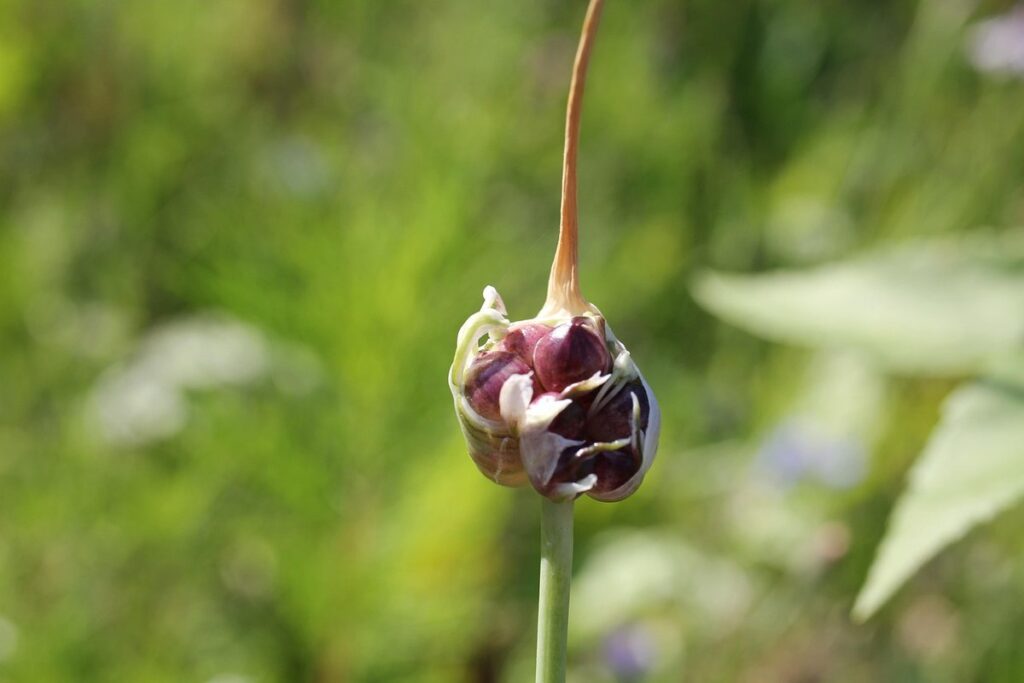
Introduction to Organic Elephant Garlic
Welcome to the world of organic elephant garlic, a unique and flavorful variety that’s sure to elevate your cooking. In this next part, we’ll explore what makes it so special.
What is Elephant Garlic?
Elephant garlic is a distinct type of garlic that stands out from regular garlic due to its larger cloves and sweeter flavor profile. For gardeners looking to add some variety to their herb repertoire, elephant garlic is an excellent choice. Its ease of growth makes it an ideal candidate for even the most novice gardeners.
One reason why elephant garlic has gained popularity among cooks and gardeners alike is its versatility in cooking. Unlike regular garlic, which can be overpowering, elephant garlic adds a subtle yet distinct flavor to various dishes. It’s perfect for those who want to add depth without overwhelming their palate. When used in roasting or grilling, the sweetness of elephant garlic brings out an incredible complexity.
Gardeners also appreciate elephant garlic due to its hardiness and ease of cultivation. With minimal care, it can thrive in a variety of environments, making it an excellent choice for those new to gardening or looking to expand their herbal offerings.
Why Choose Organic?
Choosing organic elephant garlic seed is a deliberate decision that not only benefits you but also contributes to a healthier environment. When it comes to cultivating plants, conventional farming methods often rely on chemical pesticides and fertilizers to promote growth and prevent pests and diseases. However, these chemicals can have severe consequences for soil health, contaminating the very foundation of our ecosystem.
In contrast, organic farming employs natural techniques that foster a balanced relationship between soil, plants, and microorganisms. This holistic approach encourages biodiversity, improves soil fertility, and reduces reliance on synthetic inputs. By choosing organic elephant garlic seed, you’re supporting sustainable agriculture practices that benefit both your garden and the planet.
When selecting organic options, look for seeds that have been certified by reputable organizations such as USDA Organic or equivalent standards in your region. This ensures that the seed has met rigorous criteria for chemical-free production.
Growing Your Own Elephant Garlic
If you’re excited to start cultivating your own elephant garlic, you’ve come to the right place. Here’s a step-by-step guide on how to grow and care for this amazing crop.
Preparing the Soil for Planting
Before planting elephant garlic, it’s essential to prepare the soil for optimal growth. Elephant garlic thrives in well-draining soil with a slightly acidic pH, ranging from 6.0 to 7.0. A pH level outside of this range can hinder bulb formation and flavor development.
To determine your soil’s pH, use a soil testing kit or send a sample to a lab for analysis. Based on the results, amend your soil with lime to raise the pH or sulfur to lower it. If you live in an area with heavy clay or sandy soils, mix in compost or well-rotted manure to improve structure and fertility.
Elephant garlic requires full sun to partial shade, depending on your climate. Aim for at least six hours of direct sunlight per day. Water the soil regularly, but avoid overwatering, which can lead to rot and other issues. A general rule of thumb is to provide about 1 inch of water per week through rainfall or irrigation. By creating the right conditions, you’ll set your elephant garlic up for a healthy, productive harvest.
Sowing Seeds vs. Using Cloves
When it comes to growing your own elephant garlic, you have two primary options: sowing seeds or using cloves. While both methods can yield delicious results, they have distinct advantages and disadvantages.
Sowing seeds is a more labor-intensive process that requires patience and attention to detail. By sowing seeds, you’ll be able to grow multiple plants from a single packet, which can lead to a larger harvest in the long run. Additionally, seed-grown elephant garlic tends to be more disease-resistant than clove-grown varieties.
Using cloves, on the other hand, is a faster and more straightforward process that produces results in as little as 6-8 weeks. Cloves are also easier to find in most gardening stores or online retailers, making them a more accessible option for beginners. However, this method typically yields fewer plants per packet, which can limit your overall harvest.
Ultimately, the choice between sowing seeds and using cloves comes down to your personal preference and growing goals. If you’re looking to grow large quantities of elephant garlic, seed-sowing may be the better option. But if you’re short on time or want a faster turnaround, cloves are still a reliable way to produce high-quality results.
Tips for a Successful Harvest
Timing is everything when it comes to harvesting your elephant garlic crop. Wait too long and you risk missing out on the best bulbs, while picking them too early may mean sacrificing flavor and size. A general rule of thumb is to harvest when the tops begin to yellow and fall over, indicating that the bulbs have finished growing.
To ensure a bountiful harvest, prune your elephant garlic plants regularly throughout the growing season. Remove any weak or spindly growth to direct energy towards forming large, robust bulbs. This will also help prevent overcrowding, which can lead to disease and pests.
When it’s time to harvest, carefully dig around each bulb with a fork to avoid damaging them. Gently lift the bulbs out of the ground, taking care not to knock them against each other or the soil. Use scissors to trim back the foliage, leaving about an inch of stem attached to the bulb. This will help the garlic store its energy and keep it fresh for longer.
By following these tips, you’ll be rewarded with a bountiful harvest of delicious organic elephant garlic.
Uses and Benefits in Cooking and Medicine
When using organic elephant garlic seed, you’ll unlock a multitude of uses in cooking that will elevate your dishes to new heights. We’ll explore these benefits further below.
Culinary Applications
Elephant garlic is a versatile ingredient that can be used in various culinary applications. One of its most popular uses is as a flavor enhancer in sauces and marinades. Its strong, pungent flavor makes it an excellent addition to Italian and Asian-inspired dishes. For example, you can mince elephant garlic and mix it with olive oil, lemon juice, and herbs like thyme and rosemary for a tasty salad dressing.
Elephant garlic can also be roasted as a side dish, similar to regular garlic. Simply chop the cloves, toss them with olive oil, salt, and pepper, and roast in the oven until caramelized. Roasted elephant garlic has a sweet, nutty flavor that pairs well with grilled meats or vegetables.
In addition to its culinary uses, elephant garlic is also valued for its health benefits. However, it’s worth noting that people taking certain medications, such as blood thinners or diabetes medication, should consume elephant garlic in moderation due to its potential to interact with these medications. As with any new food, it’s always a good idea to consult with a healthcare professional before using elephant garlic medicinally.
Some of the key health benefits of elephant garlic include reducing inflammation and improving cardiovascular health. Its high allicin content also makes it an effective antimicrobial agent that can help boost the immune system.
Medicinal Properties and Traditional Use
Organic elephant garlic seed has been prized for centuries not only for its flavor and aroma but also for its medicinal properties. In traditional medicine, elephant garlic is often used to treat a range of ailments, from respiratory issues like bronchitis and coughs to digestive problems such as bloating and gas.
Studies have shown that elephant garlic possesses significant antibacterial and antiviral properties, making it an effective natural remedy against infections. Its active compounds, including allicin and sulfur-containing amino acids, have been found to inhibit the growth of bacteria and viruses, reducing inflammation and promoting healing.
Modern research has also explored the potential health benefits of consuming elephant garlic regularly. A study published in the Journal of Nutrition found that a compound present in elephant garlic showed anti-cancer properties by inhibiting cell proliferation and inducing apoptosis (cell death) in cancer cells. Additionally, some studies suggest that elephant garlic may help lower cholesterol levels and improve cardiovascular health due to its ability to reduce inflammation and improve blood lipid profiles.
To harness the medicinal benefits of organic elephant garlic seed, you can start by incorporating it into your cooking routine or consuming it as a supplement. Use crushed or minced elephant garlic in soups, stews, or salads for added flavor and nutrition. Alternatively, you can brew an herbal tea by steeping elephant garlic cloves in hot water to reap its medicinal benefits.
Storage and Handling of Organic Elephant Garlic Seed
When storing and handling your organic elephant garlic seed, proper care is essential to maintain its viability and ensure successful growth. Follow these simple tips to keep your seeds healthy.
Proper Storage Techniques
When storing elephant garlic seed, it’s essential to maintain optimal conditions to preserve its viability and longevity. Temperature control is crucial; store seeds between 32°F (0°C) and 40°F (4°C). Avoid temperatures above 50°F (10°C), as this can lead to moisture accumulation and subsequent mold growth.
Humidity levels also play a significant role. Store seeds in an environment with low humidity, ideally between 30% and 50%. High humidity can cause condensation, which may damage the seed coat or encourage fungal growth.
Pest management is another consideration when storing elephant garlic seed. Rodents, insects, and mites can contaminate seeds and reduce their quality. Store seeds in airtight containers or sealed bags to prevent infestation. Label containers with the date of storage and contents to ensure you use the oldest seeds first. Regularly inspect stored seeds for signs of damage or contamination.
By controlling temperature, humidity, and pests, you can maintain the quality and viability of your elephant garlic seed. This attention to detail will help you get the best results when growing this versatile crop.
Handling and Packaging for Sale or Trade
When handling and packaging organic elephant garlic seed for sale or trade, it’s essential to follow best practices that ensure quality and safety. Start by storing the seeds in a cool, dry place, away from direct sunlight and moisture. This will help preserve their viability and prevent damage.
To package the seeds for distribution, use breathable containers such as paper bags or mesh pouches. Avoid plastic bags or airtight containers, which can trap moisture and lead to mold or rot. Include a desiccant packet in each bag to maintain dryness and keep the seeds fresh during transport.
When shipping, consider using recycled packaging materials whenever possible. Label the packages clearly with handling instructions and any relevant regulatory information. For international shipments, check with local customs regulations regarding seed exportation. By following these steps, you can ensure that your organic elephant garlic seed reaches its destination in optimal condition, ready for planting or further processing.
Market Trends and Consumer Demand
As you consider growing organic elephant garlic, it’s essential to understand what consumers are looking for in a product and how market trends are shaping the demand for sustainable produce. This section will break down the latest trends and consumer preferences.
Growing Popularity of Organic Products
In recent years, there has been a significant surge in demand for organic products. This shift towards organics is driven by consumers’ growing concern for their health and the environment. According to a report by the Organic Trade Association, the US market for organic products grew by 12% in 2020 alone, reaching a value of $55 billion.
This trend has far-reaching implications for various industries, including the one producing elephant garlic seed. As consumers become more aware of the benefits of organic produce, they are increasingly seeking out organic options for their cooking needs. Elephant garlic seed is no exception to this trend, with many gardeners and chefs opting for its unique flavor and health-promoting properties.
To capitalize on this growing demand, suppliers and farmers can focus on cultivating high-quality, certified-organic elephant garlic seed. This requires adherence to rigorous standards and best practices in organic farming. By doing so, they can cater to the needs of health-conscious consumers while also supporting sustainable agriculture. As a result, the market for elephant garlic seed is poised for continued growth, driven by the rising popularity of organic products.
Niche Markets and Specialized Uses
If you’re looking for ways to take your gardening or cooking to the next level, consider exploring niche markets and specialized uses for organic elephant garlic seed. For instance, heirloom gardening enthusiasts can appreciate the unique flavor and aroma of elephant garlic, which can add depth and complexity to a variety of dishes. In fact, many chefs swear by its versatility in high-end cuisine.
For those interested in gourmet cooking, elephant garlic is a game-changer. Its robust flavor pairs perfectly with meats like lamb or beef, while its subtle sweetness complements rich sauces and marinades. To incorporate organic elephant garlic seed into your culinary repertoire, try experimenting with different roasting techniques to coax out the full range of flavors.
When selecting organic elephant garlic seed for these specialized uses, look for varieties that are specifically bred for their unique characteristics. Some popular options include ‘Russian Giant’ or ‘Silverskin’, both of which offer exceptional flavor and texture. By tapping into these niche markets, you can unlock new possibilities in the kitchen and garden while showcasing your commitment to sustainable, high-quality ingredients.
Common Problems and Solutions in Growing Elephant Garlic
When growing elephant garlic, you may encounter some common issues that can impact your harvest, but don’t worry, we’ve got some troubleshooting tips to get you back on track.
Pests and Diseases
Elephant garlic is generally less susceptible to pests and diseases compared to other types of garlic. However, it can still be affected by certain issues that may damage the crop and reduce yields.
Common pests include aphids, spider mites, and thrips. These tiny insects can infest the leaves and stems, weakening the plant and reducing its ability to produce flavorful bulbs. To prevent pest infestations, growers should regularly inspect their plants for signs of damage or pests. They can also use neem oil or insecticidal soap as a natural deterrent.
Diseases such as fusarium basal rot, white rot, and botrytis can also affect elephant garlic. These diseases often result from poor drainage or excessive moisture in the soil. To prevent disease, growers should ensure good air circulation around their plants and avoid overwatering. They can also use fungicides if necessary.
In addition to prevention methods, growers can also treat affected plants using natural remedies like garlic spray or copper-based fungicides.
Climate-Specific Challenges
Growing elephant garlic in various climates can be challenging due to temperature fluctuations and moisture levels. In regions with hot summers, for instance, the soil temperature may become too high for optimal growth, causing the bulbs to form incorrectly. To mitigate this issue, it’s essential to choose a location that provides some shade during peak sun hours or use a mulch layer to regulate soil temperatures.
Conversely, areas with cool winters might require protection from frost, which can damage the garlic plants. Mulching and covering the plants with a breathable cloth are effective methods for safeguarding against frost damage.
In regions with high humidity, fungal diseases may become prevalent. Regularly inspecting your plants and using organic fungicides can help prevent such issues. Elephant garlic prefers well-draining soil; in areas prone to excessive moisture, it’s crucial to ensure the soil isn’t waterlogged.
Conclusion and Final Thoughts
As we conclude our exploration of the benefits and uses of organic elephant garlic seed, it’s clear that this versatile ingredient has a lot to offer. Whether you’re a seasoned gardener or just starting out, incorporating organic elephant garlic into your garden can have a significant impact on the flavor and aroma of your dishes. One final thought to keep in mind is that elephant garlic seed is not only a great addition to your kitchen, but also a valuable asset for any gardening enthusiast looking to expand their culinary horizons. So don’t be afraid to get creative with this incredible ingredient – experiment with new recipes, share them with friends and family, and enjoy the countless benefits of growing and cooking with organic elephant garlic seed!
Frequently Asked Questions
Can I grow elephant garlic indoors, or does it require a lot of outdoor space?
You can grow elephant garlic indoors, but you’ll need to provide suitable conditions for it to thrive. This includes plenty of natural light, which can be achieved through south-facing windows or under grow lights. Make sure the temperature remains between 60-70°F (15-21°C) and maintain good air circulation to prevent fungal diseases.
How long does it take for elephant garlic to mature?
Elephant garlic typically takes around 6-9 months to mature from planting, depending on factors like climate and soil quality. It’s essential to check the cloves regularly for signs of readiness, such as the tops dying back and the bulbs beginning to form underground.
Can I use elephant garlic seeds for replanting every year?
While it’s possible to save and replant elephant garlic seeds, this method may not yield consistent results due to seed degradation over time. Consider dividing established plants or using cloves from a reputable supplier for better success rates.
How do I store organic elephant garlic seed for long-term use?
Proper storage is crucial when saving organic elephant garlic seed. Store the seed in an airtight container, such as a glass jar with a tight-fitting lid, in a cool, dark place (around 40-50°F or 4-10°C). Label the container and store it away from direct sunlight to maintain viability.
What are some common pests and diseases that affect elephant garlic?
Keep an eye out for common pests like aphids, spider mites, and thrips, which can be controlled with organic methods. Fungal diseases like bulb rot and rust can also occur; monitor your plants closely and take action at the first sign of infection to prevent spreading. Regularly inspect your plants and adjust growing conditions as needed to promote a healthy crop.